
In This Article
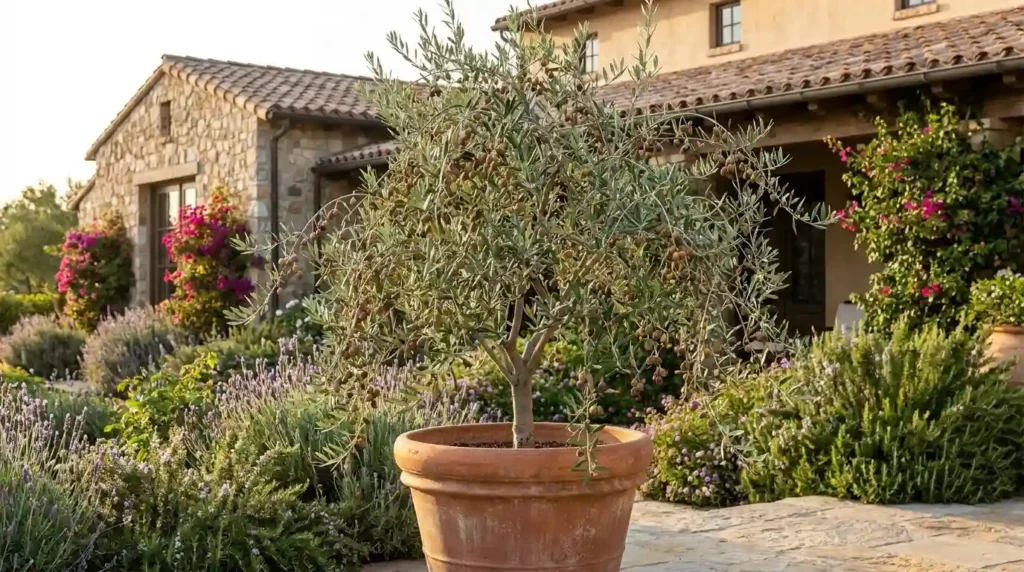
The Arbequina olive tree (Olea europaea ‘Arbequina’) is a compact, Mediterranean-origin variety beloved for its graceful weeping branches, silvery-green leaves, and small brownish-purple olives. Cold-hardier than most olives and earlier to fruit, it thrives in USDA Zones 8–11 and suits even beginner gardeners with its easy-to-moderate care requirements.
Plant Care Card
| Detail | Info |
|---|---|
| Common Name | Arbequina Olive Tree |
| Botanical Name | Olea europaea ‘Arbequina’ |
| Family | Oleaceae |
| Plant Type | Evergreen tree / shrub |
| Mature Size | 10–20 ft tall × 10–15 ft wide |
| Sun Exposure | Full sun (6–8+ hours daily) |
| Soil Type | Well-draining, sandy or loamy |
| Soil pH | 5.5–8.5 (tolerates wide range) |
| Hardiness Zones | USDA Zones 8–11 |
| Native Area | Mediterranean (Catalonia, Spain) |
| Bloom Time | Spring (April–May) |
| Toxicity | Non-toxic to humans; mildly toxic to dogs and cats |
Arbequina Olive Tree Care
The Arbequina olive tree thrives with minimal fuss once settled into the right spot in your garden. Here’s what you need to know about sun, soil, water, pruning, and seasonal care. With proper placement and good drainage, this tree practically takes care of itself.
Light
The Arbequina olive tree requires 6–8 hours of full sun daily for healthy growth and reliable fruiting. Plant in a south- or west-facing spot free from obstructions. According to the University of California Agriculture and Natural Resources, full sun placement is the most critical factor in olive tree productivity.
Soil
The Arbequina olive tree tolerates sandy, loamy, or rocky soils but demands excellent drainage. Soggy or clay-heavy ground causes root rot fast. Aim for a pH of 5.5–8.5. In heavy clay, amend with a 1:2:1 mix of perlite, native soil, and coarse sand, or use raised beds.
Water
Water newly planted trees once or twice weekly during the first season. Once established, the Arbequina becomes drought-tolerant water every 10–14 days in summer and monthly in winter. Always water deeply but infrequently. Yellowing leaves signal overwatering; dry, curling leaves indicate underwatering. Check soil moisture 2 inches deep before watering.
Temperature and Humidity
The Arbequina olive tree tolerates cold down to 15°F (-9°C), thriving through Zone 8. It loves heat but needs roughly 200 chilling hours below 50°F for proper fruiting. In humid climates, ensure good canopy airflow to prevent fungal disease. In marginal zones, mulch roots and wrap the trunk before hard freezes.
Fertilizer
Feed the Arbequina olive tree with a balanced slow-release fertilizer (like 10-10-10) once in early spring and again in early summer. Avoid over-fertilizing too much nitrogen produces leafy growth at the expense of fruit. Do not fertilize after late summer, as this can push new growth that gets damaged by early fall frosts.
Types of Arbequina Olive Trees
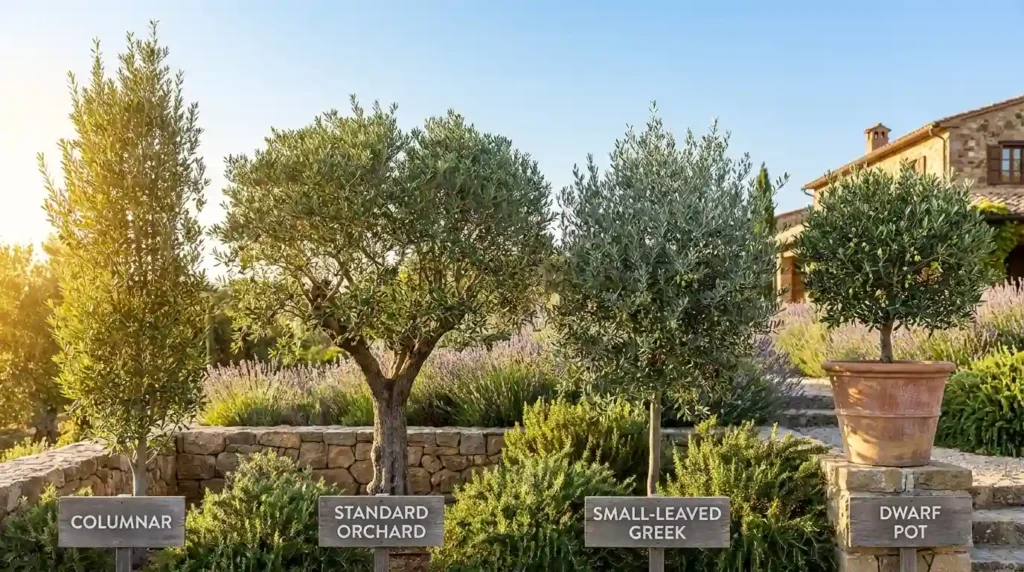
There are a handful of notable Arbequina selections worth knowing about before you plant.
- ‘Arbequina-i-5’ (Arlequín): A self-fertile selection bred for high-density commercial planting. It has a very upright growth habit and produces fruit earlier than the standard cultivar.
- ‘Arbosana’: Often sold alongside Arbequina for cross-pollination in orchards. Similar size and oil content, with slightly later ripening.
- ‘Koroneiki’: A Greek variety frequently paired with Arbequina for diverse olive oil blending. Smaller leaves and very high oil yield.
- ‘Arbequina Patio’ (dwarf form): A compact container-friendly selection that tops out around 5–6 feet. Perfect for patios and small spaces in colder zones where the pot needs to come indoors.
Pruning
Prune the Arbequina olive tree in late winter or early spring, just before new growth begins. This is the ideal window you can clearly see the tree’s structure, and you’ll be cutting before the growing season kicks in. Remove dead, crossing, or inward-growing branches first. Also thin out any branches that crowd the center canopy, which improves airflow and light penetration.
Use sharp bypass pruners, loppers, or a pruning saw depending on branch thickness. A light annual trim keeps the tree shapely and boosts fruiting. It tolerates hard pruning well and regrows vigorously from old wood. The same late-winter timing applies to the red salvias plant.
Propagating Arbequina Olive Tree
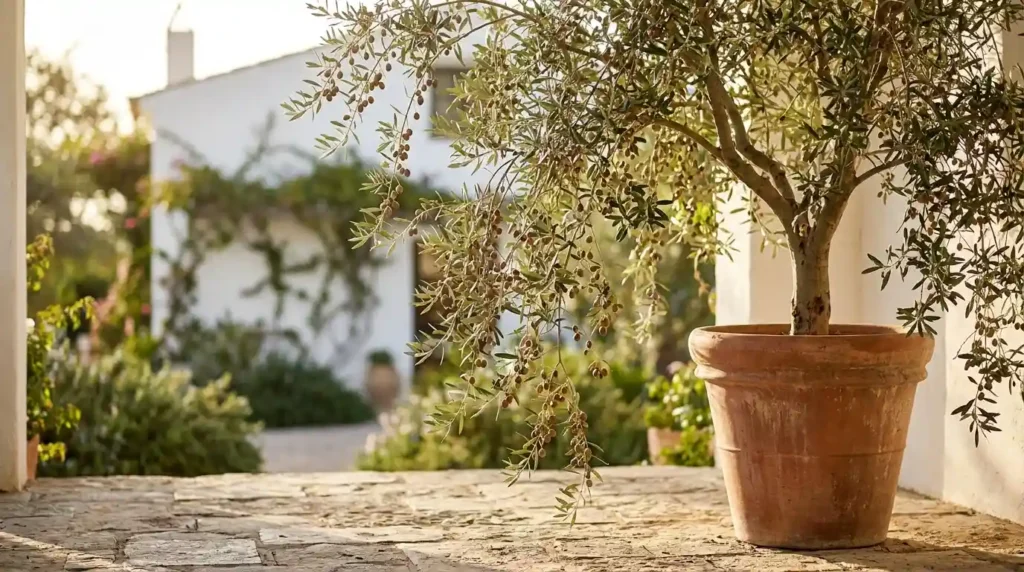
The best time to propagate is in late spring or early summer, when the plant is actively pushing new growth. Stem cuttings are by far the most reliable and popular method for home gardeners.
Propagating by Stem Cuttings
Stem cuttings give you a true clone of the parent plant and typically root within 6 to 10 weeks under the right conditions.
Materials needed:
- Sharp, clean pruning shears
- Rooting hormone powder or gel
- Small pots filled with a mix of perlite and coarse sand
- A plastic bag or humidity dome
- Grow light or bright indirect light source
Steps:
Step 1: In late spring, select a healthy semi-hardwood stem about 4–6 inches long. Look for growth from the current season that has started to firm up slightly not the very newest soft tips.
Step 2: Remove all leaves from the bottom half of the cutting. Dip the cut end into rooting hormone powder, tapping off any excess. This step really makes a difference in rooting speed.
Step 3: Push the cutting about 2 inches deep into your perlite-sand mix. Water lightly, then cover with a plastic bag or humidity dome to trap moisture. Keep the soil barely moist not wet.
Step 4: Place in bright indirect light or under grow lights. Check after 6 weeks for resistance when you gently tug on the cutting. Once rooted, harden off the young Arbequina olive tree by removing the humidity dome gradually over one week before transitioning to outdoor conditions.
Propagating by Division (Offshoots)
Mature Arbequina olive trees occasionally produce suckers small offshoots growing from the base. These can be separated and grown on as independent plants.
Step 1: In spring, identify a healthy sucker at least 12 inches tall growing from the base of the tree.
Step 2: Use a sharp spade to cut cleanly through the root connecting it to the parent plant.
Step 3: Dig up the sucker with as much root as possible and pot it immediately in well-draining soil. Water well and keep in a sheltered, partially shaded spot for a few weeks while the new Arbequina olive tree settles in.
Step 4: Gradually introduce to full sun over two to three weeks before planting in a permanent garden spot.
Planting and Transplanting Arbequina Olive Tree
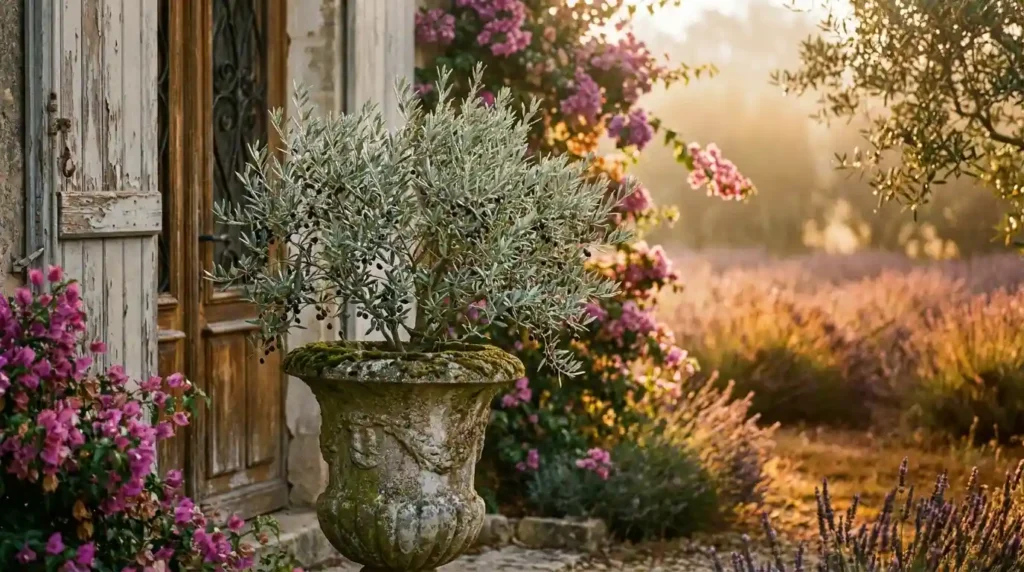
Plant the Arbequina olive tree in spring or early fall for the best establishment success. Spring planting gives roots the whole growing season to settle in before winter. Fall planting works well in Zones 9–11 where winters stay mild. Space trees 10 to 15 feet apart if planting multiple closer spacing for a hedge effect is fine, but airflow matters.
Dig a hole twice as wide as the root ball but no deeper. Set the tree so the root flare sits at or just above ground level. Backfill with native soil (no need for rich amendments), water deeply, and add a 2–3 inch mulch ring around the base, keeping mulch away from the trunk.
Transplanting established trees is possible but stressful. If you must move a young Arbequina olive tree, do it in early spring before new growth starts. Similar to the dwarf cherry tree, minimizing root disturbance is key to transplant success.
Common Pests and Diseases
Like most garden fruit trees, the Arbequina olive tree can occasionally face pest or disease challenges but it’s generally more resistant than many alternatives.
Aphids
Look for clusters of small soft insects on new growth and leaf undersides. Treat with a strong blast of water or neem oil spray applied in the early morning.
Spider Mites
Tiny webbing and stippled, dusty-looking leaves are the telltale signs. Spray with insecticidal soap or neem oil, repeating every five to seven days until resolved.
Peacock Spot (Olive Leaf Spot)
A fungal disease showing circular, dark spots with a yellowish halo on leaves. According to UC IPM guidelines, copper-based fungicide sprays in fall and early spring provide effective control.
Root Rot
Yellowing leaves, wilting, and mushy roots point to root rot from waterlogged soil. Improve drainage immediately and remove affected roots. Prevention through well-draining soil is far easier than treatment.
Olive Fruit Fly
Look for small puncture marks or dimpling on developing olives. The USDA Agricultural Research Service recommends monitoring traps and spinosad-based organic sprays for effective control.
Common Problems with Arbequina Olive Tree
Here’s how to troubleshoot common issues with your Arbequina olive tree:
Poor or No Blooms
Poor blooms usually stem from insufficient sun (under 6 hours), skipped winter chilling in warm Zone 10–11 climates, or excess nitrogen fertilizer. Switch to phosphorus-rich formulas and cut back feeding. Patience helps too young Arbequina olive trees often take 3–5 years to bloom reliably.
Yellow or Browning Leaves
Yellow leaves usually signal overwatering or poor drainage. If drainage is fine, suspect iron chlorosis often caused by high soil pH locking out iron. Browning tips indicate heat stress or underwatering. Similar yellowing patterns appear in the lychee tree for the same drainage-related reasons.
Wilting or Drooping
Wilting on a hot afternoon is normal and usually temporary most trees perk back up after sunset. However, persistent wilting during cool weather is a red flag. Underwatering is the first thing to check: push your finger 2 inches into the soil. If bone dry, water deeply right away. Transplant shock is another common cause in newly planted trees; keep these well-watered and avoid disturbing roots for the first season.
Leggy or Sparse Growth
Leggy, stretched-out growth almost always means insufficient light. Move container-grown plants to a sunnier location. For in-ground trees, consider removing overhead obstructions if possible. Over-fertilizing with nitrogen can also push weak, fast growth cut back on feeding and prune lightly to encourage bushier structure. This is similar to the growth issues seen in the brown turkey fig tree under low-light conditions.
Slow Growth
The Arbequina olive tree is naturally a slow to moderate grower don’t panic if yours seems to take its time. Young trees focus energy on root establishment before pushing topgrowth. Make sure soil drainage is good and the tree gets full sun; both factors directly influence growth rate. A light spring fertilizer application can give growth a gentle boost.
Frost Damage
Frost-damaged branches turn brown and mushy after a hard freeze. Wait until late spring before pruning frost-damaged wood cuts made too early invite further cold damage to exposed tissue. Once the risk of frost passes, remove dead wood back to healthy green tissue. Mulching the root zone in fall reduces freeze damage to roots significantly. If you grow this tree in Zone 8a, read our hemlock tree care guide for additional winter protection strategies that apply to borderline-hardy trees.
FAQ
How big do Arbequina olive trees get?
Mature Arbequina olive trees typically reach 10 to 20 feet tall and 10 to 15 feet wide, though container growing keeps them smaller.
Are Arbequina olives good for eating?
Yes, Arbequina olives are excellent for eating fresh or cured and are especially prized for producing rich, fruity extra-virgin olive oil.
How long does it take for an Arbequina olive tree to bear fruit?
Most Arbequina olive trees begin producing fruit within 3 to 5 years of planting, with full harvests by year 5 to 7.
What temperature can Arbequina olive trees tolerate?
The Arbequina olive tree handles cold down to about 15°F (-9°C), making it one of the hardiest olive varieties for temperate climates.