
In This Article
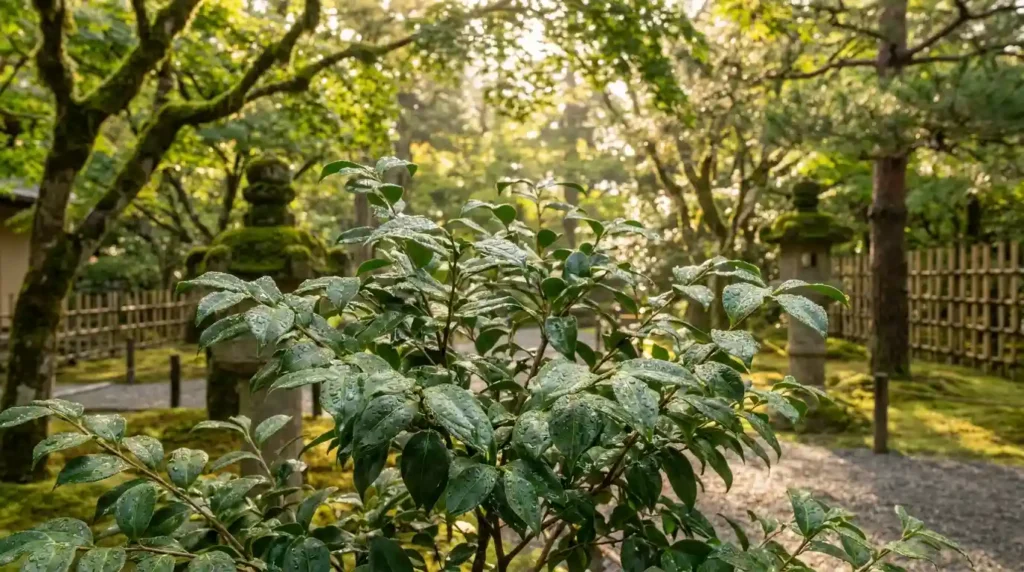
The matcha plant (Camellia sinensis) is the glossy, white-flowered shrub behind every cup of green tea, black tea, and powdered matcha. Native to East and Southeast Asia, this evergreen thrives in USDA zones 7–9. Care level is moderate give it the right start and it practically grows itself.
Matcha Plant Care Card
| Detail | Information |
|---|---|
| Common Name | Matcha plant, Tea plant, Tea shrub |
| Botanical Name | Camellia sinensis |
| Family | Theaceae |
| Plant Type | Evergreen shrub |
| Mature Size | 3–6 ft tall x 3–5 ft wide (pruned); up to 30 ft unpruned |
| Sun Exposure | Partial shade to full sun |
| Soil Type | Well-draining, loamy, rich in organic matter |
| Soil pH | 5.5–6.5 (acidic) |
| Hardiness Zones | 7–9 (USDA) |
| Native Area | East Asia (China, Japan, Southeast Asia) |
| Bloom Time | Late summer to fall (September–November) |
| Toxicity | Non-toxic to humans; toxic to dogs and cats (contains caffeine) |
Matcha Plant Care
The matcha plant does well once you get the basics right especially soil pH and sun placement. Here’s what you need to know about light, soil, water, and maintenance. With the right setup, this beautiful shrub will reward you with fresh tea leaves for years to come.
Light
The matcha plant thrives in partial shade, needing just 4–6 hours of daily sun. Japanese farmers shade plants before harvest to boost chlorophyll and umami flavor too much afternoon sun scorches leaves. Plant on the east or north side of your garden, or under dappled tree shade in hot climates.
Soil
This shrub needs well-draining, acidic soil (pH 5.5–6.5) matcha plants hate wet feet, and clay soil causes root rot fast. Mix in pine bark, peat moss, or composted oak leaves to lower pH. According to University of Florida IFAS Extension, sulfur or acidic mulch works well too.
Water
Water once or twice a week during the growing season, keeping soil moist but never waterlogged. Unlike drought-tolerant plants like the licorice plant, this shrub needs consistency. Cut back to every 10–14 days in fall and winter. Yellowing leaves signal overwatering; curling edges mean it’s thirsty.
Temperature and Humidity
The matcha plant prefers 50°F–85°F and tolerates frost down to 10°F once mature. Humidity is a plus it loves coastal and woodland settings. In colder zones, mulch the base with 2–3 inches of straw or bark. Young plants under 2 years old need frost cloth during hard freezes.
Fertilizer
Feed your matcha plant with an acidic, slow-release fertilizer (like a camellia or azalea formula) in early spring and again in early summer. Avoid feeding in fall or winter this encourages tender new growth that’s vulnerable to frost damage. A balanced organic fertilizer works well too, applied every 6–8 weeks during the growing season.
Types of Matcha Plant
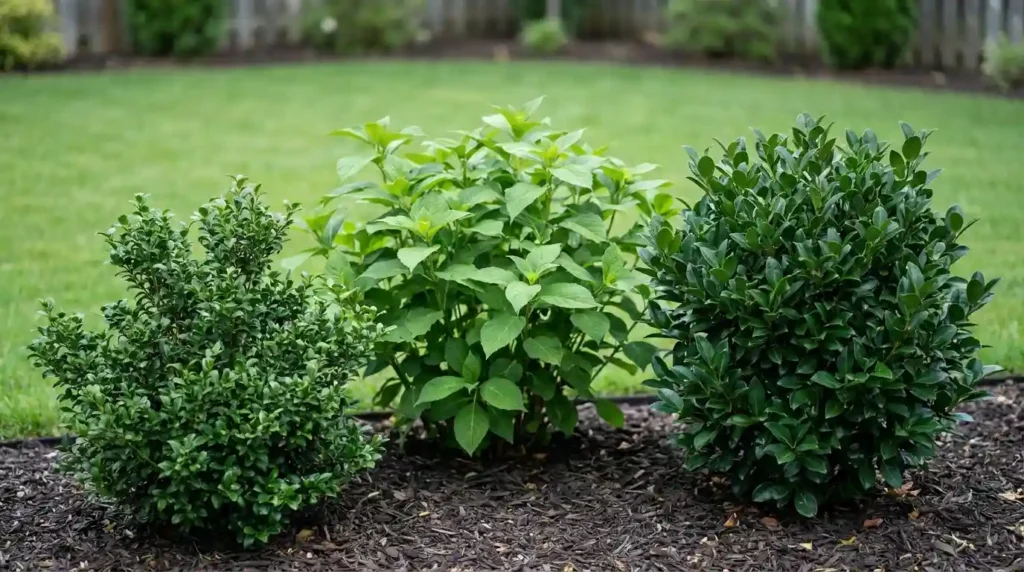
There are two main botanical varieties of Camellia sinensis, plus several cultivars used for matcha production specifically:
- Camellia sinensis var. sinensis: The original Chinese variety. Smaller leaves, more cold-hardy, and the most common choice for home gardeners in zones 7–9.
- Camellia sinensis var. assamica: The Assam variety native to India. Larger leaves and better suited for warmer, tropical climates (zones 9–11). Less cold-tolerant.
- ‘Yabukita’: Japan’s most widely grown matcha cultivar. Vigorous grower with excellent flavor; good for home harvesting.
- ‘Okumidori’: A popular Japanese cultivar prized for its sweet, mild matcha flavor and deep green color. Great for shading and ceremonial-grade matcha production.
- ‘Saemidori’: Known for producing exceptionally smooth, less bitter matcha. A bit more finicky but worth it for tea enthusiasts.
Pruning
Prune your matcha plant in late winter or early spring, just before new growth begins. Remove any dead, damaged, or crossing branches first. For plants grown for tea leaves, keep the shrub pruned to 3–4 feet tall this makes harvesting easier and encourages a flush of tender new shoots, which are the ones you actually want for matcha.
Use clean, sharp shears to make cuts just above a leaf node or outward-facing bud. After the main spring harvest in May, a light trim helps maintain shape and promotes a second flush of growth. Regular pruning also prevents the woody, open structure that reduces leaf production over time. Similar pruning principles apply to other productive garden shrubs like the dwarf cherry tree.
Propagating Matcha Plant
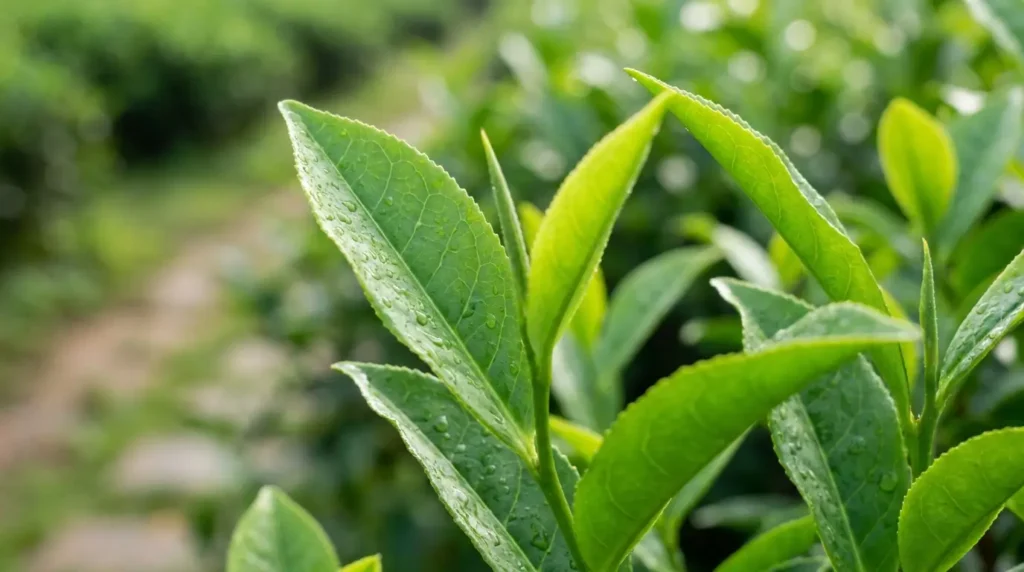
The best time to propagate the matcha plant is in late spring to early summer, when the plant is actively growing and stems are semi-hardwood.
Propagating by Stem Cuttings
Stem cuttings are the most reliable propagation method for the matcha plant and produce true-to-type plants quickly.
Materials needed:
- Sharp, sterilized pruning shears
- Rooting hormone powder or gel
- Small pots with perlite/peat mix (50/50)
- Clear plastic bag or humidity dome
Step 1: Select a healthy stem that’s 4–6 inches long with 3–4 leaves. Choose semi-hardwood growth from the current season not too soft, not too woody.
Step 2: Remove the lower two leaves, leaving only the top 1–2. Dip the cut end into rooting hormone powder, tapping off any excess.
Step 3: Insert the cutting 1–2 inches deep into the moist perlite/peat mix. Firm the soil gently around the base so the cutting stands upright.
Step 4: Cover loosely with a plastic bag to maintain humidity, and place in bright indirect light. Keep the mix moist but not soggy. Roots typically form in 6–10 weeks.
Propagating from Seeds
Growing the matcha plant from seeds is possible but slower and less predictable. Seeds need stratification store them in a damp paper towel in the fridge for 4–6 weeks before sowing.
Step 1: Sow stratified seeds in well-draining, acidic potting mix, about ½ inch deep. Step 2: Keep at 65–75°F with consistent moisture. Germination takes 4–8 weeks. Step 3: Once seedlings reach 4 inches, transplant to individual pots before moving outdoors.
Seeds sourced from a trusted supplier, like those listed through USDA Agricultural Research Service resources, give you the best germination rates.
Planting and Transplanting Matcha Plant
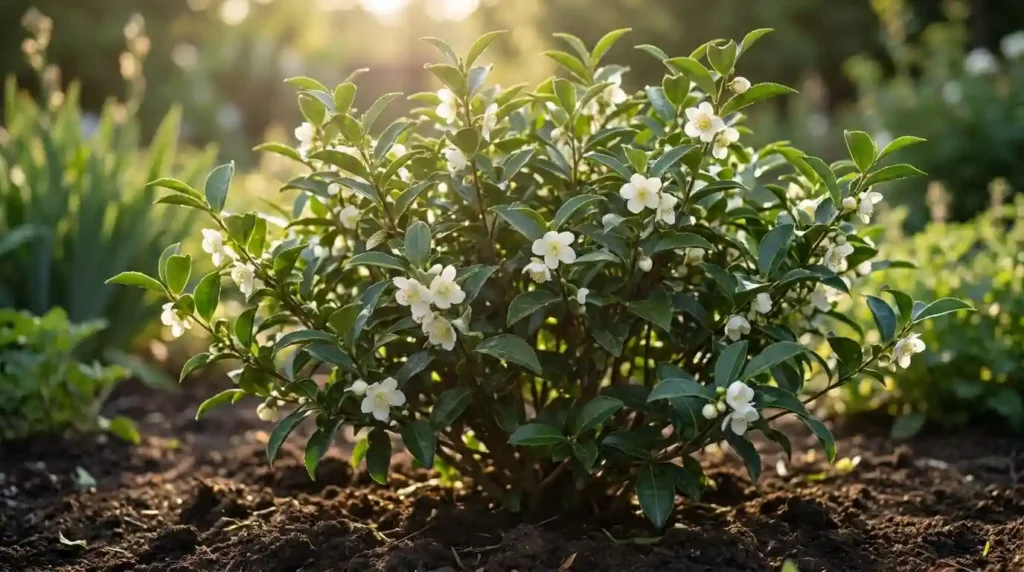
Plant your matcha plant in early spring or fall, once the risk of hard frost has passed. Space plants 5–8 feet apart for hedgerow planting or 3–4 feet apart for a more compact tea garden layout. This spacing allows good air circulation, which reduces fungal disease risk.
Dig a hole twice as wide and just as deep as the root ball. Backfill with a mix of native soil and acidic compost, then water deeply to settle the roots. Mulch around the base but keep mulch 2 inches away from the main stem to prevent crown rot. This same planting method works well for other fruit-bearing garden trees like the brown turkey fig tree.
Transplant or divide container-grown matcha plants every 2–3 years in early spring. Established in-ground shrubs generally don’t need moving, but if relocation is necessary, do it in early fall when temperatures are cooler to reduce transplant stress.
Common Pests and Diseases
Like most garden plants, the matcha plant can occasionally face pest or disease issues especially in humid conditions. Here’s what to watch for:
Aphids
Look for clusters of small soft insects on new growth and leaf undersides. Treat with a strong blast of water or neem oil spray, repeating weekly until clear.
Spider Mites
Tiny webbing on leaves is the telltale sign. Treat with insecticidal soap or a diluted neem oil solution applied every 5–7 days during dry, hot weather.
Powdery Mildew
White, powdery coating on leaves indicates poor air circulation or overhead watering. Remove affected leaves and apply a baking soda spray or copper-based fungicide.
Root Rot
Yellowing leaves and mushy stems near the base signal root rot from overwatering or poor drainage. Remove affected roots, treat with a fungicide, and replant in well-draining soil. The University of California IPM Program offers excellent guidance on managing root diseases in ornamental shrubs.
Scale Insects
Small, waxy brown bumps on stems and leaves indicate scale. Treat with horticultural oil in late spring when crawlers are active, or scrape off manually on small infestations.
Common Problems with Matcha Plant
Here’s how to troubleshoot common matcha plant issues:
Poor or No New Leaf Growth
This is the most frustrating issue for gardeners growing the matcha plant for harvest. Insufficient sunlight is the top culprit this shrub needs at least 4 hours of light daily to push healthy new shoots. Over-fertilizing with high-nitrogen feed can also suppress tender growth in favor of woody stems. Finally, improper pruning timing (pruning too late in the season) removes the buds that would have become new leaves. Move the plant to a brighter spot and prune in late winter only.
Yellow or Browning Leaves
Yellow leaves on a matcha plant usually mean one of three things: overwatering, poor soil drainage, or a nutrient deficiency most commonly iron or magnesium, both linked to soil pH being too high. Browning leaf edges typically signal underwatering or wind damage. Check soil pH first; if it’s above 6.5, amend with sulfur or acidic mulch. Also review your watering schedule and adjust drainage as needed. If you’re growing other edible shrubs like the lychee tree, similar pH management applies.
Wilting or Drooping
Wilting during summer heat is common and not always alarming. However, if wilting persists after watering, check for root rot or compacted soil restricting water uptake. Transplant shock after moving a mature shrub can also cause temporary drooping for 2–4 weeks. Water consistently, add a light mulch layer, and avoid fertilizing until the plant recovers.
Leggy or Sparse Growth
Leggy growth long, thin stems with few leaves almost always means not enough light. The matcha plant stretches toward available sunlight when conditions are too shady. Over-fertilizing with nitrogen can also push rapid, weak stem growth at the expense of leaf density. Move the plant to a brighter spot and follow up with a hard prune in late winter to encourage dense, bushy regrowth. For comparison, similar issues occur in other garden shrubs like the oxalis love plant.
Frost Damage
Blackened or mushy leaves after a cold snap are a sign of frost damage. Cut back damaged growth to healthy wood once all frost risk has passed. Mulch heavily next season, and consider wrapping young plants in frost cloth before temperatures drop below 20°F (-6°C).
FAQ
What plant is matcha from?
Matcha comes from Camellia sinensis, the same species as green, black, and oolong tea. The difference lies in how the leaves are processed and shade-grown before harvest.
Does matcha lower cortisol?
Research suggests matcha may help moderate cortisol due to L-theanine content. However, results vary by individual, and high caffeine intake can raise cortisol instead.
Why is Gen Z obsessed with matcha?
Gen Z loves matcha for its aesthetic appeal, health associations, and the calm energy it provides. It’s seen as a sophisticated, wellness-forward coffee alternative.
Can I drink matcha with hyperthyroidism?
People with hyperthyroidism should consult a doctor before drinking matcha regularly. Its caffeine and fluoride content may worsen symptoms in some individuals.
1 thought on “How to Grow and Care for Matcha Plant”
Comments are closed.