
In This Article
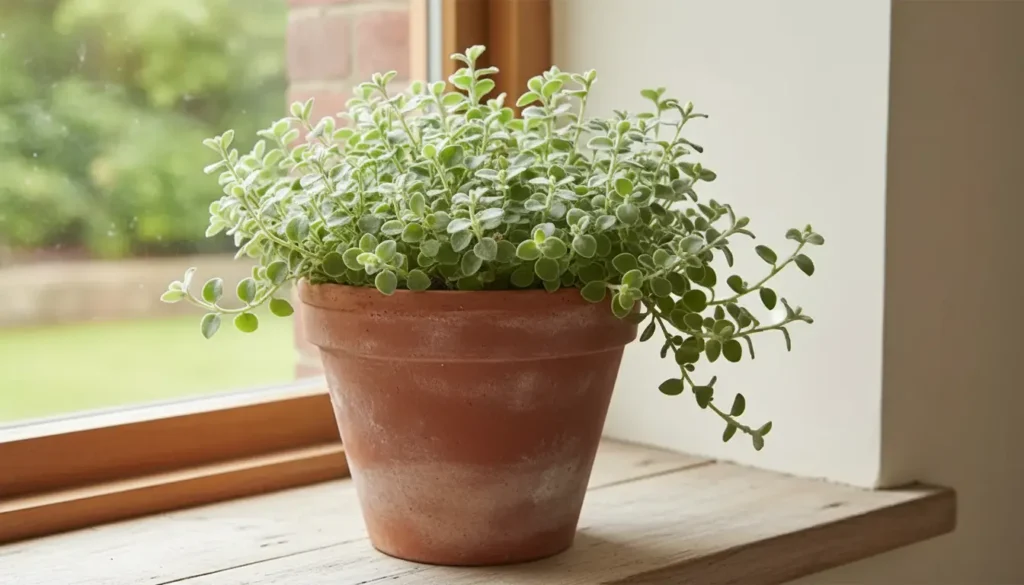
Meet the licorice plant (Helichrysum petiolare) a silvery-white trailing beauty that’s almost impossible to ignore. Those fuzzy, felt-like leaves shimmer like moonlight, making it one of the most eye-catching foliage plants you can grow. Native to South Africa, this perennial is typically grown as an annual in cooler climates. Honestly, care difficulty is on the easy side it’s beginner-friendly, forgiving, and surprisingly drought-tolerant. Whether you want a trailing container companion or a bold garden filler, the licorice plant delivers serious visual impact with minimal fuss.
Plant Care Card
| Detail | Info |
|---|---|
| Common Name | Licorice plant |
| Botanical Name | Helichrysum petiolare |
| Family | Asteraceae |
| Plant Type | Tender perennial (often grown as annual) |
| Mature Size | 1–2 ft tall × 2–4 ft wide |
| Sun Exposure | Full sun to partial shade |
| Soil Type | Well-draining, sandy or loamy |
| Soil pH | 6.0–7.0 |
| Hardiness Zones | USDA 9–11 |
| Native Area | South Africa |
| Toxicity | Non-toxic to pets and humans |
Licorice Plant Care
The licorice plant is wonderfully low-maintenance, making it a great choice for beginners and busy gardeners alike. The sections below cover everything from light and soil to watering and propagation. You’ll be surprised at how easy this plant really is!
Light
The licorice plant loves bright conditions. Full sun is ideal, giving it the best silver color and compact, bushy growth. In very hot climates, a little afternoon shade helps prevent leaf scorch.
A south- or west-facing window works well indoors. Too little light leads to leggy, stretched growth and a loss of that beautiful silvery sheen. Outdoors, aim for at least 6 hours of direct sun per day.
Soil
This plant needs fast-draining soil above all else — it absolutely hates sitting in wet, heavy ground. A sandy loam or a simple mix of 1:1 potting soil and perlite works perfectly.
Good drainage is the single biggest factor in keeping roots healthy. According to the University of Florida IFAS Extension’s guide on container soil mixes, adding coarse perlite or sand significantly reduces waterlogging risk for potted plants.
Water
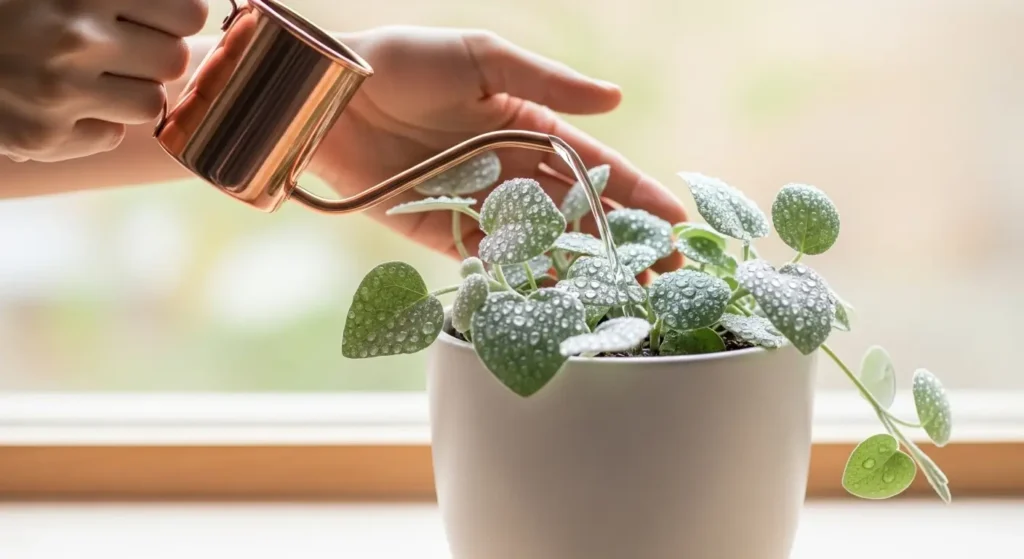
The licorice plant is drought-tolerant — great news for forgetful waterers! Water when the top 2–3 inches of soil feel dry, then water thoroughly and let excess drain freely from the pot.
In summer, that means watering roughly every 5–7 days. In cooler months, cut back to once every 10–14 days. Overwatering causes yellowing leaves and mushy stems. Underwatering shows up as wilting and crispy leaf edges.
Similar watering habits apply to the foxtail fern, another drought-tolerant plant that thrives on a “less is more” approach with water.
Temperature and Humidity
The licorice plant thrives between 60°F and 85°F (15°C–29°C). It’s not frost-hardy — temperatures below 50°F (10°C) will damage or kill it quickly.
Humidity-wise, average household levels are just fine. In fact, too much humidity can trigger fungal issues. Keep it away from drafts, cold windowsills, and air conditioning vents in summer.
Fertilizer
Feed with a balanced liquid fertilizer (10-10-10) every 3–4 weeks during spring and summer. As noted in Penn State Extension’s houseplant fertilization guide, moderate feeding during active growth supports healthy foliage without burning roots. Reduce in fall and stop completely in winter.
Types of Licorice Plant
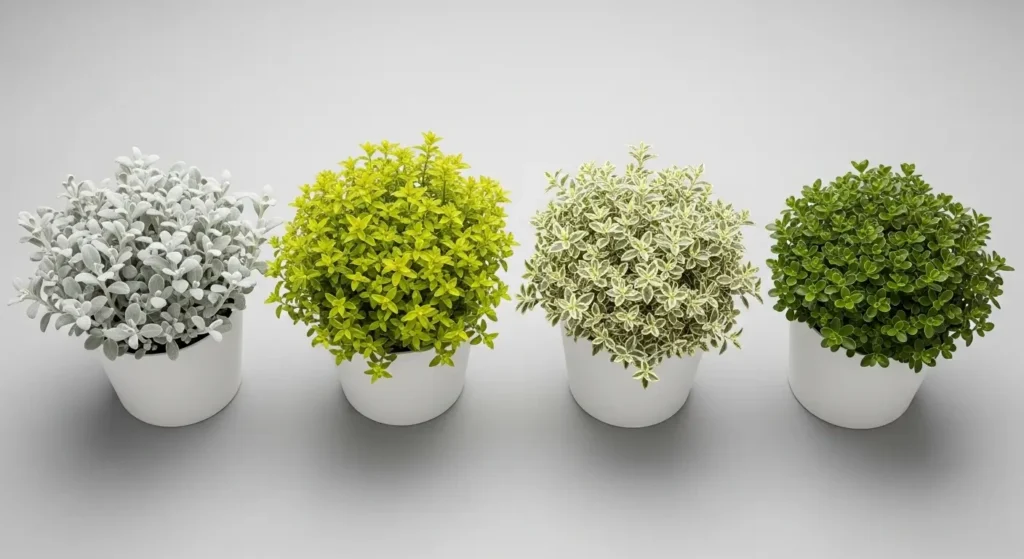
There are several fun varieties of licorice plant worth growing:
- ‘Limelight’ (Helichrysum petiolare ‘Limelight’) — chartreuse-yellow foliage instead of silver; a bold, bright contrast plant ideal for mixed containers.
- ‘Variegatum’ (Helichrysum petiolare ‘Variegatum’) — silver-green leaves with creamy white margins; more compact than the species and stunning in hanging baskets.
- ‘Roundabout’ (Helichrysum petiolare ‘Roundabout’) — very small, rounded leaves on a compact, bushy plant; great for smaller pots and border edging.
- ‘White Licorice’ (Helichrysum petiolare ‘White Licorice’) — intensely silver-white foliage; the most dramatic and luminous variety of all.
Pruning
Regular pruning keeps the licorice plant full and tidy. Trim back long, trailing stems by about one-third in late spring or midsummer to encourage bushier growth. Use clean scissors or garden shears and cut just above a leaf node.
Remove dead or yellowing leaves as you spot them. This isn’t just cosmetic — it improves airflow and reduces pest problems. Light trimming every few weeks during the growing season is all it really takes.
Propagating Licorice Plant
Spring and summer are the best times to propagate the licorice plant. It roots quickly and easily, making it one of the most rewarding plants to multiply.
Propagating by Stem Cuttings
Stem cuttings are the most reliable method for the licorice plant. You’ll have well-rooted new plants in just a few weeks.
Materials needed:
- Sharp, clean scissors or pruning shears
- Small pot with well-draining potting mix
- Rooting hormone powder (optional but helpful)
- Plastic bag or small humidity dome
Steps:
Step 1: Select a healthy, non-flowering stem that’s 3–4 inches long. Cut cleanly just below a leaf node using sterilized scissors.
Step 2: Strip the lower leaves, leaving 2–3 leaves at the tip only. Dip the cut end lightly in rooting hormone powder if available.
Step 3: Push the cutting about 1–1.5 inches deep into moist, well-draining potting mix. Firm the soil gently around the stem to hold it upright.
Step 4: Cover loosely with a plastic bag to maintain humidity. Place in bright, indirect light avoid direct sun at this stage. Roots typically develop in 2–4 weeks.
This same easy propagation method works beautifully for the ruda plant, another shrubby, herb-like plant that strikes from cuttings with minimal effort.
Propagating by Division
Division is a great option for mature, established licorice plants. Carefully remove the plant from its pot, then gently tease the root ball apart into 2–3 sections each with healthy roots and several stems. Replant each section in fresh potting mix and water lightly. Early spring, just before the growing season kicks off, is the ideal time to divide.
Potting and Repotting Licorice Plant
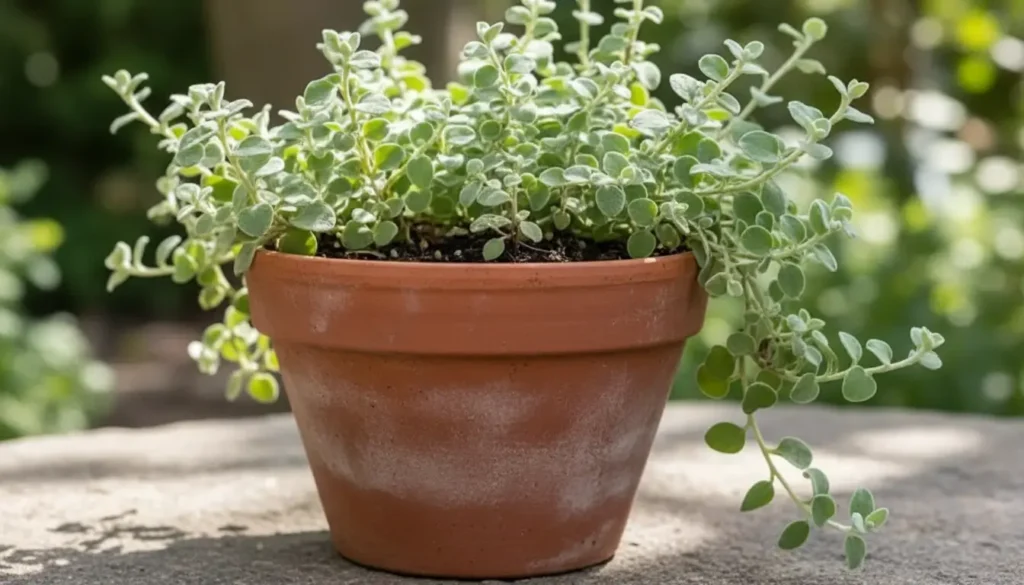
The licorice plant doesn’t need frequent repotting. Every 1–2 years is plenty, or whenever you notice roots circling the drainage holes or poking through the bottom.
Choose a new pot 1–2 inches larger than the current one, and always make sure it has drainage holes. Terracotta pots are a great choice because they breathe and dry out faster than plastic.
To repot, gently loosen the root ball, add fresh potting mix, and plant at the same depth as before. Water lightly and keep it out of harsh sun for a few days while it settles in.
Common Pests and Diseases
Like most houseplants, the licorice plant can occasionally attract pests, especially during warm or humid conditions.
Spider Mites
Look for fine webbing under leaves and a dull, stippled leaf surface. Treat with neem oil spray or a strong blast of water to knock them off.
Mealybugs
White, cottony clusters near leaf joints are the giveaway. Wipe away with a cotton swab dipped in rubbing alcohol, or apply insecticidal soap.
Scale Insects
Small brown bumps stuck to stems are the tell-tale sign. Scrape off manually and follow up with horticultural oil or neem oil spray.
Aphids
Look for clusters of tiny soft insects on new growth causing distorted, curled leaves. Remove with a strong water spray or treat with insecticidal soap.
Fungus Gnats
Tiny flies hovering near the soil almost always mean overwatering. According to the UC Davis Integrated Pest Management Program, letting soil dry out between waterings is the most effective first step in controlling fungus gnats indoors.
Common Problems with Licorice Plant
Here’s how to troubleshoot common issues:
Yellow Leaves
Yellow leaves are the most common complaint with the licorice plant. Overwatering is the top cause check the soil and hold off watering until the top few inches are dry. A nutrient deficiency can also cause all-over yellowing, especially in plants that haven’t been fed in months; try a diluted balanced fertilizer. Finally, a few older lower leaves going yellow is completely normal aging and nothing to worry about. Just like with the dianthus plant, watering issues are almost always the first thing to check when you spot yellowing.
Brown Leaves or Brown Leaf Tips
Brown tips usually point to low humidity or dry air from nearby heating vents. Move the plant away from direct heat sources. Tap water quality can also be a factor fluoride and chlorine sometimes cause tip burn over time; switch to filtered or rainwater if browning keeps happening. More widespread browning with crispy edges usually signals underwatering.
Drooping or Wilting Leaves
Wilting nearly always comes down to watering either too much or too little. Check the soil: soggy = overwatered, bone dry = thirsty. A thorough watering can revive an underwatered plant within just a few hours. The nerve plant shows very similar drooping symptoms when watering goes off schedule, so the fixes are the same.
Leggy Growth or Sparse Foliage
Leggy, stretched stems are a clear signal of not enough light. Move the plant to a sunnier spot right away. Prune back the long stems at the same time this triggers fresh, compact new growth from lower on the plant.
FAQ
Is the licorice plant edible?
Despite the name, it is not related to culinary licorice. The leaves smell slightly sweet but are not intended for consumption.
What is licorice plant good for?
The licorice plant is widely used as a trailing ornamental in mixed containers and hanging baskets, prized for its striking silver foliage.
Do licorice plants like sun or shade?
The licorice plant strongly prefers full sun. It tolerates partial shade but produces more vivid, compact growth in bright direct sunlight.
Can you grow licorice in the US?
Yes, the licorice plant grows well across the US as an annual or as a perennial in USDA zones 9–11, especially in warm, sunny regions.
1 thought on “How to Grow and Care for Licorice Plant”
Comments are closed.