
In This Article
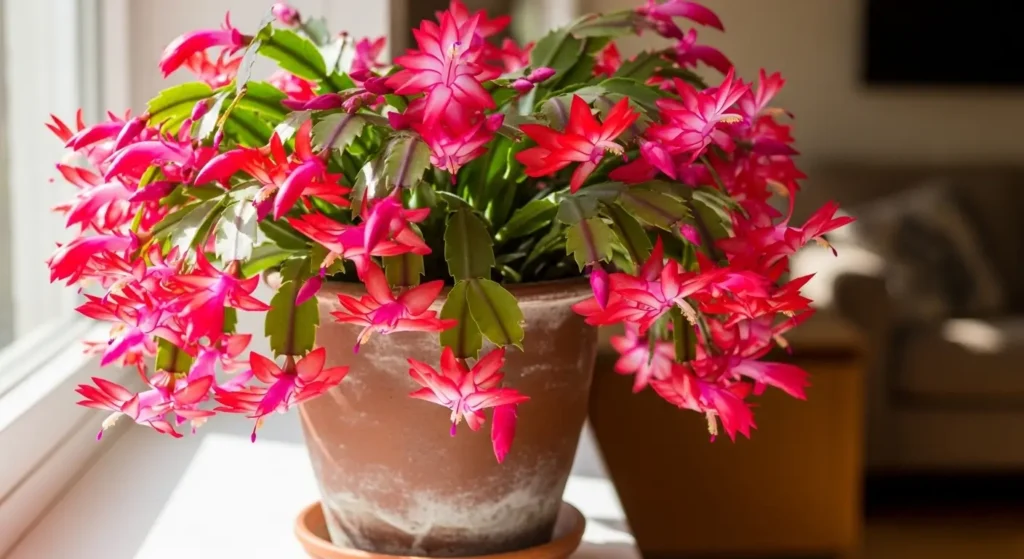
Zygocactus Plants (Schlumbergera truncata), also called Thanksgiving cactus or holiday cactus, dazzles with vivid pink, red, orange, and white blooms. Native to Brazil’s coastal forests, these epiphytic indoor plants love humidity and indirect light making them one of the most rewarding, beginner-friendly houseplants you can grow.
Plant Care Card
| Feature | Details |
|---|---|
| Common Name | Zygocactus, Thanksgiving Cactus, Holiday Cactus |
| Botanical Name | Schlumbergera truncata |
| Family | Cactaceae |
| Plant Type | Tropical perennial epiphyte |
| Mature Size | 12–24 inches tall, 24 inches wide |
| Sun Exposure | Bright indirect light |
| Soil Type | Well-draining, lightweight potting mix |
| Soil pH | 5.5–6.2 |
| Hardiness Zones | USDA Zones 10–12 (indoors elsewhere) |
| Native Area | Southeastern Brazil |
| Toxicity | Non-toxic to cats and dogs |
Zygocactus Plants Care
Zygocactus plants are wonderfully easy to care for once you understand their tropical (not desert) roots. The sections below cover everything from light and soil to watering and fertilizing. You’ve got this these plants are far more forgiving than their “cactus” label suggests!
Light
Zygocactus plants thrive in bright, indirect light ideally a few feet from an east- or west-facing window. Direct afternoon sun scorches their stems, while too little light causes weak, stretched growth and poor blooming. An east-facing window is the sweet spot for most homes.
Soil
Zygocactus plants need lightweight, fast-draining soil soggy roots are their biggest enemy. Blend 2 parts cactus mix with 1 part perlite for ideal drainage. According to the University of Maryland Extension, a good mix balances root aeration with moisture retention. Aim for a pH of 5.5–6.2.
Water
Watering trips up most growers zygocactus plants need consistent moisture, not desert-dry conditions. Water thoroughly when the top 1–2 inches feel dry, then drain fully. Inconsistent watering is the top cause of bud drop. In winter, reduce watering to trigger the next bloom cycle. Similar care applies to the Calandiva plant.
Temperature and Humidity
Zygocactus plants prefer temperatures between 60–70°F (15–21°C). They can handle brief dips to 50°F but avoid cold drafts, heating vents, and air conditioning sudden temperature swings cause bud drop almost overnight.
Humidity is important for these forest natives. Aim for 50–60% relative humidity when possible. Most homes are fine, but dry winter air can cause issues. A pebble tray with water or a nearby humidifier helps a lot during heating season.
Fertilizer
Feed your zygocactus plants with a balanced liquid fertilizer (20-20-20) diluted to half strength every 2–4 weeks during spring and summer. Stop fertilizing in late summer to help trigger the bloom cycle, and skip it entirely in fall and winter. As University of Maryland Extension notes, indoor plants don’t need fertilizer in winter months because reduced light and temperature result in reduced growth. Over-fertilizing can burn roots and reduce flowering.
Types of Zygocactus Plants
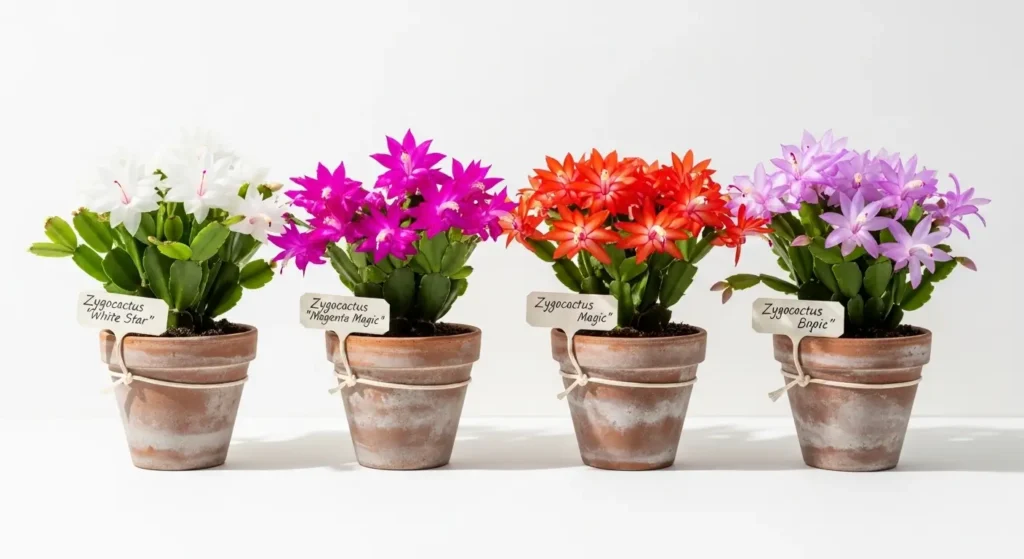
There are several popular varieties of zygocactus plants worth knowing:
- ‘White Christmas’ (Schlumbergera truncata ‘White Christmas’) — Pure white, ruffled blooms that look stunning against dark green stems. One of the most popular holiday varieties.
- ‘Thor Alise’ — Deep magenta-pink flowers with a contrasting white center. Exceptionally reliable bloomer and widely available at garden centers.
- ‘Orion’ — Bright orange-red flowers that bloom heavily. A great choice for adding bold color to winter windowsills.
- ‘Caribbean Dancer’ — Coral-orange blooms with a lovely ruffled texture. Very vigorous grower and excellent for hanging baskets.
- ‘Madisto’ — Soft lavender-purple flowers, which is a rarer color for this plant family. A must-have for collectors.
Pruning
Light pruning after flowering keeps your zygocactus plants bushy and encourages more blooms next season. Simply pinch or twist off 1–2 stem segments at the joints no cutting tool needed for small trims. This encourages branching, which means more flowering tips come bloom time.
Remove any dead, shriveled, or discolored segments throughout the year as needed. Clean hands work fine, but sterilize scissors with rubbing alcohol if you’re cutting larger sections.
Propagating Zygocactus Plants
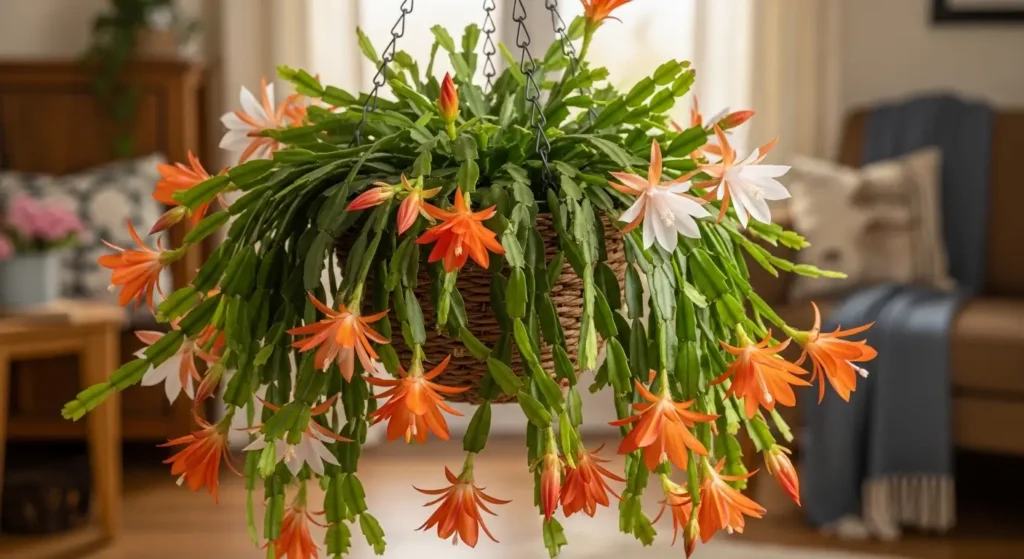
The best time to propagate zygocactus plants is in late spring or early summer, after flowering has finished and the plant enters active growth.
Propagating by Stem Cuttings
Stem cuttings are by far the easiest and most reliable method for propagating zygocactus plants. You’ll get new plants in just a few weeks!
Materials needed:
- Sharp, clean scissors or a knife
- Small pots (3–4 inches)
- Cactus/perlite mix
- Optional: rooting hormone powder
Steps:
Step 1: Twist off a healthy stem segment that includes 2–3 connected sections from the tip of a mature stem. Set it on a dry surface for 24 hours to let the cut end callous over slightly.
Step 2: Fill small pots with a lightly moistened mix of cactus soil and perlite. Push the cut end about 1 inch deep into the mix, making sure it stands upright. You can dip it in rooting hormone first for faster results.
Step 3: Place the pot in a warm spot with bright indirect light. Keep the soil barely moist not wet for the first few weeks while roots develop. Avoid direct sun, which will stress the cutting.
Step 4: After 3–4 weeks, gently tug the cutting. If it resists, roots have formed. Begin watering normally and treat it like a mature zygocactus plant.
Expect visible new growth within 6–8 weeks. This propagation method works equally well for the goldfish plant, another tropical houseplant that roots readily from tip cuttings in similar conditions.
Propagating by Division
If your zygocactus plant has grown into a large, multi-stemmed clump, division at repotting time is simple. Gently separate the root ball into 2–3 sections, each with several healthy stems. Pot each section in fresh, well-draining mix and water lightly. Recovery is fast, usually within 2–3 weeks.
Potting and Repotting Zygocactus Plants
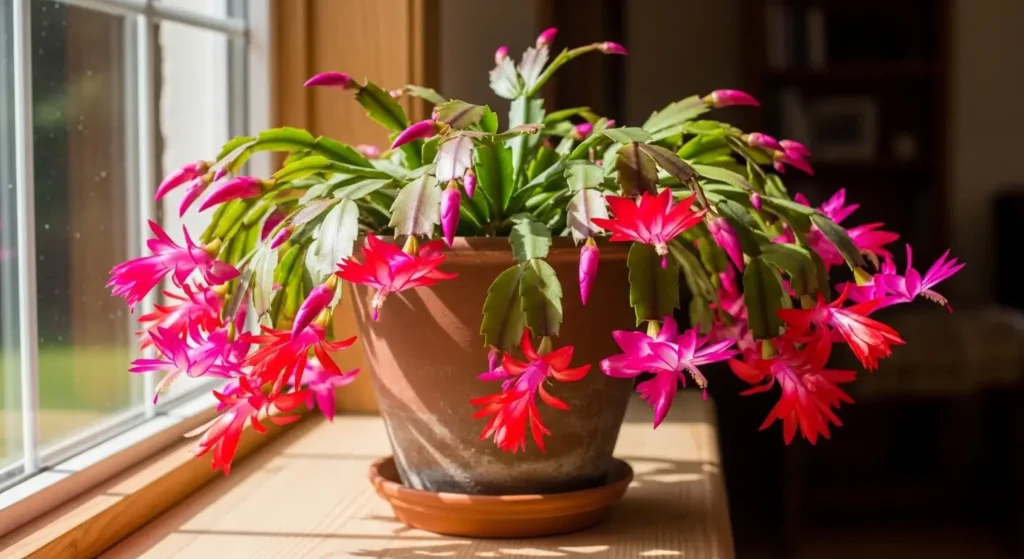
Repot your zygocactus plant every 2–3 years or when you see roots creeping out of the drainage holes. These plants actually bloom better when slightly root-bound, so don’t rush to size up too soon.
When repotting, choose a pot just 1–2 inches larger in diameter. Terracotta pots are great because they let excess moisture evaporate. Make sure the new pot has good drainage holes non-draining pots are a recipe for root rot.
Spring, right after blooming, is the ideal time to repot. Gently loosen the root ball, remove any dead roots, and settle into fresh potting mix. Water lightly and wait a week before resuming normal care.
Common Pests and Diseases
Like most houseplants, zygocactus plants can occasionally attract pests, especially when stressed by poor care conditions. According to University of Minnesota Extension’s guide on managing insects on indoor plants, inspecting your houseplants weekly is the best way to catch infestations early before they spread.
Spider Mites
Look for fine webbing and tiny specks on the stems. Treat with neem oil spray or rinse the plant under a steady stream of lukewarm water to knock them off.
Mealybugs
White, cottony clusters appear in stem joints and crevices. Dab with a cotton swab dipped in rubbing alcohol or spray with insecticidal soap to clear them out.
Scale Insects
Brown, shell-like bumps cling to stems and are easy to miss. Scrape off with a soft toothbrush, then follow up with a neem oil treatment applied weekly.
Aphids
Tiny green or black insects cluster near new growth. A strong water spray removes most of them. For persistent infestations, apply insecticidal soap every 5–7 days.
Fungus Gnats
Small flies hovering around the soil indicate overwatering. Let the soil dry out more between waterings and use yellow sticky traps to reduce adult populations quickly.
Common Problems with Zygocactus Plants
Here’s how to troubleshoot common issues:
Yellow Leaves / Yellowing Stems
Yellowing is one of the most common complaints with zygocactus plants. Overwatering is the top cause soggy soil suffocates roots, cutting off nutrient flow. Nutrient deficiency (especially nitrogen) can cause pale, yellowing segments in actively growing plants. Natural aging of older basal segments is also normal. Fix overwatering by letting soil dry out and improving drainage. Add a balanced fertilizer for nutrient issues. Similar yellowing patterns can appear on arrowhead plants when care conditions are off.
Brown Leaf Tips / Brown Segments
Brown, crispy tips usually point to low humidity dry indoor air during winter is the main culprit. Water quality matters too; fluoride and salt buildup from tap water causes tip burn over time. Switch to filtered or rainwater if this is a recurring issue. Underwatering can also cause wrinkling and browning. Bump up humidity with a pebble tray and flush the soil occasionally to clear mineral buildup.
Drooping or Wilting Stems
Drooping stems send mixed signals it can be overwatering or underwatering. Check the soil immediately. Soggy soil with yellowing means overwatering; bone-dry soil with shriveled segments means it’s thirsty. Root rot from chronic overwatering causes soft, collapsed stems repot with fresh mix if this is the case. A quick water usually perks up drought-stressed plants within hours. The dumb cane plant shows similar dramatic drooping when its watering needs aren’t met.
Leggy Growth / Sparse Foliage
Long, weak, widely-spaced stem segments are a clear sign of insufficient light. Move the plant to a brighter location closer to an east or west window. After improving light, pinch back a few stem tips to encourage branching and denser growth going forward. The nerve plant faces the same leggy-growth issue in low light conditions.
FAQ
How long do Zygocactus flowers last?
Individual blooms last about 7–10 days. With proper cool temperatures and consistent moisture, the full flowering display can last 4–6 weeks.
Do Zygocactus need full sun?
No. Zygocactus plants prefer bright indirect light. Direct full sun will scorch stems and reduce flowering significantly.
What is the difference between a Christmas cactus and a Zygocactus?
Zygocactus has pointed, toothed stem segments and blooms in November. Christmas cactus has rounded, scalloped segments and blooms in December.
What are common Zygocactus problems?
The most common zygocactus problems include bud drop from temperature changes, yellowing from overwatering, and brown tips caused by low humidity.