
In This Article
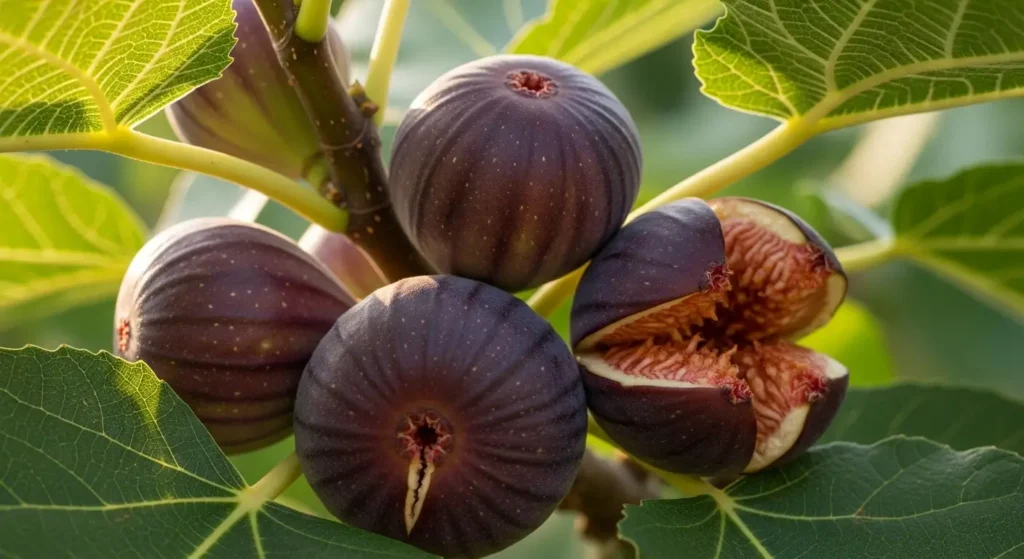
The brown turkey fig tree (Ficus carica ‘Brown Turkey’) is a rewarding, cold-hardy fruit tree thriving in USDA zones 6–9. Native to the Mediterranean, it produces large, copper-skinned figs with sweet, pinkish-red flesh. Moderately easy to care for, it adapts well to varied climates and rewards basic attention with abundant fruit.
Plant Care Card
| Field | Details |
|---|---|
| Common Name | Brown Turkey Fig Tree |
| Botanical Name | Ficus carica ‘Brown Turkey’ |
| Family | Moraceae |
| Plant Type | Deciduous fruit tree or large shrub |
| Mature Size | 10–30 ft tall × 10–20 ft wide |
| Sun Exposure | Full sun |
| Soil Type | Well-draining, loamy or sandy |
| Soil pH | 6.0–6.5 (slightly acidic) |
| Hardiness Zones | USDA 6–9 |
| Native Area | Mediterranean, western Asia |
| Bloom Time | Spring (fruit ripens summer to fall) |
| Toxicity | Mildly toxic to pets; sap can irritate skin |
Brown Turkey Fig Tree Care
The brown turkey fig tree is surprisingly low-maintenance once it settles in but it does have clear preferences. Here’s what you need to know about sun, soil, water, pruning, and feeding. With the right placement, this tree practically takes care of itself.
Light
The brown turkey fig tree thrives in full sun, needing 6–8 hours daily for the best fruit production and sweetest figs. Plant in a south- or west-facing spot. Insufficient light causes leggy growth and poor fruit set. According to University of Florida IFAS Extension, full sun is the top factor for high fig yields.
Soil
The brown turkey fig thrives in well-draining, loamy to sandy soil with a pH of 6.0–6.5. Waterlogged ground causes root rot, so good drainage is essential. For heavy clay soil, mix in coarse sand and compost a 2:1 native soil to perlite ratio improves drainage and prevents compaction.
Water
Water your brown turkey fig deeply once a week during the growing season, letting the top 2 inches dry between waterings. In summer, water twice weekly for young trees. Reduce watering significantly in fall and winter. Yellowing leaves signal overwatering; curling edges and fruit drop indicate underwatering.
Temperature and Humidity
The brown turkey fig tolerates temperatures as low as 10–15°F (-12 to -9°C) when dormant, performing best between 65–85°F in summer. In zones 6–7, mulch heavily and wrap the trunk with burlap during cold spells. It handles both dry and moderately humid conditions without issue.
Fertilizer
Feed your brown turkey fig tree with a balanced, slow-release fertilizer (like 10-10-10) once in early spring and again in early summer. Avoid over-fertilizing with high-nitrogen products, which push leafy growth at the expense of fruit. Stop feeding entirely by late summer to let the tree harden off before winter.
Types of Brown Turkey Fig Trees
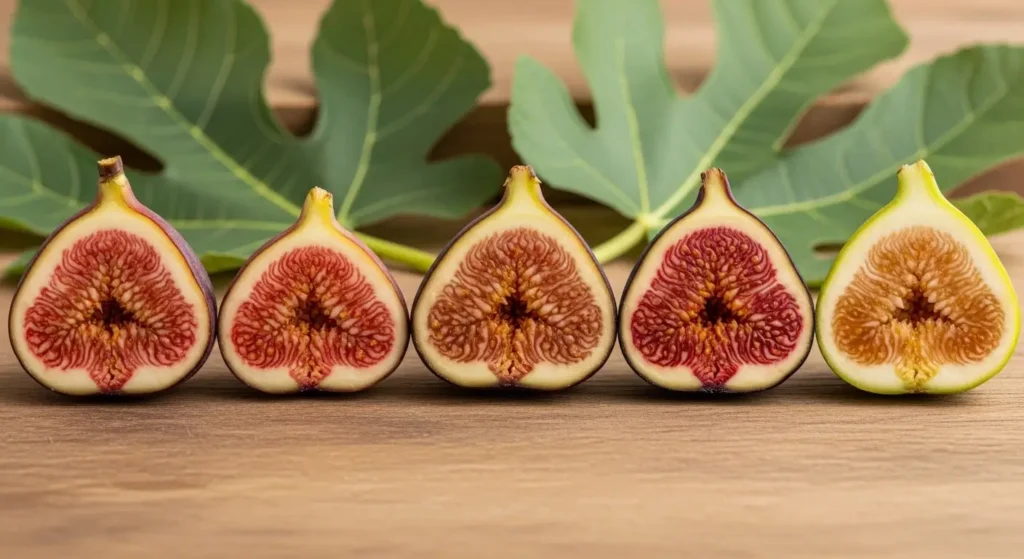
The brown turkey fig is itself a cultivar of Ficus carica, but several closely related varieties are worth knowing about:
- ‘Brown Turkey’ – The classic cultivar with copper-bronze skin and sweet pink flesh; one of the most widely grown figs in the US.
- ‘Celeste’ – Smaller, violet-brown figs with exceptional sweetness; also cold-hardy and a great option for zones 6–9.
- ‘Chicago Hardy’ – Excellent cold tolerance down to zone 5; produces smaller brown-purple figs with similar flavor.
- ‘Black Mission’ – Dark purple-black skin with rich, jammy flesh; best in warmer climates (zones 8–10).
- ‘Kadota’ – Green-yellow skin with amber flesh; preferred for drying and canning; thrives in hot, dry climates.
Pruning
Prune your brown turkey fig tree in late winter or early spring, just before new growth begins. This is the ideal time because the tree is dormant and you can clearly see its full structure. Remove any dead, damaged, or crossing branches first, then thin out crowded interior growth to improve airflow.
For ongoing maintenance, lightly prune after the first harvest to encourage a second crop. Use clean, sharp pruners or loppers for smaller branches, and a pruning saw for larger limbs. Regular pruning keeps the tree at a manageable size, improves light penetration, and significantly increases fruit production year after year.
Propagating Brown Turkey Fig Tree
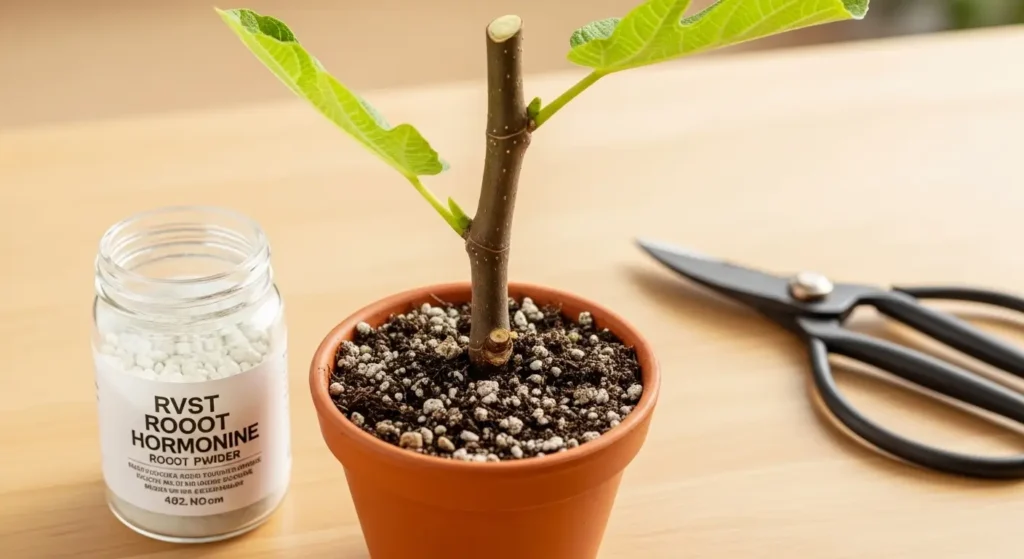
The best time to propagate a brown turkey fig tree is in late winter to early spring, when the tree is just coming out of dormancy. Stem cuttings are by far the easiest and most reliable method for home gardeners.
Propagating by Stem Cuttings
Stem cuttings are the go-to method for propagating brown turkey fig trees, with very high success rates even for complete beginners.
Materials needed:
- Sharp, clean pruning shears
- Rooting hormone powder (optional but helpful)
- 4–6 inch nursery pots
- Well-draining potting mix (50% perlite + 50% potting soil)
Steps:
Step 1: Select a healthy, pencil-thick stem from last season’s growth. Cut a 6–8 inch section just below a leaf node, making sure it has at least 2–3 nodes on the cutting.
Step 2: Remove leaves from the lower two-thirds of the cutting. Dip the cut end in rooting hormone powder to speed up root development on your brown turkey fig tree cutting.
Step 3: Push the cutting about 2–3 inches deep into your potting mix. Water thoroughly and place the pot in a warm spot with bright, indirect light.
Step 4: Keep the soil consistently moist (not soggy) and mist the cutting every few days. Roots typically develop within 4–8 weeks. Tug gently resistance means roots have formed and your new fig is ready to grow.
Propagating by Division
In early spring, divide established brown turkey fig trees by exposing base suckers with their own roots. Cut cleanly with a spade and transplant to a bed or container. Keep moist and shaded for the first week. Similar techniques apply to the loquat tree.
Planting and Transplanting Brown Turkey Fig Tree
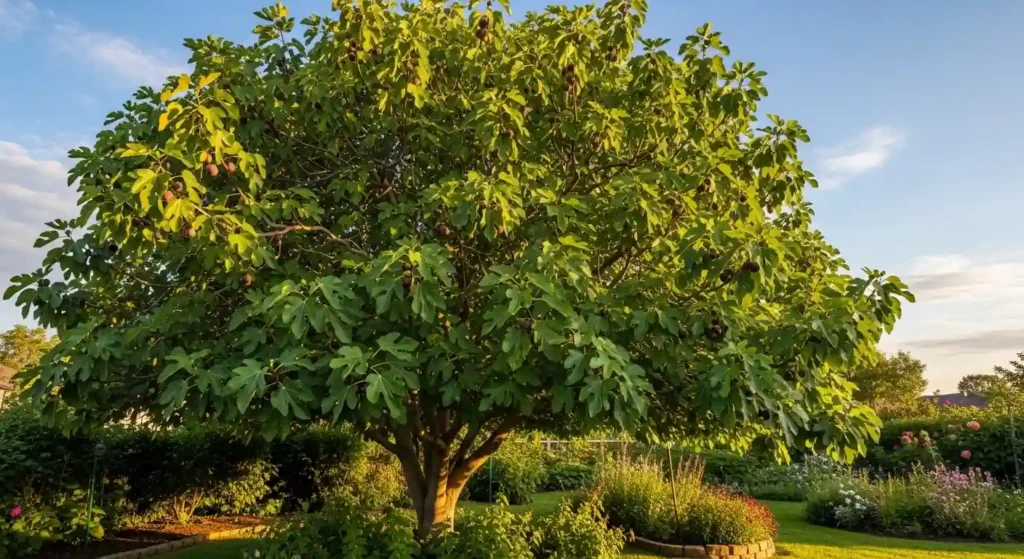
Plant your brown turkey fig tree in early spring after the last frost, or in fall at least six weeks before the first expected freeze. Space multiple trees 15–20 feet apart to allow for full mature spread and good air circulation between canopies.
Dig a hole twice as wide as the root ball and just as deep. Set the tree at the same depth it was growing in its nursery container planting too deep invites trunk rot. Backfill with your amended soil, water deeply, and apply a 3–4 inch layer of mulch around the base to retain moisture and regulate soil temperature. The USDA National Agroforestry Center recommends this planting depth rule for all deciduous fruit trees.
For transplanting established trees, do so in late winter while the tree is still fully dormant. Minimize root disturbance and water thoroughly for the first several weeks after moving.
Common Pests and Diseases
Like most garden plants, the brown turkey fig tree can occasionally face pest or disease challenges. Catching these issues early makes treatment much easier and less disruptive.
Aphids
Look for clusters of tiny green or black insects on new growth, along with sticky residue. Treat with a strong blast of water or neem oil spray.
Spider Mites
Check for fine webbing on leaf undersides and a dusty, stippled appearance on foliage. Spray with insecticidal soap or diluted neem oil.
Powdery Mildew
White, powdery patches on leaves signal this fungal disease, usually appearing in humid, low-airflow conditions. Treat with a baking soda spray or sulfur-based fungicide. Other fruit trees like the Bartlett pear tree face similar fungal issues and respond to the same treatments.
Root Rot
Yellowing leaves and dark, mushy roots indicate overwatering damage. Improve drainage immediately and reduce watering frequency to allow roots to recover.
Fig Beetles
Large green beetles feed on ripe and split figs. Harvest figs promptly when ripe and use fine mesh netting to protect developing fruit.
Common Problems with Brown Turkey Fig Tree
Here’s how to troubleshoot common brown turkey fig tree issues:
Poor or No Fruit Production
Poor fruit production usually stems from insufficient sunlight (under 6 hours), excess nitrogen fertilizer, or summer pruning that removes fruiting wood. Fix it by moving the tree to a sunnier spot, switching to low-nitrogen fertilizer, and pruning only in late winter.
Yellow or Browning Leaves
Yellowing leaves typically signal overwatering, poor drainage, or nitrogen and magnesium deficiency. Let soil dry between waterings and apply balanced fertilizer to resolve nutrient issues. Natural fall leaf drop is normal for this deciduous tree. Our Eureka lemon tree care guide covers similar overlapping nutrient issues.
Wilting or Drooping Leaves
Sudden wilting usually signals underwatering check soil moisture immediately and water deeply. Transplant shock is another common cause for recently moved trees; keep soil consistently moist for the first month after planting. During peak summer heat, brief afternoon wilting is normal and the tree will recover once temperatures drop in the evening.
Leggy or Sparse Growth
Long, thin branches with sparse leaves typically mean insufficient light is reaching your brown turkey fig tree. Reposition the tree or thin out surrounding plants to open up sun exposure. Excessive nitrogen fertilizer also produces rapid, weak, leggy growth at the expense of fruiting. Pull back on feeding and prune in late winter to encourage a more compact, productive form. For comparison, similar light and spacing considerations apply when growing the Anna apple tree.
Frost Damage
Blackened or mushy shoot tips after a cold snap indicate frost damage. Don’t rush to prune wait until spring when you can clearly see where healthy new growth begins. Mulch heavily around the base and use frost cloth for protection in zones 6–7. According to the USDA Plant Hardiness Zone Map, knowing your exact zone is the first step toward preventing frost damage before it happens. Gardeners growing the cara-cara orange tree in borderline zones face similar winter protection decisions.
FAQ
How big does a brown turkey fig tree get?
Brown turkey fig trees typically reach 10–30 feet tall with a 10–20 foot spread at maturity, though regular pruning easily keeps them much more compact and manageable.
How long does it take for a brown turkey fig tree to bear fruit?
Most brown turkey fig trees begin producing fruit within 1–3 years of planting, with younger container-grown trees often fruiting in their very first season.
Where is the best place to plant a brown turkey fig tree?
Plant in full sun with well-draining soil, ideally against a south-facing wall that reflects warmth, extends the growing season, and shields from cold winds.
Is brown turkey a good fig?
Absolutely brown turkey is considered one of the best all-purpose figs for home gardens, prized for its sweet flavor, reliable heavy crops, and exceptional cold hardiness.