
In This Article
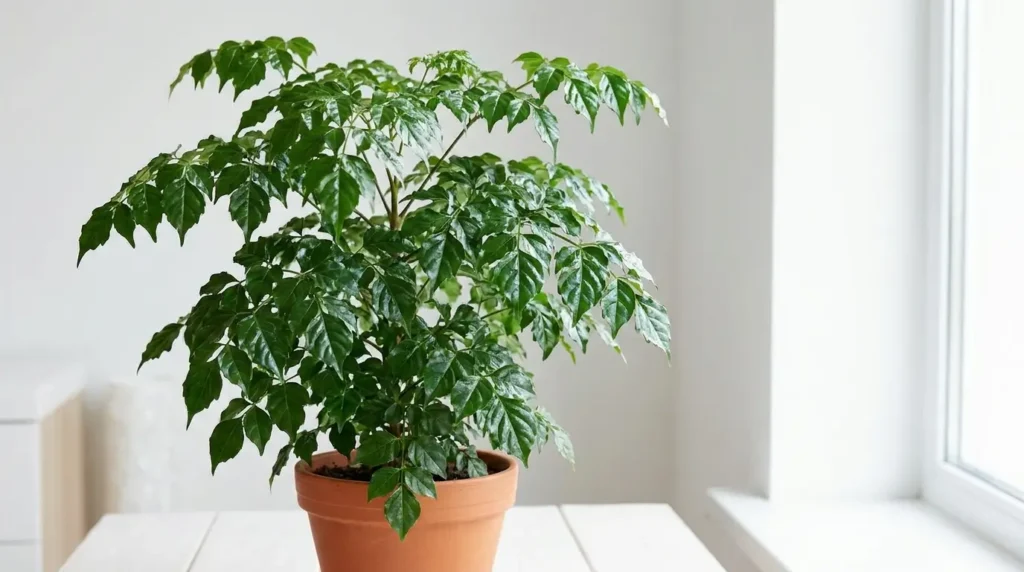
If you’re looking for a stunning indoor tree that makes a real statement, the china doll plant (Radermachera sinica) is worth every bit of attention. Known for its glossy, finely divided leaflets that almost look lacy, this tropical beauty hails from the subtropical mountain regions of China and Taiwan. Honestly, it’s one of those plants that makes your living room look like a botanical garden without much fuss.
The china doll plant is generally considered moderate in care difficulty. It’s not a total beginner plant, but it’s far from impossible. Give it the right conditions and it rewards you with fast, lush growth that’s hard to beat.
Plant Care Card
| Detail | Info |
|---|---|
| Common Name | China Doll Plant, Emerald Tree |
| Botanical Name | Radermachera sinica |
| Family | Bignoniaceae |
| Plant Type | Tropical perennial, grown as houseplant |
| Mature Size | 4–6 ft tall indoors (up to 30 ft outdoors) |
| Sun Exposure | Bright indirect light |
| Soil Type | Well-draining, fertile potting mix |
| Soil pH | 6.0–7.0 |
| Hardiness Zones | USDA 10–12 |
| Native Area | China, Taiwan |
| Toxicity | Non-toxic to humans and pets |
China Doll Plant Care
The china doll plant thrives with consistent attention to its light, water, and humidity needs. The sections below cover everything you need from soil to propagation so you’ll know exactly what to do. You’ve got this!
Light
The china doll plant loves bright, indirect light think a spot near a south or east-facing window where it gets plenty of brightness without harsh direct rays. Direct sun can scorch those delicate leaflets pretty quickly.
Too little light is actually the bigger problem indoors. Without enough light, the plant gets leggy and drops leaves like crazy. A north-facing window alone usually won’t cut it. If your space is dim, a grow light works great as a supplement. Aim for at least 6 hours of bright ambient light daily.
Soil
The china doll plant needs well-draining, fertile potting mix that holds some moisture but never stays soggy. A standard indoor potting mix works well just add a handful of perlite for extra drainage.
A simple DIY mix: 2 parts potting soil : 1 part perlite. This keeps roots happy and prevents the dreaded root rot. According to University of Minnesota Extension’s guide on indoor plant soil, good drainage is one of the most critical factors for healthy indoor plants. Avoid heavy, dense soils or garden soil altogether.
Water
Watering the china doll plant correctly makes a huge difference. Let the top 2 inches of soil dry out between waterings, then water thoroughly until it drains from the bottom. Empty the saucer after about 30 minutes never let it sit in standing water.
In spring and summer, you’ll likely water every 5–7 days. In fall and winter, cut back to every 10–14 days. The plant is surprisingly sensitive to both overwatering and drought. Overwatering leads to yellow leaves and root rot; underwatering causes rapid leaf drop.
Similar watering needs apply to the oxalis love plant, another houseplant that hates sitting in soggy soil between drinks.
Temperature and Humidity
The china doll plant prefers temperatures between 65°F and 75°F (18°C–24°C). It doesn’t tolerate cold drafts, air conditioning vents, or sudden temperature swings these cause rapid leaf drop, which can be alarming.
Humidity-wise, this tropical plant does best at 50% or higher. Most homes run drier than that, especially in winter. A small humidifier nearby or regular misting helps a lot. Keep it away from heating vents and cold windows in winter.
Fertilizer
Feed the china doll plant with a balanced liquid fertilizer (10-10-10) every 3–4 weeks during spring and summer. Reduce feeding to once a month in fall, and stop completely in winter when growth slows. Over-fertilizing can burn roots, so always dilute to half strength. As Penn State Extension advises on houseplant fertilization, feeding during the active growing season is key to healthy foliage.
Propagating China Doll Plant
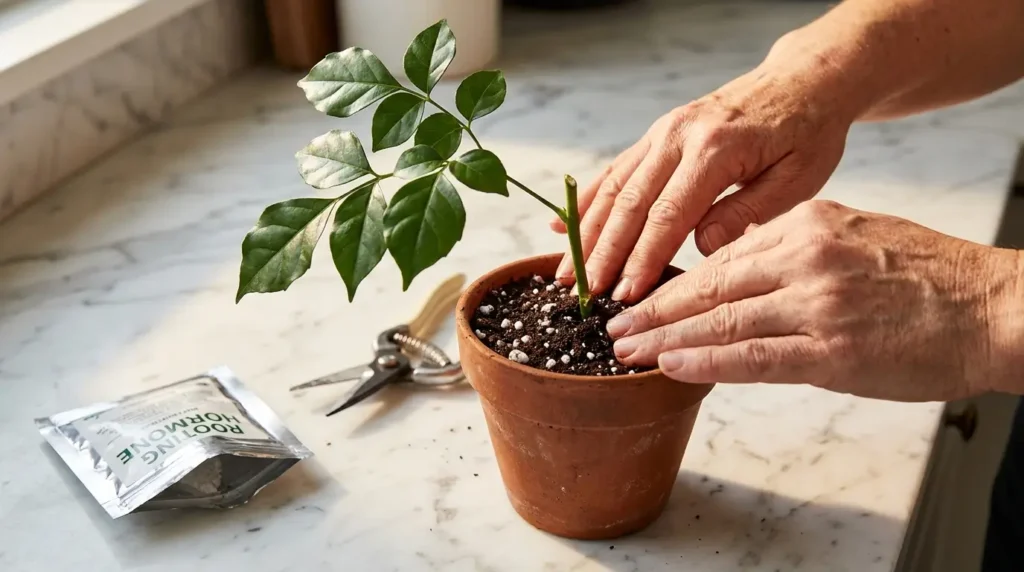
Spring and summer are the best times to propagate, when the plant is actively growing and cuttings root fastest.
Propagating by Stem Cuttings
Stem cuttings are the most reliable method for propagating the china doll plant. You’ll need a healthy parent plant and a little patience.
Materials needed:
- Sharp, clean scissors or pruning shears
- Small pot with well-draining potting mix
- Rooting hormone (optional but helpful)
- Clear plastic bag or humidity dome
Steps:
- Step 1: Select a healthy stem with at least 2–3 sets of leaves. Cut a 4–6 inch section just below a leaf node using clean scissors.
- Step 2: Remove the lower leaves, leaving just 2–3 sets at the top. Dip the cut end in rooting hormone if you have it.
- Step 3: Plant the cutting about 2 inches deep in moist potting mix. Cover with a plastic bag to trap humidity and place in bright indirect light.
- Step 4: Check for roots after 3–4 weeks by giving the stem a very gentle tug. Resistance means roots are forming great news!
Expect roots to develop within 4–6 weeks. Once rooted, remove the plastic bag gradually over a few days and treat it like a mature china doll plant.
This propagation method also works beautifully for the oyster plant, another houseplant that roots easily from stem cuttings in warm conditions.
Potting and Repotting China Doll Plant
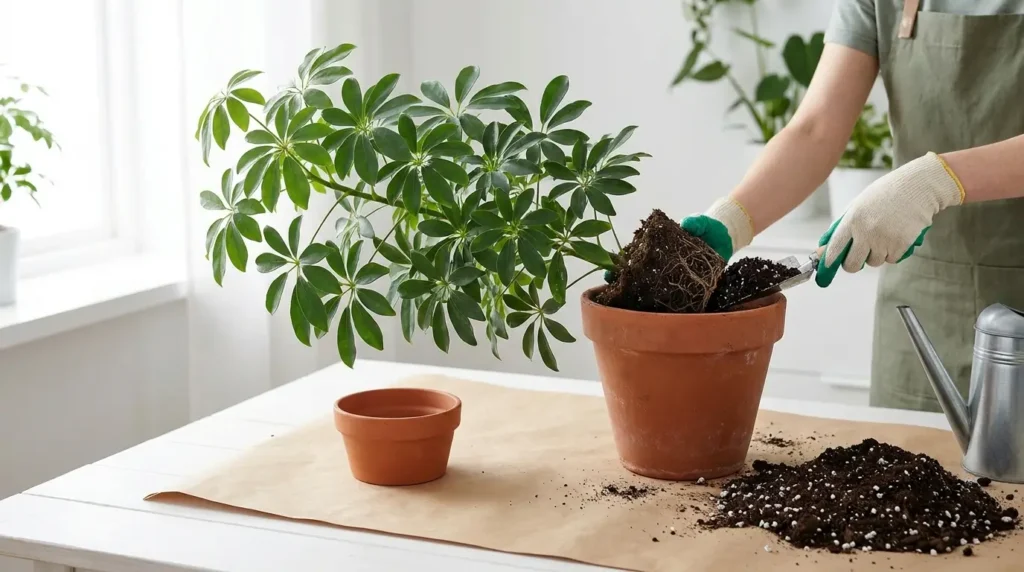
Repot your china doll plant every 1–2 years, or when you see roots peeking out of the drainage holes or growth has stalled noticeably. Spring is the ideal time.
Move up just one pot size (1–2 inches larger in diameter). Going too big invites overwatering issues since excess soil holds moisture the roots can’t absorb yet. Always use a pot with drainage holes non-draining pots are a recipe for trouble.
To repot, gently loosen the root ball, shake off old soil, and place in fresh potting mix. Water lightly and keep out of direct sun for a week or two while it adjusts.
Common Pests and Diseases
Like most houseplants, the china doll plant can occasionally attract pests especially in dry indoor conditions. Here’s what to watch for.
Spider Mites
Look for fine webbing and stippled, dusty leaves. Treat with neem oil spray or insecticidal soap, repeating weekly until gone.
Mealybugs
White cottony clusters along stems and leaf joints are the telltale sign. Dab with rubbing alcohol on a cotton swab or spray with diluted neem oil.
Scale Insects
Brown, shell-like bumps on stems indicate scale. Scrape off manually and follow up with horticultural oil spray to smother remaining insects.
Aphids
Tiny green or black bugs clustered on new growth. Spray off with a strong water stream, then treat with insecticidal soap as needed.
Fungus Gnats
Small flies hovering around soil signal fungus gnats, which thrive in overwatered conditions. Let the soil dry more between waterings and use sticky yellow traps to catch adults. According to University of Florida IFAS Extension’s IPM resources, consistent monitoring is the best way to prevent infestations from getting out of hand.
Common Problems with China Doll Plant
Here’s how to troubleshoot common issues:
Yellow Leaves
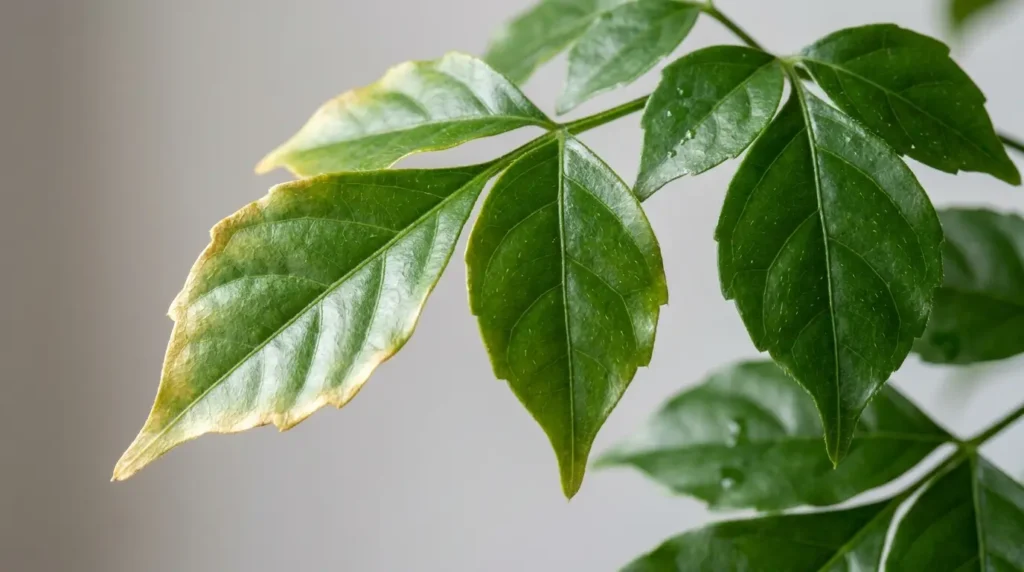
Yellow leaves are the most frequent complaint with this plant. Overwatering is usually the culprit check if soil is soggy and cut back on watering immediately. A nutrient deficiency can also cause yellowing, especially if you haven’t fertilized in months. Finally, natural aging of lower leaves is totally normal the plant sheds old leaves as it grows. For most cases, adjusting your watering schedule fixes the problem fast. Similar yellowing issues also show up in the black ZZ plant when watering is off.
Brown Leaf Tips
Brown tips are almost always a humidity problem. Low humidity in dry homes is the top cause try grouping plants together or running a humidifier. Tap water with high fluoride or chlorine can also cause tip burn; switch to filtered or collected rainwater. Additionally, inconsistent watering (letting it dry out too much) contributes to browning tips. Snip off the brown parts with clean scissors for tidier appearance.
Drooping or Wilting Leaves
Drooping usually points to a watering issue. If soil is bone dry, water thoroughly and the plant often perks back up within hours. If soil is wet, you may have root rot starting let it dry out completely and check the roots. Also check that the pot isn’t sitting in a cold draft, which can cause sudden wilting too. The licorice plant shows similar drooping symptoms when its moisture needs aren’t met consistently.
Leggy Growth / Sparse Foliage
Long, stretched stems with sparse leaves almost always mean not enough light. Move the plant closer to a bright window or add a grow light. Pruning leggy stems back by one-third also encourages bushier, fuller growth from lower nodes.
FAQ
Are China Doll Plants Hard to Take Care of?
They’re moderate in difficulty. With consistent watering, bright light, and good humidity, the china doll plant rewards you with beautiful, lush growth.
Is China Doll an Indoor or Outdoor Plant?
It grows as both, but it thrives indoors in most climates. Outdoors, it suits USDA zones 10–12 year-round.
How Big Do China Doll Plants Get?
Indoors, expect 4–6 feet tall. In their native habitat outdoors, they can reach 30 feet or more.
Where Should I Put My Chinese Doll Plant?
Place it near a bright east or south-facing window with indirect light. Avoid cold drafts and heating vents nearby.
2 thoughts on “How to Grow and Care for China Doll Plant”
Comments are closed.