
In This Article
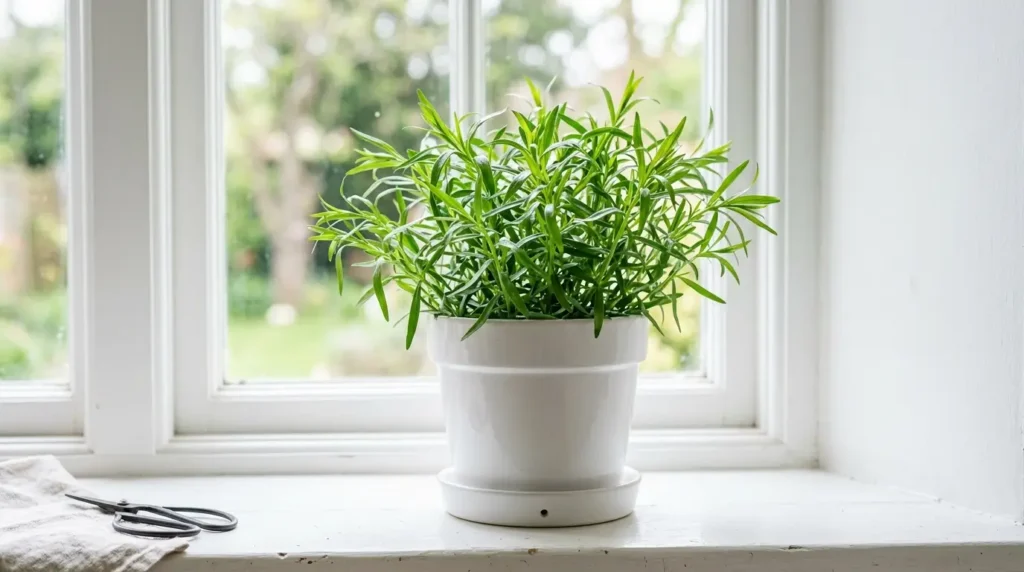
Tarragon (Artemisia dracunculus) is a fragrant perennial herb native to central Asia, beloved in French cuisine for its distinctive anise-like flavor. Known for slender, glossy green leaves, the tarragon plant has won over cooks and gardeners for centuries. Care difficulty? Moderate, but totally manageable once you know what it likes.
| Field | Details |
|---|---|
| Common Name | Tarragon, French Tarragon |
| Botanical Name | Artemisia dracunculus |
| Family | Asteraceae |
| Plant Type | Herbaceous perennial |
| Mature Size | 24–36 in. tall, 12–18 in. wide |
| Sun Exposure | Full sun to partial shade |
| Soil Type | Well-draining, sandy or loamy |
| Soil pH | 6.0–7.5 |
| Hardiness Zones | USDA Zones 4–8 |
| Native Area | Central Asia, Southern Russia |
| Toxicity | Non-toxic to humans; mildly toxic to pets in large quantities |
Tarragon Plant Care
The tarragon plant is moderately easy to grow once you understand its basic preferences. The sections below cover everything from light and soil to watering and propagation. You’ve got this tarragon is a rewarding herb once you nail the basics.
Light
The tarragon plant loves sunshine give it 6 to 8 hours of full sun daily for the best flavor and growth. A south- or west-facing window works great indoors. That said, it handles partial shade, but expect weaker, less aromatic leaves. In hot climates, a little afternoon shade prevents scorching.
Soil
The tarragon plant thrives in light, well-draining soil soggy roots are a dealbreaker. A sandy or loamy mix is ideal. Try 1 part garden soil : 1 part coarse sand : 1 part perlite for a simple DIY blend. According to the University of Minnesota Extension’s guide on well-draining soil mixes, proper drainage prevents root rot in perennial herbs.
Water
The tarragon plant is drought-tolerant once established. Water when the top 2–3 inches of soil feel dry. Overwatering causes yellow, mushy stems; underwatering leads to wilted, crispy leaves. In winter, cut back significantly tarragon goes dormant. Similar to the licorice plant, always err on the drier side between sessions.
Temperature and Humidity
The tarragon plant prefers cool to moderate temperatures ideally between 60°F and 75°F (15–24°C). It can tolerate light frost and actually needs a cold dormancy period to come back strong each spring in Zones 4–8.
Avoid placing it near heating vents or drafty windows sudden temperature swings stress the plant quickly. Humidity-wise, average household levels are fine. Tarragon doesn’t need misting or humidifiers; it’s not a tropical diva.
Fertilizer
Feed your tarragon with a balanced liquid fertilizer (10-10-10) diluted to half strength, every 4–6 weeks during spring and summer. According to Penn State Extension’s fertilization guidelines, light, regular feeding beats one heavy dose. Skip fertilizing entirely in fall and winter when the plant is dormant overfeeding during rest causes more harm than good.
Types of Tarragon Plant
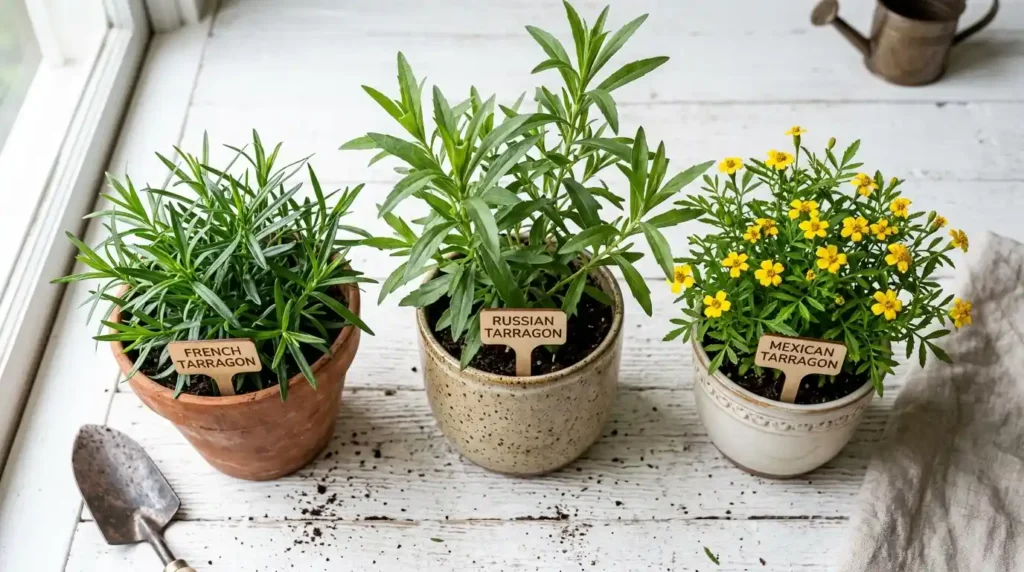
There are a few distinct varieties of the tarragon plant worth knowing before you buy. Not all tarragon is created equal!
- French Tarragon (Artemisia dracunculus var. sativa) The gold standard for culinary use. Narrow, glossy leaves with an intense anise flavor. Doesn’t produce viable seeds; must be propagated vegetatively.
- Russian Tarragon (Artemisia dracunculus var. inodora) Taller and easier to grow from seed, but far less flavorful than French tarragon. Coarser leaves with a bitter, grassy taste. Good for borders, not so much for cooking.
- Mexican Tarragon (Tagetes lucida) Not a true tarragon, but widely used as a substitute. Yellow flowers, a sweeter anise flavor, and excellent heat tolerance. A great option for warmer climates where French tarragon struggles.
Pruning
Regular pruning keeps the tarragon plant bushy, productive, and fresh-tasting. Trim back stems by about one-third in early summer to prevent the plant from going to seed too quickly once it flowers, leaf flavor drops noticeably.
Remove any dead or yellowing stems throughout the growing season. Use clean, sharp scissors or pruning shears to avoid tearing the delicate stems. A quick trim every few weeks does wonders for keeping your harvest going strong.
Propagating Tarragon Plant
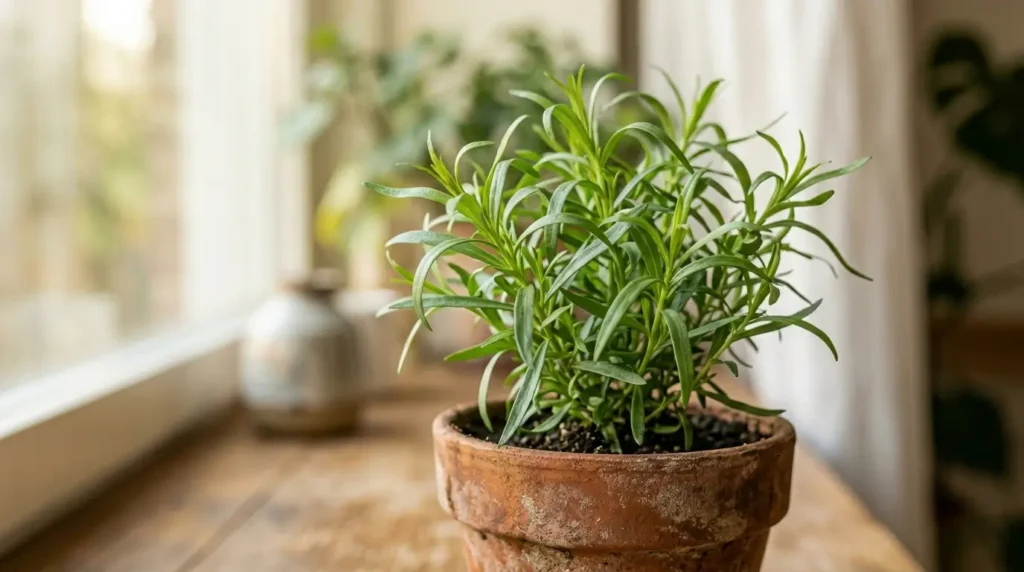
The best time to propagate tarragon is during spring and early summer when the plant is actively growing. French tarragon is sterile, so you’ll need to skip seeds and go the vegetative route.
Propagating by Stem Cuttings
Stem cuttings are the most reliable method for the tarragon plant. Here’s what you need:
- Sharp, clean scissors or pruning shears
- Small pots or seed trays
- Well-draining potting mix (or perlite/sand blend)
- Rooting hormone (optional but helpful)
Step 1: Cut a 4–6 inch stem just below a leaf node. Choose a healthy, non-flowering stem from the current season’s growth.
Step 2: Strip the lower leaves, leaving 2–3 leaves at the top. Dip the cut end in rooting hormone if you have it.
Step 3: Insert the cutting into moist potting mix. Press the soil gently around the base so it stands upright.
Step 4: Place the pot in bright indirect light and keep the soil consistently moist but never waterlogged. Cover loosely with a plastic bag to retain humidity if you’d like.
Roots typically develop within 3–4 weeks. Once you see new leaf growth, remove the covering and treat it like a mature tarragon plant. You can also propagate matcha plant cuttings using a nearly identical stem-cutting method if you’re expanding your herb garden.
Propagating by Division
Division is another great option, especially for established clumps. In early spring, dig up the entire root clump and use a clean knife to divide it into sections, each with a few healthy roots and shoots. Replant the divisions at the same depth, water well, and they’ll establish quickly. Expect them to be fully productive within a few weeks.
Potting and Repotting Tarragon Plant
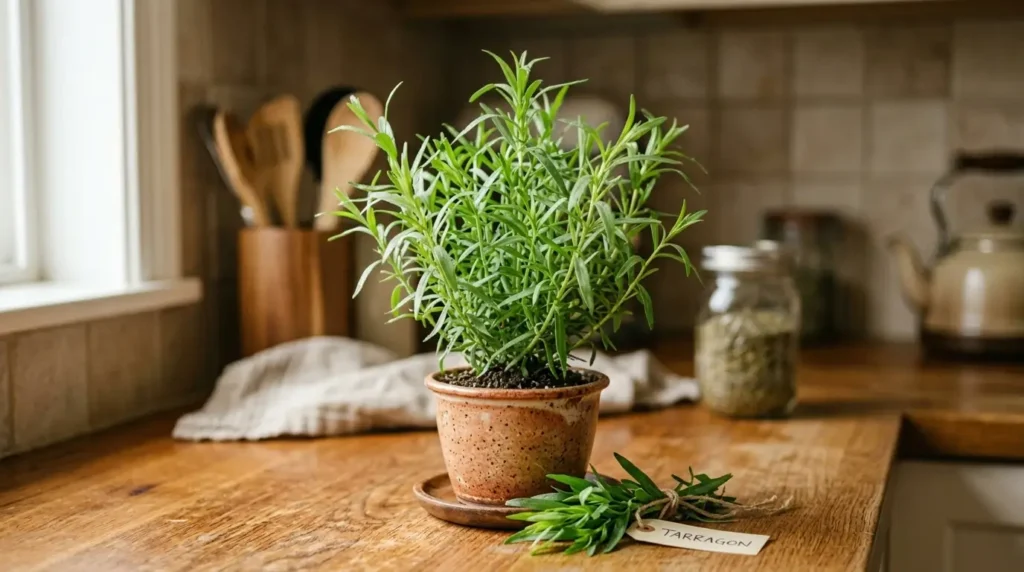
When to Repot: Repot your tarragon plant every 1–2 years, or when you see roots poking out of drainage holes or growth noticeably slowing. Spring is the best time the plant is just waking up and ready to take off.
How to Repot: Choose a pot 1–2 inches larger than the current one. Make sure it has drainage holes this is non-negotiable for tarragon. Fill the bottom with fresh, well-draining mix, set the root ball in, and fill around the sides. Water lightly and place in a sunny spot.
Avoid pots that are too large. Excess soil holds moisture that the tarragon plant doesn’t need, which leads straight to root rot.
Common Pests and Diseases
Like most herbs, the tarragon plant can occasionally attract unwanted visitors. Catching them early makes treatment much easier.
Spider Mites
Look for fine webbing and speckled, yellowing leaves. Treat by spraying with water to knock them off, then follow up with neem oil or insecticidal soap.
Mealybugs
White, cottony clusters at stem joints are the giveaway. Remove by hand with a cotton swab dipped in rubbing alcohol, then treat with neem oil.
Aphids
Tiny green or black insects cluster on new growth. Blast them off with water or apply insecticidal soap spray. They spread fast, so act quickly.
Fungus Gnats
Hovering near the soil surface? That’s fungus gnats. Let the soil dry out fully between waterings and use sticky traps to control adult populations.
According to the University of California IPM program, early identification and consistent monitoring are the most effective tools for managing common herb pests.
Common Problems with Tarragon Plant
Here’s how to troubleshoot common issues:
Yellow Leaves
Yellow leaves on the tarragon plant usually mean overwatering soggy soil suffocates roots and causes the foliage to yellow fast. It could also signal a nitrogen deficiency, which you can fix with a balanced liquid feed. Sometimes older leaves naturally yellow at the base as the plant ages totally normal. Check soil moisture first, adjust watering, and calathea yellowing issues follow very similar patterns if you want more troubleshooting context.
Brown Leaf Tips
Brown tips typically point to low humidity, inconsistent watering, or water quality issues (tap water with high fluoride is a common culprit). Switch to filtered or rainwater and make sure you’re not letting the soil completely dry out for too long. Brown tips won’t reverse, but new growth should come in clean once you fix the cause.
Drooping or Wilting Leaves
A drooping tarragon plant is almost always dealing with a watering issue. Underwatering causes dry wilt; overwatering causes soft, mushy wilt. Check the soil if it’s bone dry, water immediately. If it’s soggy, let it dry out and consider improving drainage. Similar wilting patterns show up in nerve plant care, where moisture balance is equally critical.
Leggy Growth / Sparse Foliage
Long, stretched stems with sparse leaves mean your tarragon plant isn’t getting enough light. Move it to a sunnier spot ideally 6+ hours of direct sun. Follow up with a light prune to encourage bushing out. This is the same fix needed for a leggy spider plant more light, then a trim.
FAQ
Why is tarragon hard to grow?
French tarragon can’t be grown from seed and needs precise drainage. Without proper conditions, it sulks quickly. Starting from cuttings or division simplifies things considerably.
Does tarragon grow back each year?
Yes, tarragon is a perennial in Zones 4–8. It dies back in winter but returns reliably each spring from established roots underground.
Can I drink tarragon as a tea?
Yes, tarragon tea is a traditional remedy. Steep fresh or dried leaves in hot water for five minutes. It has a mild anise flavor.
What does tarragon taste like?
Tarragon has a sweet, anise-like flavor with subtle hints of vanilla. French tarragon is more refined and aromatic than the Russian variety.
4 thoughts on “How to Grow and Care for Tarragon Plant”
Comments are closed.