
In This Article
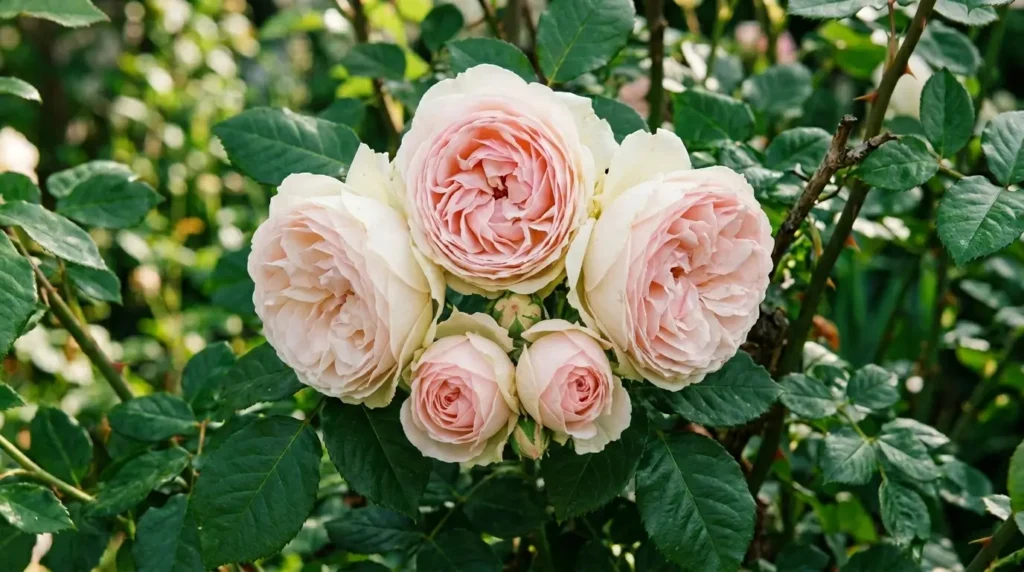
The Eden Rose (Rosa ‘Pierre de Ronsard’) is a stunning French climbing rose with large, cupped creamy-pink blooms. Hardy in USDA zones 5–9, it reaches 12–15 feet tall. Bred by Meilland in 1985, this moderately easy rose rewards dedicated gardeners with breathtaking, peony-like flowers.
Plant Care Card
| Detail | Info |
|---|---|
| Common Name | Eden Rose, Eden Climber |
| Botanical Name | Rosa ‘Pierre de Ronsard’ |
| Family | Rosaceae |
| Plant Type | Climbing rose, perennial |
| Mature Size | 10–15 ft. tall, 6–8 ft. wide |
| Sun Exposure | Full sun |
| Soil Type | Well-draining, loamy, fertile |
| Soil pH | 6.0–6.5 (slightly acidic) |
| Hardiness Zones | 5–9 (USDA) |
| Native Area | Bred in France (Meilland) |
| Bloom Time | Late spring to early fall |
| Toxicity | Non-toxic to humans; mildly toxic to pets (thorns are a hazard) |
Eden Rose Care
Eden rose is a moderate-maintenance climber that rewards consistent attention with spectacular blooms. Here’s what you need to know about sun, soil, water, pruning, and feeding. With the right placement and a little seasonal care, this stunning rose will thrive for decades.
Light
Eden rose needs full sun at least 6 to 8 hours daily for the best blooms. Plant it against a south- or west-facing wall for maximum light. In zones 8–9, light afternoon shade prevents petal scorch. Without enough sun, expect fewer flowers and leggy growth.
Soil
Eden rose thrives in loamy, well-draining soil with a pH of 6.0–6.5. Good drainage is non-negotiable waterlogged soil causes root rot. For clay soil, mix compost and coarse sand in equal parts. According to NC State Extension, well-amended soil dramatically improves rose health.
Water
Water eden rose deeply once or twice weekly, letting soil dry slightly between sessions. Check moisture by pressing a finger 2 inches into the soil. Reduce watering in fall as dormancy approaches. Overwatering causes yellow leaves; underwatering causes wilting. Established plants handle short dry spells well.
Temperature and Humidity
Eden rose thrives between 60–85°F and tolerates cold down to -10°F in zone 5. In hot climates, blooms fade above 90°F but the plant survives. In zones 5–6, mulch the base with 3–4 inches of straw before frost and wrap canes loosely with burlap.
Fertilizer
Feed Eden rose with a balanced rose fertilizer (10-10-10 or similar) once a month during the active growing season, from early spring through late summer. Organic slow-release formulas also work well and are gentler on the soil. Stop fertilizing by early fall to avoid pushing new tender growth before winter dormancy sets in.
Types of Eden Rose
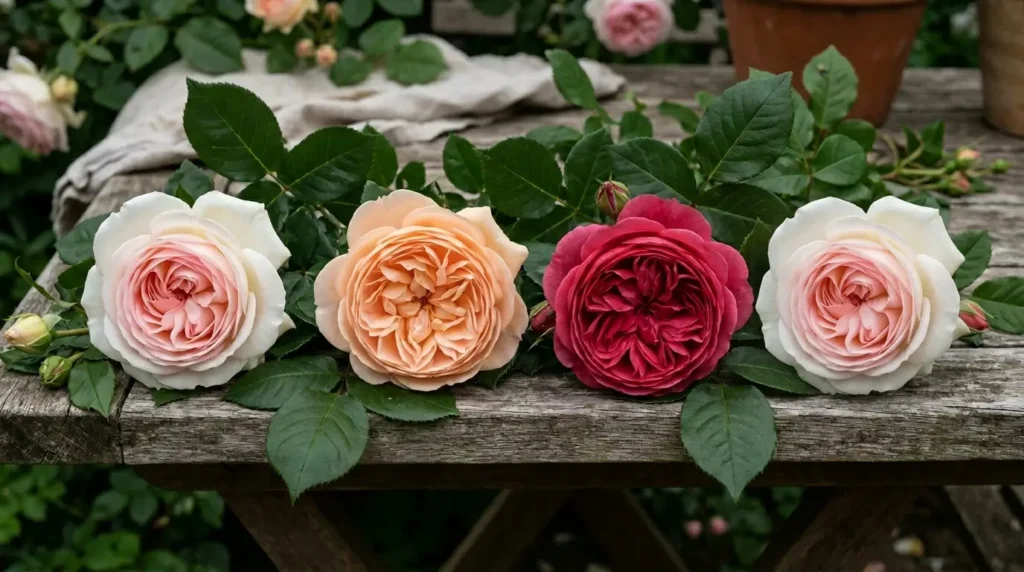
Eden rose is a specific cultivar, but the Meilland family and other breeders have created several related climbing roses worth knowing.
- ‘Pierre de Ronsard’ (Eden Rose): The original classic large, cupped blooms in cream and blush pink, extremely vigorous climber reaching 15 feet.
- ‘Eden Rose 85’: An older release sometimes sold under this name; nearly identical to Pierre de Ronsard but slightly more compact in certain growing conditions.
- ‘Peach Eden’: A warm peach-toned sport of the original, with the same full, quartered blooms in softer sunset hues. Similar vigor and care needs.
- ‘Eden Rose Climber Red’: A deeper, richer red-pink version that adds drama to trellises and archways while keeping the same dense petal form.
These varieties pair beautifully alongside other statement flowers like pink peonies or bougainvillea for a stunning garden display.
Pruning
Prune your Eden rose in late winter or early spring, just as the buds begin to swell. This is also the right time to cut out any dead, damaged, or crossing canes. Since Eden rose blooms on old wood, avoid heavy pruning in fall you’ll cut off next season’s flower buds. After the first bloom flush in late spring, light deadheading keeps the plant tidy and can encourage repeat flowering.
Use clean, sharp bypass pruners to make cuts at a 45-degree angle just above an outward-facing bud. Remove any canes thinner than a pencil, and cut back main canes by about one-third to control size and encourage bushier growth. Wear thick gloves those thorns mean business. Regular pruning not only keeps the plant looking great but also improves air circulation, which reduces disease pressure significantly.
Propagating Eden Rose
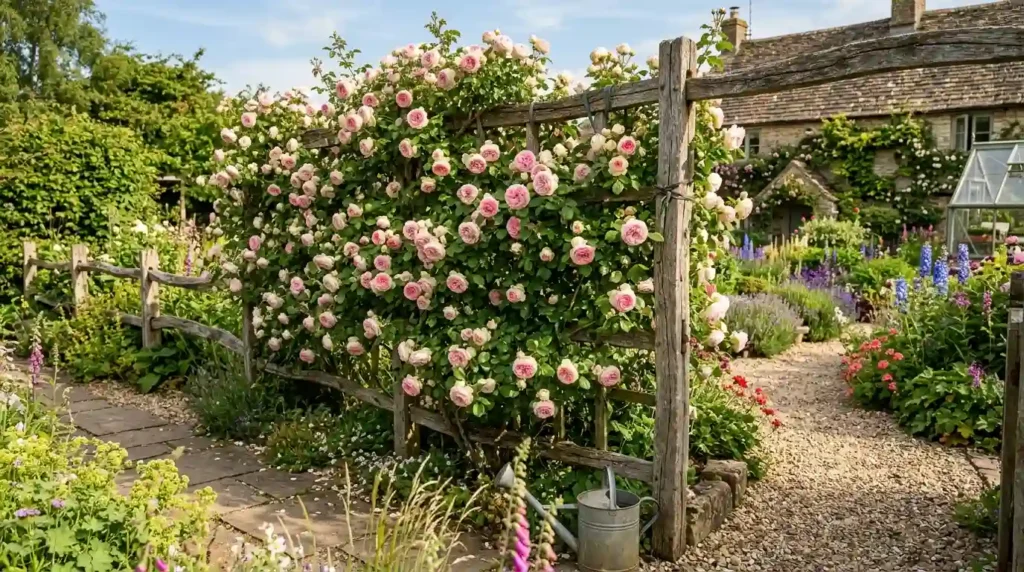
The best time to propagate Eden rose is in late spring or early summer, when the plant is actively growing and stems are semi-hardwood.
Propagating by Stem Cuttings
Stem cuttings are the most reliable method for home gardeners and preserve the exact characteristics of the parent plant.
Materials needed:
- Sharp, sterilized pruning shears
- Rooting hormone powder or gel
- Small pots or trays filled with a mix of perlite and potting soil (50:50)
- Plastic bag or humidity dome
- Spray bottle
Steps:
- Select a healthy stem with at least 3–4 leaf nodes and cut a 6–8 inch section just below a leaf node, removing it cleanly with sterilized shears.
- Strip the lower leaves, leaving only 1–2 sets at the top. Dip the cut end into rooting hormone for about 5 seconds.
- Insert the cutting 2–3 inches deep into the moistened perlite/soil mix. Firm the soil gently around the base so the cutting stands upright.
- Cover with a plastic bag or humidity dome to retain moisture and place in bright indirect light. Mist lightly every day to keep humidity high.
Roots typically develop in 4–6 weeks. Once you see new leaf growth, the cutting has rooted successfully and can be gradually moved to brighter light before outdoor planting.
Propagating by Layering
In spring, select a long, flexible cane and bend it to the ground. Wound the stem, dust with rooting hormone, and bury it 3–4 inches deep. After 6–10 weeks, roots form at the buried section. Cut free and transplant. Always propagate from healthy, well-fed parent plants.
Planting and Transplanting Eden Rose
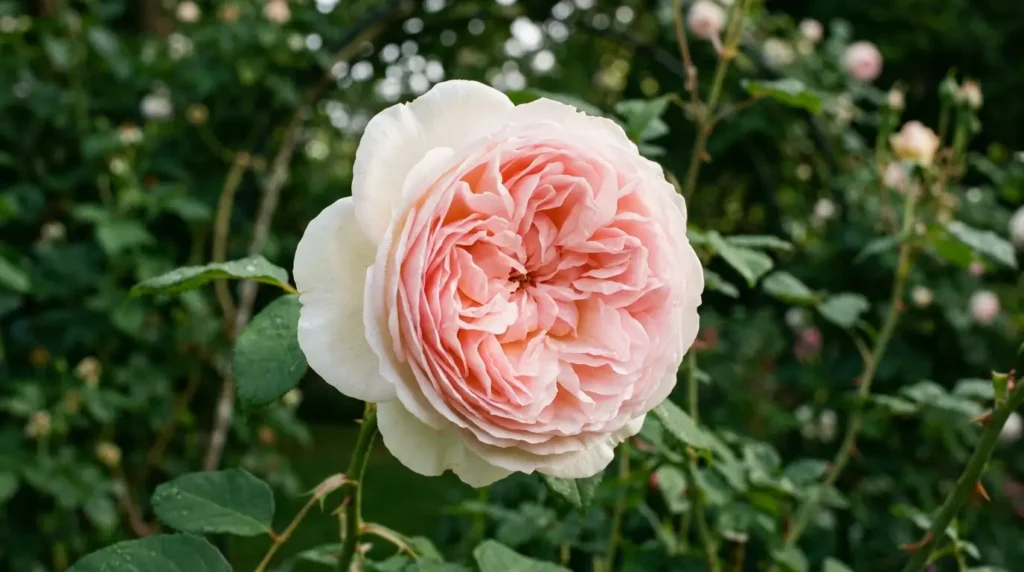
Plant Eden rose in spring after the last frost or in early fall at least six weeks before the first expected freeze. The USDA Plant Hardiness Zone Map is the best tool for confirming your zone before you buy and plant. These windows give roots time to establish before summer heat or winter cold arrives. Space plants 6–8 feet apart to allow good air circulation and room for the canes to spread across a support structure.
Dig a hole at least twice as wide as the root ball and deep enough so the bud union (the swollen knob at the base of the canes) sits 1–2 inches below soil level in cold climates, or just at soil level in warmer zones. Backfill with amended soil, water deeply, and mulch around the base to retain moisture.
Transplant established Eden roses in early spring before new growth begins. Water thoroughly for the first two weeks after transplanting to help reduce shock and settle the roots in their new location.
Common Pests and Diseases
Like most garden plants, Eden rose can occasionally face pest or disease issues. Catching problems early makes treatment much easier. According to University of California IPM guidelines, integrated pest management starting with the least toxic interventions is the best approach for roses.
Aphids
Look for clusters of tiny green or black insects on new growth and buds. Spray them off with a strong jet of water or apply neem oil solution weekly.
Spider Mites
Check for fine webbing and stippled, dusty-looking leaves in hot, dry weather. Treat with insecticidal soap or neem oil, making sure to coat the undersides of leaves.
Powdery Mildew
White, powdery coating on leaves and buds signals fungal infection. Improve air circulation and apply a fungicide containing sulfur or potassium bicarbonate at first sign.
Root Rot
Yellowing leaves with mushy, brown roots indicate overwatering or poor drainage. Reduce watering immediately and check that soil drains freely.
Black Spot
Round black spots with yellow halos on leaves are the classic sign. Remove affected foliage promptly and apply a fungicide labeled for black spot on roses.
Common Problems with Eden Rose
Here’s how to troubleshoot common issues:
Poor or No Blooms
This is the most frustrating Eden rose problem, but it’s almost always fixable. Insufficient sun is the top culprit less than 6 hours daily dramatically reduces flowering. Over-fertilizing with nitrogen pushes leafy growth at the expense of flowers; switch to a bloom-booster formula with higher phosphorus. Improper pruning especially cutting back hard in fall removes the old wood that carries next season’s buds. Prune only in late winter and deadhead spent blooms during the season.
Yellow or Browning Leaves
Yellow leaves across the plant usually point to overwatering or poor drainage; let the soil dry out more between sessions. If leaves yellow from the bottom up with green veins, you’re likely looking at a nutrient deficiency a dose of balanced rose fertilizer usually fixes it fast. Brown, crispy leaf edges tend to signal heat stress or underwatering, especially during summer heat waves. Mulching the root zone helps regulate soil temperature and moisture. Similar discoloration patterns show up in dianthus plants many of the same fixes apply.
Wilting or Drooping
Wilting in the heat of the day is often just temporary heat stress and not a real cause for alarm check back in the evening. If the plant is wilted in the morning, that’s a sign of underwatering, so water deeply right away. Newly planted Eden roses commonly wilt from transplant shock; consistent moisture and shade cloth for a few days helps them recover.
Leggy or Sparse Growth
Leggy, stretched canes with few leaves signal insufficient light. Move container-grown plants or, for in-ground roses, trim back surrounding plants that may be casting shade. Over-fertilizing with nitrogen also pushes long, leafy canes without much branching. Cut back to a stronger feeding schedule and prune leggy canes by one-third to encourage bushy regrowth. If you enjoy similarly climbing, flowering plants, check out our guide on mandevilla plant care.
Frost Damage
After a hard frost, canes may appear black or mushy. Wait until spring to assess the true extent damaged wood is easy to identify once growth resumes. Cut all dead canes back to healthy green wood and apply a balanced rose fertilizer to support recovery. French lavender care follows a similar cold-recovery approach for Mediterranean plants in your garden.
FAQ
Are Eden roses easy to grow?
Eden roses are moderately easy with the right sun, soil, and seasonal pruning. Beginners can succeed with consistent basic care.
How old is Eden Rose?
The Eden Rose was introduced by Meilland in 1985, making it over 40 years old. It remains one of the world’s best-selling climbing roses.
Where is Eden Rose from?
Eden Rose was bred in France by the renowned Meilland rose house. It is also widely known as ‘Pierre de Ronsard’ throughout Europe.
Is Eden Rose repeat flowering?
Yes, Eden rose is a repeat bloomer, producing flushes of flowers from late spring through early fall with regular deadheading and care.