
In This Article
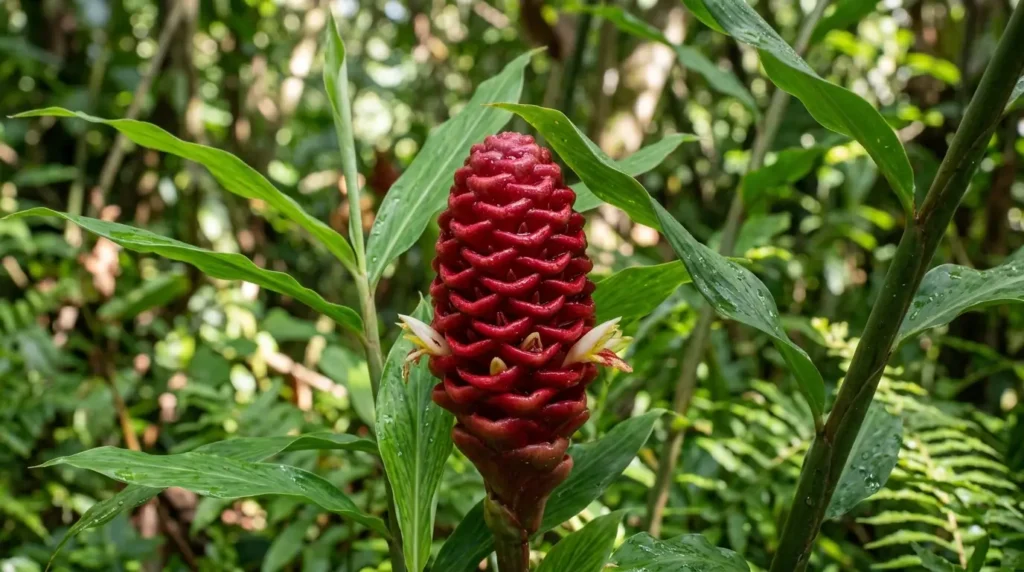
The shampoo ginger plant (Zingiber zerumbet) is a tropical showstopper with bold foliage and pinecone-shaped flower heads that turn deep crimson red at maturity. Native to Southeast Asia and India, it thrives in warm, humid climates. Hardy in zones 8–12, it’s easy to moderate in care once established.
Plant Care Card
| Detail | Info |
|---|---|
| Common Name | Shampoo Ginger, Bitter Ginger, Pinecone Ginger |
| Botanical Name | Zingiber zerumbet |
| Family | Zingiberaceae |
| Plant Type | Herbaceous perennial |
| Mature Size | 3–6 ft tall x 2–4 ft wide |
| Sun Exposure | Partial shade to full sun |
| Soil Type | Moist, well-draining, loamy soil |
| Soil pH | 5.5–7.0 (slightly acidic to neutral) |
| Hardiness Zones | USDA 8–12 |
| Native Area | South and Southeast Asia |
| Bloom Time | Summer to fall |
| Toxicity | Non-toxic to humans; mildly toxic to pets if ingested in large amounts |
Shampoo Ginger Plant Care
The shampoo ginger plant is refreshingly easy to grow once you get the basics right. Here’s what you need to know about sun, soil, water, and maintenance. With the right placement, this plant practically looks after itself.
Light
The shampoo ginger plant thrives in partial shade with 4–6 hours of filtered light daily. Morning sun is ideal afternoon sun scorches the leaves. Plant it on the east side of a building or under larger trees. Elephant ears make great companions in the same conditions.
Soil
Shampoo ginger plant needs rich, loamy, well-draining soil with a pH of 5.5–7.0. Good drainage is non-negotiable waterlogged roots cause real damage. According to the University of Florida IFAS Extension, tropical gingers perform best in beds amended with organic matter. Avoid dense, compacted soils they suffocate the rhizomes.
Water
Water your shampoo ginger plant deeply once or twice per week during the growing season. Check soil moisture by inserting your finger 1–2 inches deep before watering. Cut back significantly in winter as foliage dies down. Yellowing leaves signal overwatering curling brown edges signal underwatering.
Temperature and Humidity
Shampoo ginger thrives between 65°F and 95°F in humid, tropical climates. In zones 8–9, foliage dies back with frost but rhizomes survive underground if mulched well. Apply 3–4 inches of mulch before the first frost. A similar overwintering approach works for night-blooming jasmine in borderline climates.
Fertilizer
Feed your shampoo ginger with a balanced slow-release fertilizer (10-10-10) at the start of spring. Apply again mid-summer during peak growth. Stop fertilizing in late fall as the plant heads into dormancy. Organic compost mixed into the soil each spring works beautifully too.
Types of Shampoo Ginger Plant
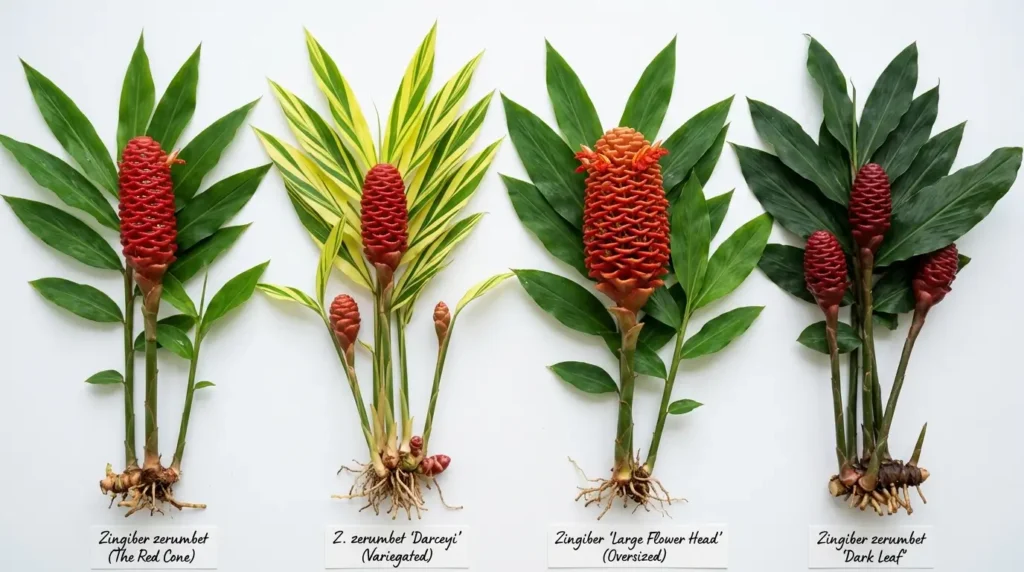
There are a few notable varieties worth knowing:
- Zingiber zerumbet ‘Darcey’ A popular ornamental cultivar with especially vibrant red bracts and clean, deep green foliage. Slightly more compact than the standard species.
- Zingiber zerumbet (Standard) The classic species found across Southeast Asia, prized for the milky, fragrant liquid inside mature bracts traditionally used in hair care.
- Zingiber zerumbet ‘Variegatum’ Features striking striped foliage with yellow-green margins, offering decorative value even when not in bloom.
- Zingiber zerumbet ‘Awakening’ A cultivar selected for larger, more dramatic flower heads and a slightly taller growth habit. Great for statement planting.
Pruning
The best time to prune your shampoo ginger plant is in late fall or early winter, after the foliage has yellowed and died back naturally. Cut the old stems down to just above ground level. Remove any spent flower stalks throughout the season to keep the plant tidy.
In spring, thin out overcrowded clumps by removing older canes at the base. This lets air and light reach new growth emerging from the rhizomes. Sharp, clean pruning shears are all you need. Regular pruning keeps the plant looking its best and encourages fresh, vigorous growth each season much like maintaining red salvias, which also benefit from seasonal cutbacks to stay full and floriferous.
Propagating Shampoo Ginger Plant
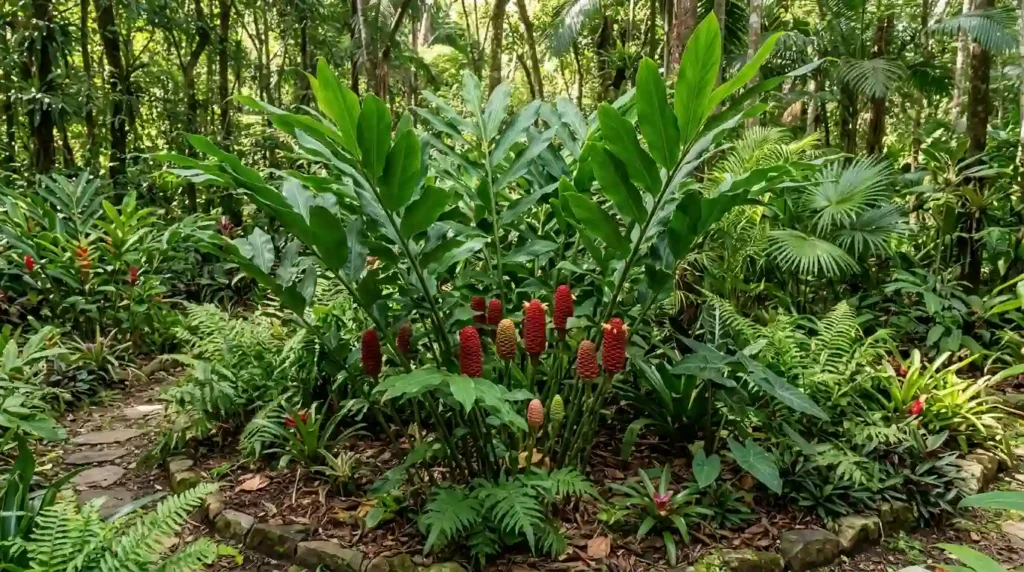
Spring is the best time to propagate shampoo ginger plant, just as new growth begins emerging from the soil.
Propagating by Rhizome Division
Division is the most reliable method for propagating shampoo ginger plant. It’s best done in early spring before active top growth takes off.
Materials needed:
- Sharp, clean garden knife or spade
- Garden gloves
- Compost-amended soil
- Planting container or prepared garden bed
Steps:
Step 1: Dig carefully around the base of an established clump, working outward to avoid damaging the rhizomes. Lift the entire clump from the ground.
Step 2: Use your hands or a clean knife to separate the rhizome mass into sections. Each division needs at least one healthy growing point (a node or small bud) and several roots attached.
Step 3: Let the cut sections air-dry for 30–60 minutes so the cut surfaces callous slightly. This simple step helps prevent rot after replanting.
Step 4: Replant each division 2–3 inches deep in moist, well-draining soil. Space divisions at least 18–24 inches apart to give the shampoo ginger plant room to spread naturally.
New shoots typically appear within 4–6 weeks when soil temperatures stay above 65°F.
Propagating from Stem Sections
You can also propagate shampoo ginger by planting stem sections that include a visible node. Cut a healthy stem, allow it to dry briefly, then lay it horizontally just below the soil surface. Keep the soil consistently moist and warm. Rooting takes 3–5 weeks under ideal humid conditions. This method is less reliable than division but works well if rhizomes aren’t available.
Planting and Transplanting Shampoo Ginger Plant
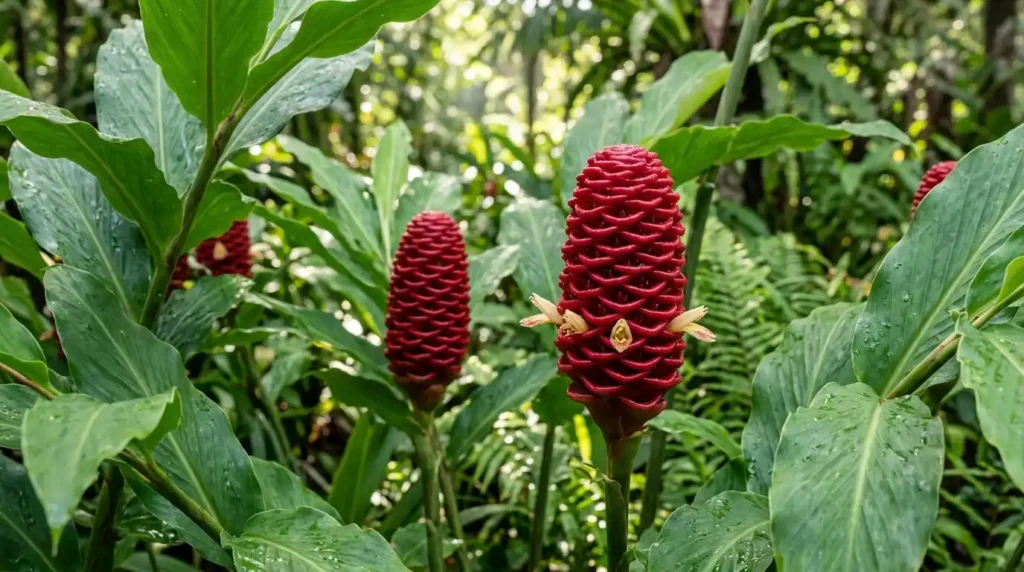
Plant shampoo ginger rhizomes in spring after all frost danger has passed and soil temperatures reach at least 60°F. Space rhizomes 18–24 inches apart to give each plant room to fill out over time. The USDA Plant Hardiness Zone Map is a reliable reference for confirming your safe planting window.
Plant each rhizome horizontally, about 2–3 inches deep with the growing tip facing upward. Backfill with compost-rich soil and water thoroughly after planting. Mulching the area helps hold moisture and suppress weeds through the growing season.
Transplant or divide established clumps every 3–4 years, or whenever the planting area becomes visibly overcrowded.
Common Pests and Diseases
Like most garden plants, the shampoo ginger plant can face occasional pest or disease challenges though it’s generally quite resilient once established.
Aphids
Look for clusters of small, soft-bodied insects on new growth and stems. Treat with a strong blast of water or diluted neem oil spray applied weekly.
Spider Mites
Fine webbing and pale, stippled leaves are the telltale signs. Increase humidity around the plant and apply insecticidal soap directly to affected foliage.
Powdery Mildew
A white, dusty coating on leaves signals powdery mildew. Improve air circulation around the plant and treat with a baking soda solution. The UC IPM program offers detailed, research-backed treatment options for home gardeners.
Root Rot
Mushy, dark rhizomes and collapsing stems point to root rot caused by waterlogged soil. Improve drainage immediately and remove all affected plant material before replanting.
Caterpillars
Ragged holes chewed through the leaves indicate caterpillar feeding. Handpick visible pests or apply Bt (Bacillus thuringiensis) spray as a safe, targeted organic treatment.
Common Problems with Shampoo Ginger Plant
Here’s how to troubleshoot common issues:
Poor or No Blooms
Poor blooming usually means insufficient light aim for at least 4 hours of filtered sun. Over-fertilizing with nitrogen pushes leafy growth at the expense of blooms. Cutting stems too early removes developing buds. Move to a brighter spot and switch to a balanced fertilizer.
Yellow or Browning Leaves
Yellow leaves most often signal overwatering or poor drainage check that soil isn’t staying soggy between waterings. Nutrient deficiency, especially iron or magnesium, can also cause yellowing between leaf veins. Browning leaf edges are typically a sign of dry air, underwatering, or too much direct sun exposure. Adjust your watering schedule and consider adding a balanced fertilizer. Similar yellowing patterns appear in bougainvillea when drainage or feeding is off.
Wilting or Drooping
Sudden wilting is almost always underwatering or transplant shock. Water deeply and consistently after any move or division. In intense summer heat, even well-watered plants may droop midday this is completely normal and usually resolves by evening on its own.
Leggy or Sparse Growth
Leggy, stretched stems are a clear sign the plant isn’t getting enough light. Move it to a spot with more filtered brightness as soon as possible. Cutting back overcrowded older canes in spring also encourages compact, full new growth from the base. If you enjoy growing bold tropical foliage plants together, croton plants share similar light and warmth preferences and make striking garden companions.
Frost Damage
Blackened, mushy foliage after a cold night means frost damage has occurred. Cut all damaged stems to the ground promptly. If the rhizomes are still firm to the touch, the plant will very likely resprout in spring. Mulching heavily before winter prevents most frost damage in borderline hardiness zones.
FAQ
Is shampoo ginger plant good for your hair?
Yes, the milky liquid inside mature bracts contains natural conditioning properties and has been used in traditional hair care across Southeast Asia for centuries.
Does shampoo ginger grow back every year?
Yes, it’s a perennial. In zones 8–12, rhizomes survive winter underground and resprout each spring with warm temperatures.
Can you grow shampoo ginger in your house?
You can grow it indoors in a large container with bright indirect light and high humidity, though outdoor growth tends to be much more vigorous.
Where is the best place to plant shampoo ginger?
Plant in partial shade with morning sun, in moist well-draining soil. A warm, sheltered spot with good humidity produces the best results.