
In This Article
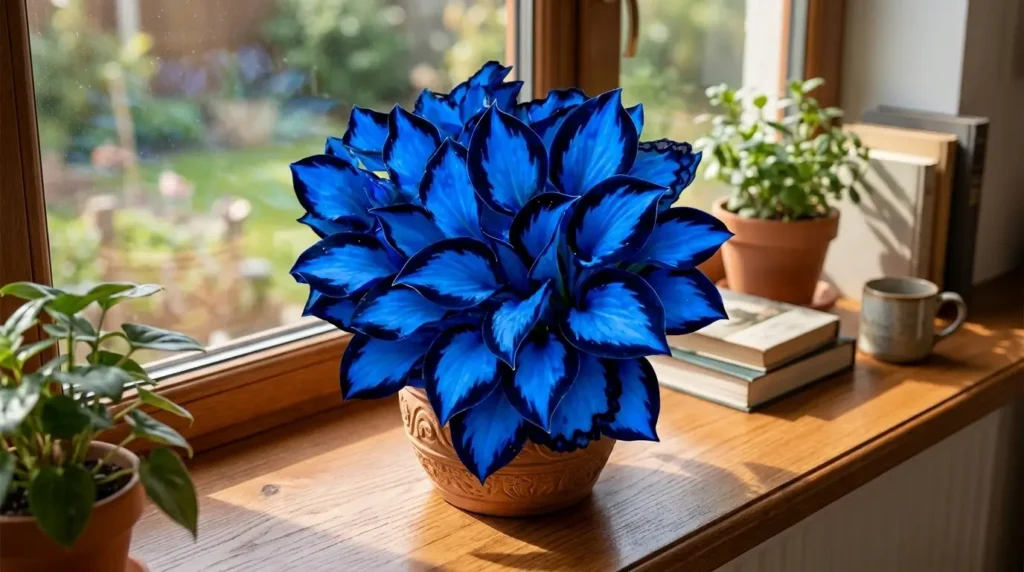
Meet the midnight blue heart plant (Hosta ‘Midnight Blue’), a shade-loving perennial with heart-shaped, blue-gray foliage. Native to woodland areas, it thrives under trees in dappled light, dying back each winter and returning every spring. Care is easy, making it perfect for beginners, container gardens, and shaded patio corners alike.
Plant Care Card
| Field | Details |
|---|---|
| Common Name | Midnight Blue Heart Plant |
| Botanical Name | Hosta ‘Midnight Blue’ |
| Family | Asparagaceae |
| Plant Type | Herbaceous perennial |
| Mature Size | 12–18 in. tall x 24–30 in. wide |
| Sun Exposure | Part shade to full shade |
| Soil Type | Rich, well-draining |
| Soil pH | 6.0–7.0 (slightly acidic to neutral) |
| Hardiness Zones | USDA 3–9 |
| Native Area | Woodlands, hybridized garden origin |
| Toxicity | Toxic to cats and dogs |
Midnight Blue Heart Plant Care
This midnight blue heart plant is easy-going once it’s settled into the right spot. Below, we’ll cover light, soil, water, humidity, and feeding basics. You’ll love how low-maintenance this one really is.
Light
This midnight blue heart plant prefers part to full shade, mimicking its woodland home. Too much sun scorches its blue leaves, while too little makes growth leggy. Try an east-facing window or spot under tree canopy outdoors, or bright indirect light near a north/east window indoors.
Soil
Rich, well-draining soil is essential for a healthy midnight blue heart plant. Try a DIY mix of 2:1:1 potting soil, compost, and perlite. Mulch helps regulate moisture, and per Clemson Cooperative Extension’s soil guidance, good drainage and soil structure keep roots healthy.
Water
Water your midnight blue heart plant when the top 2–3 inches of soil feel dry to the touch. Stick a finger in the soil, and if it’s dry, it’s go time.
Overwatering shows up as yellow, mushy leaves, while underwatering causes crispy, curling edges. Neither is fun, but both are easy fixes.
In summer, water more often; in winter, ease way back since growth slows down. If you’re growing a heart-leaf philodendron, you’ll notice similar watering needs since both like consistent, not soggy, moisture.
Watering deeply and less frequently is better than frequent shallow sips. This encourages roots to grow deeper and makes the plant more drought-tolerant over time. Outdoor plants may need less supplemental water during rainy stretches.
Temperature and Humidity
Ideal temperatures sit between 60–75°F, which is basically normal room temperature. Your midnight blue heart plant tolerates typical household humidity just fine.
However, keep it away from cold drafts, heating vents, or air conditioning blasts. Sudden temperature swings stress the plant out more than you’d think.
Outdoors, this plant handles occasional cold snaps well within its hardiness zones, going fully dormant in winter. That said, sudden hard frosts right after a warm spell can damage tender new growth.
Fertilizer
Use a balanced liquid fertilizer every 4 weeks during spring and summer growth. Stop feeding completely in fall and winter when the plant goes dormant. Simply put, less is more here.
According to Penn State Extension’s fertilization guidelines, most perennials benefit from moderate, well-timed feeding rather than heavy, frequent applications.
Types of Midnight Blue Heart Plant
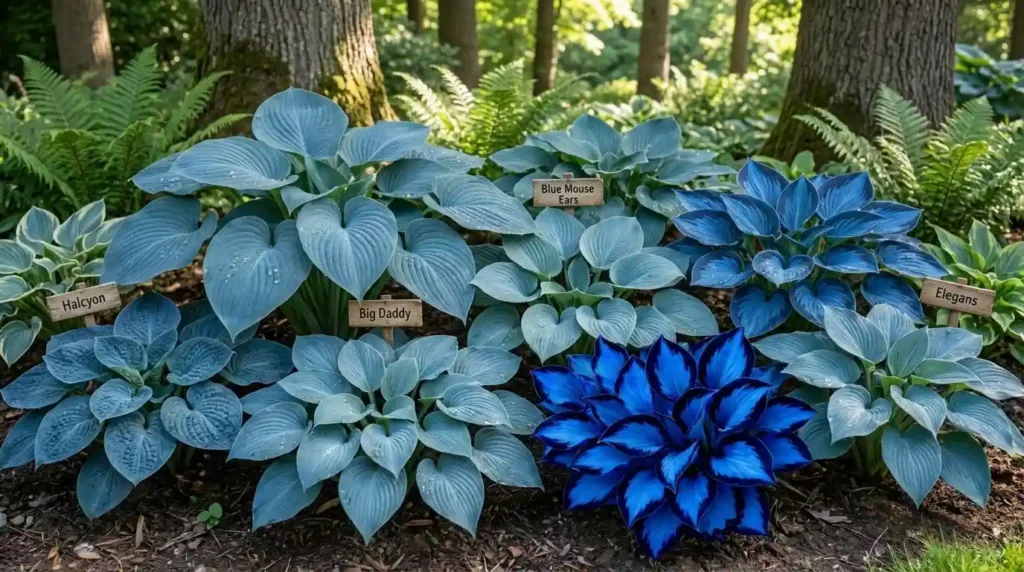
This midnight blue heart plant belongs to a bigger hosta family with plenty of blue-leaved cousins. Each variety brings its own leaf shape, size, and shade of blue to the garden. Here are a few notable varieties worth knowing about.
- Halcyon: A compact cultivar with steel-blue, heart-shaped leaves and a tidy, mounding habit. It’s a favorite for borders and small shade gardens.
- Blue Mouse Ears: A dwarf variety with thick, rounded, powder-blue leaves. Its small size makes it perfect for containers or rock gardens.
- Abiqua Drinking Gourd: Known for deeply cupped, puckered blue-green leaves. This one holds rainwater like a little bowl after storms.
- Blue Angel: A giant cultivar with huge, wavy blue-gray leaves. It makes a bold statement plant in larger shaded beds.
- Krossa Regal: An upright, vase-shaped variety with silvery-blue leaves and elegant, arching stems. It stands taller than most hostas, giving beds extra vertical interest.
Pruning
Prune only to remove yellowing or damaged leaves as they appear through the season. Cut spent flower stalks after blooming to keep things tidy.
In fall, once foliage dies back naturally, trim it down to the ground. Clean scissors or pruning shears work perfectly for this simple job.
Removing old foliage in fall also helps prevent pests and fungal spores from overwintering nearby. A quick once-over each season keeps your midnight blue heart plant looking its best.
Propagating Midnight Blue Heart Plant
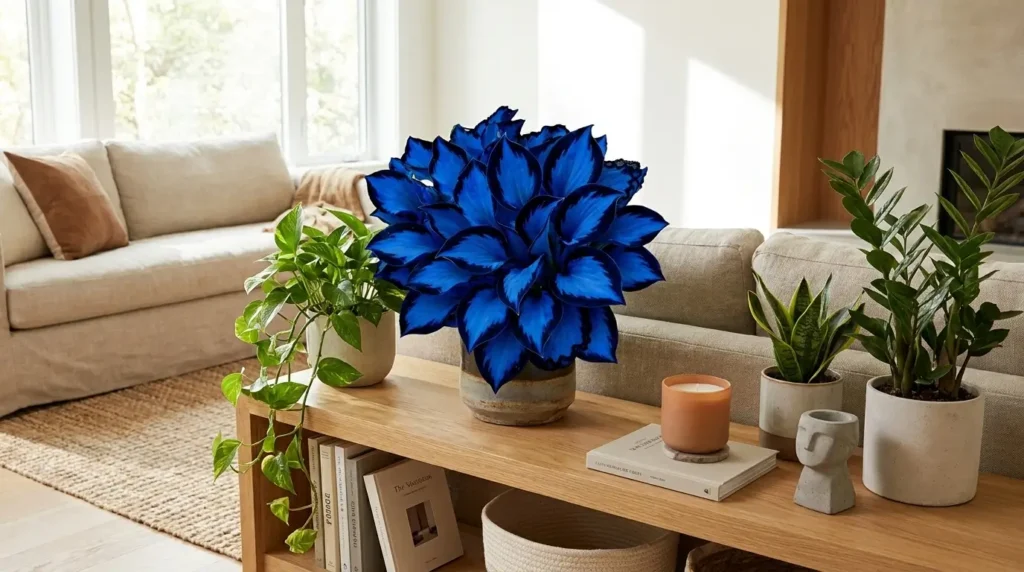
Best time to propagate this midnight blue heart plant is during early spring, right before new growth starts.
Propagating by Division
Division is the easiest and most reliable method for hostas like this one.
Materials needed:
- A clean, sharp garden spade or knife
- A tarp or empty pot
- Fresh potting soil
Steps:
- Step 1: Dig up the entire clump carefully, keeping as many roots intact as possible.
- Step 2: Use your spade or knife to split the clump into sections, each with roots and shoots.
- Step 3: Replant each new section immediately at the same depth it was growing before.
- Step 4: Water thoroughly right after replanting to help roots settle in.
Expect new growth within 2–4 weeks once the divisions are established. This is a great way to multiply your midnight blue heart plant for free. The maranta plant can also be divided this same way when it outgrows its pot.
Propagating by Seed
Seed propagation is slower and less predictable, but still fun to try. Collect seed pods after flowering, once they’ve dried on the plant.
Sow seeds in moist potting mix and keep them in indirect light. Germination can take several weeks, and your new midnight blue heart plant may show slight color variation from the parent. If you enjoy growing from seed, our aster flower care guide covers a similarly simple seed-starting process.
Potting and Repotting
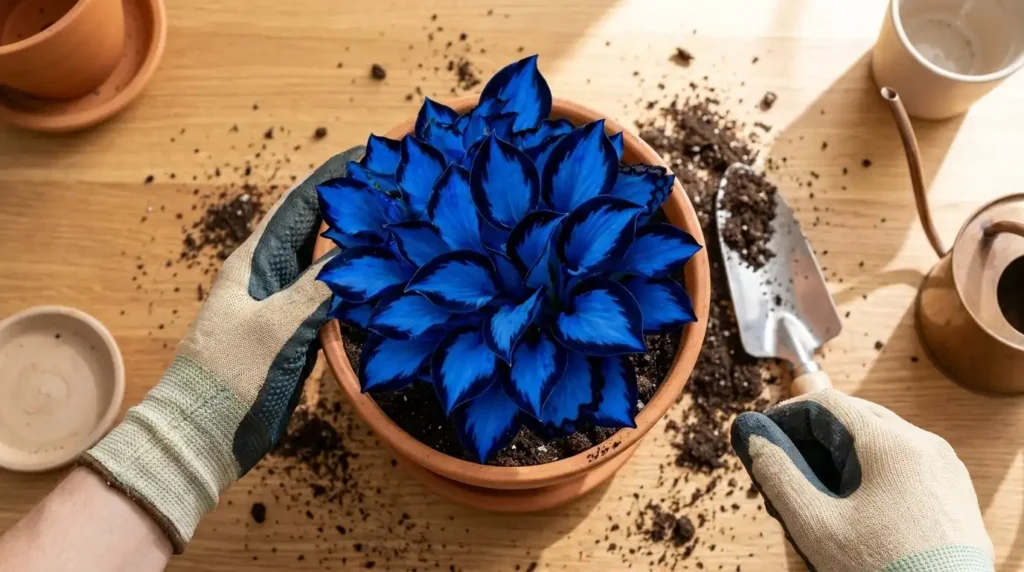
Repot your midnight blue heart plant when roots start poking out of drainage holes or growth noticeably slows down. Every 1–2 years is typical for this plant’s repotting schedule.
Choose a pot just 1–2 inches larger than the current one. Going too big too fast can actually stress the roots out.
Always use a pot with drainage holes, since soggy roots are this plant’s biggest enemy. Gently loosen the root ball before placing it into fresh soil.
Spring is the best time to repot, right as new growth begins. This gives roots plenty of time to settle in before the peak growing season kicks off.
Common Pests and Diseases
Like most houseplants, the midnight blue heart plant can occasionally attract a few common pests. Catching them early makes treatment much easier and less stressful.
Slugs and Snails
Look for ragged holes chewed through leaf edges overnight. Treat with iron phosphate bait or a beer trap nearby.
Aphids
Tiny green or black bugs cluster on new growth and stems. Spray them off with water or use insecticidal soap.
Spider Mites
Fine webbing and tiny yellow speckles on leaves are the giveaway. Treat with neem oil or a strong water spray.
Fungus Gnats
Small flies hovering near soil usually mean overly wet potting mix. Let soil dry out more between waterings to fix it.
Mealybugs
White, cottony clusters usually gather near leaf joints and stems. Dab them with rubbing alcohol on a cotton swab or use insecticidal soap.
For more on identifying and managing houseplant pests, Purdue Extension’s IPM resources offer solid, science-based guidance.
Common Problems
Here’s how to troubleshoot common issues:
Yellow Leaves
Yellowing leaves on a midnight blue heart plant are usually a watering or nutrient problem. Overwatering causes root rot, which shows up as yellow, mushy foliage. A nutrient deficiency can also cause pale yellowing between leaf veins. Sometimes it’s just natural aging of older leaves. Cut back watering and check drainage first. If you’ve seen this on your snake plant too, the fix is usually the same.
Brown Leaf Tips
Brown, crispy tips often point to low humidity or mineral buildup. Tap water with high mineral content can cause tip burn over time. Underwatering also dries leaf edges out quickly. Try filtered water and more consistent watering habits.
Drooping or Wilting Leaves
Drooping leaves usually mean a watering imbalance, either too much or too little. Check soil moisture right away to figure out which one it is. A quick deep watering or letting soil dry out usually perks things back up. This same troubleshooting works for a calathea showing similar wilting.
Leggy Growth
Leggy, sparse foliage almost always means not enough light. Move your plant to a brighter spot with indirect light. A light prune can also encourage fuller, bushier new growth.
Slow Growth or No New Growth
Slow growth is often caused by low light, poor nutrition, or being rootbound. Check whether it’s due for a bigger pot or fresh soil. A regular feeding schedule during the growing season usually kicks growth back into gear.
FAQ
Is the midnight blue heart plant real or a hybrid variety?
It’s a real hosta cultivar, bred for its blue-toned, heart-shaped leaves. It’s not a rare or fake trend plant at all.
Do midnight blue heart plants come back every year?
Yes, they’re perennials that die back each winter. New shoots return reliably every spring in USDA zones 3–9.
What is the best mulch for this plant?
Shredded bark or leaf mulch works best around the base. It holds moisture, suppresses weeds, and keeps roots cool.
Is this plant considered a true perennial?
Yes, it’s a true herbaceous perennial. It goes dormant in winter and regrows from its root system each spring.