

In This Article
Lilikoi (Passiflora edulis) is a vigorous climbing vine producing exotic purple or yellow fruits with distinctive tropical flavor. Native to South America, it features three-lobed leaves and intricate purple-white flowers. Thriving in zones 9-11, this moderate-care vine rewards growers with abundant aromatic fruits.
Lilikoi Care Card
| Attribute | Details |
|---|---|
| Common Name | Lilikoi, Passion Fruit, Purple Granadilla |
| Botanical Name | Passiflora edulis |
| Family | Passifloraceae |
| Plant Type | Perennial vine |
| Mature Size | 15-20 feet long (vine) |
| Sun Exposure | Full sun to partial shade |
| Soil Type | Well-draining, loamy, sandy |
| Soil pH | 6.5-7.5 (slightly acidic to neutral) |
| Hardiness Zones | 9-11 (USDA) |
| Native Area | South America (Brazil, Paraguay, Argentina) |
| Bloom Time | Spring through fall |
| Toxicity | Fruit is edible; leaves and unripe fruit can be toxic |
Lilikoi Care
Lilikoi thrives with consistent care once established in warm, sunny locations with excellent drainage. Here’s what you need to know about sun, soil, water, fertilizing, and providing proper support for this vigorous climber. With the right growing conditions and a sturdy trellis, this vine practically takes care of itself while producing abundant fruit.
Light
Lilikoi needs 6-8 hours of direct sunlight daily for optimal flowering and fruiting. Plant against south or west-facing structures for maximum sun exposure. In hot climates, provide afternoon shade to prevent leaf scorch and stress.
Soil
Lilikoi thrives in well-draining, loamy or sandy soil rich in organic matter with pH 6.5-7.5. Excellent drainage is critical to prevent root rot. According to Iowa State University Extension, proper soil preparation impacts vine productivity. Amend clay soils with compost, aged manure, and sand (2:1:1 ratio).
Water
Water lilikoi deeply once or twice weekly, providing 1-2 inches of water. Check soil moisture 2 inches deep before watering. Maintain consistent moisture during fruit development to prevent drop. Reduce watering in fall and winter when growth slows naturally.
Temperature and Humidity
Lilikoi thrives in 68-82°F and suffers damage below 32°F, though established roots may resprout in zone 9. Research from University of Florida IFAS Extension shows temperature fluctuations impact flowering and fruit quality. In marginal zones, plant near warm walls and mulch heavily for protection.
Fertilizer
Feed lilikoi with a balanced fertilizer (10-10-10) every 6-8 weeks during the growing season from spring through early fall. Alternatively, use organic compost or aged manure applied as a 2-inch layer around the root zone. Stop fertilizing in late fall to allow the vine to harden off before winter dormancy.
Types of Lilikoi
Several passion fruit varieties offer different flavors, colors, and growing characteristics. Here are the most popular types for home gardens:
Purple Passion Fruit (Passiflora edulis f. edulis): The classic lilikoi with deep purple skin when ripe, intensely aromatic yellow pulp, and sweet-tart flavor. This variety is more cold-hardy than yellow types and produces smaller but more flavorful fruits. It’s the preferred choice for cooler subtropical regions.
Yellow Passion Fruit (Passiflora edulis f. flavicarpa): Produces larger, golden-yellow fruits with slightly more acidic flavor than purple varieties. This vigorous grower thrives in truly tropical climates and resists certain soil-borne diseases better than purple types. Commercial growers often prefer this variety for juice production.
Frederick Passion Fruit: A purple-fruited hybrid that combines excellent flavor with improved disease resistance and larger fruit size. This variety sets fruit more reliably in cooler conditions and produces abundantly throughout the long growing season. It’s an excellent choice for home gardeners seeking consistent yields.
Panama Red Passion Fruit: Features reddish-purple skin and exceptionally sweet, aromatic pulp with less tartness than standard varieties. The vines produce prolifically and adapt well to container culture. This variety is harder to find but worth seeking out for its superior eating quality.
Pruning
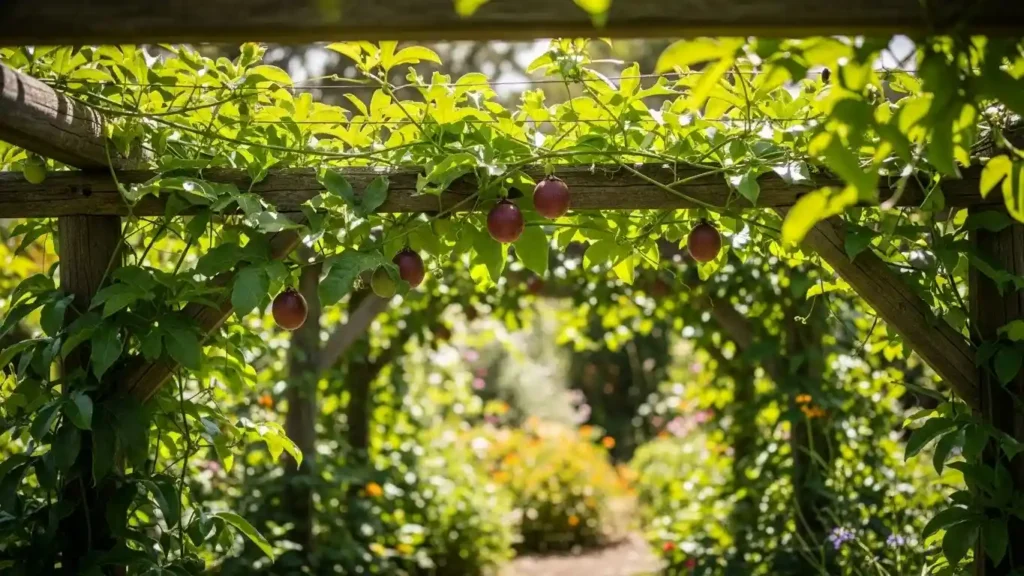
Prune lilikoi in late winter before new growth, removing dead or damaged wood first. Cut back lateral shoots to encourage bushing and remove crossing branches for airflow. Use sharp shears, cutting above leaf nodes at 45-degree angles. Prune up to one-third of growth to stimulate flowering and fruiting.
Propagating Lilikoi
The best time to propagate lilikoi is spring through early summer when plants are actively growing and weather is warm. This timing gives new plants an entire growing season to establish before winter. Successfully propagated vines typically produce fruit within 12-18 months.
Propagating by Stem Cuttings
This method produces plants identical to the parent vine and often fruits faster than seed-grown plants.
Materials needed:
- Sharp, clean pruning shears or knife
- 6-inch pots with drainage holes
- Well-draining potting mix (equal parts perlite and peat moss)
- Rooting hormone powder (optional but recommended)
- Clear plastic bags or humidity dome
Step 1: Select healthy, semi-hardwood stems from the current season’s growth, cutting 6-8 inch sections just below a leaf node. Remove leaves from the bottom half of each cutting, leaving 2-3 leaves at the top. Make a clean, angled cut to maximize the rooting surface area.
Step 2: Dip the cut end in rooting hormone powder and tap off excess, then insert cuttings 2-3 inches deep into moistened potting mix. Firm the soil gently around each cutting to eliminate air pockets and ensure good contact with the rooting medium.
Step 3: Water thoroughly and cover pots with clear plastic bags to maintain high humidity, propping the plastic away from leaves with stakes. Place in bright, indirect light at 70-80°F and mist daily to keep humidity high around the cuttings.
Step 4: Check for roots after 4-6 weeks by gently tugging on cuttings resistance indicates root development. Remove plastic coverings gradually over a week to acclimate plants, then transplant to larger pots or garden locations once roots are well-established.
Propagating from Seeds
Seeds offer the easiest propagation method, though plants may take 18-24 months to produce fruit and won’t always match the parent plant’s characteristics.
Step 1: Extract seeds from fully ripe passion fruits, wash away all pulp, and rub seeds between paper towels to remove the seed coating. Fresh seeds germinate best—sow within a few days of extraction for highest success rates.
Step 2: Sow seeds 1/4 inch deep in seed-starting mix, water well, and cover with plastic to maintain moisture. Keep at 70-85°F and expect germination in 10-20 days, though some seeds may take up to a month to sprout.
Step 3: Remove plastic once seedlings emerge and grow them in bright light, transplanting to larger pots when they reach 3-4 inches tall. Harden off gradually before transplanting outdoors after all frost danger has passed.
Planting and Transplanting Lilikoi
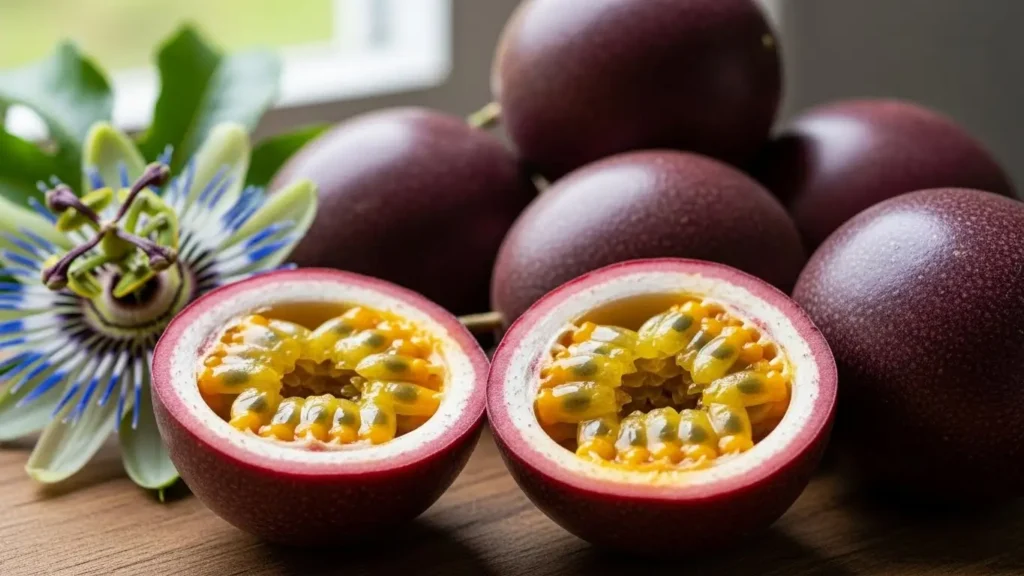
Plant lilikoi in spring when soil reaches 60°F, spacing vines 10-15 feet apart. Install sturdy support structures before planting. Dig holes twice as wide as root balls, mixing compost 1:1 with native soil. Water deeply and apply 2-3 inch mulch layer, keeping it away from stems.
Common Pests and Diseases
Like most garden plants, lilikoi can occasionally face pest or disease issues, though healthy vines growing in ideal conditions resist most problems naturally. According to University of California IPM, integrated pest management practices reduce chemical interventions while maintaining healthy vines.
Aphids
Look for clusters of small, soft-bodied insects on new growth, flower buds, and leaf undersides, often accompanied by sticky honeydew and distorted leaves. Treat with strong water spray, insecticidal soap, or neem oil applications repeated every 5-7 days until populations disappear.
Spider Mites
These tiny pests cause stippled, yellowing leaves and fine webbing on leaf undersides, thriving in hot, dry conditions. Spray plants thoroughly with water daily, increase humidity, and apply neem oil or insecticidal soap to all leaf surfaces, especially undersides.
Fruit Flies
Adult flies lay eggs in ripening fruits, causing larvae to feed inside and ruin the harvest. Hang yellow sticky traps near plants and harvest fruits slightly early, ripening them indoors away from pest pressure.
Fusarium Wilt
This soil-borne fungal disease causes sudden wilting, yellowing leaves, and eventual plant death with no effective treatment available. Prevent by planting in well-draining soil, avoiding overwatering, and choosing disease-resistant varieties like yellow passion fruit whenever possible.
Root Rot
Waterlogged soil conditions lead to brown, mushy roots and wilting despite moist soil. Improve drainage immediately, reduce watering frequency, and consider transplanting to raised beds if drainage cannot be improved in the current location.
Common Problems with Lilikoi
Here’s how to troubleshoot common issues:
Poor or No Fruit Production
Poor fruit set usually has simple fixes. Hand-pollinate flowers in early morning if pollinators are scarce. Ensure 6-8 hours direct sunlight daily and avoid high-nitrogen fertilizers that promote leaves over fruit. Maintain consistent watering during flowering and fruiting periods.
Yellowing or Browning Leaves
Yellowing leaves indicate overwatering or nutrient deficiencies check soil moisture and feed with balanced fertilizer. Browning edges suggest salt buildup from overfertilizing. Yellowing between veins signals iron deficiency in alkaline soils. Similar to croton plants, lilikoi shows stress through leaf discoloration first.
Wilting or Drooping
Wilting despite adequate moisture indicates root problems or stress. Underwatering is most common water deeply and maintain consistent moisture. Transplant shock resolves within a week with extra water and shade. Like alocasia polly, lilikoi has sensitive roots responding quickly to water stress.
Leggy or Sparse Growth
Thin, stretched-out growth with long gaps between leaves indicates inadequate light. Move the plant to a sunnier location receiving at least 6 hours of direct sun daily for bushier, more compact growth. Surprisingly, too much nitrogen fertilizer also causes excessive leafy growth without flowering reduce nitrogen and switch to a balanced formula with equal NPK ratios. Prune back leggy stems to encourage branching and bushier growth from lower on the vine.
Fruit Drop
Premature fruit drop stems from correctable stress factors. Maintain consistent soil moisture throughout fruiting periods and protect plants from temperature swings below 50°F. Apply balanced fertilizer every 6-8 weeks during active growth and address pest infestations promptly to prevent stress-induced drop.
Frost Damage
Frost-damaged foliage appears blackened and wilted, though established roots survive in zone 9. Cut back damaged growth in spring and wait for new shoots. Protect with frost cloth and heavy mulch. Like bougainvillea plants, proper winter preparation ensures spring recovery.
FAQ
Are lilikoi and passion fruit the same?
Yes, lilikoi is the Hawaiian name for passion fruit, specifically referring to Passiflora edulis, the purple or yellow passion fruit commonly grown for edible fruits throughout tropical and subtropical regions worldwide.
What does lilikoi mean in Hawaiian?
Lilikoi is the Hawaiian word for passion fruit and has no other translation it’s the name Hawaiians gave this introduced fruit that thrives in the islands’ warm, sunny climate and volcanic soils.
How do you pronounce lilikoi?
Pronounce lilikoi as “LEE-lee-KOY” with emphasis on the first syllable, following standard Hawaiian pronunciation where each vowel is pronounced separately rather than blended together as in English diphthongs.
What is the flavor of lilikoi?
Lilikoi tastes intensely tropical with a balanced sweet-tart flavor, combining notes of citrus, pineapple, and mango with floral undertones and pronounced tanginess that makes it perfect for juices, desserts, and tropical cocktails.