
In This Article
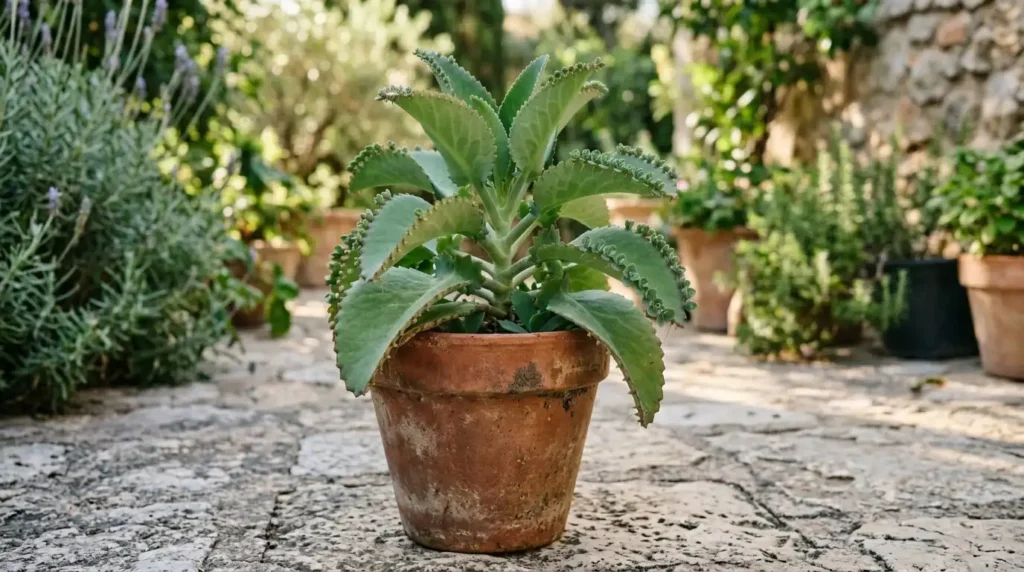
The leaf of life plant (Kalanchoe pinnata) is a fleshy-leaved succulent known for scalloped, plantlet-studded leaves and clusters of bell-shaped flowers. Native to Madagascar, it thrives in USDA zones 9-11. Honestly, it’s an easy grower even beginners can enjoy.
Plant Care Card
| Category | Details |
|---|---|
| Common Name | Leaf of Life |
| Botanical Name | Kalanchoe pinnata |
| Family | Crassulaceae |
| Plant Type | Succulent perennial |
| Mature Size | 3-6 ft x 1-3 ft |
| Sun Exposure | Full sun to partial shade |
| Soil Type | Well-draining, sandy |
| Soil pH | Neutral to slightly acidic (6.0-7.0) |
| Hardiness Zones | 9-11 |
| Native Area | Madagascar |
| Bloom Time | Winter to spring |
| Toxicity | Toxic to pets and livestock |
Leaf of Life Plant Care
Here’s the thing: the leaf of life plant practically takes care of itself once it’s settled into the right spot. Below, you’ll find everything you need on sun, soil, water, temperature, and feeding. With decent light and dry-ish soil, this succulent rewards you with minimal fuss and steady, reliable growth.
Light
The leaf of life plant loves full sun but tolerates partial shade nicely. Aim for at least 6 hours of direct light daily. Too little light causes leggy, stretched stems and fewer blooms. A south-facing window or patio spot works best.
Soil
A well-draining, sandy mix keeps roots happy and rot-free. Standard cactus or succulent potting soil is ideal here. Neutral pH suits it fine. For DIY mixes, try 2 parts potting soil to 1 part perlite, and check out this university guide on soil drainage basics for more tips.
Water
Let the soil dry out completely between waterings, then soak thoroughly. Water every 2-3 weeks, less in winter. Overwatering shows as mushy, translucent leaves, while underwatering causes wrinkling. If you enjoy easy-care succulents, aloe vera thrives under a nearly identical drought-tolerant routine.
Temperature and Humidity
Ideal daytime temps sit between 65-85°F. The leaf of life plant has zero frost tolerance, so bring containers indoors before cold snaps. It handles heat and dry air with ease. Mulching helps insulate outdoor roots in borderline zones.
Fertilizer
Feed the leaf of life plant lightly with a diluted balanced fertilizer monthly during spring and summer. Skip fertilizing entirely in fall and winter dormancy, following this extension guide on succulent feeding. Too much feed causes weak, leggy growth instead of sturdy stems. Less is truly more here.
Types of Leaf of Life
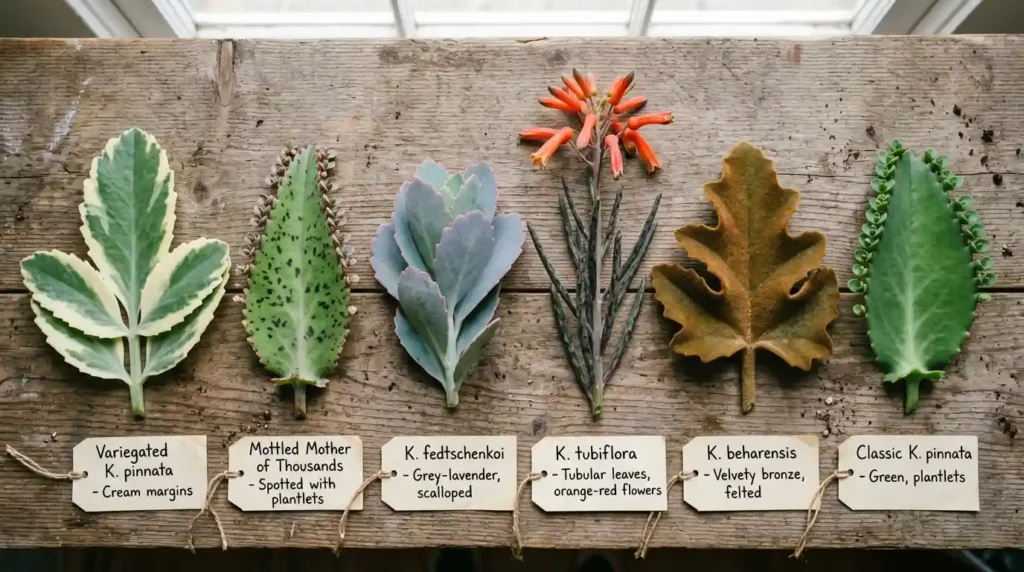
The leaf of life plant family includes several notable varieties gardeners love collecting. Each brings a slightly different look while sharing that same easy-care succulent charm, and most tolerate the same sandy, well-draining soil and bright light. Here are some standouts worth seeking out if you’d like to expand your collection beyond the classic species:
- Kalanchoe pinnata ‘Variegata’: Features creamy white leaf margins alongside the classic green. Slower growing than the species, it’s prized for container displays.
- Mother of Thousands (Kalanchoe daigremontiana): A close cousin with narrow, mottled leaves that produce dozens of tiny plantlets along the edges.
- Kalanchoe fedtschenkoi (Lavender Scallops): Grey-lavender foliage with scalloped edges, forming low, spreading clumps.
- Kalanchoe tubiflora (Chandelier Plant): Tall, tubular leaves topped with orange-red tubular flowers, striking as a focal specimen.
- Kalanchoe beharensis (Felt Plant): Large, velvety, wavy leaves in bronze tones, better suited to warm, dry gardens.
- Kalanchoe pinnata ‘Air Plant’: The classic form gardeners pass along as plantlets, beloved for its resilience and folklore uses.
Pruning
Prune your leaf of life plant in early spring before new growth kicks in, or right after flowering finishes for the season. Remove dead or leggy stems, spent flower stalks, and any damaged or yellowing leaves you spot along the way.
Cut just above a leaf node using clean, sharp bypass shears, angling the cut slightly to shed water. This encourages bushier, more compact growth and keeps the plant from toppling under its own weight as it matures. Regular trims also improve airflow around the base, which helps prevent fungal issues like powdery mildew from taking hold.
Wipe your shears with rubbing alcohol between cuts to avoid spreading disease between plants. A tidy, well-pruned plant blooms better and stays noticeably healthier overall.
Propagating Leaf of Life
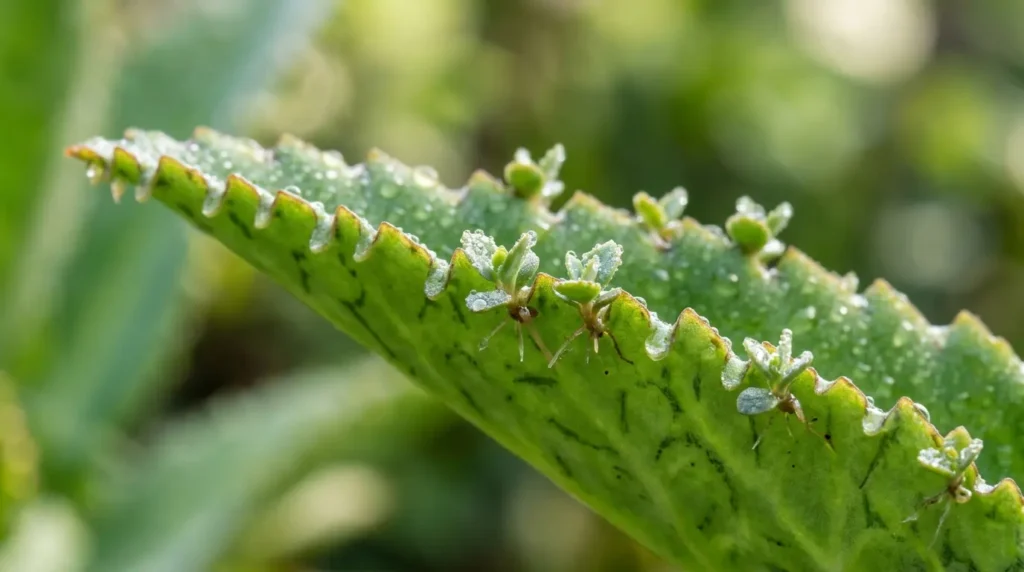
Spring and summer are the best times to propagate, since the leaf of life plant is actively growing and roots form fastest then.
Propagating by Plantlets
This succulent is famous for growing baby plantlets right along its leaf edges, a trait that gives the leaf of life plant its nickname “Mother of Millions.” It’s arguably the easiest propagation method around, and you’ll often find dozens of tiny plantlets ready to go on a single mature leaf.
You’ll need:
- A small pot with well-draining soil
- A gentle hand
- A spray bottle for misting
- Optional rooting hormone for faster results
Steps:
- Wait until plantlets develop several tiny leaves and roots.
- Gently pluck each plantlet from the mother leaf’s edge.
- Nestle the plantlet’s roots into moist, well-draining soil.
- Place the pot somewhere bright but shaded from harsh afternoon sun.
- Mist lightly every few days until established.
Expect roots to anchor within 2-3 weeks, with visible new growth soon after.
Propagating by Leaf Cuttings
If plantlets aren’t available, whole leaf cuttings work as a reliable backup method for the leaf of life plant, and this approach lets you propagate several new plants from a single donor stem.
Gather a healthy leaf, a knife, and a tray of cactus soil. Let the cut edge callus two days, then lay it flat rather than burying it. Mist lightly every few days. Plantlets sprout from the notches in weeks, like how string of turtles propagates. Pot each rooted baby once established.
Planting and Transplanting
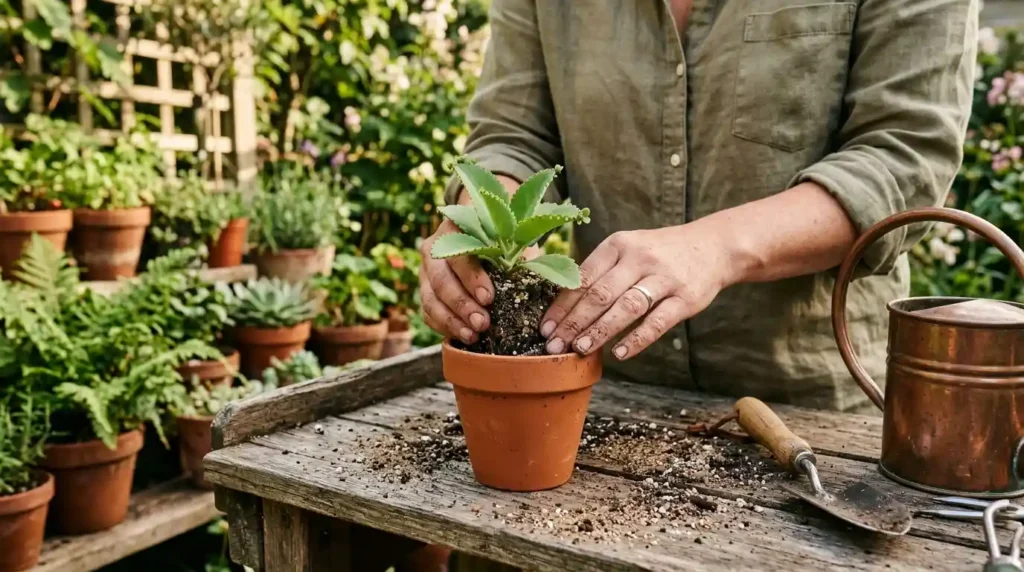
Plant your leaf of life plant outdoors in spring once frost danger fully passes, spacing plants 12-18 inches apart to allow for its mature spread. Set them at the same depth they sat in their nursery container, never deeper.
Choose a well-draining spot and mix in coarse sand or perlite if your soil holds too much water. Water lightly right after planting to help roots settle in, then hold off for a week. Avoid soggy ground entirely, since this succulent’s roots rot fast in standing water.
Transplant or divide crowded clumps every 2-3 years in early spring, moving them gently to fresh, sandy soil. Loosen the root ball carefully first, then replant at the original depth and water in lightly.
Common Pests and Diseases
Like most garden succulents, the leaf of life plant can occasionally face a few pest or disease issues worth watching for, especially in overly damp or crowded conditions.
Aphids
Look for clusters of tiny green or black insects on new growth. Treat with insecticidal soap or a strong water spray.
Spider Mites
Fine webbing and stippled, dull leaves signal an infestation. Treat with neem oil or increased humidity around the plant.
Powdery Mildew
A white, powdery coating appears on leaves in humid, crowded conditions. Improve airflow and treat with a sulfur-based fungicide.
Root Rot
Mushy, blackened roots and wilting despite moist soil are telltale signs. Repot immediately into dry, fresh soil, much like the rescue routine used for kalanchoe with root rot.
Caterpillars and Leaf Miners
Chewed edges or winding trails inside leaves point to these pests. Handpick caterpillars and use university IPM guidance for leaf miner control.
Common Problems
Here’s how to troubleshoot the most common issues gardeners run into with this succulent:
Poor or No Blooms
Not seeing flowers on your leaf of life plant? Insufficient sunlight is the top culprit, since this succulent needs bright light to bud. Over-fertilizing pushes leafy growth instead of blooms, while improper pruning removes flower buds by accident. Move it to a sunnier spot, cut back on feeding, and prune only after flowering ends.
Yellow or Browning Leaves
Yellowing leaves usually point to overwatering, which suffocates roots and blocks nutrient uptake. Poor drainage compounds the problem by trapping excess moisture around roots. Nutrient deficiency can also cause pale, yellowing foliage. Let soil dry fully, improve drainage, and feed lightly during the growing season. If this sounds familiar, astilbe faces similar yellowing from soggy soil.
Wilting or Drooping
Underwatering is the most common cause of sudden wilting in this drought-tolerant succulent. Transplant shock can also cause temporary drooping after a move. Heat stress during extreme summer days adds further strain. Water deeply, provide light afternoon shade, and give new transplants a few weeks to recover.
Leggy or Sparse Growth
Stretched, thin stems on a leaf of life plant almost always mean insufficient light reaching it. Over-fertilizing can also encourage weak, leggy growth instead of compact form. Move the plant somewhere brighter, much like golden barrel cactus needs for tight, compact growth, and prune back leggy stems to encourage bushier regrowth.
Slow Growth
Cool temperatures or a cramped, root-bound pot often slow this succulent’s growth noticeably. Nutrient-poor soil can stall growth too, even with adequate light. Repot into fresh soil, keep temperatures warm, and feed lightly once growth resumes.
FAQ
What is the leaf of life plant good for?
Traditionally, people used it in folk remedies for minor skin irritations and coughs. Modern research is limited, so treat it as a garden curiosity, not medicine.
Can you eat the leaf of life plant raw?
The leaves contain compounds that can be toxic in larger amounts. Avoid eating it raw, and check with a doctor before trying any herbal use.
Can you grow the leaf of life plant indoors?
Yes, it adapts well to bright indoor windowsills. Just make sure it gets several hours of direct sunlight daily for healthy growth.
How often should I drink leaf of life plant tea?
This isn’t something to determine on your own. Speak with a qualified healthcare provider before consuming any herbal preparation regularly.