
In This Article
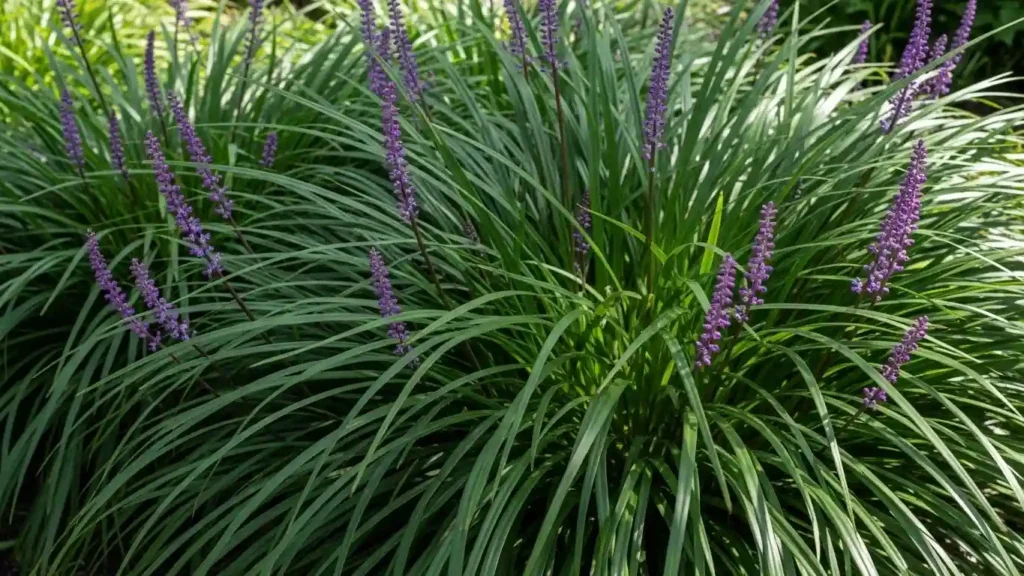
Monkey grass (Liriope muscari or Ophiopogon japonicus) is a versatile evergreen perennial forming dense clumps with grass-like foliage and purple flower spikes. Native to East Asia, this hardy groundcover thrives in zones 5-10. Honestly, it’s incredibly forgiving, tolerating neglect, poor soil, drought, and deep shade effortlessly.
Monkey Grass Care Card
| Attribute | Details |
|---|---|
| Common Name | Monkey Grass, Lilyturf, Border Grass |
| Botanical Name | Liriope muscari, Ophiopogon japonicus |
| Family | Asparagaceae |
| Plant Type | Evergreen perennial groundcover |
| Mature Size | 8-18 inches tall, 12-18 inches wide |
| Sun Exposure | Full sun to full shade |
| Soil Type | Well-draining, adaptable to most soils |
| Soil pH | 6.0-7.5 (slightly acidic to neutral) |
| Hardiness Zones | 5-10 (USDA) |
| Native Area | East Asia (Japan, China, Korea) |
| Bloom Time | Late summer to early fall |
| Toxicity | Mildly toxic to dogs and cats if ingested |
Monkey Grass Care
Monkey grass thrives with minimal care once established, tolerating a wide range of conditions from full sun to deep shade. Here’s what you need to know about light, soil, water, and basic maintenance requirements for this resilient groundcover. With proper placement, this plant practically cares for itself and spreads to fill bare spots naturally.
Light
Monkey grass adapts to full sun or full shade, performing best with 4-6 hours of sunlight daily. Plant under trees, along walkways, or in sunny borders with morning sun and afternoon shade. In hot climates, afternoon shade prevents leaf scorch.
Soil
Monkey grass thrives in clay, loam, and sandy soils with reasonable drainage, preferring pH 6.0-7.5. According to Penn State Extension, amending poor soils with 2-3 inches of compost improves establishment. Avoid constantly waterlogged areas, though it tolerates occasional flooding better than most perennials.
Water
Water monkey grass weekly during the first season, providing 1 inch of water. Check soil moisture 2 inches deep before watering. Once established, this drought-tolerant groundcover survives on rainfall, needing water only every 2-3 weeks during extended droughts.
Temperature and Humidity
Monkey grass tolerates temperatures from -20°F to 100°F, thriving in zones 5-10 without protection. It handles high humidity and dry conditions equally well. Research from University of Georgia Extension shows established plants need no winter protection. In zone 5, foliage may brown but regrows vigorously in spring.
Fertilizer
Feed monkey grass with balanced slow-release fertilizer (10-10-10) once in early spring as new growth emerges. Apply according to package directions, typically 1-2 pounds per 100 square feet of planting area. Alternatively, spread a 1-inch layer of compost around plants annually to provide gentle, steady nutrition throughout the growing season. Avoid fertilizing after midsummer to allow plants to harden off before winter.
Types of Monkey Grass
Several monkey grass varieties offer different sizes, colors, and growing characteristics for various landscape uses:
Big Blue Liriope (Liriope muscari ‘Big Blue’): The most popular variety features broad, deep green leaves and abundant violet-blue flower spikes in late summer. Plants reach 12-15 inches tall and spread moderately, creating dense clumps perfect for edging and mass plantings. This variety tolerates full sun better than most liriope cultivars.
Variegated Liriope (Liriope muscari ‘Variegata’): Striking cream-and-green striped foliage brightens shaded areas where solid green varieties might look dark. It produces purple flowers and grows 10-12 inches tall with slower spreading habits than green varieties. This cultivar needs some sunlight to maintain vibrant variegation patterns.
Mondo Grass (Ophiopogon japonicus): True mondo grass grows only 4-6 inches tall with extremely fine, dark green foliage perfect for detailed edging work. This species spreads slowly by underground runners rather than clumping like liriope and tolerates more shade. It creates elegant, carpet-like groundcover in Asian-inspired gardens.
Black Mondo Grass (Ophiopogon planiscapus ‘Nigrescens’): Dramatic near-black foliage makes this 6-8 inch tall variety a striking accent plant for borders and containers. It produces pale pink flowers and black berries, spreading very slowly to form neat clumps. This variety needs at least partial sun to develop the darkest leaf color.
Aztec Grass (Ophiopogon intermedius): A taller variety reaching 18-24 inches with coarser texture than standard mondo grass. It tolerates mowing for lawn alternatives in low-traffic areas and spreads moderately by runners. The larger size makes it useful for filling bigger spaces quickly.
Pruning
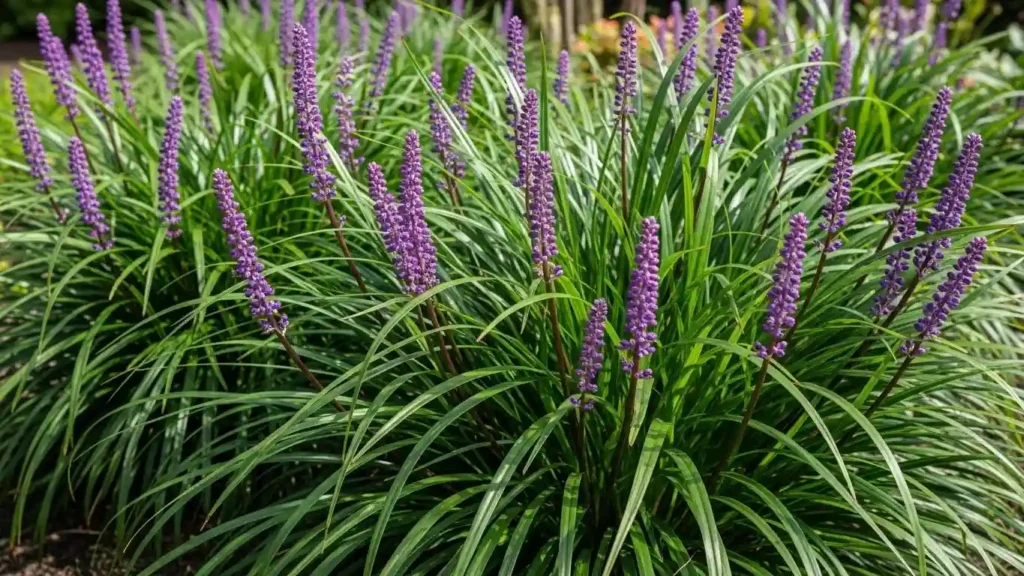
Prune monkey grass annually in late winter before new growth, cutting foliage to 2-3 inches above the crown using hedge shears or mowers. Use sharp tools and high blade settings to avoid damaging crowns. Annual pruning rejuvenates plants and encourages vigorous growth.
Propagating Monkey Grass
The best propagation time is early spring as new growth begins or early fall when temperatures cool and rainfall increases. These seasons provide ideal conditions for root establishment before summer heat or winter cold stress plants. Successfully divided monkey grass establishes quickly and fills in within one growing season.
Propagating by Division
Division produces the fastest results and maintains exact characteristics of parent plants, making it the preferred propagation method.
Materials needed:
- Sharp spade or garden fork
- Pruning shears or knife
- Compost or planting mix
- Mulch
- Water source
Step 1: Dig around the entire clump 4-6 inches from the center, working the spade or fork underneath to lift the root mass without damaging crowns. Shake off excess soil to expose roots and individual crowns clearly. For large, established clumps, you may need to cut through dense root systems with a sharp spade.
Step 2: Pull or cut the clump into sections containing 3-5 shoots each with attached roots—smaller divisions establish faster than large chunks. Trim damaged or dead roots with clean pruners and cut foliage back to 4-6 inches to reduce water stress during establishment. Discard any sections with mushy, diseased roots or crowns.
Step 3: Replant divisions immediately at the same depth they were growing originally, spacing 8-12 inches apart for groundcover effect or 12-18 inches for individual accent plants. Water thoroughly after planting and apply 2-3 inches of mulch around plants, keeping mulch away from crowns to prevent rot.
Step 4: Water divisions every 2-3 days for the first 2 weeks, then weekly for 6-8 weeks until plants show vigorous new growth. Expect divisions to fill in and reach mature size within 1-2 growing seasons depending on spacing and growing conditions.
Propagating from Seeds
Seed propagation takes longer and may not produce plants identical to parents, but works for creating large quantities inexpensively.
Step 1: Collect ripe berries in fall when they turn black and soft, then extract seeds by crushing berries and rinsing away pulp. Sow seeds immediately in fall or stratify in refrigerator for 60-90 days before spring sowing for better germination rates.
Step 2: Plant seeds 1/4 inch deep in seed trays filled with moistened seed-starting mix, keeping soil consistently moist but not waterlogged. Place in bright, indirect light at 65-75°F and expect sporadic germination over 4-12 weeks as seeds have variable dormancy periods.
Step 3: Transplant seedlings to individual pots when they develop 3-4 leaves and grow them in containers for one full season before transplanting to garden locations. Seed-grown monkey grass typically takes 2-3 years to reach flowering size and mature appearance.
Planting and Transplanting Monkey Grass
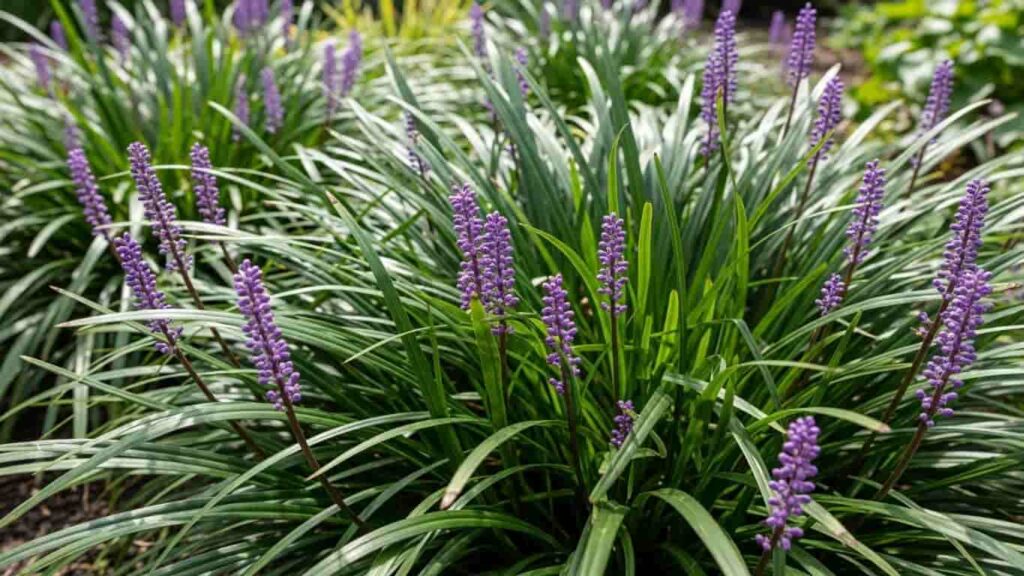
Plant monkey grass in spring or early fall, spacing 8-12 inches apart for faster coverage. Dig holes as deep as root balls, set at same depth, and backfill with soil-compost mix (3:1). Apply 2-3 inch mulch layer. Similar to dividing snake plant, divide every 3-4 years to maintain vigor.
Common Pests and Diseases
Like most garden plants, monkey grass can occasionally face pest or disease issues, though healthy plants in proper conditions resist most problems naturally. According to Clemson University Extension, established plantings rarely require pest treatments when grown with adequate spacing and air circulation.
Slugs and Snails
Look for irregular holes in foliage and silvery slime trails on leaves and surrounding soil, particularly in shady, moist locations with heavy mulch. Treat by removing excess mulch, handpicking pests in evening hours, or applying iron phosphate bait around affected plants every 2 weeks until damage stops.
Scale Insects
These small, brown, oval bumps attach to leaf blades and stems, causing yellowing and stunted growth through sap-sucking feeding damage. Treat light infestations by scraping scales off with fingernails or applying horticultural oil spray to all plant surfaces, repeating every 7-10 days for three applications to kill hatching crawlers.
Anthracnose
This fungal disease causes brown or tan spots with dark borders on leaves, often occurring during prolonged wet weather with poor air circulation. Remove and destroy infected foliage, improve spacing between plants for better airflow, and apply copper-based fungicide if disease persists or spreads rapidly through plantings.
Crown Rot
Waterlogged soil conditions lead to mushy, brown crowns and yellowing, wilting foliage despite adequate moisture, eventually killing entire clumps. Improve drainage immediately by amending soil with coarse sand or transplanting to raised beds, as no effective treatment exists once crown rot establishes in plants.
Spider Mites
Tiny pests cause fine stippling and yellowing on leaves with fine webbing visible on foliage during heavy infestations in hot, dry conditions. Spray plants forcefully with water every 2-3 days to dislodge mites, increase irrigation during dry spells, or apply insecticidal soap to all leaf surfaces if populations persist.
Common Problems with Monkey Grass
Here’s how to troubleshoot common issues:
Brown Leaf Tips
Brown leaf tips are usually cosmetic, not serious. Inconsistent watering during establishment causes tip browning maintain even moisture the first season. Fluoride in tap water also causes burn use rainwater or let water sit 24 hours. Trim brown tips with scissors if desired.
Yellow or Brown Leaves
Widespread yellowing indicates environmental stress. Overwatering causes yellowing with possible crown rot improve drainage immediately. Winter cold browns leaves in zones 5-6 cut back in spring for regrowth. Like spider plant care, monkey grass shows stress through discolored foliage first.
Sparse or Thin Growth
Thin, weak clumps need environmental adjustments or division. Extremely dense shade reduces vigor provide some filtered sunlight for lusher growth. Overcrowded clumps with dead centers need division every 3-4 years. Nutrient-depleted soil limits growth apply slow-release fertilizer or 1-inch compost layer annually.
Slow Spreading
Slow spreading often requires patience. Young plants take 2-3 seasons to establish and spread actively. Cool weather in zones 5-6 slows growth compared to warmer zones. Poor soil needs compost and balanced fertilizer for vigorous growth. Space divisions 8-10 inches apart for faster coverage.
Plants Not Flowering
Lack of flowers stems from correctable cultural issues. Deep shade eliminates flowering provide at least 4 hours of sunlight for reliable blooms. Young divisions need 1-2 seasons to mature before flowering. Excessive nitrogen promotes foliage over flowers switch to balanced or phosphorus-heavy formulas.
Dead Centers in Clumps
Dead centers occur after 4-6 years as crowns become overcrowded and exhaust soil nutrients. Dig clumps in early spring, discard dead centers, divide healthy outer sections, and replant with compost-amended soil. Similar to elephant ears plant, periodic division rejuvenates monkey grass.
FAQ
What is monkey grass good for?
Monkey grass excels as low-maintenance groundcover for difficult areas including deep shade, slopes, and dry spots where other plants struggle to grow successfully and attractively year-round.
What are the cons of monkey grass?
Monkey grass spreads aggressively in some gardens, requires annual pruning for best appearance, shows brown foliage in cold winters, and causes mild toxicity if pets ingest leaves.
Is monkey grass the same as Liriope?
Monkey grass refers to both Liriope species and Ophiopogon species, though liriope grows in clumps while ophiopogon spreads by runners, creating slightly different growth patterns and textures.
Is monkey grass toxic to dogs?
Yes, monkey grass contains saponins causing mild digestive upset including vomiting and diarrhea if dogs eat significant quantities, though serious poisoning rarely occurs from casual nibbling.
2 thoughts on “How to Grow and Care for Monkey Grass”
Comments are closed.