
In This Article
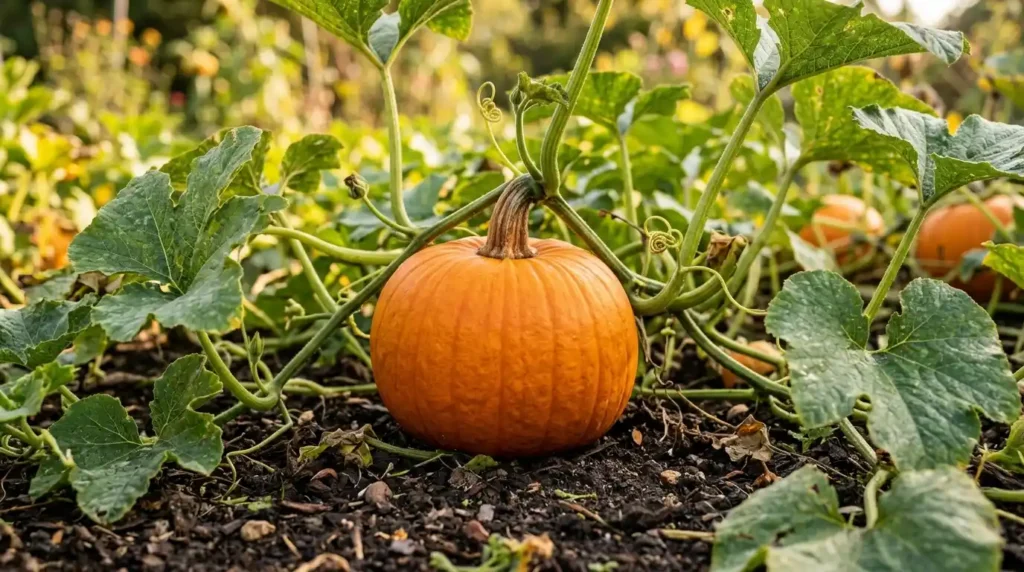
The pumpkin plant (Cucurbita pepo) is a fall garden classic with bold orange fruits and sprawling vines. Native to North America, it thrives in zones 3–9. Care is moderate pumpkins need space, sun, and consistent watering. This guide covers everything from soil prep to harvest.
Pumpkin Plant Care Card
| Field | Details |
|---|---|
| Common Name | Pumpkin |
| Botanical Name | Cucurbita pepo |
| Family | Cucurbitaceae |
| Plant Type | Annual vine |
| Mature Size | Vines 6–20 ft long; fruit varies by variety |
| Sun Exposure | Full sun |
| Soil Type | Rich, well-draining, loamy |
| Soil pH | 6.0–6.8 (slightly acidic to neutral) |
| Hardiness Zones | 3–9 |
| Native Area | North America, Mexico |
| Bloom Time | Summer |
| Toxicity | Non-toxic to humans and most pets |
Pumpkin Plant Care
Pumpkin plants are vigorous growers that reward a little planning with an impressive harvest. Here’s what you need to know about sun, soil, water, and maintenance. With the right setup, these plants practically take care of themselves once they get going.
Light
Pumpkin plants need full sun at least 6 to 8 hours daily. Consistent sunlight fuels vine growth and pollination. Without enough light, plants produce lush foliage but little fruit.
Choose the sunniest spot in your garden, ideally a south-facing bed. In hot climates, light afternoon shade is fine.
Soil
Pumpkins need rich, loamy soil with excellent drainage and a pH of 6.0–6.8. According to Penn State Extension, compost amendments before planting are key. For clay soil, add coarse sand to improve drainage. Avoid low spots where water collects after rain.
Water
Water pumpkins deeply once or twice a week about 1 inch per session. Use drip irrigation or soaker hoses to keep foliage dry. Water more during summer heat, less as vines mature. Yellowing leaves signal overwatering; midday wilting means your pumpkin plant needs more water.
Temperature and Humidity
Pumpkins thrive between 65°F and 95°F and are frost-sensitive don’t plant until soil reaches 60°F. Poor air circulation in humid conditions invites fungal disease. If frost threatens near harvest, cover fruits overnight with burlap. Mulching around vines helps regulate soil temperature during cool nights.
Fertilizer
Feed pumpkin plants with a balanced 10-10-10 fertilizer at planting, then switch to a low-nitrogen, high-phosphorus formula once flowering begins. Too much nitrogen encourages leafy growth at the expense of fruit. Apply every 3–4 weeks during the growing season, and stop fertilizing once fruits reach full size.
Types of Pumpkin Plants
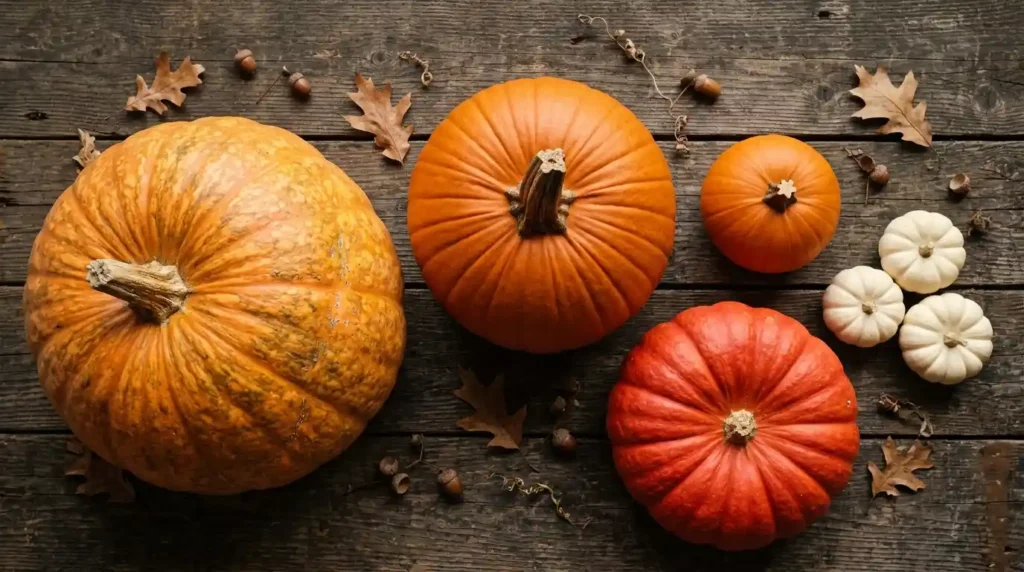
Pumpkins come in a remarkable range of shapes, sizes, and colors. Here’s a quick look at popular varieties worth growing:
- Jack-o’-Lantern (Cucurbita pepo ‘Howden’): The classic carving pumpkin. Deep orange, round, and ribbed perfect for Halloween displays and also great for roasting.
- Sugar Pie (Cucurbita pepo ‘Sugar Pie’): Small, sweet, and dense-fleshed. This is the go-to variety for pies, soups, and baking. Vines are more compact than standard types.
- Cinderella (Cucurbita maxima ‘Rouge Vif d’Etampes’): A stunning flat, deeply ribbed French heirloom with vivid red-orange skin. Primarily ornamental but edible.
- Atlantic Giant (Cucurbita maxima ‘Atlantic Giant’): The variety behind world-record pumpkins. Requires a lot of space, consistent feeding, and extra care but the results are jaw-dropping.
- Baby Boo: Tiny white pumpkins perfect for fall décor. Great for small gardens and containers.
Pruning
For most home gardeners, light pruning keeps pumpkin vines manageable and encourages bigger, better fruit. The best time to prune is mid-summer, once vines are well-established and flowers have appeared. Remove any secondary vines (called lateral runners) that divert energy away from fruit development. Pinching off the growing tip of the main vine after 2–3 fruits have set also helps the plant focus its energy.
Use clean, sharp pruning shears to avoid tearing stems. Cut secondary runners back to the main vine, and remove any yellowing, dead, or diseased leaves throughout the season. Regular pruning also improves airflow, which reduces the risk of powdery mildew a common problem for cucurbits. Similar vine management techniques apply to related climbing plants like mandevilla and dipladenia.
Propagating Pumpkin Plants
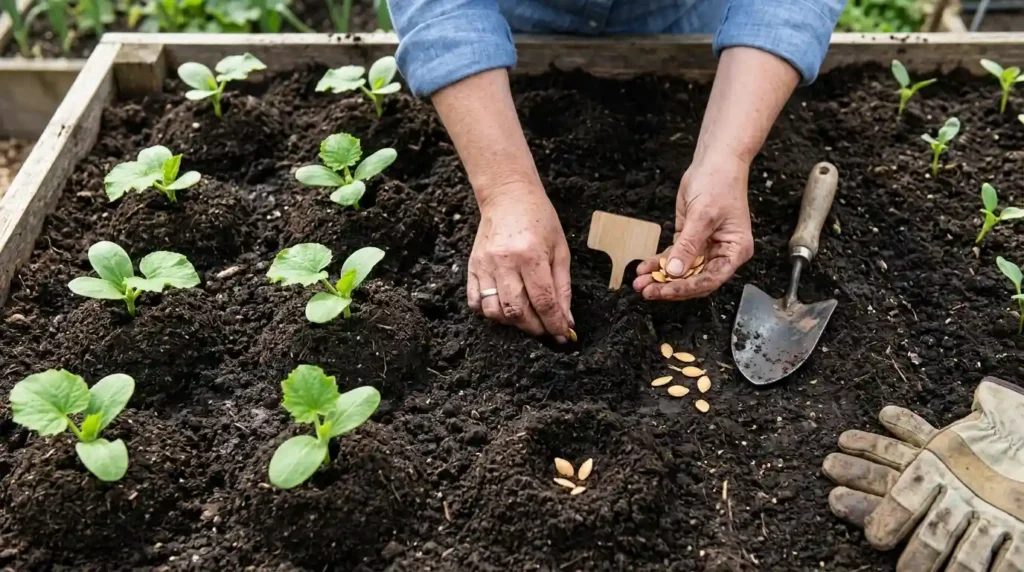
The best time to propagate pumpkin plants is in late spring, once temperatures are reliably warm and there’s no frost risk. Pumpkins are almost always grown from seed, which is the easiest and most reliable method.
Propagating from Seeds
Starting pumpkin plants from seed is straightforward, whether you sow directly outdoors or start indoors a few weeks early.
Materials needed:
- Fresh pumpkin seeds (saved or purchased)
- Seed-starting mix or rich garden soil
- Biodegradable pots (for indoor starting)
- Watering can or gentle hose
Step 1: If starting indoors, sow seeds 2–4 weeks before your last frost date. Plant seeds 1 inch deep in biodegradable pots filled with moist seed-starting mix. Place in a warm location soil temperature should be at least 70°F for good germination.
Step 2: Keep soil consistently moist but not soggy. Seeds typically germinate in 5–10 days. Once seedlings have two true leaves, thin to the strongest plant per pot.
Step 3: Harden off seedlings by setting them outside in a sheltered spot for a few hours each day over 7–10 days before transplanting. This helps them adjust to outdoor conditions without shock.
Step 4: Transplant outdoors after all frost risk has passed, spacing plants 4–6 feet apart in prepared garden beds. Water deeply immediately after planting. Expect the pumpkin plant to show vigorous vine growth within a few weeks.
For direct sowing, plant 2–3 seeds per hill in full sun after soil warms to 60°F. Thin to one strong seedling per hill once they emerge. According to USDA Agricultural Research Service resources, direct-sown cucurbits often establish with excellent vigor when soil temperatures are optimal.
Propagating by Vine Layering
Pumpkin vines naturally root where nodes touch moist soil a process called layering. To use this intentionally, pin a section of healthy vine to the ground using a U-shaped stake and cover the node with a few inches of soil. Keep the area moist. Roots typically form within 2–3 weeks. Once rooted, you can sever the vine from the parent plant and transplant the new section. This technique works well for extending coverage across a large garden bed.
Planting and Transplanting
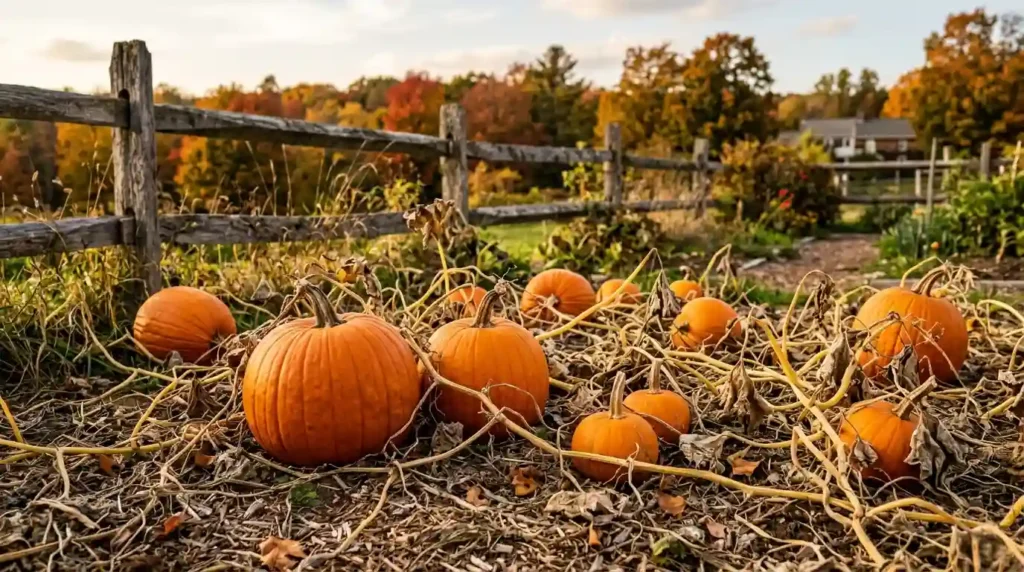
Plant pumpkins outdoors after your last frost date, when soil has warmed to at least 60°F. In most regions, this falls between late April and early June. Space plants generously standard varieties need 4–6 feet between plants, while giant varieties may need 8–10 feet or more.
Dig planting holes about 1 foot wide and deep, and work compost into the backfill. Plant seedlings at the same depth they were growing in their pots. Water thoroughly after planting and mulch around the base to retain moisture. According to University of California Cooperative Extension, proper spacing and soil prep are the two biggest factors in successful pumpkin production.
If transplanting established plants or relocating a volunteer pumpkin, do so carefully pumpkins don’t love root disturbance. Move quickly, keep the root ball intact, and water well immediately after.
Common Pests and Diseases
Like most garden plants, pumpkin plants can occasionally face pest or disease challenges. Here’s what to watch for.
Aphids
Look for clusters of tiny soft-bodied insects on new growth and leaf undersides. Treat with a strong spray of water or neem oil solution applied weekly.
Squash Vine Borers
Look for wilting vines and small entry holes with sawdust-like frass at the stem base. Remove borers manually or apply Bacillus thuringiensis (Bt) to the base early in the season.
Powdery Mildew
Look for white powdery patches on leaf surfaces, especially in late summer. Treat with a baking soda spray (1 tbsp per quart of water) or a diluted neem oil solution. Improve air circulation through pruning.
Cucumber Beetles
Look for yellow-green beetles with black spots or stripes feeding on leaves and flowers. Treat with row covers early in the season or kaolin clay spray.
Root Rot
Look for wilting despite adequate water, mushy stems at the soil line, and brown roots. Improve drainage immediately and avoid overhead watering. Remove severely affected plants to prevent spread.
Common Problems
Here’s how to troubleshoot common issues with pumpkin plants:
Poor or No Fruit Set
This is one of the most frustrating pumpkin problems. The most common cause is failed pollination pumpkins need bees to transfer pollen from male to female flowers. If pollinators are scarce, hand-pollinate by brushing pollen from a male flower (no swollen base) onto a female flower (with a small proto-fruit at its base) using a small paintbrush. Insufficient sun is another culprit fewer than 6 hours daily dramatically reduces fruit production. Too much nitrogen fertilizer can also push vine growth at the expense of fruiting. Switch to a phosphorus-heavy feed once flowers appear.
Yellow or Browning Leaves
Yellowing leaves are common and have several causes. Overwatering is the most frequent allow the top inch of soil to dry between waterings. Nutrient deficiency, particularly nitrogen early in the season or magnesium later, causes yellowing between leaf veins. A balanced fertilizer or Epsom salt spray (1 tbsp per gallon of water) can help. Browning leaf edges often signal heat stress or drought increase watering frequency during heat waves. If you’re seeing similar leaf issues on other garden plants, our guide on iris flower care covers comparable nutrient and watering troubleshooting.
Wilting or Drooping Vines
Midday wilting on hot days is normal pumpkin plants often perk back up by evening. If wilting persists into the cooler morning hours, check soil moisture first. Underwatering is the likely cause; water deeply and add mulch to conserve moisture. Squash vine borers also cause sudden collapse of individual vines check the stem base for entry holes and treat accordingly.
Leggy or Sparse Vine Growth
Weak, elongated growth with wide spacing between leaves almost always means insufficient sunlight. Move the planting location if possible, or trim nearby vegetation causing shade. Over-fertilizing with nitrogen produces lush but structurally weak vines that fruit poorly ease back on feeding and let the plant redirect energy. Light pruning of secondary runners also helps consolidate growth on the main vine.
Slow Fruit Development
Pumpkins can take 75–100 days from planting to harvest, depending on variety. If fruits are growing slowly, make sure plants are receiving consistent deep watering and adequate phosphorus. Removing excess fruits leaving 2–3 per vine directs energy into the remaining fruits and speeds development. For companion planting ideas that support heavy-feeding vines, check out our raspberry plant guide for tips on feeding and mulching productive garden crops.
FAQ
Are pumpkin plants easy to grow?
Pumpkins are moderately easy with full sun, rich soil, consistent watering, and enough space for their sprawling vines to spread.
How long does it take to grow a pumpkin plant to harvest?
Most pumpkin varieties take 75 to 100 days from transplant to harvest, depending on the specific cultivar you choose.
Do pumpkin plants need to climb or can they sprawl?
Pumpkins naturally sprawl along the ground. You can train smaller varieties onto a trellis, but most grow best spreading freely.
Can I grow a pumpkin plant in a container?
Compact varieties like Sugar Pie can grow in large containers at least 15 to 20 gallons with consistent watering and feeding.
4 thoughts on “How to Grow and Care for Pumpkin Plant”
Comments are closed.