
In This Article
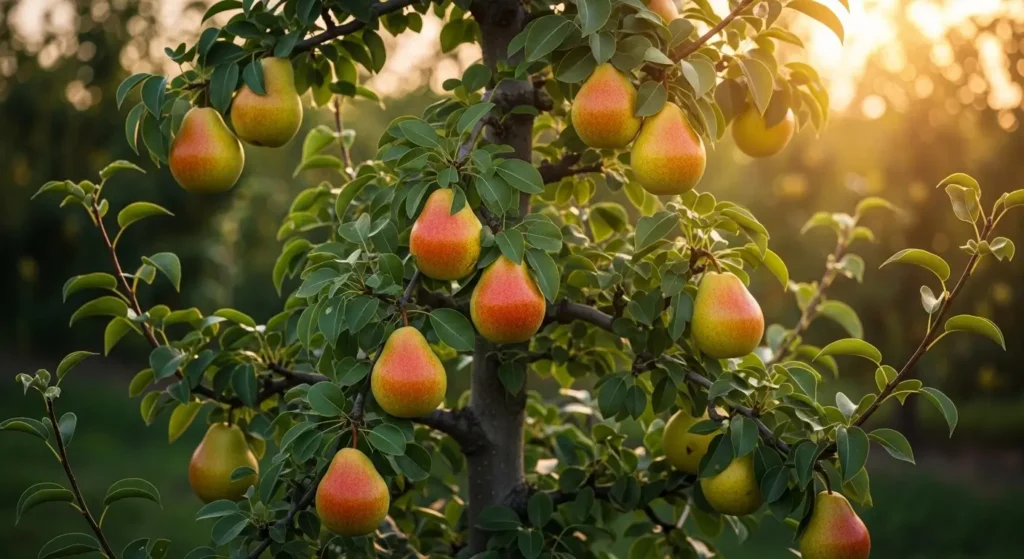
The Bartlett pear tree (Pyrus communis ‘Bartlett’), also called the Williams pear, is a beloved deciduous fruit tree producing large, golden-yellow, sweet fruits. Native to Europe and western Asia, it grows 20–30 feet tall and thrives in USDA Zones 4–7 with moderate care.
Plant Care Card
| Detail | Info |
|---|---|
| Common Name | Bartlett Pear, Williams Pear |
| Botanical Name | Pyrus communis ‘Bartlett’ |
| Family | Rosaceae |
| Plant Type | Deciduous fruit tree |
| Mature Size | 20–30 ft. tall, 15–20 ft. wide |
| Sun Exposure | Full sun |
| Soil Type | Well-draining, loamy |
| Soil pH | 6.0–7.0 (slightly acidic to neutral) |
| Hardiness Zones | 4–7 USDA |
| Native Area | Europe, western Asia |
| Bloom Time | Spring (March–April) |
| Toxicity | Non-toxic to humans; seeds mildly toxic |
Bartlett Pear Tree Care
The Bartlett pear tree is fairly forgiving once it’s established in the right spot. Here’s what you need to know about sun, soil, water, pruning, and seasonal maintenance. With proper placement and a little patience, this tree practically grows on its own.
Light
Bartlett pear trees need full sun at least 6–8 hours daily to bloom and fruit well. Without it, expect fewer fruits and weak, leggy growth. Plant in an open, south- or west-facing spot, away from shade. Good sun exposure also helps pollinators reach the blossoms in spring.
Soil
Bartlett pear trees thrive in well-draining, loamy soil with a pH of 6.0–7.0. Good drainage is non-negotiable waterlogged roots invite disease fast. For heavy clay, mix in compost and coarse sand before planting. According to USDA soil health guidelines, organic matter improves both drainage and nutrient availability.
Water
Water new trees once or twice weekly; established ones every 7–10 days during dry spells. Cut back in fall and winter. Check moisture 2–3 inches deep before watering. Overwatering is the bigger risk early yellow leaf drop signals soggy roots, while wilting with dry soil means water deeply.
Temperature and Humidity
Bartlett pear trees thrive in USDA Zones 4–7, tolerating lows to -20°F but needing 800–1,000 chill hours below 45°F to flower well. Late spring frosts can damage blossoms cover young trees with frost cloth during cold snaps. High humidity with poor airflow may increase fungal disease risk.
Fertilizer
Feed Bartlett pear trees once in early spring before new growth begins, using a balanced 10-10-10 fertilizer or an organic slow-release option. Apply according to the package rate based on tree age and size. Avoid fertilizing after midsummer, as late-season growth is more vulnerable to cold damage heading into winter.
Types of Bartlett Pear Trees
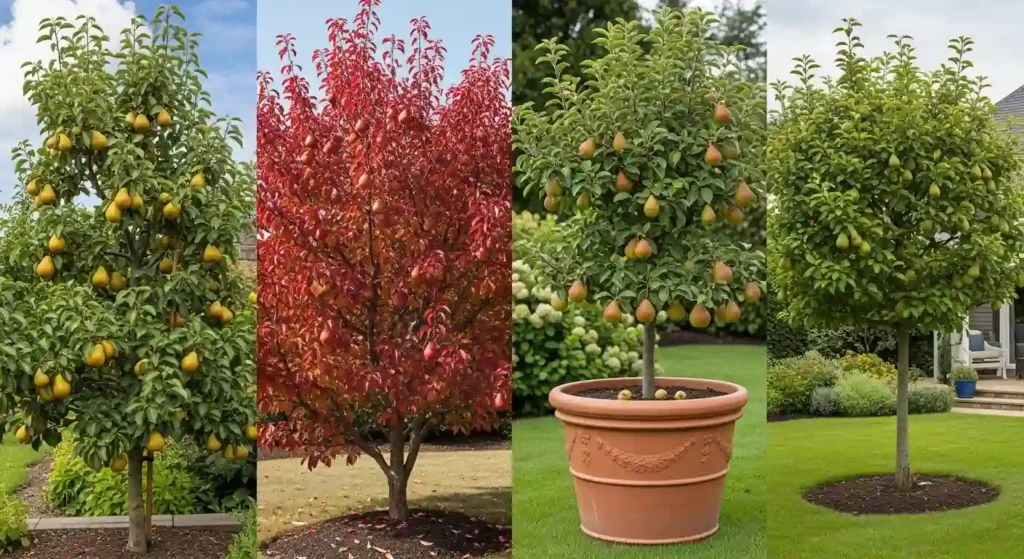
There are several well-known Bartlett pear tree varieties worth considering for your garden:
- Standard Bartlett (Pyrus communis ‘Bartlett’): The classic variety, growing 20–30 feet tall with large, golden-yellow fruits. The most widely grown pear in America.
- Red Bartlett (‘Red Bartlett’): A colorful mutation of the standard, with striking red-blushed skin. Flavor and growth habits are nearly identical to the original.
- Dwarf Bartlett: Grafted onto dwarfing rootstock, reaching only 8–12 feet tall. Great choice for smaller yards or container growing.
- Semi-Dwarf Bartlett: A middle-ground option at 12–16 feet, with good fruit production and easier harvesting than standard trees.
Pruning
Prune your Bartlett pear tree in late winter or early spring, just before new growth begins. Remove any dead, damaged, or crossing branches first. Also cut back any shoots growing straight up from major branches called water sprouts as they drain energy without producing fruit.
Use clean, sharp hand pruners or loppers for branches under two inches, and a pruning saw for anything larger. A well-pruned tree has an open center or modified central leader shape that lets light and air reach all parts of the canopy. Regular pruning encourages stronger fruiting spurs, better fruit size, and helps reduce fire blight pressure by improving airflow.
Propagating Bartlett Pear Trees
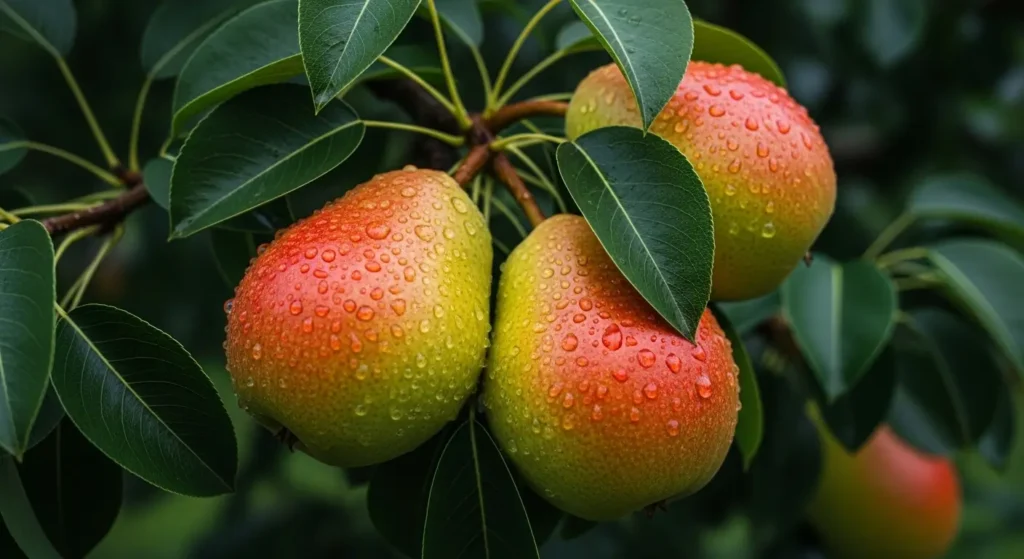
The best time to propagate pear trees is in late winter to early spring or in summer, depending on the method you choose.
Propagating by Hardwood Cuttings
Hardwood cuttings are one of the most reliable ways to propagate a Bartlett pear tree at home. This method works best taken in late winter while the tree is still dormant.
Materials needed:
- Sharp, clean pruning shears
- Rooting hormone powder or gel
- Well-draining propagation mix (50% perlite, 50% potting soil)
- Small pots or deep trays
- Clear plastic bag or humidity dome
Step 1: Select healthy, pencil-thick stems from the previous season’s growth. Cut 8–12 inch sections, making a straight cut at the bottom and an angled cut at the top.
Step 2: Dip the bottom cut end into rooting hormone powder. Tap off the excess so only a light coating remains on the cut surface.
Step 3: Insert the cuttings 3–4 inches deep into your prepared propagation mix. Space them so leaves won’t crowd each other once they emerge.
Step 4: Cover loosely with a plastic bag or humidity dome to retain moisture. Keep in a warm spot with indirect light around 65–70°F works well.
Roots typically develop in 8–12 weeks. Once you see new leaf growth and the cutting resists a gentle tug, it’s ready to pot up or transplant.
Propagating by Budding
Budding is actually the most common commercial method for Bartlett pear tree propagation, and it’s worth trying at home if you’re feeling adventurous. It involves taking a dormant bud from your Bartlett tree and grafting it onto pear rootstock.
Step 1: In midsummer, identify a healthy bud on a current-season shoot of your Bartlett pear tree. Slice it off with a small shield of bark attached.
Step 2: Make a T-shaped cut in the bark of the rootstock stem and carefully slip the bud shield into the opening.
Step 3: Wrap the graft union tightly with budding tape or grafting rubber bands, leaving the bud exposed.
Step 4: Once the bud takes hold and begins to swell the following spring, cut the rootstock stem above the new bud to direct growth.
Success rates improve with practice. According to University of California Cooperative Extension resources on fruit tree propagation, the timing of budding is critical aim for when bark slips easily in midsummer.
Planting and Transplanting Bartlett Pear Tree
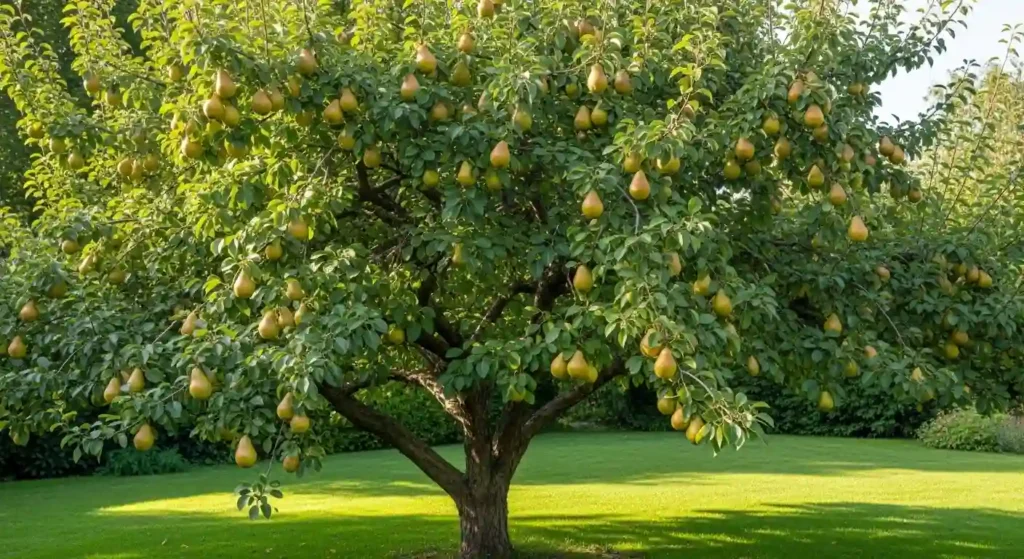
Plant Bartlett pear trees in early spring or fall when temperatures are mild. Spring planting gives the tree a full growing season to establish roots before winter. Space standard trees 20–25 feet apart, semi-dwarfs 12–15 feet apart, and dwarf types 8–10 feet apart. Remember: Bartlett pear trees are not fully self-fertile, so plant a compatible pollinator nearby like an Anjou or Bosc pear within 50 feet for best fruit production. Similar to grapefruit trees, cross-pollination makes a big difference in yield.
Dig a hole twice as wide as the root ball and just as deep. Set the tree at the same depth it grew in the nursery pot never bury the graft union. Backfill with native soil mixed with compost, water thoroughly, and add a 3-inch layer of mulch around the base (keeping it away from the trunk).
Transplanting established pear trees is difficult and often stressful for the tree. If you must move one, do it in late winter while dormant, and water heavily for the entire following season.
Common Pests and Diseases
Like most fruit trees, the Bartlett pear tree can face a handful of pest and disease challenges. Staying on top of monitoring is the best prevention.
Aphids
Look for clusters of small, soft-bodied insects on new growth and leaf undersides. Treat with a strong jet of water or neem oil spray applied weekly until populations drop.
Pear Psylla
Tiny jumping insects that cause sticky honeydew deposits and leaf curling. According to Cornell University’s Integrated Pest Management program, early-season dormant oil sprays are the most effective control method.
Fire Blight
Watch for sudden wilting and blackening of shoot tips, often with a “shepherd’s crook” bend. Prune infected wood at least 12 inches below visible damage, and sterilize your tools between cuts with rubbing alcohol.
Codling Moth
Look for small entry holes in developing fruit, often with frass around the opening. Treat with pheromone traps and approved organic sprays timed to adult moth activity in spring.
Root Rot
Yellowing leaves, declining growth, and mushy roots near the crown indicate root rot. Improve drainage immediately and avoid overwatering. Severely infected trees rarely recover.
Common Problems with Bartlett Pear Tree
Here’s how to troubleshoot common Bartlett pear tree issues:
Poor or No Blooms
Usually fixable. Insufficient chill hours in mild winters is the top cause. Over-fertilizing with nitrogen pushes leafy growth over flower buds. Heavy fall pruning may also remove next year’s fruiting spurs. Switch to spring pruning and reduce nitrogen to get blooms back on track.
Yellow or Browning Leaves
Usually overwatering or poor drainage cut back watering and check drainage first. Slow yellowing from the bottom up suggests nitrogen deficiency; apply balanced fertilizer in spring. Brown leaf edges signal heat stress or drought. Similar issues appear in Eureka lemon trees, where drainage is equally critical.
Wilting or Drooping Leaves
Wilting leaves on a dry, hot day is normal check again in the evening. If leaves stay wilted after sundown, the tree is underwatered; give it a deep soak immediately. Wilting in newly planted trees often means transplant shock, which resolves with consistent watering over the first season. In severe cases, inspect the root zone for signs of root rot or crown damage.
Leggy or Sparse Growth
Leggy, weak growth usually means the tree isn’t getting enough sun. Bartlett pear trees want full sun all day shading from buildings or nearby trees cuts energy production fast. Additionally, over-fertilizing with high-nitrogen products pushes long, leafy shoots rather than compact, fruit-bearing wood. Prune back any excessively long shoots in early spring and move the tree if partial shade is unavoidable. You can also check how raspberry plants handle similar light demands in productive fruit garden setups.
Frost Damage
Spring frosts hitting after bloom can wipe out an entire year’s fruit set. Look for blackened flower centers or small, blackened fruitlets that drop shortly after bloom. Cover the tree overnight with frost cloth if a late freeze is forecast. Mulching the root zone heavily before winter also helps regulate soil temperature and protects the shallow feeder roots.
FAQ
Do you need two Bartlett pear trees to produce fruit?
Bartlett pear trees are partially self-fertile but produce significantly more fruit with a second compatible pollinator variety planted nearby.
How long does it take for a Bartlett pear tree to bear fruit?
A Bartlett pear tree typically begins bearing fruit in 3–5 years after planting, depending on rootstock and growing conditions.
Which animal loves pears?
Deer absolutely love pears and will eat fruit, leaves, and bark. Birds also target ripe fruit heavily, so netting is recommended at harvest time.
Are Bartlett pear trees invasive?
No, Bartlett pear trees are not invasive. Unlike Callery pears, the cultivated Bartlett variety does not spread aggressively in the wild.
1 thought on “How to Grow and Care for Bartlett Pear Tree”
Comments are closed.