
In This Article
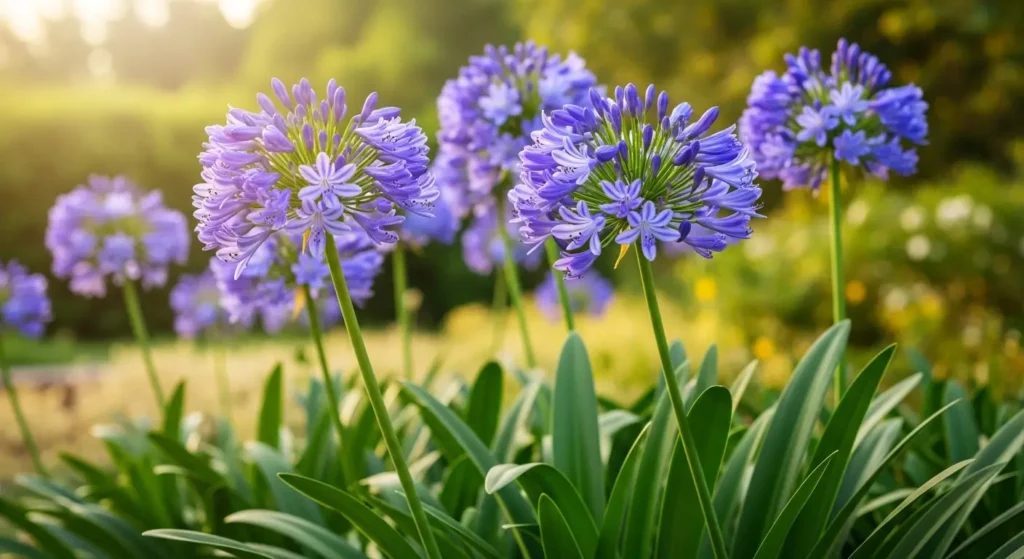
Lily of the Nile (Agapanthus africanus) is a showstopping perennial from South Africa, producing tall stems topped with round clusters of blue or white flowers. Hardy in USDA zones 7–11, this low-maintenance beauty rewards you with a stunning summer show year after year.
Plant Care Card
| Detail | Info |
|---|---|
| Common Name | Lily of the Nile, African lily |
| Botanical Name | Agapanthus africanus |
| Family | Amaryllidaceae |
| Plant Type | Perennial |
| Mature Size | 2–4 ft. tall, 2–3 ft. wide |
| Sun Exposure | Full sun to partial shade |
| Soil Type | Well-draining, loamy to sandy |
| Soil pH | 6.0–7.0 (slightly acidic to neutral) |
| Hardiness Zones | 7–11 (USDA) |
| Native Area | South Africa |
| Bloom Time | Summer (June–August) |
| Toxicity | Toxic to dogs and cats; mildly toxic to humans |
Lily of the Nile Care
Lily of the Nile is a low-maintenance perennial once it settles into the right spot. Here’s what you need to know about sun, soil, water, pruning, and more. With proper placement, this plant practically takes care of itself.
Light
Lily of the Nile performs best in full sun at least 6 hours daily. In hotter climates, a little afternoon shade prevents leaf scorch. In cooler zones, maximize sun exposure. Without enough light, stems become leggy and flowering drops off. Place it in a south- or west-facing bed for best results.
Soil
This plant loves well-draining, loamy or sandy soil with a pH between 6.0 and 7.0. Root rot sets in fast when drainage is poor. According to the UC Agriculture & Natural Resources Extension, amending clay soils with coarse sand and compost makes a big difference. Raised beds work great too.
Water
Water newly planted lily of the Nile once or twice a week for the first 6–8 weeks. Once established, water every 1–2 weeks less in fall and winter. Always check soil moisture first. Yellow, mushy leaves signal overwatering; crispy brown tips mean the plant needs more water.
Temperature and Humidity
Lily of the Nile thrives between 50°F and 90°F and handles heat well. In zones 7–8, mulch heavily before the first frost to protect rhizomes. In colder zones, dig them up and store indoors until spring. High humidity isn’t an issue this plant tolerates dry conditions just fine.
Fertilizer
Feed lily of the Nile with a balanced, slow-release fertilizer (10-10-10) once in early spring as new growth appears, then again in early summer before bloom. A light second application midseason can extend flowering. Skip fertilizing in fall and winter when the plant is dormant.
Types of Lily of the Nile
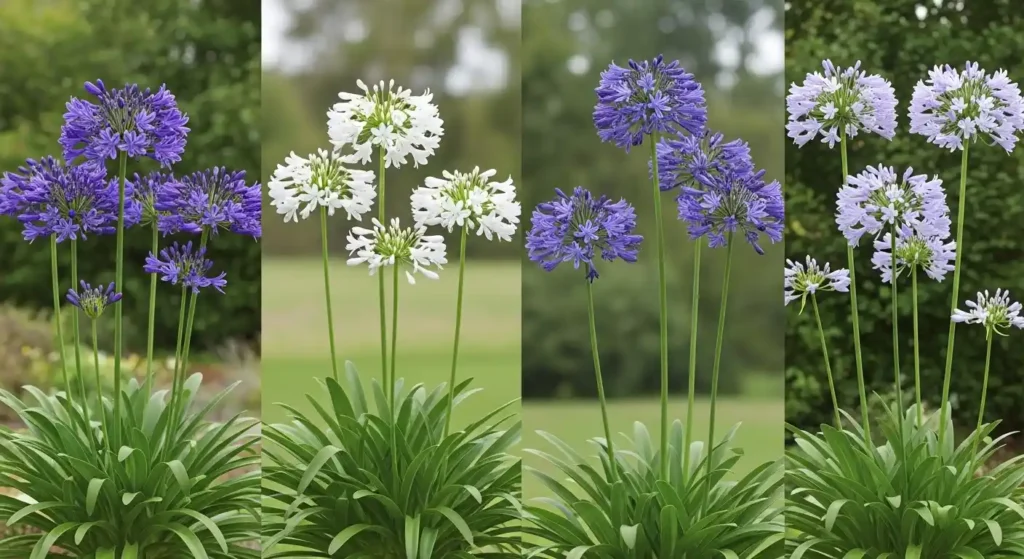
There are dozens of Agapanthus cultivars available, each with slightly different heights, flower colors, and cold hardiness. Here are some popular picks:
- ‘Storm Cloud’: A dramatic cultivar with deep violet-blue flower heads on tall stems reaching 4 feet. One of the most cold-hardy options, surviving into zone 6 with protection.
- ‘White Heaven’: A compact, white-flowering variety reaching about 2 feet tall. Perfect for smaller garden beds or large containers.
- ‘Midnight Blue’: Deep indigo-purple blooms on sturdy 3-foot stems. A favorite for late summer color when other perennials are fading.
- ‘Headbourne Hybrids’: A popular seed-grown series with flowers ranging from pale lavender to deep violet. Known for being especially cold-hardy.
- ‘Peter Pan’: A dwarf variety growing only 12–18 inches tall. Great for borders and containers, with soft blue-lavender flowers.
Pruning
Prune lily of the Nile right after flowering in late summer or early fall. Remove spent flower stalks at the base and leave healthy foliage alone it protects the crown through winter. In early spring, trim any brown or damaged leaves with clean, sharp shears. A light tidy-up is all it needs.
Propagating Lily of the Nile
The best time to propagate lily of the Nile is in spring or early summer when the plant is actively growing. Division is the most reliable method, but this perennial can also be grown from seed with a bit more patience.
Propagating by Division
Division is the easiest and fastest way to make more plants and it’s also the best way to refresh an overcrowded clump.
What you’ll need:
- Sharp garden spade or fork
- Sharp knife or pruning saw
- Compost or organic matter
- Gloves (sap can irritate skin)
Steps:
Step 1: Dig up the entire clump in early spring before new growth is more than a few inches tall. Work the spade in a circle about 6–8 inches from the clump’s edge to avoid cutting too many roots.
Step 2: Use a sharp knife or pruning saw to divide the rhizome clump into sections. Each section should have at least 3–5 healthy leaves and a good portion of roots attached.
Step 3: Replant divisions at the same depth they were growing before, spacing them 18–24 inches apart. Firm the soil around each division and water in well.
Step 4: Keep divisions well-watered for the first 4–6 weeks as they re-establish. Expect reduced flowering in the first season this is completely normal.
Divisions typically resume full flowering by the second summer.
Propagating from Seeds
Growing lily of the Nile from seed is possible but takes 2–3 years before you see flowers. Collect ripe seed pods in fall when they begin to split open and turn tan.
Steps:
- Sow seeds on the surface of moist, well-draining potting mix in spring.
- Cover lightly with a thin layer of perlite and keep at 65–70°F.
- Seeds typically germinate within 3–6 weeks. Keep seedlings in bright indirect light until large enough to transplant outdoors.
- Transplant seedlings to the garden in their second spring once frost risk has passed.
Planting and Transplanting Lily of the Nile
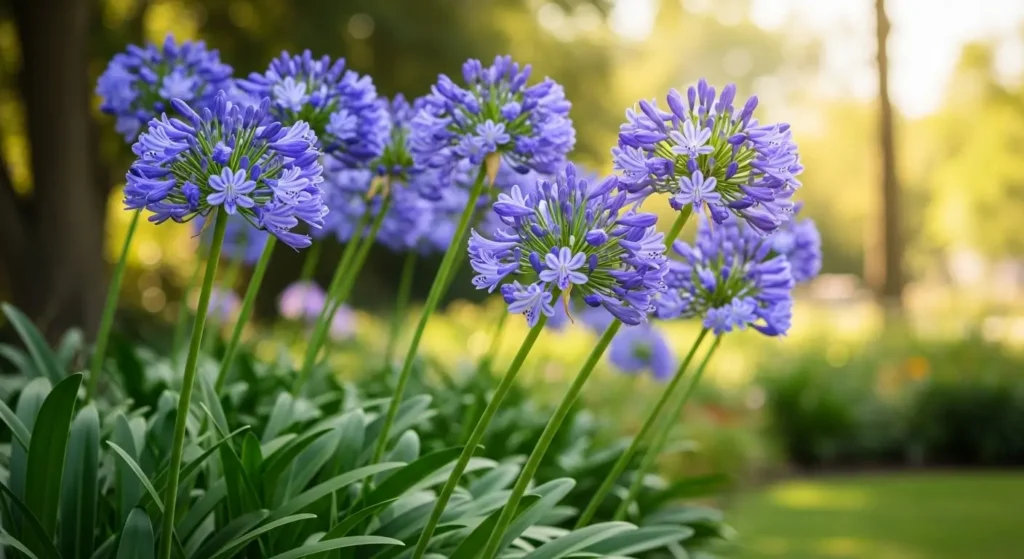
Plant lily of the Nile in spring after the last frost date, or in fall at least 6 weeks before the first expected frost. The USDA Plant Hardiness Zone Map is a handy reference if you’re not sure which zone you’re in. Space plants 18–24 inches apart to allow for their eventual spread and good air circulation.
Dig a hole twice as wide as the root ball but only as deep. Set the plant so the crown sits just at or slightly above soil level burying it too deep can reduce blooming. Backfill with a mix of native soil and compost, then water deeply to settle roots in place.
Transplanting or dividing mature clumps is best done every 3–5 years in spring, or whenever the clump becomes so crowded that flowering declines.
Common Pests and Diseases
Like most garden plants, lily of the Nile occasionally faces pest or disease challenges. Here’s what to watch for:
Aphids
Look for clusters of small green or black insects on new growth and flower buds. Knock them off with a strong blast of water or treat with insecticidal soap spray.
Spider Mites
Tiny webbing and stippled, pale leaves signal spider mites. They tend to appear during hot, dry weather. Increase air circulation and treat with neem oil or miticide spray.
Powdery Mildew
A white powdery coating on leaf surfaces usually indicates powdery mildew. Improve air circulation and treat with a baking soda solution or fungicide as recommended by your local university extension service.
Root Rot
Mushy, discolored roots and collapsing foliage indicate root rot, almost always caused by poor drainage. Remove affected roots, allow the plant to dry out, and replant in better-draining soil.
Snails and Slugs
Look for irregular holes in leaves and a silvery slime trail nearby. Use iron phosphate bait or diatomaceous earth around the base of plants.
Common Problems with Lily of the Nile
Here’s how to troubleshoot common issues:
Poor or No Blooms
The most common complaint with lily of the Nile is poor blooming. Insufficient sun, excess nitrogen, or overcrowded roots are usually to blame. Move it to a sunnier spot, ease up on fertilizer, and divide the clump every 4–5 years. Similar to gerbera daisy care, sun placement is everything.
Yellow or Browning Leaves
Yellow leaves usually signal overwatering or poor drainage. Lower leaf yellowing is often just natural senescence totally normal. Brown leaf tips point to drought stress or salt buildup from over-fertilizing. Adjust watering, improve drainage, or flush the soil with a deep soak. Check our crocus care guide for more troubleshooting tips.
Wilting or Drooping
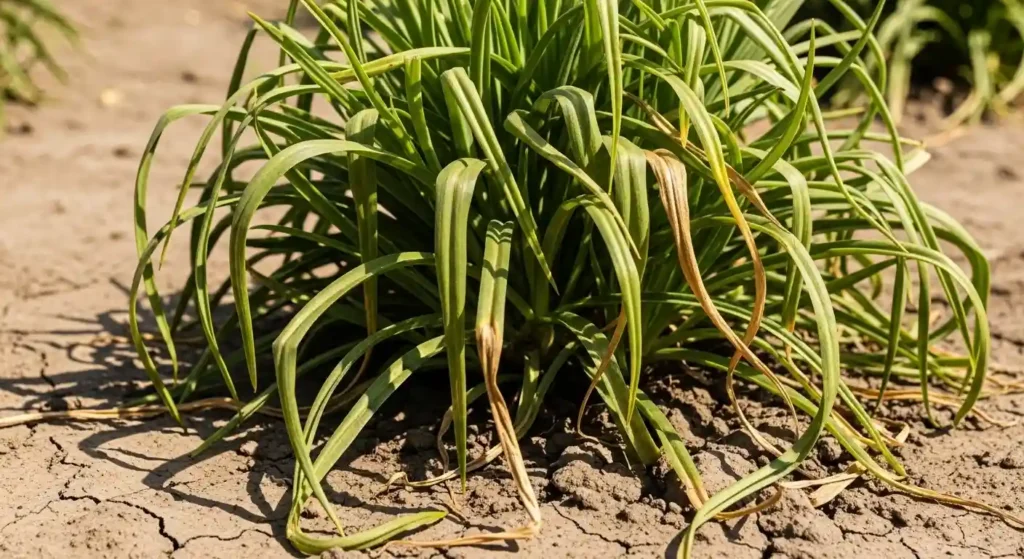
A wilting plant that’s in moist soil is likely dealing with transplant shock after being recently moved or divided. In summer, drooping during peak afternoon heat is often just heat stress plants typically recover by morning. Underwatering is another cause; check soil moisture first before doing anything else. Water deeply and apply a 2–3 inch layer of mulch to help retain moisture and cool roots.
Leggy or Sparse Growth
Stretching, floppy stems with widely spaced leaves almost always mean not enough light. Move the plant to a sunnier location if possible. In established clumps, overly lush, leafy growth with few flowers can also signal too much nitrogen fertilizer. Switch to a low-nitrogen, high-phosphorus fertilizer to encourage flowering over foliage. Regular pruning of old foliage also encourages tighter, more compact growth the following season. For more on managing leggy growth in perennials, see our tiger lily care guide.
Frost Damage
After a hard frost, lily of the Nile leaves turn mushy and collapse. In zones 7–8, this is common but the plant often recovers from the roots. Cut back damaged foliage to the crown in late winter, apply a generous layer of mulch, and wait for new growth in spring. In zones below 7, dig up rhizomes before the first frost and store them in a cool, dry place until spring arrives. For more tips on overwintering tender perennials, our butterfly plant care guide covers the same process in detail.
FAQ
Is Lily of the Nile a perennial or annual?
Lily of the Nile is a perennial in USDA zones 7–11, returning each year. In colder zones, grow it as an annual or overwinter indoors.
Does the Lily of the Nile spread?
Yes, lily of the Nile spreads slowly by forming dense clumps over time. Dividing every 3–5 years keeps growth manageable and encourages better flowering.
What is the difference between Agapanthus and Lily of the Nile?
They are the same plant. Agapanthus is the botanical genus name, while Lily of the Nile is the common name used in gardens and nurseries.
Is Calla Lily the Lily of the Nile?
No, calla lily (Zantedeschia) is a completely different plant. Lily of the Nile is Agapanthus africanus, native to South Africa, and looks quite different.