
In This Article
The Swiss cheese plant (Monstera deliciosa) transforms any space into a tropical paradise with its iconic fenestrated leaves. Native to Central American rainforests, this stunning climbing vine is surprisingly easy to care for, making it perfect for beginners and experienced gardeners alike.
Plant Care Card
| Common Name | Swiss Cheese Plant, Split-Leaf Philodendron |
|---|---|
| Botanical Name | Monstera deliciosa |
| Family | Araceae |
| Plant Type | Tropical perennial vine |
| Mature Size | 10-15 feet tall indoors, 3-5 feet wide |
| Sun Exposure | Bright indirect light |
| Soil Type | Well-draining, rich, peat-based mix |
| Soil pH | 5.5-7.0 (slightly acidic to neutral) |
| Hardiness Zones | 10-12 (USDA) |
| Native Area | Southern Mexico, Central America |
| Toxicity | Toxic to cats, dogs, and humans if ingested |
Swiss Cheese Plant Care
This tropical beauty is surprisingly low-maintenance once you understand its basic needs. The following sections will walk you through everything from lighting and watering to propagation and troubleshooting common issues. Trust me, you’ll be a Swiss cheese plant expert in no time!
Light
Swiss cheese plants thrive in bright indirect light near east or west-facing windows. Direct sunlight causes leaf scorch and brown patches, while insufficient light results in smaller leaves without fenestrations. Rotate your plant every few weeks for even growth. North-facing windows work but produce slower growth.
Soil
Use well-draining soil that retains moisture without waterlogging. Mix 2 parts peat-based potting mix, 1 part perlite, and 1 part orchid bark. According to North Carolina State University Extension, proper drainage prevents root diseases. Let soil dry slightly between waterings.
Water
Water when the top 2-3 inches of soil feel dry, usually every 1-2 weeks in spring and summer. Overwatering causes yellow leaves and mushy stems, while underwatering creates drooping and crispy edges. Similar watering needs apply to philodendron brasil, another moisture-loving tropical plant.
Seasonal variations matter too. In winter, when growth slows down, reduce watering frequency and let the soil dry out a bit more between drinks.
Temperature and Humidity
Swiss cheese plants thrive in 65-85°F temperatures. Avoid cold drafts, temperatures below 50°F, and heating vents. They prefer 60%+ humidity but adapt to 40-50%. Boost humidity with pebble trays or humidifiers to prevent brown tips. Like alocasia polly, maintaining humidity prevents foliage issues.
Fertilizer
Feed your Swiss cheese plant with a balanced liquid fertilizer (20-20-20 or similar) diluted to half strength every 3-4 weeks during the growing season. This supports healthy leaf development and encourages those stunning fenestrations. According to University of Florida IFAS Extension, fertilizing houseplants regularly during active growth ensures optimal foliage development. In fall and winter, reduce feeding to once every 6-8 weeks or stop altogether, as growth naturally slows down during these months.
Types of Swiss Cheese Plant
While Monstera deliciosa is the classic variety, there are several stunning cultivars and related species worth knowing about:
- Monstera deliciosa ‘Variegata’ (Variegated Swiss Cheese Plant): Features creamy white or yellow variegation splashed across the green leaves. This highly sought-after variety requires slightly brighter light to maintain variegation and grows more slowly than the standard form.
- Monstera deliciosa ‘Thai Constellation’: Displays beautiful cream-colored speckled variegation that resembles stars in the night sky. It’s a tissue-cultured variety that’s more stable and widely available than the rare albo variegata.
- Monstera deliciosa ‘Albo Variegata’: Shows dramatic white sectoral variegation, with entire sections of leaves in pure white. This rare variety is extremely popular but slower growing and requires careful care to prevent white sections from browning.
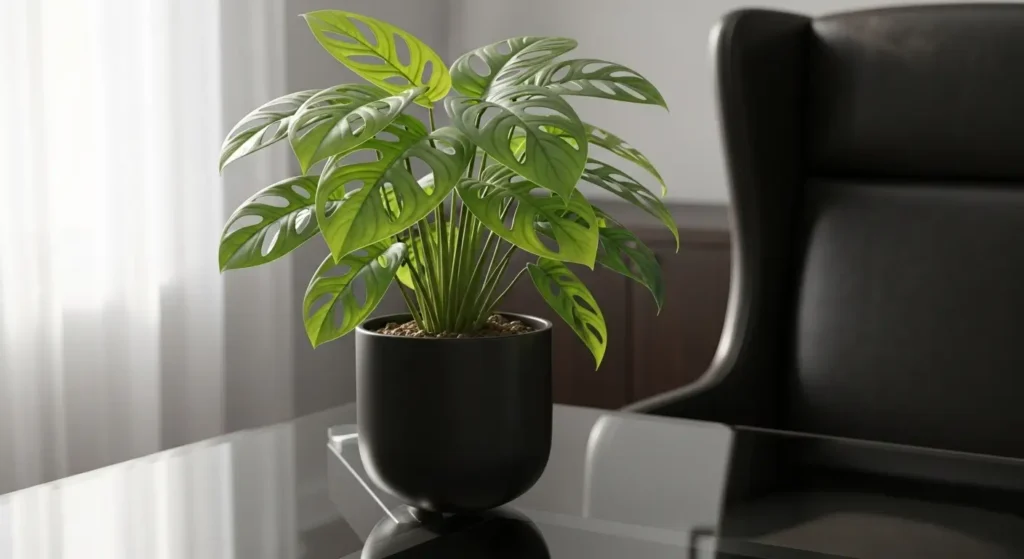
- Monstera adansonii (Swiss Cheese Vine): A smaller cousin with more numerous, smaller holes throughout the leaves. It has a more compact, vining growth habit perfect for hanging baskets or trailing displays.
Propagating Swiss Cheese Plant

The best time to propagate your Swiss cheese plant is during spring and summer when it’s actively growing. Propagation is honestly one of the most rewarding aspects of plant parenting—you get free plants to share with friends!
Propagating by Stem Cuttings
This is the most popular and reliable method for multiplying your Swiss cheese plant. You’ll need clean, sharp pruning shears or scissors, a jar of water or pot with soil, and optional rooting hormone.
Step 1: Choose a healthy stem with at least one node (the bumpy area where leaves and aerial roots emerge) and one or two leaves. Cut just below the node using clean, sharp scissors.
Step 2: Remove any lower leaves that would sit below the water line or soil surface. You want the node exposed, as this is where new roots will develop.
Step 3: Place the cutting in a jar of water, ensuring the node is submerged, or plant directly in moist potting mix. If using water, change it every few days to keep it fresh and oxygenated.
Step 4: Position the cutting in bright indirect light and maintain consistent warmth. You should see roots developing in 2-4 weeks, and once they’re 2-3 inches long, you can pot them up.
This propagation method works equally well for philodendron micans, another easy-to-propagate tropical vine.
Propagating by Air Layering
This method is perfect for larger, more mature plants where you want to create a substantial new plant. Wrap moist sphagnum moss around a node on the stem while it’s still attached to the mother plant. Secure it with plastic wrap and wait for roots to develop within the moss, usually taking 4-8 weeks. Once roots are established, cut below the rooted section and pot it up.
Potting and Repotting
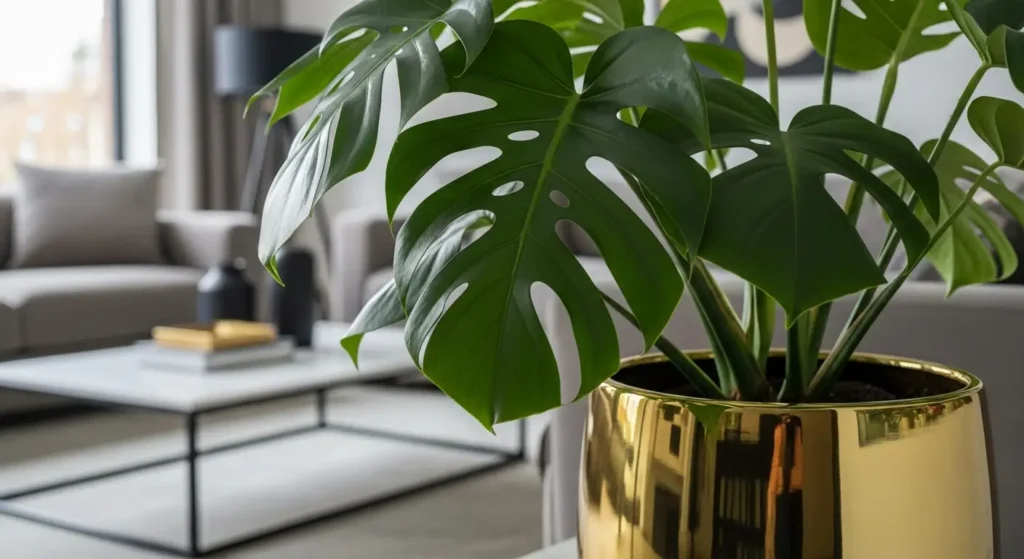
Swiss cheese plants need repotting every 1-2 years or when you notice roots growing out of drainage holes or circling the pot’s surface. Spring is the ideal time for this task, as the plant can quickly recover and establish in its new home.
Choose a pot that’s 1-2 inches larger in diameter than the current one going too big can lead to overwatering issues since excess soil holds moisture longer. Make sure your new pot has drainage holes. Gently remove the plant, loosen compacted roots, and trim any dead or mushy ones before placing it in fresh potting mix.
Additionally, consider adding a moss pole or trellis when repotting. These climbing plants naturally grow upward in the wild, and providing support encourages larger, more fenestrated leaves.
Common Pests and Diseases
Like most houseplants, your Swiss cheese plant can occasionally attract unwanted visitors. Regular monitoring and quick action will keep your plant healthy and pest-free.
Spider Mites
Look for fine webbing between leaves and tiny moving dots on leaf undersides. These pests thrive in dry conditions and cause stippling or yellowing foliage. Treat with insecticidal soap, neem oil spray, or simply rinse them off with a strong shower spray.
Mealybugs
These white, cottony clusters hide in leaf axils and along stems, sucking plant sap. They weaken the plant and leave sticky honeydew residue. Remove them with rubbing alcohol on a cotton swab or spray with neem oil solution weekly until gone.
Scale Insects
Small, brown, oval bumps on stems and leaves indicate scale infestation. They’re harder to eliminate since their protective coating shields them from sprays. Scrape them off manually with your fingernail or a toothbrush, then treat with horticultural oil or systemic insecticide.
Aphids
Tiny green, black, or brown insects cluster on new growth and leaf undersides, causing distorted leaves and sticky residue. Blast them off with water, use insecticidal soap, or introduce beneficial insects like ladybugs for natural control. According to University of California IPM, integrated pest management approaches work best for controlling common houseplant pests.
Common Problems
Here’s how to troubleshoot common issues you might encounter with your Swiss cheese plant:
Yellow Leaves
Yellowing leaves are probably the most common complaint, but don’t panic it’s usually fixable. Overwatering is the primary culprit, especially if yellowing starts on lower leaves and the soil feels constantly wet. Check your watering schedule and ensure proper drainage. Nutrient deficiency can also cause yellowing, particularly if your plant hasn’t been fertilized in months. Start feeding regularly during growing season. Natural aging causes occasional yellow lower leaves too, which is totally normal. Just like with snake plant varieties, identifying the specific cause helps you adjust care appropriately.
Brown Leaves or Brown Leaf Tips
Brown, crispy leaf tips usually signal low humidity or poor water quality. Increase humidity around your plant with a humidifier or pebble tray, and consider using filtered or distilled water if your tap water is heavily chlorinated or contains high mineral content. Underwatering can also cause browning, especially along leaf edges. Feel the soil regularly and adjust your watering routine accordingly.
Drooping or Wilting Leaves
Droopy leaves typically mean watering issues either too much or too little. If the soil is soggy, you’re overwatering and potentially dealing with root rot. Let it dry out and cut back on watering frequency. If the soil is bone dry and leaves feel limp, give it a good drink. These issues also occur with alocasia frydek when humidity is too low or watering is inconsistent.
Leggy Growth or Sparse Foliage
Insufficient light causes leggy, stretched-out growth with long spaces between leaves and smaller, less fenestrated foliage. Move your plant to a brighter location with more indirect light. You can also prune back leggy stems to encourage bushier growth and use those cuttings for propagation.
No Fenestrations in New Leaves
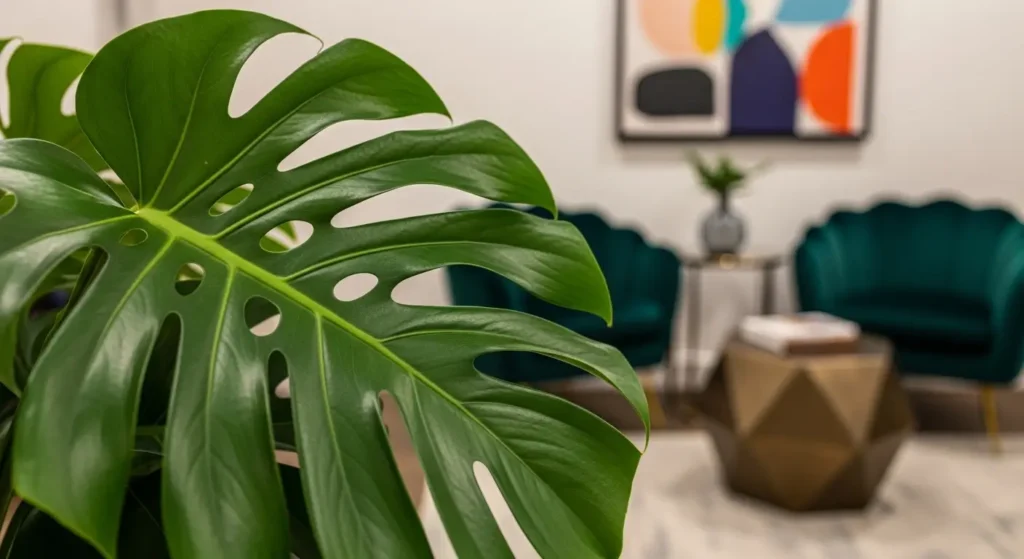
Young plants and those grown in low light conditions often produce solid leaves without holes. This is normal for immature plants fenestrations typically develop once the plant matures and receives adequate bright indirect light. Be patient, provide optimal conditions, and those signature holes will eventually appear.
FAQ
How do you take care of a Swiss cheese plant?
Provide bright indirect light, water when the top 2-3 inches of soil dry out, and maintain temperatures between 65-85°F. Feed monthly during growing season and ensure good drainage to prevent root rot.
What is the difference between Monstera and Swiss cheese plant?
Swiss cheese plant is a common name for Monstera deliciosa. Monstera is the genus name containing multiple species, while Swiss cheese plant specifically refers to the popular M. deliciosa variety with large fenestrated leaves.
Do Swiss cheese plants like sun or shade?
They prefer bright indirect light, not direct sun or deep shade. Direct sunlight burns leaves, while too much shade results in smaller leaves without fenestrations. East or west-facing windows provide ideal conditions for healthy growth.
Where is the best place to put a Swiss cheese plant?
Place it near an east or west-facing window with bright, filtered light. Keep it away from cold drafts, heating vents, and direct afternoon sun. Provide a moss pole or support for the climbing stems to encourage larger leaves.
5 thoughts on “How to Grow and Care for Swiss Cheese Plant”
Comments are closed.