
In This Article
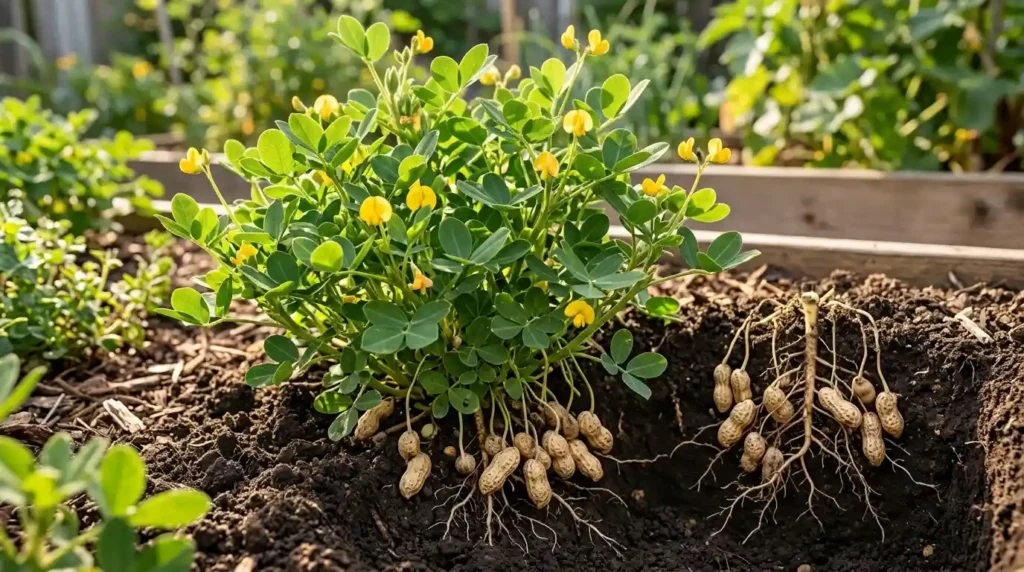
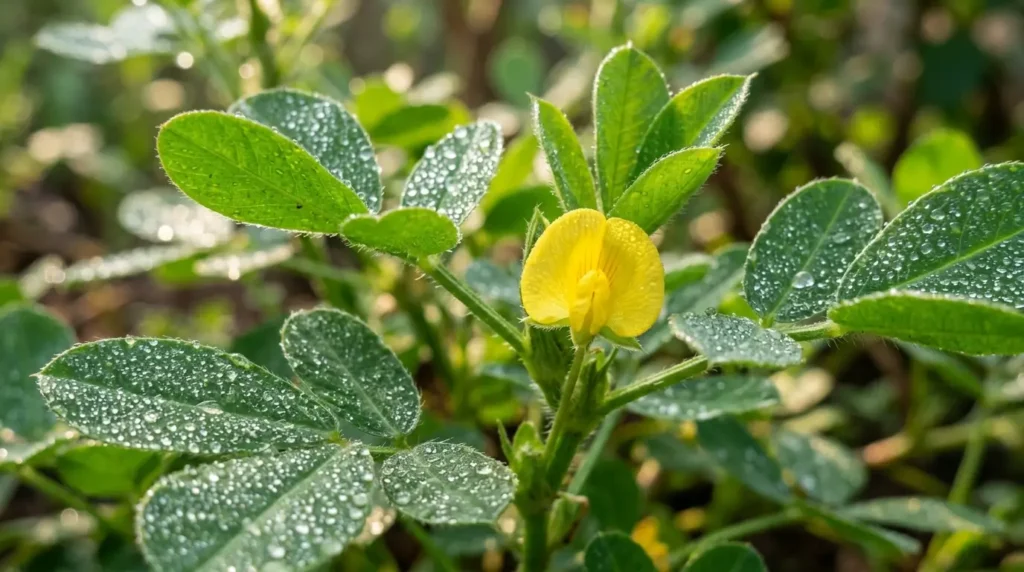
The peanut plant (Arachis hypogaea) is a low, bushy legume famous for burying its own flowers underground to form pods. Native to South America, it has bright green, clover-like leaves and yellow blooms. Honestly, it’s an easy, fun grower for beginners.
Plant Care Card
| Field | Details |
|---|---|
| Common Name | Peanut plant, groundnut |
| Botanical Name | Arachis hypogaea |
| Family | Fabaceae (legume family) |
| Plant Type | Annual, warm-season crop |
| Mature Size | 12-24 in. tall x 18-24 in. wide |
| Sun Exposure | Full sun |
| Soil Type | Loose, sandy, well-draining |
| Soil pH | 5.8-6.2 |
| Hardiness Zones | USDA 3-11 (grown as annual) |
| Native Area | South America |
| Toxicity | Non-toxic to pets, but shells can be a choking hazard |
| Bloom Time | Mid to late summer |
| Growth Rate | Moderate, matures in one growing season |
Peanut Plant Care
Growing a peanut plant is easier than most people expect, even for total beginners with zero garden experience. Below, we’ll walk through light, soil, water, temperature, and feeding needs in detail. You’ll love how forgiving this little legume turns out to be once it’s settled in.
Light
Peanut plants want full sun at least 6-8 hours daily. Too little light means leggy growth and weak flowering. A south-facing window works indoors, but honestly, these plants thrive best outside in a sunny garden bed.
Soil
Loose, sandy, well-draining soil is a must since pods form underground and need room to expand. Heavy clay causes stunted pods. Try a 2:1 mix of sandy loam and compost, and check this soil drainage guide for more prep tips.
Water
Water your peanut plant deeply once a week, letting the top 2 inches dry between waterings. Overwatering causes root rot; underwatering during pod-fill season lowers your harvest. If you want a similarly low-drama routine, the artichoke plant follows nearly the same rule.
Temperature and Humidity
This peanut plant loves warmth aim for 70-95°F during the growing season. Frost kills them fast, so wait until soil warms before planting. Average household humidity is fine, and they handle dry spells better than most tropicals.
Fertilizer
Use a light, phosphorus-rich fertilizer at planting, then ease off nitrogen since too much pushes leaves over pods. Feed every 4-6 weeks during the growing season, following these nutrient management basics, and stop once flowering begins.
Types of Peanut Plant
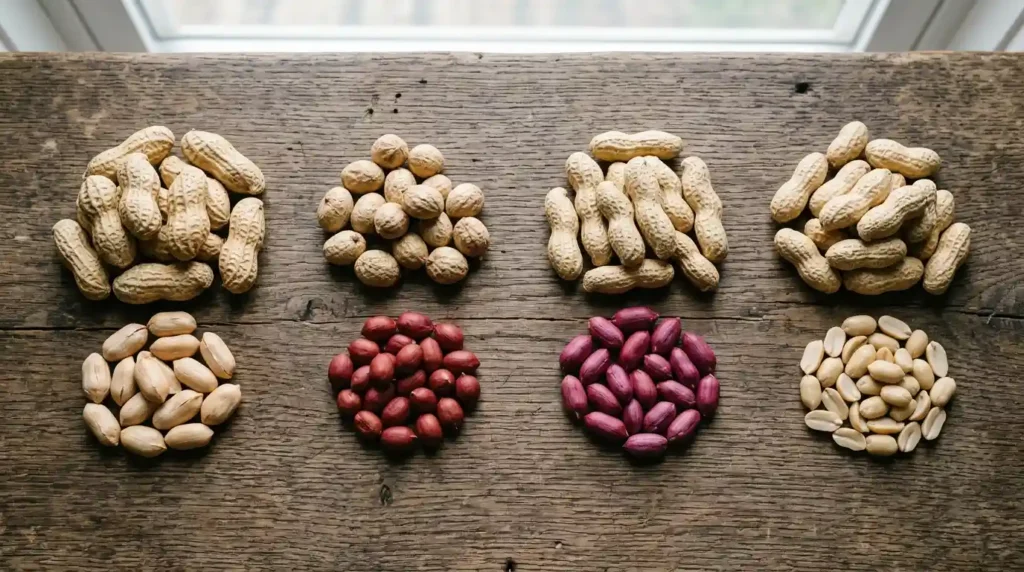
There isn’t just one kind of peanut plant several types exist, each suited to different climates, flavors, and uses. Here’s a quick rundown of the most common ones you’ll find at seed suppliers.
- Virginia Peanuts: The largest pods and kernels, often the ones you see roasted in-shell at ballparks. They need a longer, warm growing season to mature fully and develop that classic crunch.
- Spanish Peanuts: Smaller, rounder kernels with a reddish-brown skin and higher oil content. This type matures faster, making it great for shorter growing seasons up north.
- Valencia Peanuts: Sweet-tasting kernels packed three or more to a pod, with bright red skins. It’s a favorite for boiling and roadside boiled-peanut stands across the South.
- Runner Peanuts: A spreading, vine-like growth habit and uniform kernel size. This is the type most commonly grown for peanut butter production in the U.S.
- Tennessee Red Valencia: An heirloom variety with reddish skins and a rich, sweet flavor. Gardeners in cooler zones love it for its shorter maturity window.
- Georgia Green: A high-yielding Virginia-type bred for disease resistance and steady pod production. It’s a solid pick for home growers wanting a reliable harvest.
That said, all these types share the same basic care needs once planted in the ground. As a result, picking a variety usually comes down to climate, taste preference, and how you plan to use the harvest.
Propagating Peanut Plant Varieties
Best time to propagate is spring, once the soil has warmed and frost danger has fully passed for your zone.
Propagating by Seed
Growing a peanut plant from raw, unroasted peanuts is the simplest and most reliable method, and it’s genuinely beginner-friendly.
Materials needed:
- Raw, unroasted peanuts (still in the shell, not salted)
- Well-draining potting mix or loosened garden soil
- A sunny spot, seed tray, or small starter pots
Steps:
- Step 1: Shell the peanuts gently, keeping the thin papery skin on each seed intact.
- Step 2: Plant seeds 1-2 inches deep, spacing them about 6 inches apart in loose soil.
- Step 3: Water lightly right after planting, then keep soil consistently moist until sprouts appear.
- Step 4: Thin weaker seedlings once true leaves form, leaving only the strongest, healthiest plants.
Expect sprouts in 7-14 days, with pods forming underground by mid-summer once yellow flowers self-pollinate and bury themselves.
Direct Sowing Outdoors
For gardeners skipping trays altogether, direct sowing works just as well for a peanut plant once the soil is reliably warm.
- Choose a full-sun bed with loose, sandy, well-worked soil.
- Sow seeds directly 1-2 inches deep after your last frost date.
- Keep soil evenly moist until germination begins, usually within two weeks.
- Mulch lightly to retain moisture, moderate soil temperature, and block weeds.
This method suits many legumes the pumpkin plant is grown from direct-sown seed in a similar way. Basically, whichever method you pick, warm soil and steady moisture matter more than anything else for good germination.
Potting and Repotting Peanut Plant
When to Repot
Container-grown peanut plants rarely need repotting since they’re grown as annuals and finish their cycle in one season. Move up a size only if roots crowd the pot early or growth stalls noticeably before flowering starts.
How to Repot
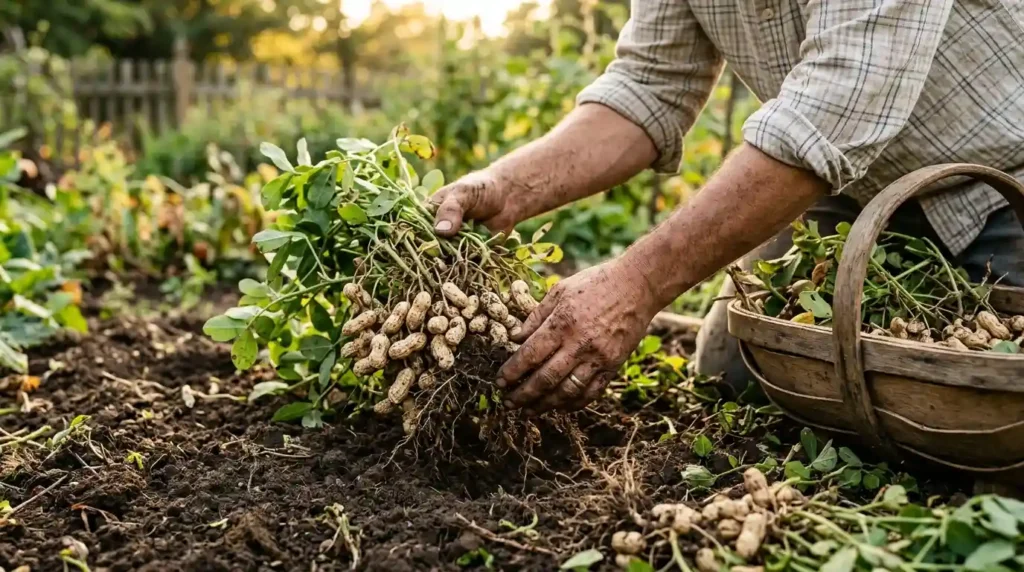
Choose a pot at least 12 inches deep so pegs have plenty of room to bury themselves and form pods underground. Use a loose, well-draining mix, and always make sure drainage holes stay clear before transplanting tender seedlings.
In fact, container growing works best in warm climates with a long, reliable frost-free stretch. Much like the raspberry plant, peanuts do best when they’re not disturbed too often once they’re settled into their final spot.
Common Pests and Diseases
Like most garden plants, peanut plants can occasionally attract a few common pests, especially in hot, dry stretches. Here’s what to watch for and how to handle each one before it spreads.
Spider Mites
Look for fine webbing and tiny yellow speckles across the leaves. Treat with insecticidal soap or a strong water spray to knock mites off.
Mealybugs
Look for small, cottony white clumps tucked into stem joints and leaf undersides. Treat with rubbing alcohol on a cotton swab or insecticidal soap.
Scale Insects
Look for tiny brown bumps clinging tightly to stems and leaf undersides. Treat by scraping them off gently, then follow up with horticultural oil.
Aphids
Look for clusters of small green or black bugs clustered on new growth. Treat with neem oil spray or a firm blast of water every few days.
Fungus Gnats
Look for tiny flying insects hovering near damp soil surfaces. Treat by letting soil dry out more fully between waterings.
Leafhoppers
Look for small, wedge-shaped insects that jump when disturbed, plus stippled leaves. Treat with insecticidal soap and check this integrated pest management guide for organic options.
Common Problems with Peanut Plant
Here’s how to troubleshoot common issues with your plants, since even easy growers run into the occasional snag.
Yellow Leaves / Yellowing Leaves
Yellowing is usually the first warning sign that something’s off with your peanut plant. Overwatering suffocates roots and blocks nutrient uptake over time. A nitrogen deficiency in poor, worn-out soil also causes pale, yellow foliage across the plant. Natural aging on lower leaves is completely normal too. Fix drainage first, then feed lightly with a balanced blend. Plants like the loofah plant show nearly identical yellowing patterns when overwatered.
Brown Leaves / Brown Leaf Tips
Crispy brown tips usually point to low humidity or dry air stress, especially outdoors during heat waves. Inconsistent watering, particularly long dry spells between soakings, also browns leaf edges over time. Poor-quality or salty tap water can build up in soil gradually and stress roots. Water deeply and consistently, and mulch around the base to hold moisture longer through hot afternoons.
Drooping or Wilting Leaves
Drooping leaves almost always mean a watering problem, either too much or too little moisture. Overwatered plants droop with soft, mushy stems near the base, while underwatered ones look dry, crispy, and brittle. Check soil moisture with a finger test first before acting. The sesame plant wilts in a very similar way when it’s thirsty.
Leggy Growth / Sparse Foliage
Leggy, stretched-out stems mean your peanut plant isn’t getting enough sunlight during the day. Move it to a brighter spot, ideally full sun outdoors rather than a shaded patio. Trimming back weak stems encourages fuller, bushier regrowth over the following weeks.
Slow Growth / No New Growth
Cool soil temperatures often stall growth completely, since this plant genuinely needs real warmth to get going. Poor, compacted soil also limits root spread and slows everything down. Warm the bed, loosen compacted soil, and give it time to get things moving again.
FAQ
Is it legal to grow peanuts at home?
Yes, growing peanuts at home is legal in the U.S. and most countries. Simply plant raw, unroasted peanuts as seed. Check local agricultural rules if selling produce commercially.
How long does a peanut plant take to grow?
Most varieties mature in 120-150 days from planting to harvest. Warmer climates speed things up, while cooler regions may need a longer, careful growing season.
Are peanuts a plant or a tree?
A peanut plant grows low and bushy in the ground, not as a tree. It’s actually a legume, related to beans and peas, that forms pods underground.
Can I grow peanuts from a raw peanut?
Yes, raw, unroasted, unsalted peanuts still in their shell will sprout easily. Roasted or salted peanuts won’t germinate since heat destroys their ability to grow.