
In This Article
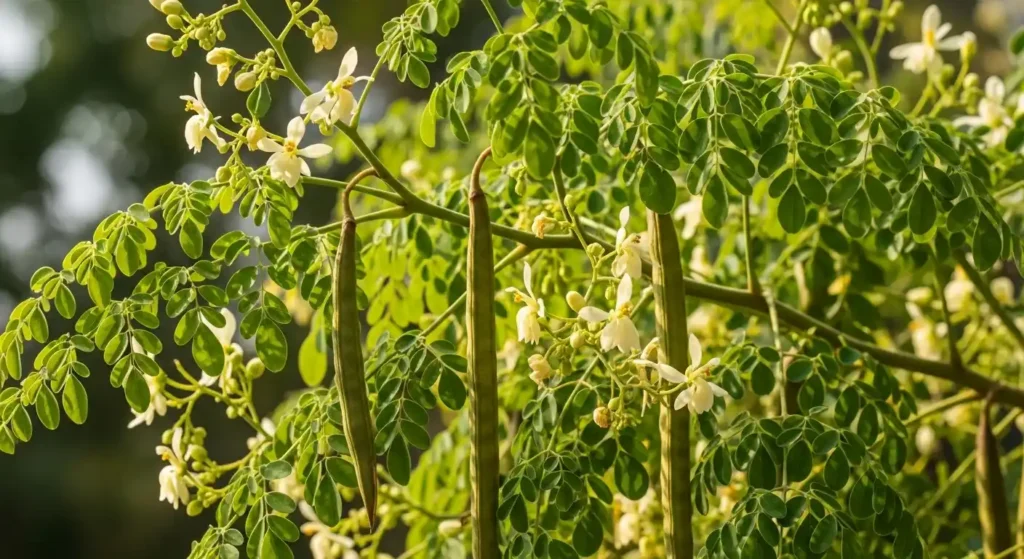
The benzoil tree (Moringa oleifera), also known as the drumstick tree, is a fast-growing, drought-tolerant tree native to the Himalayan foothills of northern India. With vivid feathery leaves and seed pods up to 18 inches long, it thrives in USDA zones 9–11 and suits beginner gardeners worldwide.
Plant Care Card
| Detail | Info |
|---|---|
| Common Name | Benzoil tree, Moringa, Drumstick tree |
| Botanical Name | Moringa oleifera |
| Family | Moringaceae |
| Plant Type | Tree (perennial in warm climates) |
| Mature Size | 15–30 ft tall x 10–15 ft wide |
| Sun Exposure | Full sun |
| Soil Type | Sandy, loamy, well-draining |
| Soil pH | 6.0–7.0 (slightly acidic to neutral) |
| Hardiness Zones | USDA 9–11 |
| Native Area | Northern India, sub-Himalayan region |
| Bloom Time | Spring through fall |
| Toxicity | Non-toxic to humans; use caution with pets in large quantities |
Benzoil Tree Care
The benzoil tree thrives with minimal effort once established in the right conditions. Here’s what you need to know about sun, soil, water, and maintenance. With proper placement, this garden tree practically cares for itself.
Light
The benzoil tree needs 6–8 hours of direct sunlight daily. More sun means faster growth, better blooms, and higher pod yields. Without it, expect pale leaves and weak stems. Choose a south- or west-facing spot with no obstructions, sheltered from cold winds in zone 9.
Soil
The benzoil tree thrives in sandy or loamy, well-draining soil and tolerates poor conditions well. Drainage is critical waterlogged roots cause rapid decline. According to the University of Arizona Campus Arboretum, moringa needs no supplemental water once established. For clay soils, amend with coarse sand and perlite. Ideal pH is 6.0–7.0.
Water
Water young benzoil trees once or twice weekly for the first few months. Check moisture 2 inches deep water only when dry. Established trees need watering every 2–3 weeks in summer. Reduce significantly in winter, as overwatering during dormancy is a common mistake. Yellow leaves signal overwatering; wilting signals thirst.
Temperature and Humidity
The benzoil tree thrives at 77°F–95°F and tolerates brief dips to 32°F, though frost kills it back to the ground. In zones 9–10, it often regrows from roots with heavy mulching. It handles humid and dry climates equally well. In cold-winter areas, container growing and overwintering indoors is recommended.
Fertilizer
Feed the benzoil tree with a balanced, slow-release fertilizer (10-10-10) once at the start of spring and again in midsummer. Avoid over-fertilizing with nitrogen, which pushes leafy growth at the expense of pods and flowers. Reduce or stop feeding entirely during the dormant winter months.
Types of Benzoil Tree
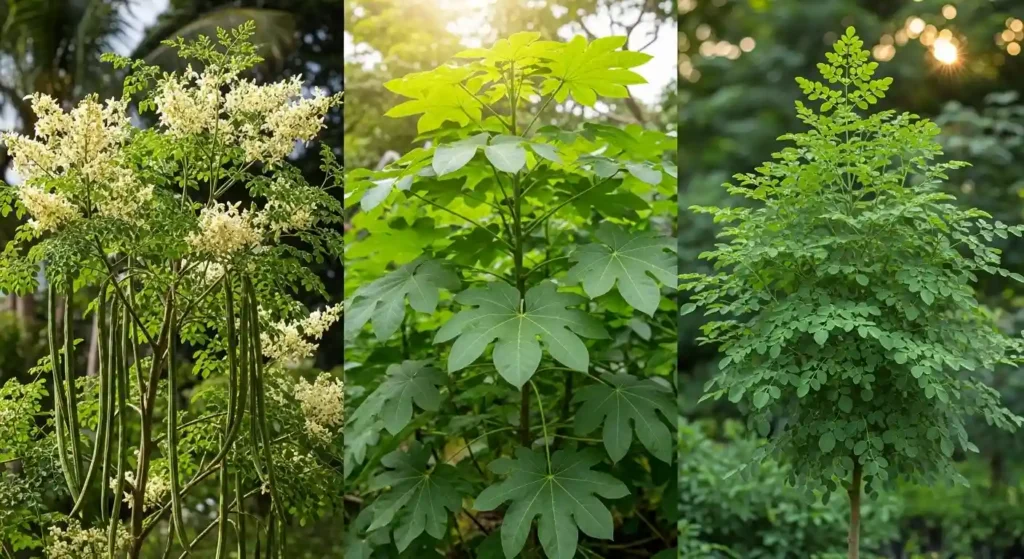
The Moringa genus has several notable species worth knowing before you plant:
- Moringa oleifera — The most widely grown species, valued for its edible leaves, pods, and seeds. Fast-growing with creamy white flowers. Used in cooking and traditional medicine worldwide.
- Moringa stenopetala — Known as the African moringa or cabbage tree. Produces larger leaves than oleifera and is slightly more cold-tolerant.
- Moringa peregrina — Native to the Arabian Peninsula and Horn of Africa. Smaller tree with high oil content in its seeds. Valued for cosmetic and medicinal uses.
- PKM-1 (cultivar) — A dwarf moringa cultivar bred for higher pod yield and easier harvesting. Tops out around 10 feet, making it ideal for home gardens.
- ODC3 (cultivar) — Popular in India for commercial leaf production. Known for exceptionally rapid growth and dense foliage.
Pruning
Prune your benzoil tree in late winter or early spring, just before the growing season kicks in. Remove dead branches, crossing stems, and any weak, spindly growth from the previous year. Regular pruning also keeps the tree from growing too tall, which makes harvesting leaves and pods much easier. This is especially important for a fast grower like moringa.
Use sharp, clean pruning shears or loppers for small branches, and a pruning saw for larger limbs. Cut just above a lateral branch or bud at a slight angle. Cutting back the main trunk by one-third each year keeps the benzoil tree bushy and productive, encouraging dense new growth, more pods, and stronger blooms throughout the season.
Propagating Benzoil Tree
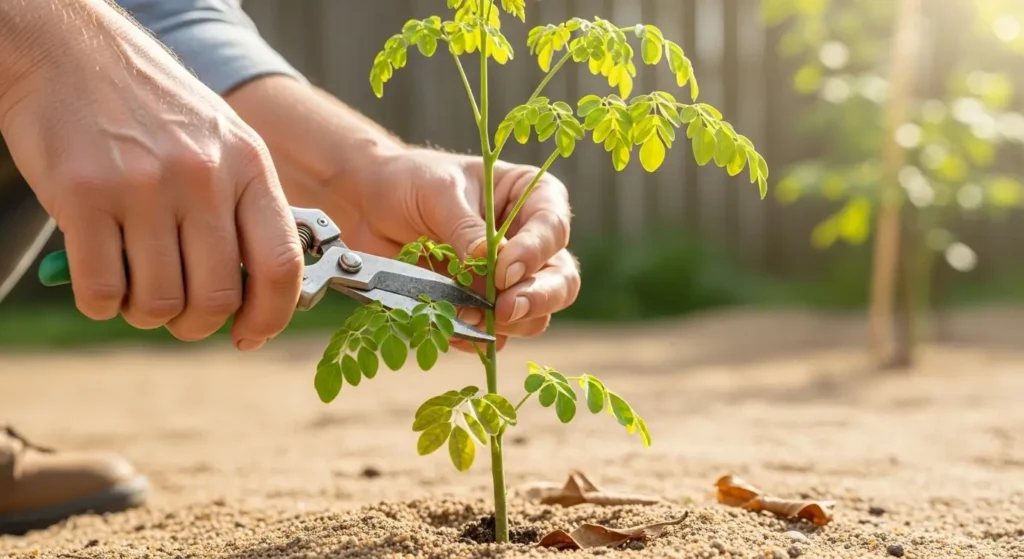
The best time to propagate a benzoil tree is in spring or early summer when the plant is actively growing. You can propagate this garden tree by stem cuttings or directly from seeds both methods work well, but cuttings produce faster results.
Propagating by Stem Cuttings
Stem cuttings are the fastest and most popular propagation method for the benzoil tree. They root quickly and produce plants identical to the parent. According to the USDA Plants Database profile for Moringa oleifera, this species propagates readily from cuttings placed directly in the ground.
Materials needed:
- Sharp, sterilized pruning shears
- Rooting hormone powder
- Large pot or container
- Sandy, well-draining potting mix
Step 1: Take a hardwood cutting 12–18 inches long from a healthy, mature branch, cutting at a 45-degree angle just below a node.
Step 2: Remove all leaves from the lower two-thirds of the cutting to reduce moisture loss and expose the nodes cleanly.
Step 3: Dip the cut end in rooting hormone powder, then plant the cutting 4–6 inches deep in moist, sandy potting mix.
Step 4: Place the pot in a warm, sunny spot. Water lightly every few days, keeping the soil barely moist but never soggy.
Most benzoil tree cuttings develop strong roots in 3–4 weeks and are ready to transplant outdoors after 6–8 weeks. This method is faster and more reliable than growing from seed.
Propagating from Seeds
Growing a benzoil tree from seed is also easy and very rewarding. Soak seeds in water for 24 hours before planting to speed up germination. Plant fresh seeds in well-draining soil about ½ inch deep, water lightly, and keep in a warm spot above 70°F. Germination typically happens within 1–2 weeks. The benzoil tree has one of the highest germination rates of any tropical tree when seeds are planted fresh.
Planting and Transplanting
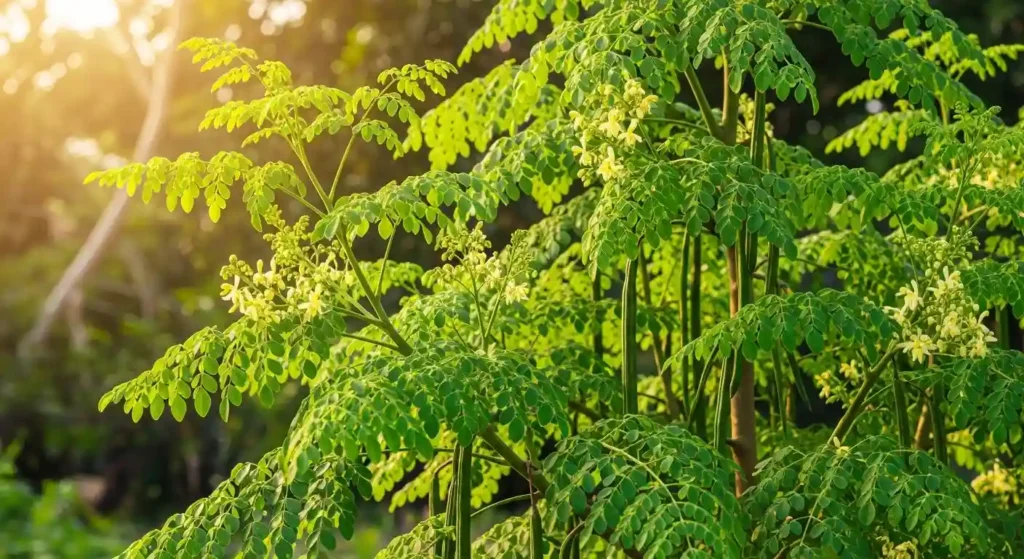
Plant your benzoil tree in spring after all frost danger has passed, ideally when nighttime temperatures consistently stay above 50°F. Space multiple trees 10–15 feet apart to allow for mature spread and proper air circulation. Give this fast-growing garden plant plenty of room from day one. Similar tropical trees like the imli plant (tamarind) also benefit from generous spacing at planting time.
Dig a hole twice as wide and just as deep as the root ball. Backfill with a mix of native soil and coarse sand, water deeply after planting, and mulch around the base. Avoid planting in low spots where water collects after rain.
Transplanting is best done in early spring before new growth emerges. Choose the final location carefully, as established moringa trees dislike being moved.
Common Pests and Diseases
Like most outdoor garden plants, the benzoil tree can occasionally face pest or disease pressure, though it’s generally quite resilient once established.
Aphids
Look for clusters of tiny green or black insects on new shoots and leaf undersides. Treat with a strong water spray or neem oil solution applied every 5–7 days until the infestation clears.
Spider Mites
Check the undersides of leaves for fine webbing and stippled, bronzed foliage. Treat with insecticidal soap or neem oil. Increase irrigation during hot, dry spells, as dry conditions encourage mite outbreaks. For more on managing tree pests, the UC ANR IPM Program offers practical, region-specific guidance.
Powdery Mildew
Watch for white, chalky patches on leaves during humid weather. Treat with a baking soda spray (1 tsp per quart of water) or a copper-based fungicide. Improving air circulation around the tree reduces powdery mildew pressure significantly.
Root Rot
Look for yellowing leaves, soft bark near the base, and stunted growth. Treat by improving drainage immediately and reducing watering. Severe cases may require removing affected roots before the tree can recover.
Common Problems
Here’s how to troubleshoot common benzoil tree issues:
Poor or No Blooms
Insufficient sunlight is the top culprit benzoil trees need 6+ hours daily. Over-fertilizing with nitrogen pushes leaves over blooms, and late pruning removes developing buds. Always use a balanced fertilizer and prune in late winter. Gardeners facing similar issues on the grapefruit tree will recognize this dynamic.
Yellow or Browning Leaves
Yellow leaves almost always signal overwatering or poor drainage. Browning tips indicate underwatering or low humidity, while general yellowing may suggest iron or nitrogen deficiency. Adjust watering and apply balanced fertilizer as needed. Similar patterns occur on the mustard tree in poorly drained soil.
Wilting or Drooping
Morning wilting usually points to underwatering give the tree a deep soak and it should recover within hours. Wilting during peak afternoon heat is often normal heat stress for newly planted trees. If wilting persists after watering, check the roots for signs of rot. Transplant shock can also cause temporary drooping for 1–2 weeks after planting, which is nothing to worry about.
Leggy or Sparse Growth
Leggy, thin growth almost always signals insufficient light. Move container-grown plants to a sunnier spot right away. In-ground trees may need nearby obstructions removed to open up light access. Over-fertilizing with nitrogen can also cause fast, weak, sparse growth. Prune back leggy stems and switch to a balanced fertilizer. For comparison, the loquat tree responds to this same combination of improved light and corrective pruning.
Frost Damage
If temperatures drop below freezing, your benzoil tree may die back to the ground. Don’t panic cut back all frost-damaged stems to healthy wood in early spring. Mulch heavily around the base before winter arrives in zone 9 to protect the root system. Most established trees resprout vigorously once warm temperatures return.
FAQ
Why don’t doctors recommend moringa?
While moringa is safe in food amounts, some doctors caution against supplements because they may interact with medications, including blood thinners and diabetes drugs.
What is the moringa tree good for?
The benzoil tree provides edible leaves, pods, and seeds rich in vitamins, antioxidants, and protein, making it popular in cooking and traditional medicine worldwide.
Is moringa legal to grow in the US?
Yes, the benzoil tree is completely legal to grow in the US. It thrives outdoors in USDA zones 9–11 and grows well as a container plant in cooler regions.
What is the downside of taking moringa?
High doses of moringa supplements may cause digestive upset, lower blood pressure excessively, or interfere with thyroid function. Always consult a doctor before use.