
In This Article
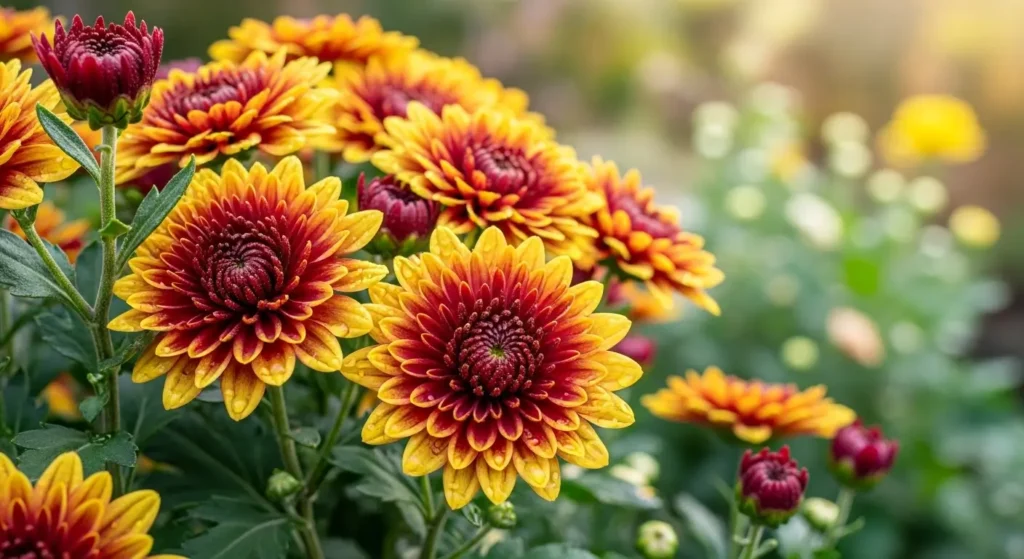
The chrysanthemum (Chrysanthemum morifolium) is the official november birth flower, blooming in rich shades of burgundy, gold, and white each fall. Native to Asia and hardy in zones 5–9, this cheerful perennial has been treasured in gardens for centuries. Honestly, it’s one of the easiest fall flowers you can grow.
Plant Care Card
| Detail | Info |
|---|---|
| Common Name | Chrysanthemum, Garden Mum |
| Botanical Name | Chrysanthemum morifolium |
| Family | Asteraceae |
| Plant Type | Herbaceous perennial |
| Mature Size | 1–3 ft tall × 1–3 ft wide |
| Sun Exposure | Full sun (6+ hours daily) |
| Soil Type | Well-draining, loamy or sandy |
| Soil pH | 6.0–6.5 (slightly acidic) |
| Hardiness Zones | USDA Zones 5–9 |
| Native Area | China, northeastern Europe |
| Bloom Time | Late summer through fall |
| Toxicity | Toxic to cats and dogs; mildly irritating to humans |
November Birth Flower Care
The november birth flower is straightforward to grow once you understand its basic needs. Here’s what you need to know about sun, soil, water, pruning, and seasonal maintenance. With the right placement, this plant rewards you with weeks of bold fall color and very little drama.
Light
Chrysanthemums need full sun at least 6 hours daily. Without it, this november birth flower grows leggy and produces far fewer blooms. Place your mums in a south- or west-facing bed, away from trees and tall structures. Additionally, avoid artificial light at night, as chrysanthemums are short-day plants that need long, dark nights to bloom.
Soil
Chrysanthemums prefer well-draining, loamy soil with a slightly acidic pH between 6.0 and 6.5. Good drainage is critical the november birth flower hates soggy ground. According to the University of Minnesota Extension, amending heavy clay with organic matter significantly improves drainage and root health for garden perennials like mums.
Water
Water chrysanthemums deeply once or twice per week at the base, never overhead. Check moisture by pressing a finger an inch into the soil if dry, water now. In summer, newly planted mums may need more frequent watering. Watch for yellowing leaves (overwatering) or crispy edges (underwatering) and adjust accordingly.
Temperature and Humidity
Chrysanthemums thrive between 60°F and 70°F, hardy in zones 5–9. Similarly to crocus flowers, the november birth flower tolerates light frost but needs protection during hard freezes. Once temperatures drop severely, cut plants back and apply a 2–3 inch mulch layer to insulate roots through winter. In zones below 5, treat mums as annuals.
Fertilizer
Feed the november birth flower with a balanced, slow-release granular fertilizer (10-10-10) in early spring when new growth begins. Apply again in early summer to support strong stem and leaf development. Stop fertilizing by mid-August feeding too late pushes leafy growth at the expense of blooms and reduces cold hardiness going into fall.
Types of November Birth Flower
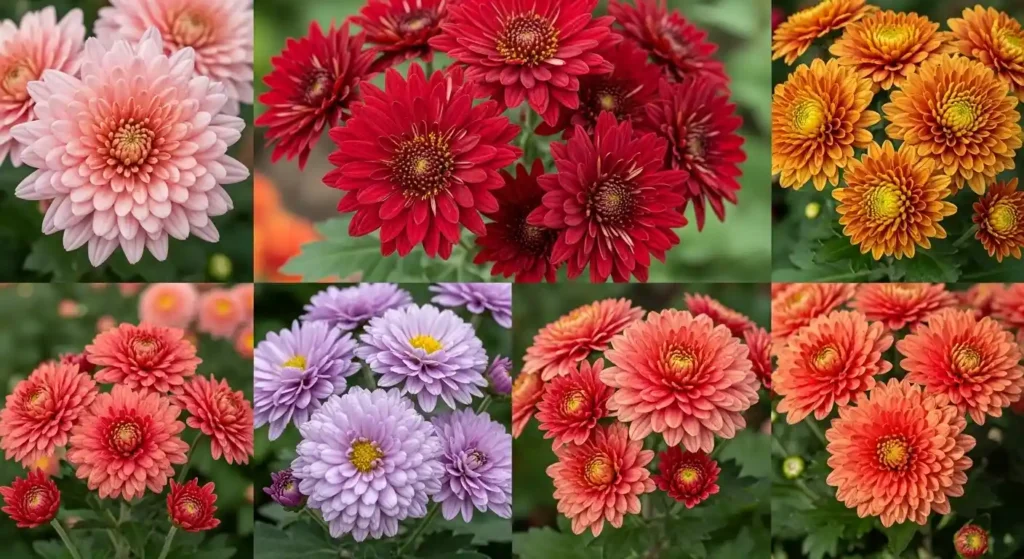
There are hundreds of chrysanthemum varieties, but a few standouts are worth knowing as you grow the november birth flower in your garden. Each brings something unique in color, form, or cold hardiness:
- ‘Sheffield Pink’ (Chrysanthemum × rubellum): Soft peachy-pink single blooms, very cold-hardy, spreads gradually to form a lovely ground-covering clump.
- ‘Hillside Sheffield’: A vigorous sport of Sheffield Pink with slightly brighter coral tones and exceptional frost tolerance into zone 4.
- ‘Ryan’s Pink’: Reliable compact grower with clear rose-pink blooms, great for borders and container gardening.
- ‘Mammoth Red Daisy’: Large single daisy-type flowers in deep red; one of the most cold-hardy garden mums available.
- ‘Prophet’: Classic cushion-type mum in bronze-gold tones, ideal for formal garden beds and fall displays.
- ‘Cambodian Queen’: Unusual lavender-purple semi-double blooms that really stand out among fall’s typical warm tones.
Pruning
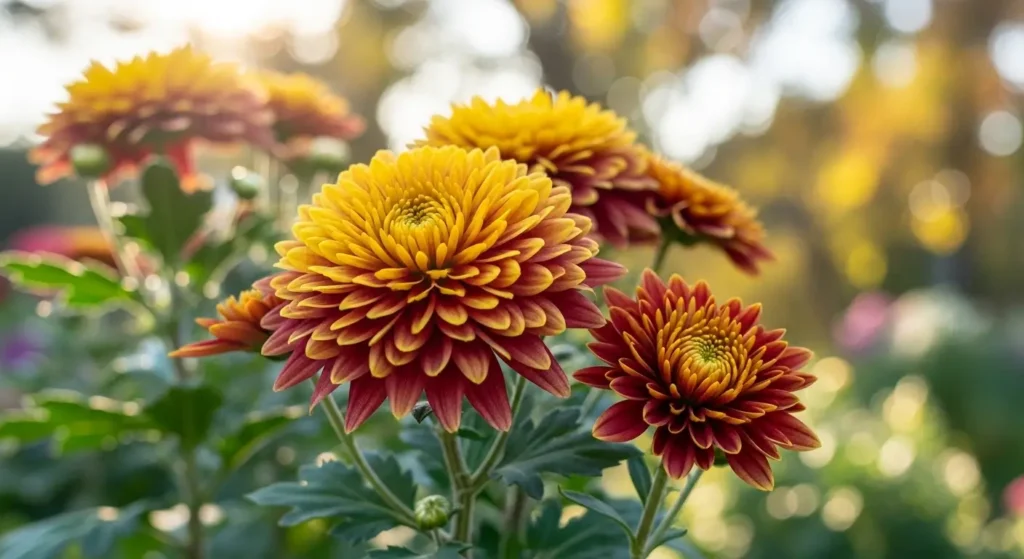
Pinch chrysanthemums back every 2–3 weeks from May until mid-July, removing about 1 inch from each stem tip. After mid-July, stop the november birth flower needs time to set buds. Use clean, sharp shears, cutting just above healthy leaves. Deadhead spent blooms in fall, but wait until spring to cut stems fully back.
Propagating November Birth Flower
The best time to propagate the november birth flower is spring or early summer, when plants are actively pushing out new growth and stem cuttings root most readily.
Propagating by Stem Cuttings
Stem cuttings are the most reliable and widely used method for propagating the november birth flower. You’ll get new plants that are genetically identical to the parent, which is exactly what you want when a favorite variety is thriving in your garden.
Materials needed:
- Sharp, clean pruning shears or a knife
- Small pots (3–4 inch)
- Well-draining potting mix or a 50/50 blend of perlite and peat
- Rooting hormone powder (optional but helpful)
- Clear plastic bag or humidity dome
Step 1: In spring, select a healthy, non-flowering stem that is 4–6 inches long. Cut just below a leaf node using clean shears. Remove the lower leaves, leaving only 2–3 sets at the top.
Step 2: Dip the cut end lightly into rooting hormone powder, tapping off any excess. This step isn’t strictly required, but it speeds up root formation noticeably.
Step 3: Insert the cutting about 1.5–2 inches deep into a small pot filled with moist, well-draining propagation mix. Firm the mix gently around the base to hold the cutting upright.
Step 4: Cover with a clear plastic bag or humidity dome to retain moisture, and place in a warm spot with bright indirect light. Check for roots in 3–4 weeks by giving the cutting a gentle tug resistance means roots have formed.
Once rooted, gradually remove the humidity cover over a few days to acclimate the new november birth flower plant to normal air conditions before transplanting outdoors.
Propagating by Division
Division is another excellent option for the november birth flower, particularly for established clumps that have been growing in the same spot for 2–3 years. This method also helps reinvigorate older plants that may have become woody or sparse in the center.
Step 1: In early spring, dig up the entire clump before new growth gets too tall. Shake off excess soil to see the root system clearly.
Step 2: Use a sharp spade or garden fork to divide the clump into sections, making sure each division has healthy roots and at least 3–5 shoots.
Step 3: Replant the divisions immediately at the same soil depth as the original plant, spacing them 18–24 inches apart. Water thoroughly after planting.
Divided chrysanthemums typically establish quickly and bloom well in their first season, making this one of the most rewarding propagation methods for this november birth flower.
Planting and Transplanting
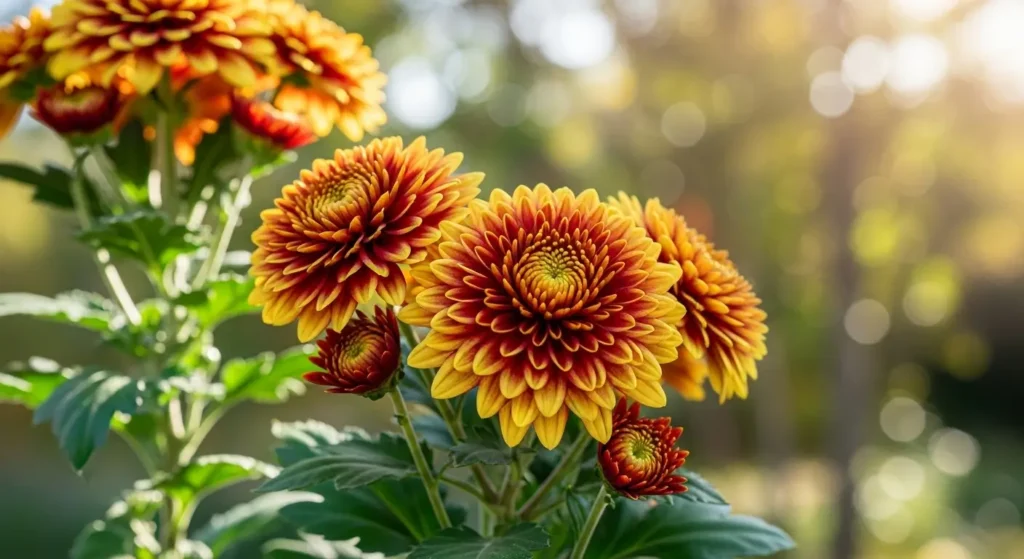
Plant chrysanthemums in spring after the last frost, spacing plants 18–24 inches apart for good air circulation. Dig a hole as deep as the root ball, backfill with compost-mixed soil, and water well. According to USDA planting guidelines, proper depth and spacing are key to long-term perennial success. Divide every 2–3 years to keep plants vigorous.
Common Pests and Diseases
Like most garden plants, the november birth flower can occasionally face pest or disease issues especially in humid conditions or crowded plantings. Staying on top of these keeps the november birth flower looking its best all season.
Aphids
Look for clusters of tiny soft-bodied insects on new stem tips and leaf undersides. Treat with a strong blast of water or apply insecticidal soap spray weekly until populations drop.
Spider Mites
Watch for fine webbing and stippled, dusty-looking foliage, especially in hot, dry weather. Treat with neem oil spray or insecticidal soap; increase watering around plants to raise humidity.
Powdery Mildew
Identify by a white, powdery coating on leaves and stems, usually in late summer. Improve air circulation, avoid overhead watering, and treat with a baking soda solution or a copper-based fungicide.
Root Rot
Look for wilting despite moist soil, black or mushy roots, and sudden collapse. Treat by improving drainage immediately and removing affected plant tissue. According to Penn State Extension’s IPM guidelines, preventing root rot starts with proper soil preparation before planting.
Caterpillars / Leaf Miners
Check for irregular holes or winding pale trails inside leaf tissue. Hand-pick caterpillars when possible, and treat leaf miners with spinosad or neem oil for effective control.
Common Problems with November Birth Flower
Here’s how to troubleshoot common issues:
Poor or No Blooms
Here’s the thing poor blooms on the november birth flower usually mean insufficient sun, excess nitrogen fertilizer, or pinching too late in the season. Move plants to a sunnier spot, stop feeding with nitrogen after July, and never pinch stems after mid-July.
Yellow or Browning Leaves
Yellow leaves usually signal overwatering or poor drainage, while browning edges point to underwatering or heat stress. A nutrient deficiency can also cause yellowing on the november birth flower. Check soil moisture first, then apply a light balanced fertilizer if drainage isn’t the issue.
Wilting or Drooping
Underwatering is the most common cause water deeply and the november birth flower perks up within hours. Transplant shock can also trigger temporary drooping; keep soil consistently moist. In extreme heat, even well-watered mums may droop midday naturally, recovering on their own by evening.
Leggy or Sparse Growth
Leggy, stretched-out stems almost always mean not enough light. Move the november birth flower to a sunnier spot if possible, or cut back nearby plants or structures causing shade. Additionally, over-fertilizing with nitrogen can push rapid but weak stem growth. Regular pinching through early summer, combined with full sun placement, keeps chrysanthemums compact and full. For related tips, see our guide on butterfly plant care for managing leggy growth in sun-loving perennials.
Frost Damage
Unexpected early frosts can catch the november birth flower in full bloom, turning petals brown and mushy overnight. If a frost is forecast, cover plants with a lightweight frost cloth or old bedsheet in the evening and remove it in the morning. Similarly to how march birth flowers need early-season cold protection, mums benefit from a little seasonal planning. Mulching the root zone in fall also helps protect the crown even after top growth is damaged.
FAQ
What is the official November birth flower?
The chrysanthemum (Chrysanthemum morifolium) is the official november birth flower, symbolizing joy, longevity, and friendship. The peony is the secondary birth flower.
What is your birth flower for November?
If you were born in November, your birth flower is the chrysanthemum. It represents happiness, optimism, and a long, well-lived life fitting for a fall birthday.
Why does November have two flowers?
November has two birth flowers the chrysanthemum and the peony because different cultural traditions assign different flowers, giving people meaningful options to choose from.
What is November’s wildflower?
The wild chrysanthemum (Chrysanthemum indicum) is considered November’s wildflower. It grows naturally across Asia and blooms prolifically in fall across open fields and hillsides.