
In This Article
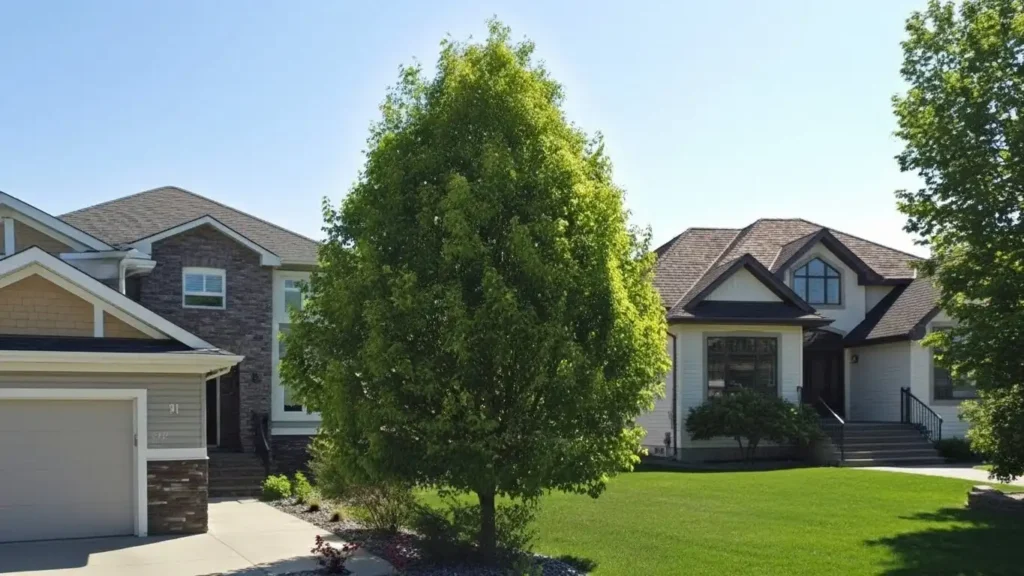
Navigator pear trees are medium-sized deciduous fruit trees known for their crisp, sweet pears and stunning white spring blossoms. This cold-hardy cultivar (Pyrus communis ‘Navigator’) originates from European breeding programs, specifically developed for northern climates. The tree produces golden-yellow pears with a classic bell shape and smooth skin.
Honestly, this variety is one of the more reliable fruiting trees for home gardeners in cooler regions. It thrives in USDA hardiness zones 4-7, making it suitable for gardens where many fruit trees struggle with winter temperatures. The care difficulty is moderate, requiring attention to pruning and pest management.
Navigator Pear Care Card
| Attribute | Details |
|---|---|
| Common Name | Navigator Pear |
| Botanical Name | Pyrus communis ‘Navigator’ |
| Family | Rosaceae |
| Plant Type | Deciduous fruit tree |
| Mature Size | 12-15 feet tall, 8-10 feet wide |
| Sun Exposure | Full sun |
| Soil Type | Loamy, well-draining |
| Soil pH | 6.0-7.0 (slightly acidic to neutral) |
| Hardiness Zones | 4-7 (USDA) |
| Native Area | European cultivar |
| Bloom Time | Spring (April-May) |
| Toxicity | Seeds contain cyanogenic glycosides; fruit flesh is edible |
Navigator Pear Care
This European cultivar establishes well with consistent care during the first growing seasons. Here’s what you need to know about sun, soil, water, and maintenance throughout the year. With proper placement and regular pruning, your tree produces reliable harvests for decades.
Light
Navigator pear requires full sun exposure to produce quality fruit and maintain healthy growth. The tree needs at least 6-8 hours of direct sunlight daily for optimal flowering. Insufficient light leads to poor fruit set and reduced sweetness.
Plant your tree in the sunnest spot available, preferably on the south or southwest side of your property. Avoid locations near tall buildings or mature trees that cast afternoon shade. Good air circulation around the canopy helps prevent disease during late summer.
Soil
This pear variety thrives in loamy, well-draining soil rich in organic matter. The roots cannot tolerate waterlogged conditions, which quickly lead to root rot and declining tree health. A slightly acidic to neutral pH between 6.0 and 7.0 provides ideal nutrient availability.
Amend heavy clay soils with compost and coarse sand at a 2:1:1 ratio before planting. According to University of Minnesota Extension, incorporating organic matter improves both drainage and nutrient retention in challenging soils. Avoid planting in low-lying areas where water collects after rainfall.
Water
Newly planted trees need deep watering every 5-7 days during their first growing season. Check soil moisture by inserting your finger 2-3 inches into the ground. Water when the top few inches feel dry to the touch.
Established Navigator pear trees are moderately drought-tolerant but produce better fruit with consistent moisture. Provide 1-2 inches of water weekly during the growing season, increasing frequency during hot periods. Reduce watering in fall as the tree prepares for dormancy, similar to how eagleston holly trees adjust their water needs seasonally.
Temperature and Humidity
Navigator pear tolerates winter temperatures down to -30°F, making it one of the hardiest fruiting varieties available. The tree requires 800-1000 chill hours below 45°F for proper fruit development. Summer heat tolerance is excellent up to 90°F.
Apply 3-4 inches of organic mulch around the base in late fall to protect roots during extreme cold snaps. Keep mulch 6 inches away from the trunk to prevent rodent damage. This variety handles typical humidity levels across its hardiness zones without special accommodations.
Fertilizer
Feed with a balanced 10-10-10 fertilizer in early spring as buds begin to swell. Apply 1 pound of fertilizer per inch of trunk diameter, spreading it evenly under the canopy. Stop fertilizing by mid-July to allow the tree to harden off before winter.
Types of Navigator Pear
If you’re considering other pear varieties, these cultivars offer different characteristics:
- Bartlett Pear: Classic yellow pear with exceptional sweetness and soft texture; requires warmer zones 5-8
- Bosc Pear: Russeted brown skin with firm flesh perfect for baking; excellent storage variety
- Seckel Pear: Tiny sugar pears with incredibly sweet flavor; naturally resistant to fire blight
- Anjou Pear: Large green pears that stay firm even when ripe; excellent for eating throughout winter
- Comice Pear: Considered the finest dessert pear with buttery texture; requires careful handling
Pruning
Prune during late winter or early spring while the tree remains dormant, typically February through early March. Remove dead, diseased, or crossing branches that rub against each other. Cut back water sprouts growing vertically from main branches.
Make cuts at a 45-degree angle just above an outward-facing bud to encourage open canopy structure. Annual pruning maintains tree height at 12-15 feet for easier harvesting and improves air circulation. This reduces disease pressure throughout the growing season.
Propagating Navigator Pear
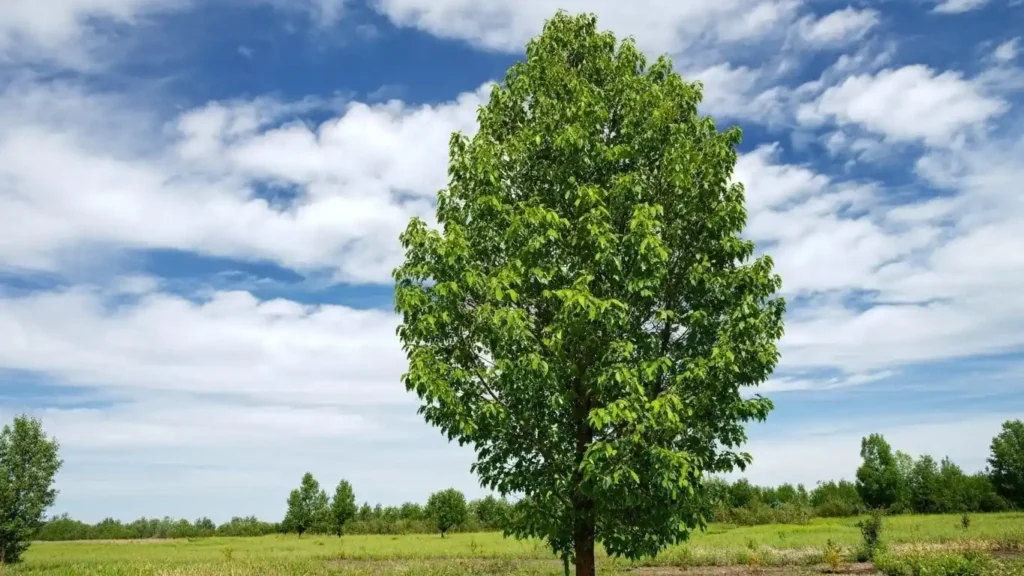
The best time for propagation is late winter for grafting or early summer for softwood cuttings.
Propagating by Grafting
Grafting onto rootstock is the most reliable method for maintaining true characteristics and controlling tree size.
Materials needed:
- Sharp grafting knife
- Grafting tape or rubber bands
- Rootstock (Pyrus calleryana or quince for dwarf varieties)
- Scionwood from healthy Navigator pear tree
Steps:
Step 1: Collect scionwood in late winter when dormant, selecting pencil-thick shoots from last season’s growth. Store wrapped in moist paper towels inside a plastic bag in the refrigerator until grafting time.
Step 2: Make a diagonal cut on both the rootstock and scionwood, creating matching surfaces approximately 1-2 inches long. The cambium layers must align on at least one side for successful grafting.
Step 3: Join the cut surfaces together, ensuring cambium contact, then wrap tightly with grafting tape from bottom to top. Cover the entire graft union to prevent drying while excluding the scion buds.
Step 4: Monitor the graft for 4-6 weeks until new growth emerges from the scion buds. Remove the tape once the union has fully healed and new leaves expand to 2-3 inches.
The graft typically produces fruit within 3-4 years, significantly faster than growing from seed. Success rates range from 60-80% for experienced gardeners, similar to grafting techniques used for anna apple trees.
Propagating from Seeds
Seeds produce unpredictable results and trees that differ significantly from the parent plant.
Step 1: Extract seeds from ripe pears in fall and clean off all fruit flesh. Stratify seeds in moist sand inside the refrigerator for 90-120 days.
Step 2: Sow stratified seeds 1 inch deep in pots filled with well-draining potting mix in early spring. Keep soil consistently moist and place in bright, indirect light.
Step 3: Transplant seedlings to individual containers once they develop 4-6 true leaves, typically 6-8 weeks after germination.
Seed-grown trees require 7-10 years to produce fruit.
Planting and Transplanting Navigator Pear
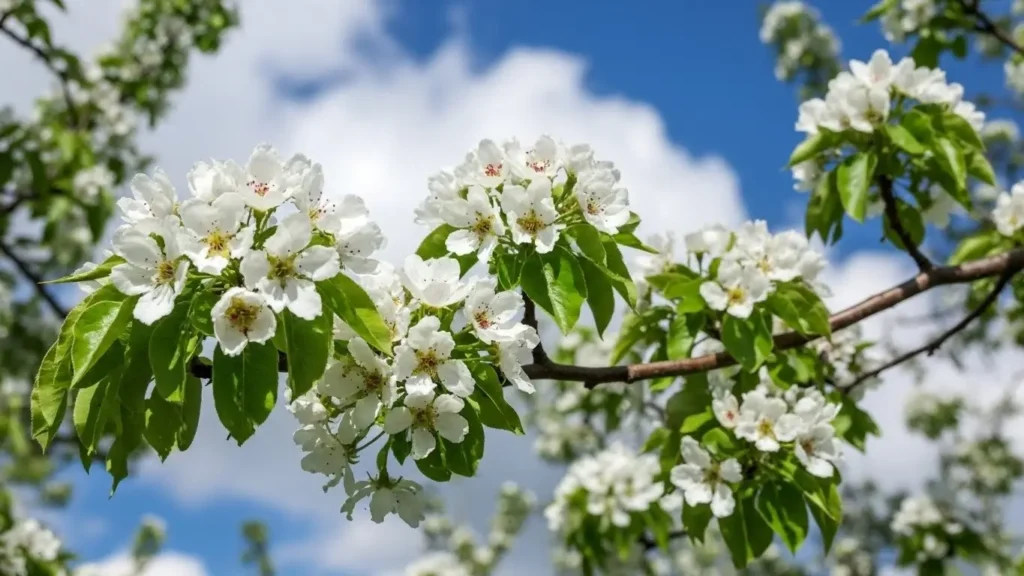
Plant bare-root trees in early spring as soon as soil becomes workable, typically March through April. Container-grown trees transplant successfully spring through fall, though spring planting allows better root establishment. Space trees 15-20 feet apart to accommodate mature canopy spread.
Dig a hole twice as wide as the root ball but no deeper than the original soil line on the trunk. According to USDA planting guidelines, planting too deep leads to crown rot in fruit trees. Backfill with native soil, creating a slight basin to direct water toward roots.
Established trees rarely need transplanting, but young trees under 3 years old can be moved in early spring before bud break.
Common Pests and Diseases
Like most fruit trees, Navigator pear occasionally faces pest and disease challenges.
Codling Moth
Look for small entry holes in developing fruit and brown frass around the core area. Treat with organic Bt spray or pheromone traps placed in early spring before moths lay eggs.
Pear Psylla
These tiny insects cause leaf curling and honeydew secretions on foliage. Apply dormant oil spray in late winter and monitor for early-season populations, treating with insecticidal soap if needed.
Fire Blight
This bacterial disease causes blackened, scorched-looking branch tips that curl into a shepherd’s crook shape. Prune infected branches 8-12 inches below visible symptoms, disinfecting tools between cuts with 10% bleach solution.
Pear Scab
Dark, scabby lesions appear on fruit skin and leaves during wet spring weather. Prevent by applying copper fungicide sprays before bloom according to Penn State Extension recommendations.
Common Problems with Navigator Pear
Here’s how to troubleshoot common issues:
Poor or No Fruit Production
This frustrating problem usually stems from insufficient chill hours, improper pollination, or excessive nitrogen fertilization. Navigator pear requires cross-pollination from another European pear variety like Bartlett planted within 50 feet. Over-fertilizing produces lush foliage at the expense of fruit buds. Plant a compatible pollinator variety and reduce nitrogen applications to encourage fruiting wood formation.
Yellow or Browning Leaves
Leaf discoloration typically indicates overwatering, iron deficiency, or drainage problems affecting root health. Waterlogged soil suffocates roots and prevents nutrient uptake, causing widespread yellowing starting with older leaves. Iron chlorosis shows as yellow leaves with green veins, common in alkaline soils. Test your soil pH and improve drainage by incorporating compost, just as you would with annabelle hydrangea care.
Fruit Drop Before Ripening
Premature fruit drop occurs when trees experience water stress or pest damage. Inconsistent watering during fruit development causes trees to abort fruit to preserve energy. Maintain even soil moisture throughout summer and thin fruit clusters to 6-8 inches apart in early summer.
Split or Cracked Fruit
Rapid growth from irregular watering causes fruit skin to split as flesh expands faster than the exterior can accommodate. This issue worsens during periods of drought followed by heavy rainfall. Maintain consistent soil moisture throughout the growing season, similar to proper watering techniques for oriental poppy care.
Leaves with Brown Edges
Leaf scorch from heat stress or wind exposure causes brown, crispy edges on foliage. This condition rarely threatens overall tree health but indicates environmental stress. Deep watering during hot periods helps, as does protecting young trees from harsh winds.
FAQ
What is the best tasting pear variety?
Comice pears are widely considered the finest dessert variety for fresh eating, with buttery texture and exceptional sweetness. However, Navigator pear offers excellent flavor with superior cold hardiness.
Why is it illegal to plant Bradford pear trees?
Bradford pear is invasive across much of the United States, displacing native vegetation with aggressive growth patterns. Many states now ban sales due to environmental damage from widespread naturalization.
What are common problems with ornamental pear trees?
Fire blight, weak branch structure leading to storm damage, and invasiveness in Callery pear varieties create significant maintenance challenges for gardeners and municipalities seeking low-maintenance landscaping options.
What is the rarest pear?
The Stinking Bishop pear is extremely rare, grown almost exclusively in Gloucestershire, England, for making a famous washed-rind cheese traditionally produced by small artisan cheesemakers.