
In This Article
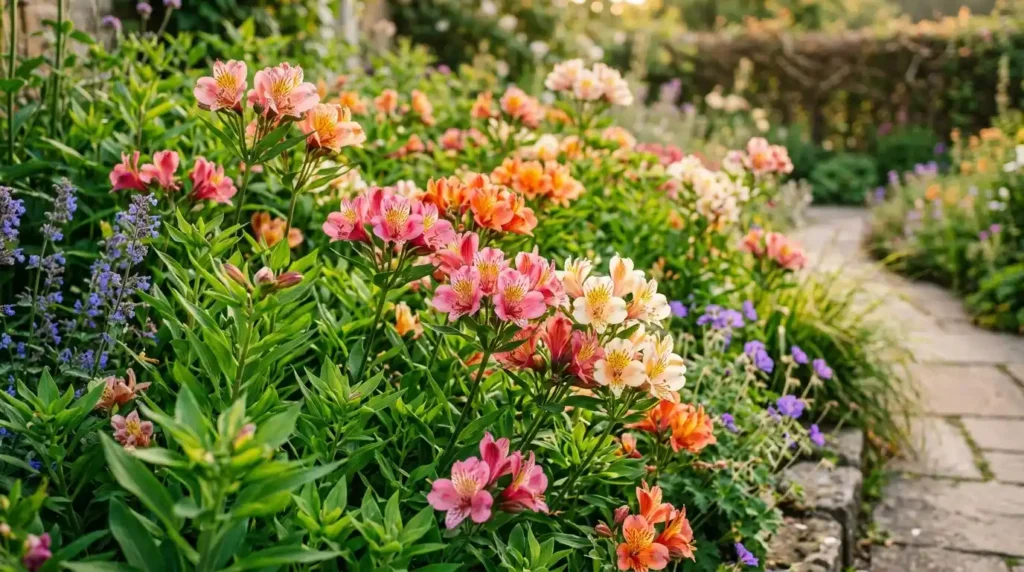
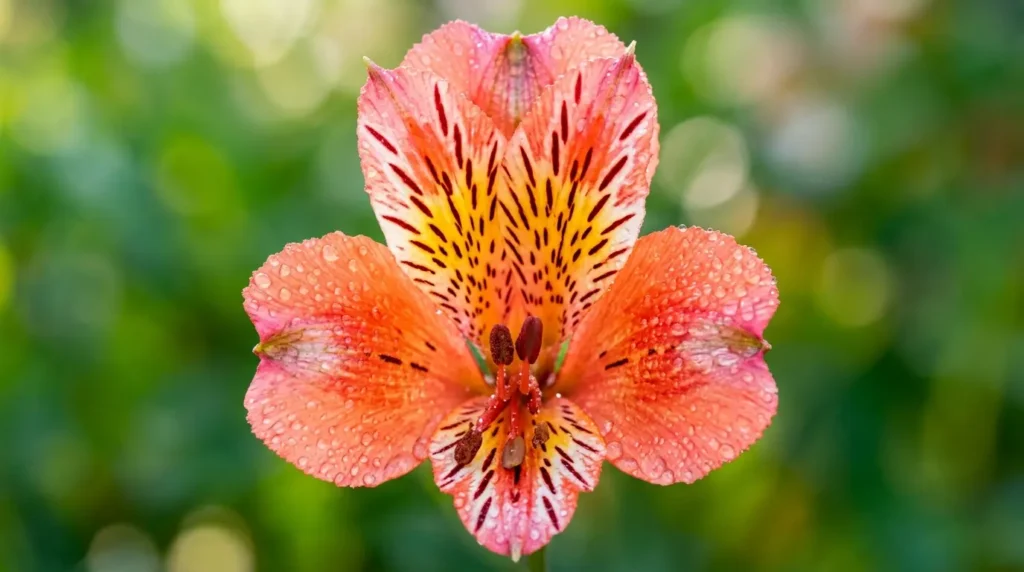
Inca lily plants (Alstroemeria spp.), also called Peruvian lily or lily of the Incas, bring funnel-shaped, speckled blooms in shades of pink, orange, red, and white to summer borders. The clumping stems carry twisted, lance-shaped leaves that stay attractive even between bloom flushes.
Native to the Andean regions of Peru, Chile, and Argentina, inca lily plants thrive in USDA zones 7 through 10, with some cultivars hardy to zone 6 with winter protection. Honestly, once established, this plant is low maintenance and forgiving, making it a solid pick for beginner and seasoned gardeners alike.
You’ll love how long the cut flowers last too often two weeks or more in a vase. Here’s the thing: a little attention to sun, soil, and water goes a long way with this beauty.
Plant Care Card
| Field | Details |
|---|---|
| Common Name | Inca lily, Peruvian lily, lily of the Incas |
| Botanical Name | Alstroemeria spp. |
| Family | Alstroemeriaceae |
| Plant Type | Herbaceous perennial |
| Mature Size | 1–3 ft. tall x 1–2 ft. wide (some varieties to 5 ft.) |
| Sun Exposure | Full sun to partial shade |
| Soil Type | Well-draining, fertile, loamy |
| Soil pH | Neutral (6.0–7.0) |
| Hardiness Zones | USDA 7–10 |
| Native Area | South America (Peru, Chile, Argentina) |
| Bloom Time | Late spring through early fall |
| Toxicity | Mildly toxic to pets; sap can irritate skin |
Inca Lily Plants Care
Inca lily plants are easygoing once they settle into the right spot in your garden. Here’s what you need to know about sun, soil, water, and basic upkeep. With proper placement, this plant practically takes care of itself.
Light
Inca lily plants do best in full sun, though afternoon shade helps in hotter climates. Aim for at least six hours of direct sunlight daily for the strongest stems and biggest blooms. In cooler regions, full sun keeps growth compact and flowering reliable all season.
Too little light leads to leggy stems and fewer flowers. A south-facing bed sheltered from harsh wind is ideal, and gardeners in zones 9–10 should plan for some midday shade.
Soil
This plant prefers loamy, fertile soil with excellent drainage. Soggy or compacted soil quickly leads to rotted roots, so good drainage really matters here. A neutral pH between 6.0 and 7.0 works best for healthy growth.
Mix in compost at planting time to loosen heavy soil and add nutrients. Avoid dense clay or low spots where water collects after rain.
Water
Water newly planted inca lily plants regularly to keep the soil evenly moist while roots establish. Once mature, water deeply about once a week, more often during hot, dry spells. Established clumps tolerate brief dry stretches better than soggy ground.
Cut back watering in fall and winter as growth slows down. Always check soil moisture a couple inches down before watering again.
Yellowing leaves and mushy roots usually point to overwatering, while crispy, drooping foliage signals it’s thirsty.
Temperature and Humidity
Inca lily plants prefer moderate temperatures, generally between 60–75°F, and tend to slow their blooming in extreme summer heat. Established plants tolerate light frost, but a hard freeze can damage tubers in zones below 7.
A thick layer of mulch in fall insulates the roots through winter. In humid climates, good airflow between plants helps prevent fungal issues.
Fertilizer
Feed inca lily plants monthly during the growing season with a balanced, slow-release fertilizer. Switch to a water-soluble bloom booster every few weeks for extra flower production. Stop fertilizing in fall as the plant heads into dormancy, since pushing new growth late in the season weakens it before winter.
Types of Inca Lily Plants
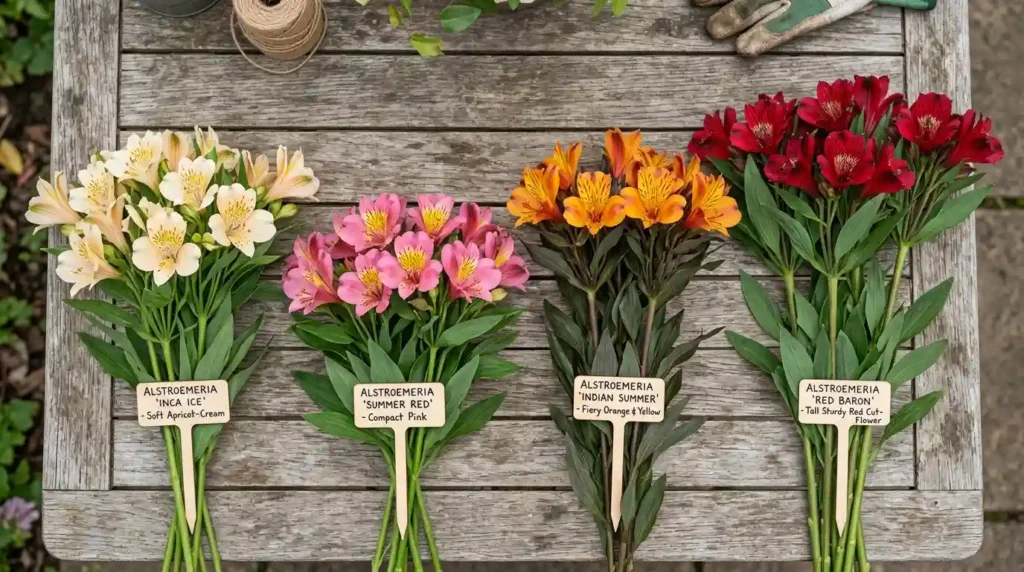
Breeders have produced many inca lily varieties, from compact patio types to tall cut-flower selections. Here are a few favorites worth knowing.
- ‘Inca Ice’: Soft apricot-and-cream blooms with subtle yellow throats, a gentler color choice than bolder hybrids.
- Princess Lily Series: Compact, container-friendly varieties that stay under 18 inches tall, similar in scale to the Asiatic lily when grown in pots.
- ‘Indian Summer’: Fiery orange-and-yellow petals with bronze foliage, a striking border standout.
- Tall cut-flower hybrids: Sturdy, 2–3 foot stems bred for vase life, often used the way florists use tiger lily stems in mixed bouquets.
Pruning
Deadhead inca lily plants throughout the growing season to keep new blooms coming. Rather than snipping, gently grasp a spent stem near the base and pull it free, which signals the plant to send up replacement stems.
This twist-and-pull method, unlike pruning many shrubs or even an oriental poppy, encourages continuous flowering rather than a single flush. In early spring, clear out old, dried stems to make room for fresh growth.
Propagating Inca Lily Plants
Spring is the best time to propagate inca lily plants, when the clumps are actively growing and easiest to handle.
Propagating by Division
Dividing tubers is the most reliable way to multiply inca lily plants and keep their vigor.
You’ll need:
- A garden fork or spade
- Clean pruning shears
- Gloves (sap can irritate skin)
Steps:
- Cut foliage back to about 6–8 inches before digging up the clump.
- Lift the rhizomes carefully with a fork, since the roots are brittle and break easily.
- Separate clusters of at least four to five rhizomes with roots attached.
- Replant divisions immediately at the same depth in well-draining soil.
Expect new shoots within a few weeks, with flowering resuming the following season.
Propagating from Seeds
Starting inca lily plants from seed takes more patience but works well for new varieties. Chill seeds in the refrigerator for a few weeks to mimic winter, then sow in moist seed-starting mix. Keep soil consistently damp and warm; germination can take several weeks, and bloom may not appear until the second year.
Planting and Transplanting Inca Lily Plants
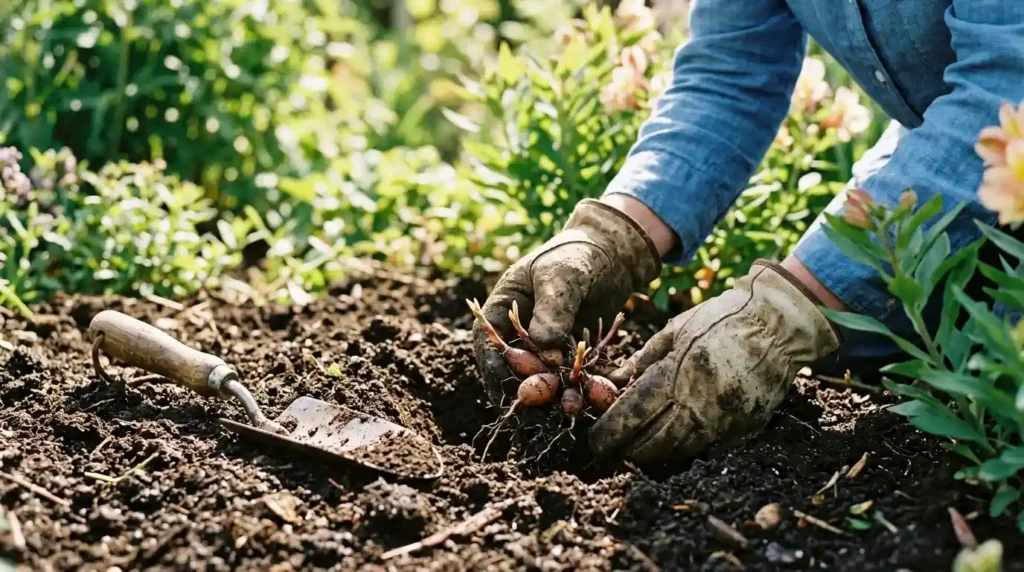
Plant inca lily plants in spring once the danger of frost has passed, spacing them 12 to 24 inches apart depending on the variety’s mature spread. Dig a hole 6–8 inches deep and gently spread the brittle, finger-like roots over a mound of soil before covering.
According to North Carolina State Extension, this plant dislikes being disturbed, so handle roots with care during planting and avoid moving established clumps unnecessarily. Water thoroughly after planting to settle the soil.
If transplanting is unavoidable, do it in early spring before new growth emerges, digging wide around the rootball to limit root damage.
Common Pests and Diseases
Like most garden plants, inca lily plants can occasionally face pest or disease issues, especially in stressful growing conditions.
Aphids
Look for clusters of small insects on new growth and curled leaves. Treat with insecticidal soap or a strong water spray.
Spider Mites
Fine webbing and stippled, dull foliage signal an infestation, especially in hot, dry weather. Treat with neem oil or increased humidity around plants.
Slugs and Snails
Ragged holes in young leaves point to slug damage, particularly after rain. Treat with organic slug bait or hand-picking at dusk.
Root Rot
Mushy, blackened roots and wilting foliage indicate root rot from soggy soil. Improve drainage and avoid overwatering to prevent it.
Common Problems with Inca Lily Plants
Here’s how to troubleshoot common issues with inca lily plants.
Poor or No Blooms
Insufficient sun is the top cause of poor blooming in inca lily plants, since fewer than six hours leaves stems weak. Over-fertilizing with high-nitrogen feed pushes leafy growth instead of flowers. Improper deadheading, like cutting instead of pulling stems, can also reduce future blooms. Move plants to a sunnier spot, switch to a balanced fertilizer, and always pull spent stems from the base.
Yellow or Browning Leaves
Yellowing foliage on inca lily plants usually points to overwatering and waterlogged roots. Poor drainage compounds the problem by keeping soil saturated for too long. Nutrient deficiency, especially nitrogen, can also cause pale, yellowing leaves. Cut back watering, improve drainage, and feed with a balanced fertilizer during the growing season.
Wilting or Drooping
Underwatering is the most common cause of wilting, especially in newly planted clumps still establishing roots. Transplant shock can also cause temporary drooping after moving or dividing plants. Heat stress during peak summer may cause wilting even with adequate water. Water deeply, provide afternoon shade, and be patient with new transplants.
Leggy or Sparse Growth
Insufficient light is the main cause of leggy, stretched stems on inca lily plants. Over-fertilizing with nitrogen-heavy feed can also encourage weak, sparse growth. Move plants to a sunnier location and switch to a balanced or bloom-focused fertilizer.
FAQ
Do inca lily plants like sun or shade?
Inca lily plants prefer full sun for the best blooms, needing at least six hours daily. In hot climates, afternoon shade helps prevent stress and keeps flowering steady.
Is inca lily a perennial or annual?
It’s a true perennial in USDA zones 7–10, returning yearly. In colder zones, gardeners often grow it as an annual or protect the tubers indoors.
How long do inca lily plants bloom?
Inca lily plants bloom from late spring through early fall, often pausing in extreme heat. Regular deadheading by pulling spent stems encourages continuous flowering through the season.
How do you care for inca lily plants?
Plant in full sun with well-draining soil, water deeply when the top inches dry out, and feed monthly during the growing season. Deadhead by pulling stems, not cutting, for more blooms.