
In This Article
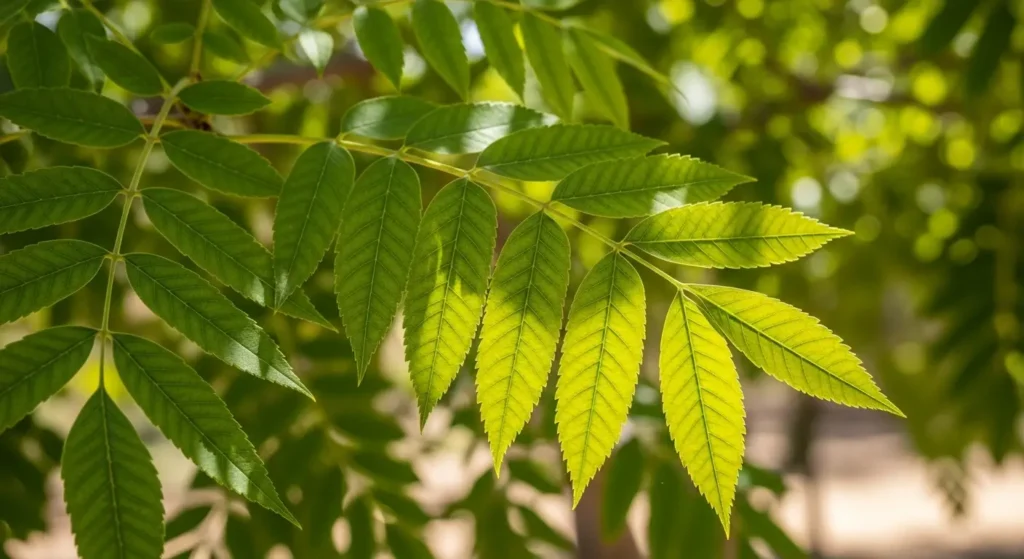
The Arizona ash tree (Fraxinus velutina), also called velvet ash, is a fast-growing deciduous shade tree native to the desert Southwest. Hardy in USDA zones 7–11, it thrives in hot, dry conditions and delivers stunning golden-yellow fall color. Once established, this easy-care tree is a Southwest landscaping favorite.
Plant Care Card
| Detail | Info |
|---|---|
| Common Name | Arizona ash, velvet ash |
| Botanical Name | Fraxinus velutina |
| Family | Oleaceae |
| Plant Type | Deciduous tree |
| Mature Size | 30–50 ft tall × 30–40 ft wide |
| Sun Exposure | Full sun |
| Soil Type | Well-draining, sandy, loamy, or rocky |
| Soil pH | 6.0–8.0 (slightly acidic to alkaline) |
| Hardiness Zones | 7–11 (USDA) |
| Native Area | Southwestern United States, northern Mexico |
| Bloom Time | Spring (inconspicuous flowers) |
| Toxicity | Non-toxic to humans; mildly toxic to horses |
Arizona Ash Tree Care
The Arizona ash tree is one of the more forgiving shade trees you can grow in a hot, dry climate. Here’s what you need to know about sun, soil, water, pruning, and long-term maintenance. With the right placement from the start, this tree practically takes care of itself.
Light
The Arizona ash tree thrives in full sun, needing at least 6–8 hours of direct sunlight daily. Partial shade causes slow growth and a weak canopy. For best fall color, choose a south- or west-facing spot with unobstructed light, away from structures that cast afternoon shade.
Soil
The Arizona ash tree adapts to sandy, loamy, or rocky soils provided drainage is good. Standing water causes root rot quickly. According to the Arizona Cooperative Extension planting guide, well-draining native soils are ideal. Soil pH of 6.0–8.0 works fine; avoid compacted or waterlogged areas entirely.
Water
Newly planted Arizona ash trees need deep watering every 7–10 days during the first growing season. Once established, they’re drought-tolerant water every 2–3 weeks in summer and monthly in winter. Overwatering is more harmful than underwatering; yellowing leaves typically signal excess moisture, not drought stress.
Temperature and Humidity
The Arizona ash tree handles temperatures from 20°F to over 110°F, with established specimens tolerating down to -10°F across zones 7–11. It prefers dry air and low humidity. Young trees benefit from light frost protection their first winter apply 2–4 inches of mulch around the base.
Fertilizer
Feed your Arizona ash tree with a slow-release, balanced fertilizer (10-10-10) once in early spring as new growth begins. Apply according to package directions based on canopy spread. Skip fertilizing in late summer and fall this encourages tender new growth that’s easily damaged by early frost.
Types of Arizona Ash Tree
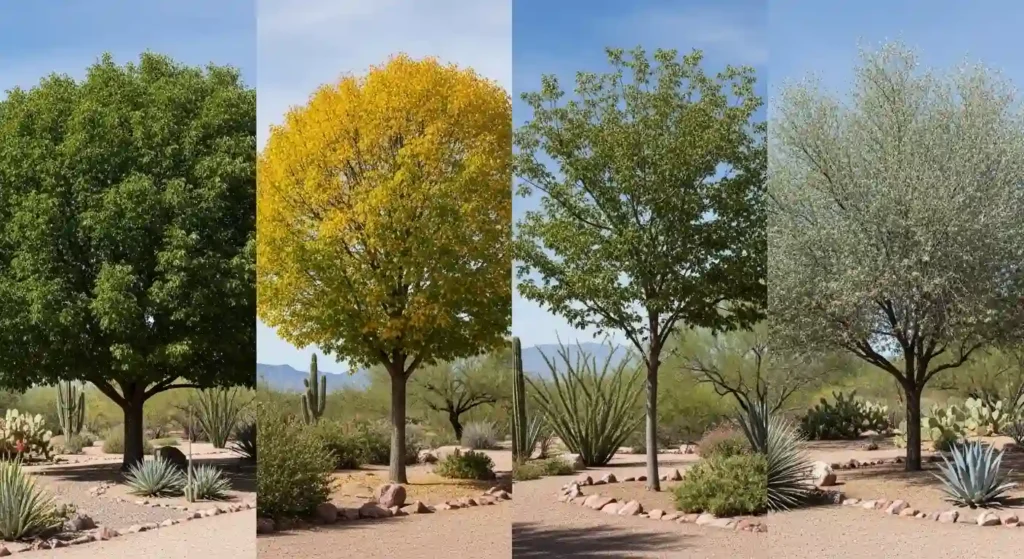
The Arizona ash tree comes in several notable varieties, each with its own personality and best use in the landscape.
- ‘Fan-Tex’ Arizona Ash (Fraxinus velutina ‘Fan-Tex’): The most popular cultivar, featuring larger leaves and a fuller, rounder canopy. It grows faster than the straight species and is widely available at nurseries across the Southwest.
- ‘Modesto’ Ash (Fraxinus velutina ‘Modesto’): A classic cultivar with a symmetrical, globe-shaped form and gorgeous golden fall color. It’s somewhat more susceptible to pests than Fan-Tex, though still widely planted.
- ‘Stribling’s’ Arizona Ash: A semi-dwarf selection that stays around 25 feet great for tighter spaces where you still want meaningful shade.
- Rio Grande Ash (Fraxinus berlandieriana): Closely related and often grouped with velvet ash. It’s slightly more cold-sensitive but exceptionally drought-tolerant, even by ash standards.
Pruning
Prune your Arizona ash tree in late winter or very early spring, before new growth begins. Remove any dead, damaged, or crossing branches first. Also thin out crowded interior branches to allow better air circulation this reduces disease pressure significantly over time. For young trees, also remove competing leaders to establish one strong central trunk early on.
Use sharp, clean loppers or a pruning saw for branches over 1 inch in diameter. Always cut just outside the branch collar never flush with the trunk. Regular pruning every 2–3 years keeps the canopy balanced, reduces wind resistance, and extends the life of this already long-lived shade tree. If you’re growing other fast-canopy trees nearby, the care approach is similar to what’s needed for the Princeton elm tree establishing good structure early makes everything easier down the road.
Propagating Arizona Ash Tree
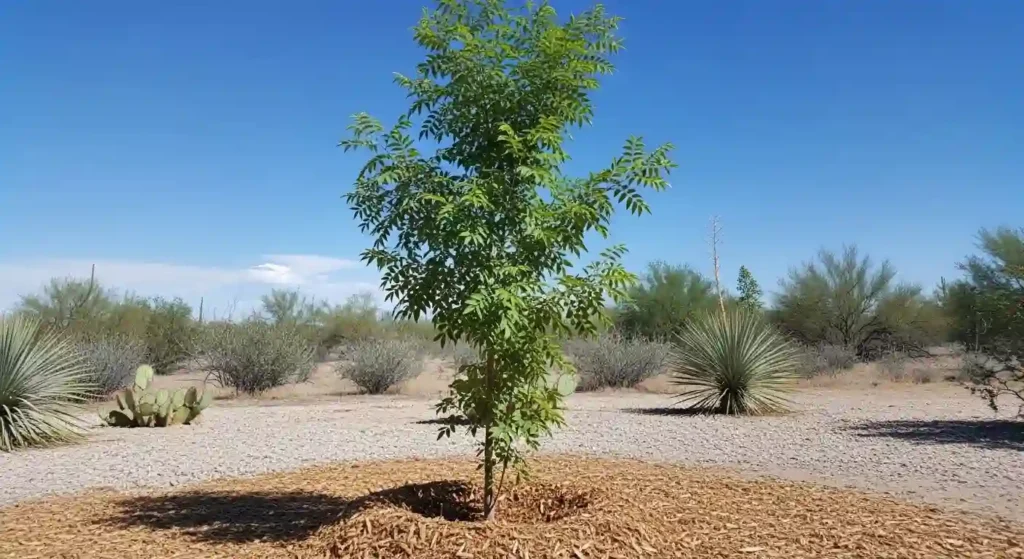
The best time to propagate an Arizona ash tree is in late spring or early summer, when the tree is actively growing. You can use stem cuttings or grow from seed cuttings produce true-to-type results much faster and are ideal for named cultivars.
Propagating by Stem Cuttings
Stem cuttings are the most reliable method for propagating an Arizona ash tree. This approach preserves the characteristics of varieties like Fan-Tex and Modesto.
Materials needed:
- Sharp, sterilized pruning shears
- Rooting hormone powder or gel
- Small nursery pots filled with well-draining propagation mix (50% perlite, 50% coarse sand)
- Clear plastic bag or humidity dome
Steps:
Step 1: In late spring, select a healthy semi-hardwood stem about 6–8 inches long with at least two sets of leaves. Cut just below a leaf node at a 45-degree angle using clean, sharp shears.
Step 2: Remove all lower leaves, leaving only the top 2–3 leaves intact. Dip the cut end into rooting hormone powder and tap off any excess before potting.
Step 3: Insert the cutting 2–3 inches deep into your moist propagation mix. Gently firm the medium around the stem to hold it securely upright.
Step 4: Cover loosely with a clear plastic bag to maintain humidity. Place in bright indirect light not direct sun and keep the mix evenly moist but not soggy.
Roots typically form in 6–10 weeks. Once your Arizona ash tree cutting shows new leaf growth, gradually open the humidity cover over several days before moving outdoors.
Propagating from Seeds
Seed propagation is also possible, though seedlings may vary slightly from the parent tree. Collect samaras (winged seeds) in fall and store them dry until spring. According to the USDA Forest Service woody plant seed manual, cold stratification of 30–60 days improves germination rates significantly for ash species. Sow seeds ¼ inch deep in moist seed-starting mix and keep at 65–70°F. Germination typically takes 3–6 weeks under these conditions.
Planting and Transplanting Arizona Ash Tree
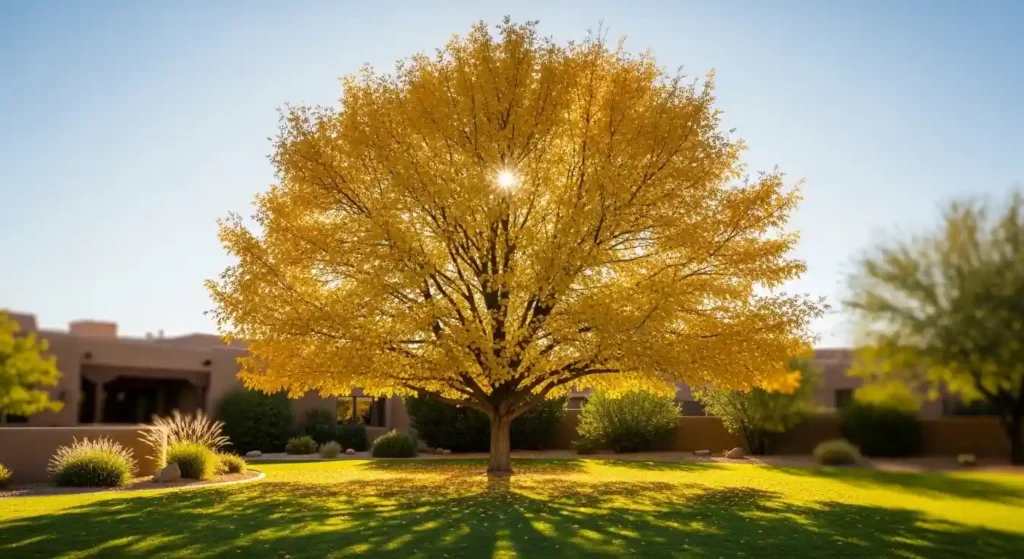
The best time to plant an Arizona ash tree is early spring or fall, when temperatures are mild and the tree has time to establish roots before extreme heat or cold arrives. Space multiple trees at least 30–40 feet apart to allow for mature canopy spread and healthy root development.
Dig a hole 2–3 times wider than the root ball but no deeper than necessary. The top of the root ball should sit slightly above the surrounding soil line to allow for settling. Backfill with the original native soil amendments are generally unnecessary in well-draining ground. Water deeply immediately after planting and add 3–4 inches of mulch over the root zone, keeping it away from the trunk.
Transplanting established Arizona ash trees is challenging and best avoided once they exceed 3–4 feet in height. If you must move a young tree, do so in early spring before leafing out, prune the roots back by roughly one-third, and water heavily for several weeks to reduce shock.
Common Pests and Diseases
Like most landscape trees, the Arizona ash tree can occasionally face pest or disease pressure especially in stressed or overwatered specimens.
Lilac Ash Borer
Look for small exit holes in the bark and sawdust-like frass near the base. This is the most serious pest of Arizona ash trees. Treat with systemic insecticides in spring; healthy, well-watered trees resist infestation far better. The University of Arizona Extension IPM program recommends maintaining tree vigor through proper irrigation as the first line of defense.
Aphids
Look for clusters of small soft-bodied insects on new growth, often with sticky honeydew residue on leaves below. Treat with a strong water spray or insecticidal soap applied weekly until populations drop.
Powdery Mildew
Look for a white, dusty coating on leaves, especially after humid or rainy periods. Treat with neem oil or potassium bicarbonate spray and improve air circulation through light pruning.
Root Rot
Look for wilting despite moist soil, along with dark and mushy roots when excavated. Caused by overwatering or poor drainage improve drainage immediately and reduce watering frequency right away.
Ash Anthracnose
Look for brown, irregular dead spots on leaves in spring following wet weather. Usually cosmetic and not fatal. Rake fallen leaves promptly and avoid overhead irrigation to prevent spread.
Common Problems with Arizona Ash Tree
Here’s how to troubleshoot common issues with your Arizona ash tree:
Poor or No Fall Color
Weak fall color on an Arizona ash tree usually means warm nights, excess nitrogen, or overwatering in fall. Cool nights below 50°F trigger the display. Reduce nitrogen after midsummer, ease watering through September, and be patient color develops gradually. Learn more about fall color triggers here.
Yellow or Browning Leaves
Yellowing leaves on an Arizona ash tree signal overwatering, root rot, or iron chlorosis common in alkaline Southwest soils. If leaf veins stay green, apply chelated iron fertilizer. Adjust watering first to rule out root rot. The loquat tree faces the same issue in Western soils.
Wilting or Drooping
Summer wilting on an Arizona ash tree usually means underwatering water deeply and it rebounds within days. Wilting paired with yellowing leaves and soggy soil signals root rot. Newly planted trees may droop from transplant shock; provide deep watering and shade cloth for the first two weeks.
Leggy or Sparse Canopy Growth
A sparse canopy on an Arizona ash tree usually means insufficient sun or over-pruning. Ensure full, all-day light and allow at least one full season to recover before pruning again. For shaded spaces, our best privacy trees guide covers strong alternatives.
Frost Damage
Late frosts can cause blackened shoot tips on young Arizona ash trees. Prune damaged growth back to healthy wood after the last frost. Wrap young trees in burlap below 20°F. Established trees, like the emerald green arborvitae, recover reliably on their own.
Leaf Spots or Discoloration
Scattered dark or tan spots with yellow halos usually indicate a fungal leaf spot disease, most common during wet springs. This is rarely fatal to a mature Arizona ash tree. Remove affected leaves, avoid wetting foliage when watering, and apply a copper-based fungicide if the problem is widespread. Similar to the care strategies used for the Japanese blueberry tree, good sanitation and dry foliage go a long way toward prevention.
FAQ
Is Arizona ash a good tree?
Yes it’s an excellent fast-growing shade tree for hot, dry climates. It tolerates heat, drought, and poor soils well, delivering beautiful golden fall color reliably each year.
What are the disadvantages of an ash tree?
The main drawbacks include susceptibility to the lilac ash borer, aggressive surface roots near hardscape, and a relatively shorter lifespan of about 30–50 years compared to oaks or elms.
How fast does Arizona ash grow?
Arizona ash trees grow 2–3 feet per year under good conditions, making them among the fastest-growing shade trees available for desert Southwest landscapes and similar climates.
Are Arizona ash trees messy?
They drop leaves in fall and produce small winged seeds in spring. Leaf drop is manageable, but seed litter near patios can be noticeable male cultivars like Fan-Tex produce significantly less seed mess overall.
1 thought on “How to Grow and Care for Arizona Ash Tree”
Comments are closed.