
In This Article
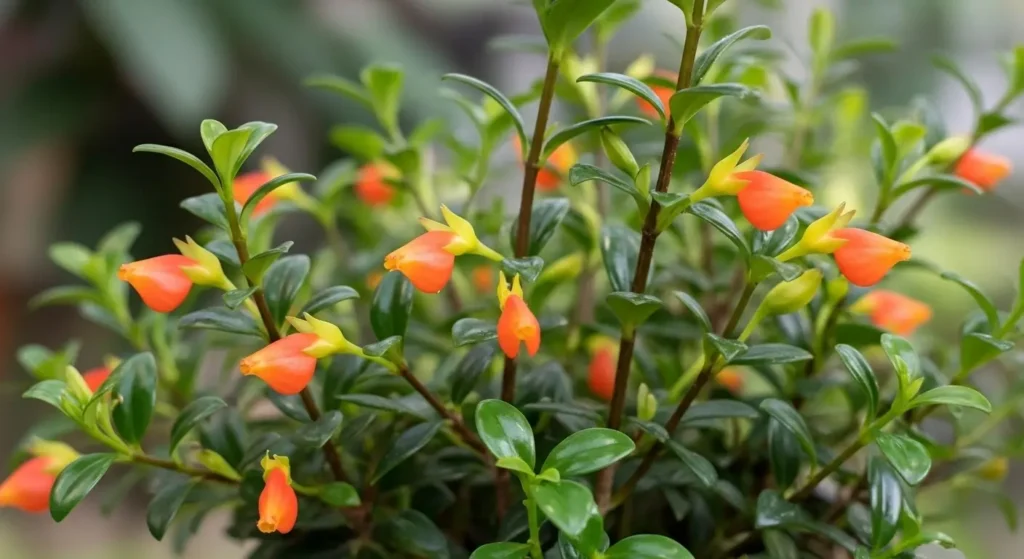
The goldfish plant (Nematanthus gregarius) is a quirky tropical houseplant from Brazilian rainforests. Named for its adorable orange flowers resembling tiny goldfish, this trailing beauty features glossy, dark green cascading leaves. Despite its exotic appearance, it’s surprisingly beginner-friendly and brings playful charm to any indoor space.
Plant Care Card
| Attribute | Details |
|---|---|
| Common Name | Goldfish plant, guppy plant |
| Botanical Name | Nematanthus gregarius |
| Family | Gesneriaceae |
| Plant Type | Tropical perennial |
| Mature Size | 6-12 inches tall, 12-24 inches wide (trailing) |
| Sun Exposure | Bright indirect light |
| Soil Type | Well-draining, peat-based potting mix |
| Soil pH | 5.5-6.5 (slightly acidic) |
| Hardiness Zones | 10-11 (USDA) |
| Native Area | Central and South America (Brazil, Costa Rica) |
| Toxicity | Non-toxic to cats and dogs |
Goldfish Plant Care
The goldfish plant falls into the moderate care category, which basically means it’s not a total hands-off plant but definitely won’t demand constant attention either. The following sections break down everything from light to fertilizer requirements so you can keep this beauty thriving. Trust me, once you nail the basics, you’ll wonder why you didn’t get one sooner.
Light
Goldfish plants thrive in bright indirect light, like dappled rainforest sunlight. Place near east-facing windows or behind sheer curtains on south/west windows. Direct sun scorches leaves; insufficient light reduces blooms and causes leggy growth. Transition gradually to brighter spots to prevent shock.
Soil
Goldfish plants need well-draining potting mix mimicking epiphytic conditions. Use African violet mix or DIY: 2 parts peat moss, 1 part perlite, 1 part orchid bark. According to the University of Florida IFAS Extension, proper drainage prevents root rot. Adding charcoal keeps soil fresh in humid conditions.
Water
Watering trips up most people with goldfish plants. Keep soil consistently moist during growing season, but never soggy. Water when top 2-3 inches feel dry. Overwatering causes yellow leaves; underwatering causes curling. Reduce watering in winter. Similar needs apply to lipstick plant, another flowering houseplant preferring evenly moist soil.
Temperature and Humidity
Goldfish plants prefer 65-75°F; tolerate down to 60°F. Avoid drafts and vents. They crave 50-70% humidity—low levels cause brown tips and fewer blooms. Mist regularly, use pebble trays, or run humidifiers. The Clemson University Extension explains how proper humidity improves plant health and flowering.
Fertilizer
Feed your goldfish plant with a balanced liquid fertilizer (like 10-10-10 or 20-20-20) diluted to half strength every 2-3 weeks during spring and summer when it’s actively growing. This regular feeding encourages those adorable blooms to keep coming. Cut back to once monthly in fall and stop completely in winter when growth naturally slows down.
Types of Goldfish Plant
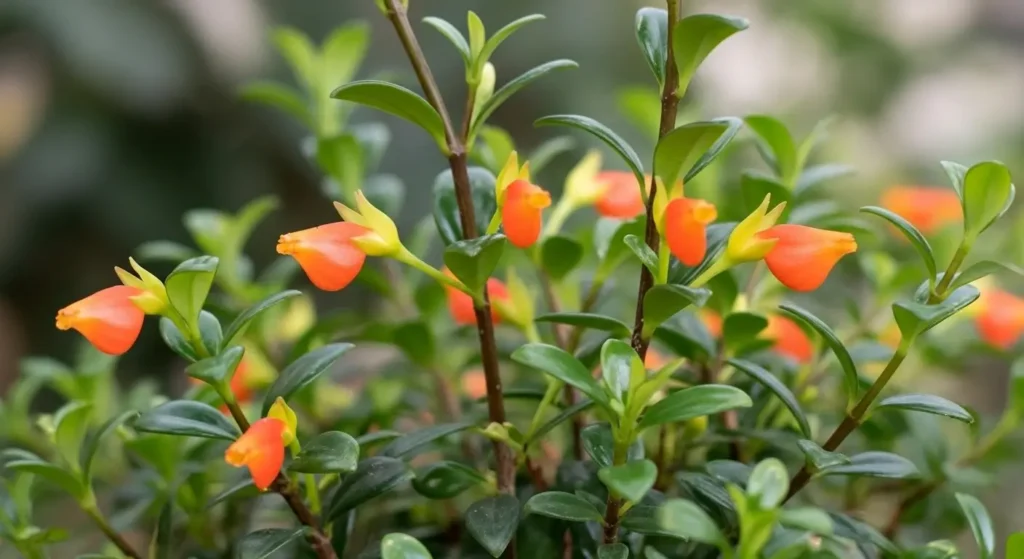
While Nematanthus gregarius is the most common species you’ll find, there are several other varieties worth checking out if you’re feeling adventurous. Each brings its own unique charm to your indoor jungle.
- Nematanthus ‘Tropicana’: This cultivar sports slightly larger orange-red flowers with yellow throats and more compact growth than the standard variety. The glossy leaves have a darker green hue, making those bright blooms pop even more. Great choice for hanging baskets.
- Nematanthus wettsteinii: Sometimes called the clog plant because its flowers resemble tiny Dutch clogs. The blooms are deeper orange-red and slightly pouch-shaped. This variety has smaller, more rounded leaves compared to the standard goldfish plant.
- Columnea gloriosa: Technically a different genus but closely related with similar care needs. Features vibrant red-orange tubular flowers and velvety leaves. The trailing stems can reach several feet long, making it perfect for dramatic hanging displays.
- Nematanthus ‘Christmas Holly’: A newer hybrid with variegated foliage showing cream and green patterns. Produces the typical orange goldfish blooms but the patterned leaves add year-round interest even when not flowering.
Propagating Goldfish Plant
The best time to propagate your goldfish plant is during spring and summer when it’s actively growing and root development happens quickly. You’ll be amazed at how easy this plant is to multiply.
Propagating by Stem Cuttings
This is hands-down the easiest and most reliable method for creating new goldfish plants. Moreover, you’ll have baby plants ready to share with friends in just a few weeks.
Materials needed:
- Clean, sharp scissors or pruning shears
- Small pots with drainage holes
- Well-draining potting mix
- Rooting hormone powder (optional but helpful)
- Clear plastic bag or humidity dome
Step 1: Cut a 3-4 inch stem section just below a leaf node, choosing healthy growth with at least 2-3 sets of leaves. Remove the bottom leaves so you have a clean stem to insert into soil.
Step 2: Dip the cut end in rooting hormone if using, then stick it about 1-2 inches deep into moist potting mix. Firm the soil gently around the cutting so it stands upright on its own.
Step 3: Cover the pot with a clear plastic bag or humidity dome to maintain moisture, and place it in bright indirect light. Keep the soil consistently moist but not waterlogged during the rooting period.
Step 4: Check for root development after 3-4 weeks by giving the cutting a gentle tug resistance means roots have formed. Remove the humidity cover gradually over several days once rooted, then care for it like a mature plant.
Propagating by Division
For bushy goldfish plants, division works beautifully. Remove from pot, gently tease root ball into 2-3 sections, plant each in fresh soil, and water well. This creates instant mature plants. Just like philodendron brasil, division effectively multiplies plants.
Potting and Repotting
When to Repot
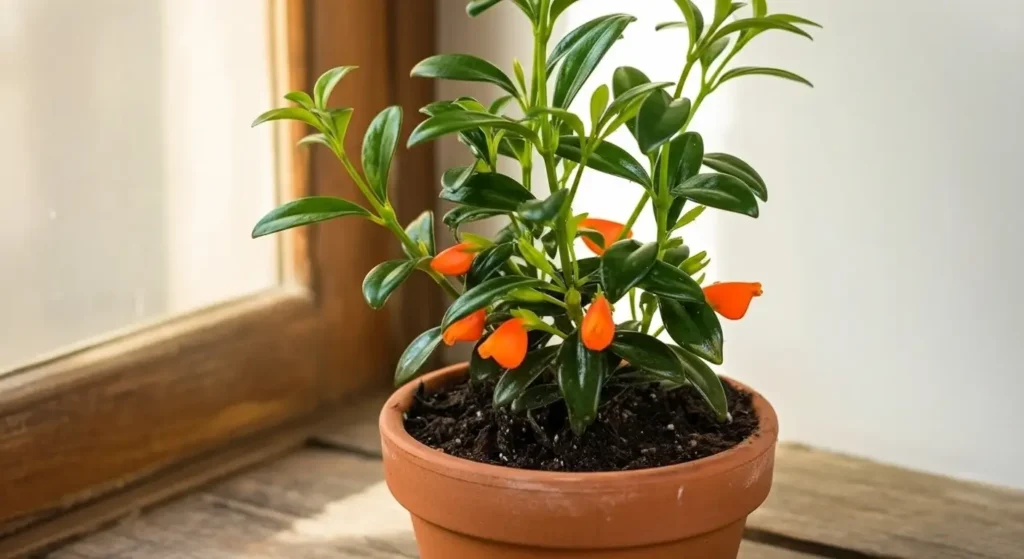
Goldfish plants typically need repotting every 1-2 years, or when you notice roots circling the drainage holes or poking out the top of the soil. Slowed growth despite proper care is another telltale sign your plant has outgrown its current home. Spring is the ideal time since the plant can recover quickly during active growth.
How to Repot
Choose a pot just 1-2 inches larger in diameter than the current one going too big causes soil to stay wet too long and invites root rot. Fill the new pot about one-third full with fresh potting mix, gently remove the plant from its old container, and loosen any circling roots. Set it in the new pot at the same depth it was growing before, fill around the sides with soil, water thoroughly, and you’re done. Drainage holes are absolutely essential to prevent waterlogged conditions.
Common Pests and Diseases
Like most houseplants, goldfish plants can occasionally attract pests, especially when stressed or when humidity is too low. Catching problems early makes treatment way easier.
Spider Mites
Look for fine webbing between leaves and stems, plus tiny specks moving on leaf undersides. These pests thrive in dry conditions and cause stippled, yellowing leaves. Treat with insecticidal soap or neem oil spray, and increase humidity to prevent future infestations.
Mealybugs
These white, cottony bugs cluster in leaf axils and along stems, sucking sap and causing stunted growth. Dab them with rubbing alcohol on a cotton swab for small infestations, or spray with neem oil for heavier populations. Check new plants thoroughly before bringing them near your collection.
Scale Insects
Scale appears as small brown or tan bumps stuck to stems and leaf undersides, and they’re surprisingly stubborn once established. Scrape them off manually with your fingernail or a soft brush, then follow up with horticultural oil spray to smother any remaining pests and eggs.
Aphids
These tiny green, black, or white insects cluster on new growth and flower buds, leaving behind sticky honeydew residue. Blast them off with a strong water spray, or treat with insecticidal soap. The University of California IPM recommends regular monitoring as the best prevention strategy.
Common Problems
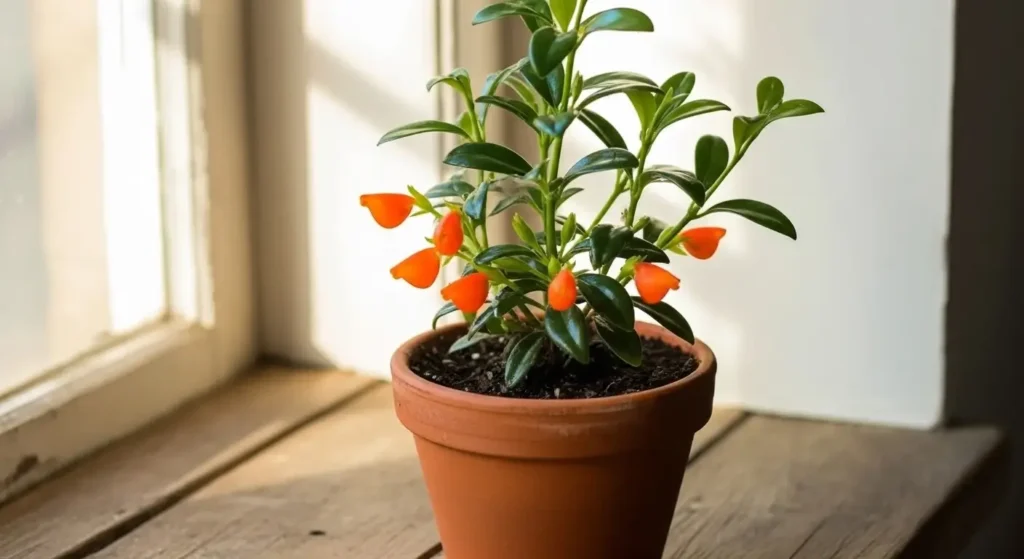
Here’s how to troubleshoot common issues:
Yellow Leaves
Yellow leaves have several causes. Overwatering is the main culprit if soil feels soggy, reduce watering immediately. Nutrient deficiency causes overall yellowing; resume fertilizing. Natural aging yellows bottom leaves just snip them. Adjust care accordingly. Similar issues occur with spider plant when watering gets off track.
Brown Leaves or Brown Leaf Tips
Brown tips indicate low humidity, poor water quality, or underwatering. Switch to filtered water and boost humidity with pebble trays or humidifiers. Dry, papery edges mean underwatering increase frequency. Fertilizer burn also causes browning, so dilute liquid fertilizers to half strength.
Drooping or Wilting Leaves
Wilting signals watering problems. If soil is bone dry, water thoroughly. If wet soil causes wilting, trim black mushy roots and repot in fresh soil likely root rot. These same problems affect wandering jew plant when moisture levels fluctuate wildly.
Leggy Growth or Sparse Foliage
Insufficient light is almost always the reason your goldfish plant looks stretched out and sparse with long gaps between leaves. Move it to a brighter location with more indirect sunlight, and consider pruning back leggy stems to encourage bushier, more compact growth. The plant will redirect energy to lower nodes and fill out nicely within a few weeks.
FAQ
Are goldfish plants hard to keep alive?
No, goldfish plants are moderately easy to care for once you provide bright indirect light, consistent moisture, and decent humidity levels. They’re quite forgiving of occasional care mistakes.
Do goldfish plants like sun or shade?
Goldfish plants prefer bright indirect light rather than full sun or deep shade. Direct sunlight burns the leaves, while too much shade prevents flowering and causes leggy growth.
Is a goldfish plant an indoor plant?
Yes, goldfish plants make excellent indoor houseplants and thrive in typical home conditions. They’re only suitable outdoors year-round in USDA zones 10-11 where temperatures stay consistently warm.
Do goldfish plants flower all year?
No, goldfish plants typically bloom most heavily in spring and summer. With proper care including adequate light and regular feeding, they may produce sporadic flowers throughout the year though.
4 thoughts on “How to Grow and Care for Goldfish Plant”
Comments are closed.