
In This Article
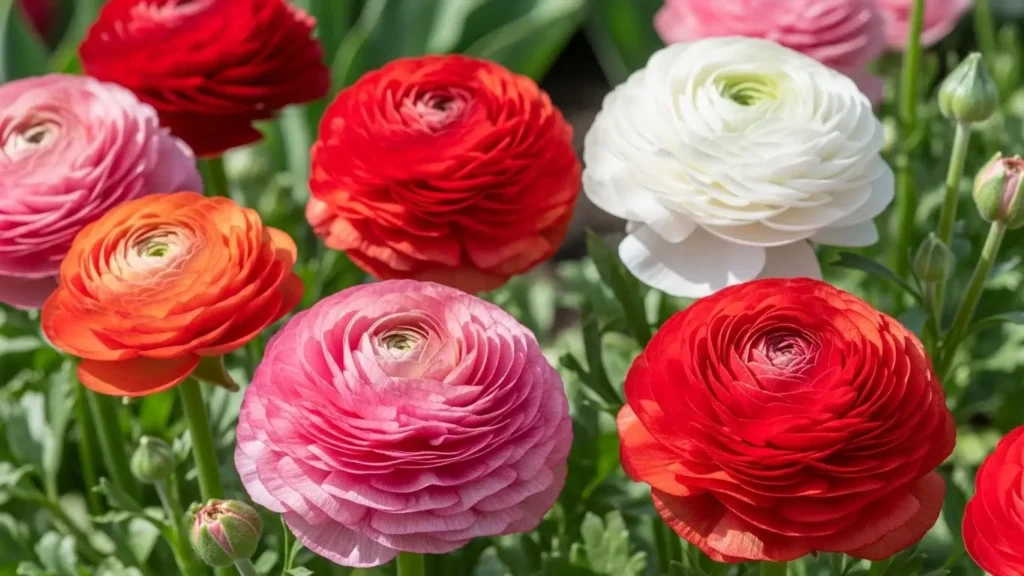
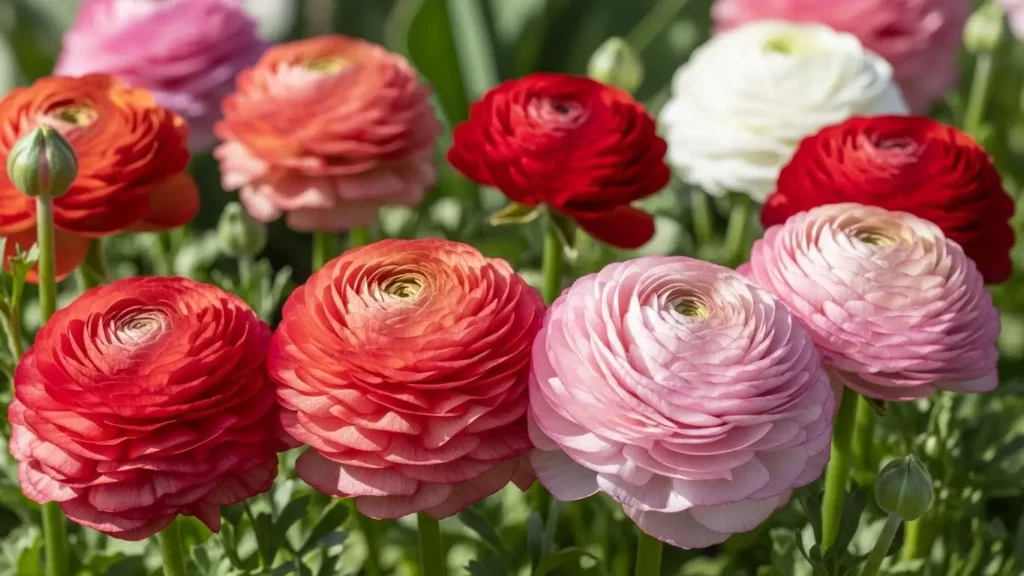
Ranunculus flowers are showstoppers with densely packed, paper-thin petals arranged in perfect spirals. Native to the eastern Mediterranean, ranunculus (Ranunculus asiaticus) produces vibrant blooms in pink, red, yellow, orange, and white. These corm-producing perennials thrive in USDA zones 8-11. While ranunculus flowers require moderate care and well-draining soil, their spectacular spring blooms make every effort worthwhile in cottage-style gardens.
Ranunculus Flower Care Card
| Characteristic | Details |
|---|---|
| Common Name | Ranunculus, Persian Buttercup |
| Botanical Name | Ranunculus asiaticus |
| Family | Ranunculaceae |
| Plant Type | Herbaceous perennial (often grown as annual) |
| Mature Size | 12-18 inches tall, 9-12 inches wide |
| Sun Exposure | Full sun to partial shade |
| Soil Type | Well-draining, sandy, loamy |
| Soil pH | 6.0-6.5 (slightly acidic) |
| Hardiness Zones | 8-11 (USDA) |
| Native Area | Eastern Mediterranean, southwestern Asia |
| Bloom Time | Spring to early summer |
| Toxicity | Toxic to pets and humans if ingested |
Ranunculus Flower Care
Ranunculus flowers require moderate care and attention to thrive in garden settings. Here’s what you need to know about sun, soil, water, and maintenance for your ranunculus. With proper placement and consistent moisture during the growing season, these spectacular bloomers will reward you with abundant flowers.
Light
Ranunculus flowers perform best in full sun to partial shade, needing at least 6 hours of direct sunlight daily for abundant blooms. In warmer climates, afternoon shade protects delicate petals from scorching. Plant in south-facing or east-facing locations for optimal exposure. Insufficient light causes weak, leggy stems and reduced flowering. In cooler climates, full sun all day works perfectly.
Soil
Ranunculus flowers demand exceptionally well-draining soil to prevent corm rot. Sandy or loamy soil mixtures work best, allowing water to flow through quickly while retaining some moisture. The ideal pH range is 6.0-6.5, slightly acidic conditions. Mix in compost or aged manure at a 2:1 ratio with native soil to improve drainage and add nutrients.
Heavy clay soil spells disaster for ranunculus corms, according to university extension services. Always avoid compacted or waterlogged areas. If your garden has poor drainage, consider planting ranunculus in raised beds or mounds to keep corms healthy and disease-free.
Water
Ranunculus flowers need consistent moisture during active growth. Water deeply once or twice weekly, allowing the top inch to dry between waterings. Check soil moisture with your finger if dry, water immediately. Increase watering during warm spring spells. Reduce watering significantly once foliage yellows after blooming. Overwatering causes corm rot with mushy stems. Underwatered ranunculus develops drooping leaves and smaller blooms.
Temperature and Humidity
Ranunculus flowers thrive in cool spring temperatures between 45°F and 60°F. They tolerate light frost down to 25°F but suffer damage below that threshold. These plants struggle in temperatures above 70°F, which shortens their blooming period and causes ranunculus flowers to fade quickly. Similar to other spring-blooming bulbs like daffodils, ranunculus prefer cool growing conditions.
Humidity requirements are moderate neither extremely dry nor overly humid conditions work best. In hot climates, apply 2-3 inches of organic mulch around ranunculus plants to keep soil temperatures cooler and extend the flowering season.
Fertilizer
Feed ranunculus flowers with a balanced liquid fertilizer (10-10-10) every 2-3 weeks during active growth. Apply fertilizer when ranunculus shoots emerge and continue through the blooming period. Avoid high-nitrogen fertilizers, which promote leafy growth at the expense of flowers. Stop fertilizing once blooms fade and foliage begins yellowing naturally.
Types of Ranunculus Flower
Several ranunculus varieties offer different colors and flower forms for your garden.
Ranunculus ‘Tecolote Red’: This deep crimson variety produces large, fully double flowers reaching 3-4 inches across. The rich red petals create stunning focal points in spring borders and make exceptional cut flowers lasting up to two weeks.
Ranunculus ‘Italian Pink’: Soft pink blooms with subtle coral undertones characterize this romantic variety. Flowers measure 3 inches wide with tightly packed petals. This cultivar performs exceptionally well in partial shade locations.
Ranunculus ‘Café Mix’: Unique brown, bronze, and caramel-colored blooms set this variety apart from traditional colors. The unusual earth tones complement cottage garden styles and pair beautifully with spring bulbs.
Ranunculus ‘White’: Pure white, ruffled blooms bring elegance to any planting scheme. This variety reaches 15-18 inches tall and produces abundant flowers perfect for wedding bouquets and formal arrangements.
Pruning
Deadhead spent ranunculus flowers regularly throughout the blooming season to encourage continuous flower production. Remove faded blooms by cutting stems back to the base using clean, sharp pruning shears. This prevents seed formation and redirects energy into producing more ranunculus flowers. Deadheading also keeps plants looking tidy and attractive.
Let foliage remain after flowering ends the leaves gather energy for next season’s growth. Once ranunculus leaves turn completely yellow and brown naturally (usually 6-8 weeks after blooming), cut them back to ground level. Never remove green foliage prematurely, as this weakens the corms and reduces future blooming potential.
Propagating Ranunculus Flower
The best time to propagate ranunculus is in fall when planting new corms or dividing established clumps. These plants grow from corms (bulb-like structures) that multiply naturally over time.
Propagating by Division
Dividing ranunculus corms provides the easiest and most reliable propagation method for multiplying your plants.
Materials needed:
- Garden fork or spade
- Clean, sharp knife
- Well-draining potting mix
- Storage container with ventilation
Step 1: Dig up ranunculus corms carefully in late summer, 6-8 weeks after foliage dies back completely. Lift the entire clump gently to avoid damaging the corms.
Step 2: Brush off excess soil and separate the corms by hand, pulling apart naturally formed offsets. Discard any soft, damaged, or diseased ranunculus corms immediately.
Step 3: Allow corms to dry in a shaded, well-ventilated area for several days. Store in a paper bag with dry peat moss in a cool location until fall planting time.
Step 4: Plant divided corms in fall, 2 inches deep with the claw-like roots facing downward. Space ranunculus corms 4-6 inches apart for best results.
New plants typically bloom the following spring season. Division maintains plant vigor and increases your ranunculus collection efficiently, much like propagating oriental poppies.
Propagating from Seeds
Growing ranunculus from seeds requires patience but offers an economical way to produce many plants.
Step 1: Sow seeds indoors 10-12 weeks before your last spring frost date. Use seed-starting mix in shallow trays.
Step 2: Barely cover ranunculus seeds with soil and keep consistently moist at 50-60°F. Germination takes 2-3 weeks under ideal conditions.
Step 3: Transplant seedlings to individual pots once they develop true leaves. Harden off gradually before planting outdoors.
Seed-grown ranunculus typically won’t bloom until their second year. However, this method works well for producing large quantities affordably.
Planting and Transplanting Ranunculus Flower
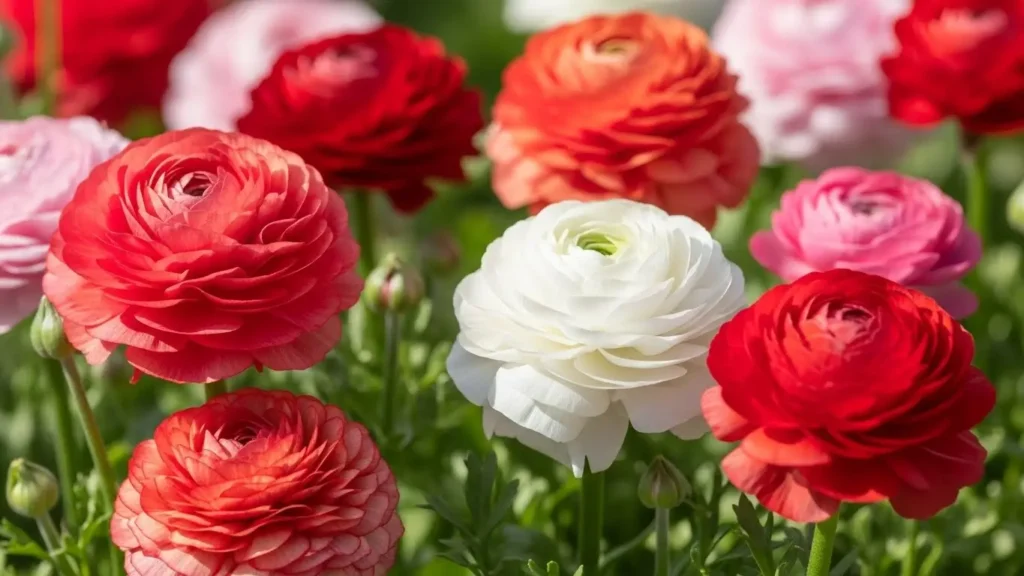
Plant ranunculus corms in fall (October-November) in mild climates or very early spring in colder regions. Space corms 4-6 inches apart in all directions for optimal air circulation and room to grow. The USDA recommends planting depth of 2 inches with the claw-like roots pointing downward for ranunculus.
Soak ranunculus corms in room-temperature water for 3-4 hours before planting to jumpstart growth. Plant in groups of 10-15 corms for maximum visual impact in borders. Transplanting established ranunculus rarely succeeds these plants resent root disturbance during active growth.
Common Pests and Diseases
Like most spring-blooming flowers, ranunculus flowers can occasionally face pest or disease issues when growing conditions aren’t ideal.
Aphids
Look for clusters of tiny green or black insects on new ranunculus growth and flower buds. Aphids suck plant sap, causing distorted leaves and stunted growth. Treat with insecticidal soap or strong water spray to dislodge pests naturally.
Slugs and Snails
Watch for irregular holes in ranunculus leaves and silvery slime trails around plants. These pests feed at night on tender foliage and flowers. Remove by hand or use iron phosphate bait around plants for control.
Powdery Mildew
White, powdery coating on leaves indicates this fungal disease, common in humid conditions with poor air circulation. Improve spacing and air movement around ranunculus. Spray affected plants with neem oil or sulfur-based fungicide weekly.
Botrytis Blight
Gray, fuzzy mold appears on ranunculus flowers and stems during cool, wet weather. This fungal disease spreads rapidly in crowded plantings. Remove infected plant parts immediately and improve air circulation. Apply fungicide if severe.
Root Rot
Soft, mushy corms and blackened stem bases signal root rot from overwatering or poor drainage. Unfortunately, infected ranunculus plants rarely recover. Prevent by ensuring excellent drainage and avoiding waterlogged soil conditions entirely, according to university IPM programs.
Common Problems with Ranunculus Flower
Here’s how to troubleshoot common ranunculus flower issues:
Poor or No Blooms
This frustrating problem often results from insufficient sunlight ranunculus flowers need at least 6 hours of direct sun daily. Planting corms upside down prevents proper growth and flowering. Additionally, ranunculus corms planted too deeply or in compacted soil struggle to produce blooms. High-nitrogen fertilizer promotes leafy growth instead of flowers in ranunculus. Ensure proper sun exposure, correct planting depth (2 inches), and use balanced fertilizer. Mature corms bloom more prolifically than young ones, so patience pays off.
Yellow or Browning Leaves
Overwatering is the primary culprit behind yellowing ranunculus foliage during active growth. Poor drainage compounds this issue, causing waterlogged soil and oxygen deprivation. However, yellowing ranunculus leaves after blooming ends is completely normal this signals dormancy beginning. If yellowing occurs early with mushy stems, reduce watering immediately and check drainage. Natural post-bloom yellowing requires no action except allowing foliage to die back completely.
Wilting or Drooping Flowers
Insufficient watering during warm spring days causes rapid wilting in ranunculus flowers. These shallow-rooted plants dry out quickly in sandy soil. Transplant shock also causes temporary drooping when moving ranunculus plants during active growth. Check soil moisture daily during hot spells and water deeply when the top inch feels dry. Afternoon shade helps prevent heat-related wilting in warmer zones, similar to caring for peonies.
Stunted Growth or Small Blooms
Cramped spacing restricts root development and reduces ranunculus flower size noticeably. Poor soil quality lacking organic matter also stunts growth. Old, stored corms lose vigor and produce smaller ranunculus blooms than fresh corms. Space plants 4-6 inches apart minimum and amend soil with compost before planting. Purchase fresh, firm corms annually for best results, similar to growing tulips.
Flowers Opening Too Quickly
High temperatures above 70°F cause ranunculus flowers to open rapidly and fade within days. These cool-season bloomers naturally have shorter vase life in warm weather. Plant ranunculus in locations receiving afternoon shade in warmer climates. Choose early planting times to maximize cool spring temperatures and extend the ranunculus blooming period.
FAQ
Does ranunculus come back each year?
Ranunculus flowers return annually in zones 8-11 where winters stay mild. In colder regions, gardeners treat them as annuals or dig corms for winter storage indoors.
Why is it so hard to grow ranunculus?
Ranunculus flowers demand excellent drainage, cool temperatures, and consistent moisture getting this balance right proves challenging. They’re sensitive to overwatering and temperature extremes during growth.
Is ranunculus an expensive flower?
Ranunculus ranks among pricier cut flowers due to seasonal availability and labor-intensive cultivation. However, growing your own ranunculus from corms costs significantly less than purchasing bouquets.
What time of year does ranunculus bloom?
Ranunculus blooms in spring, typically March through May depending on climate. In mild areas, fall-planted ranunculus corms flower earlier than spring-planted ones for extended enjoyment.