
In This Article
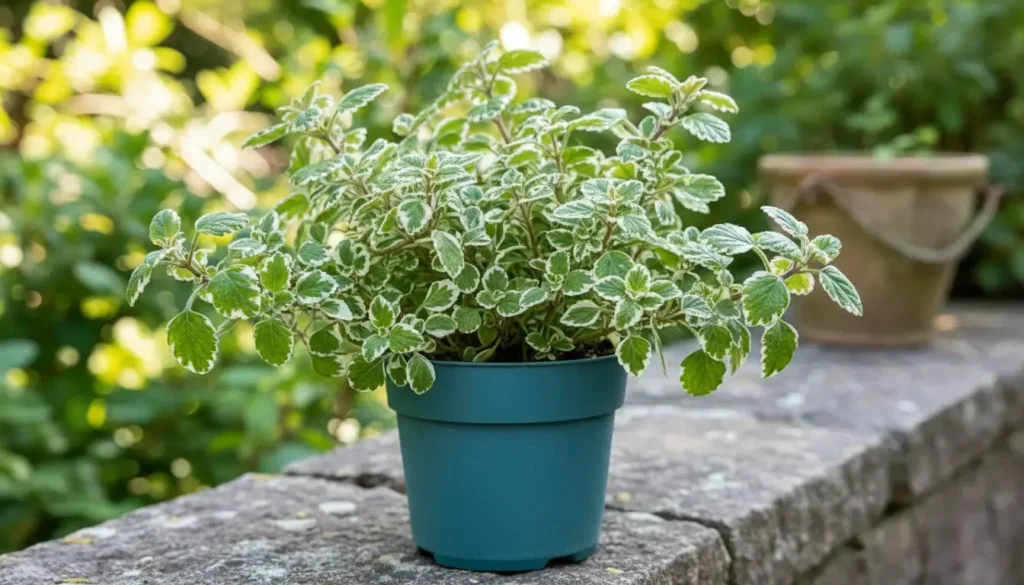
Swedish Ivy (Plectranthus australis) is one of those plants that looks way fancier than it actually is to care for. With its glossy, scalloped leaves and trailing vines, it brings a lush, cascading vibe to any space. Native to southern Africa and the Pacific Islands, this fast-growing beauty isn’t actually an ivy at all it’s part of the mint family. Honestly, it’s one of the most forgiving houseplants you can grow, making it perfect for beginners. You’ll love how quickly it fills out and how easy it is to propagate. Let’s face it, if you can water a plant occasionally, you can keep Swedish Ivy thriving.
Plant Care Card
| Attribute | Details |
|---|---|
| Common Name | Swedish Ivy, Creeping Charlie |
| Botanical Name | Plectranthus australis |
| Family | Lamiaceae (Mint family) |
| Plant Type | Perennial, tropical |
| Mature Size | 6-12 inches tall, trailing up to 3 feet |
| Sun Exposure | Bright indirect light to partial shade |
| Soil Type | Well-draining, rich potting mix |
| Soil pH | 5.5-6.5 (slightly acidic to neutral) |
| Hardiness Zones | 10-11 (USDA) |
| Native Area | Southern Africa, Pacific Islands |
| Toxicity | Non-toxic to cats and dogs |
Swedish Ivy Care
Swedish Ivy is incredibly easy to care for, making it ideal for both new and experienced plant parents. The sections below cover everything from light and watering to propagation and troubleshooting common issues. You’ll have a thriving, cascading plant in no time!
Light
Swedish Ivy thrives in bright indirect light but can tolerate partial shade quite well. Too much direct sun will scorch those beautiful glossy leaves, causing brown spots and fading. On the other hand, insufficient light leads to leggy, sparse growth with longer spaces between leaves. An east or north-facing window is perfect for this plant. If you only have south or west-facing windows, just keep it a few feet back from the glass. You’ll notice the plant grows fuller and more compact when it gets enough light.
Soil
This plant needs a well-draining potting mix that holds some moisture but doesn’t stay soggy. A standard houseplant mix works great, or you can create your own blend using equal parts peat moss, perlite, and regular potting soil. According to the University of Minnesota Extension, good drainage is essential to prevent root rot in container plants. The key is keeping roots happy without waterlogging them. Additionally, adding a bit of compost enriches the soil with nutrients your Swedish Ivy will appreciate.
Water
Water your Swedish Ivy when the top 1-2 inches of soil feel dry to the touch. This usually means watering once or twice a week during spring and summer, less in fall and winter. The plant prefers consistently moist soil but will quickly develop root rot if overwatered. Signs of overwatering include yellowing leaves and mushy stems, while underwatering causes wilting and crispy leaf edges. Similar watering needs apply to Philodendron Micans, another beginner-friendly houseplant that forgives occasional neglect. During winter, reduce watering frequency since growth slows down considerably.
Temperature and Humidity
Swedish Ivy is happiest in temperatures between 60-75°F and appreciates moderate to high humidity levels. However, it adapts well to average household humidity, so you don’t need to stress about misting constantly. Keep it away from cold drafts, air conditioning vents, or heating registers, as sudden temperature changes can stress the plant. If leaf edges start browning despite proper watering, try increasing humidity by grouping plants together or using a pebble tray.
Fertilizer
Feed your Swedish Ivy with a balanced liquid fertilizer diluted to half strength every 2-4 weeks during the growing season. Cut back to monthly feeding in fall and stop fertilizing completely in winter when growth naturally slows. That’s really all this low-maintenance plant needs to stay healthy and vibrant.
Propagating Swedish Ivy
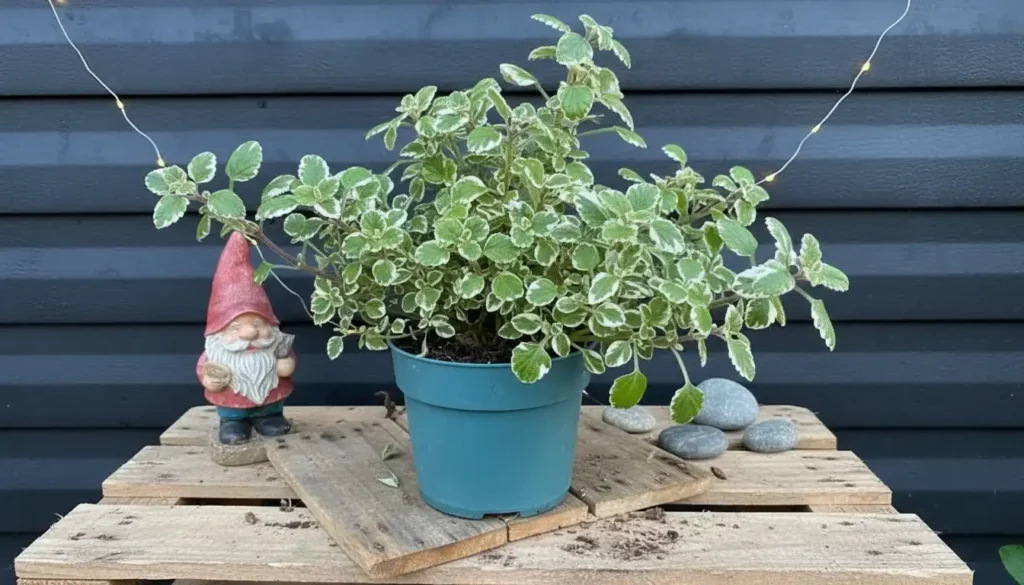
The best time to propagate Swedish Ivy is during spring and summer when the plant is actively growing. Honestly, this is one of the easiest plants to multiply.
Propagating by Stem Cuttings
This method is super simple and gives you new plants in just a few weeks. Here’s what you’ll need:
Materials needed:
- Clean, sharp scissors or pruning shears
- Small pot with drainage holes
- Well-draining potting mix
- Rooting hormone (optional)
Step 1: Cut a healthy stem about 4-6 inches long, making the cut just below a leaf node. Remove the lower leaves, leaving 2-3 sets at the top.
Step 2: Dip the cut end in rooting hormone if you have it, though Swedish Ivy roots easily without it. Insert the cutting about 1-2 inches deep into moist potting soil.
Step 3: Place the pot in bright indirect light and keep the soil consistently moist but not soggy. Cover with a clear plastic bag to maintain humidity if desired.
Step 4: Roots should develop within 2-3 weeks. You’ll know it’s working when you see new leaf growth appearing at the top.
Water Propagation
You can also root Swedish Ivy cuttings in water, which lets you watch the roots develop. Take 4-6 inch stem cuttings and remove lower leaves as described above. Place cuttings in a jar of room-temperature water, ensuring leaf nodes are submerged but leaves stay above water. Change the water every few days to keep it fresh. This propagation method works equally well for Zebra Plant, another popular houseplant that roots easily in water. Once roots reach 1-2 inches long, transfer cuttings to soil.
Potting and Repotting Swedish Ivy
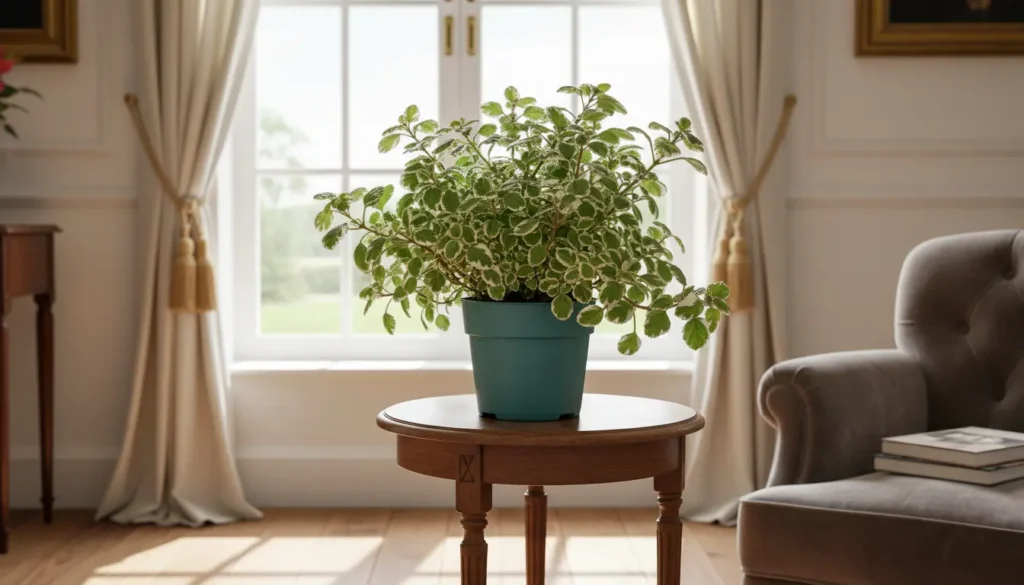
Swedish Ivy grows quickly and typically needs repotting every 1-2 years in spring. Signs it’s time include roots growing through drainage holes, water running straight through the pot, or noticeably slower growth. Choose a pot that’s 1-2 inches larger in diameter than the current one. Gently remove the plant, loosen the root ball slightly, and place it in the new pot with fresh potting mix. Make sure your new pot has proper drainage holes this is non-negotiable for Swedish Ivy. Water thoroughly after repotting and keep it in bright indirect light while it adjusts.
Common Pests and Diseases
Like most houseplants, Swedish Ivy can occasionally attract pests, though it’s relatively pest-resistant overall. Here’s what to watch for:
Spider Mites
Look for tiny webbing between leaves and small dots moving on leaf undersides. Treat with insecticidal soap or neem oil, spraying thoroughly every few days until gone.
Mealybugs
These appear as white cottony masses on stems and leaf joints. Remove with a cotton swab dipped in rubbing alcohol, then spray with neem oil for prevention.
Aphids
Small green or black insects cluster on new growth, causing leaves to curl. Wash them off with a strong spray of water or treat with insecticidal soap weekly.
Scale Insects
Brown or tan bumps attach to stems and leaves, sucking plant juices. Scrape them off with your fingernail or a soft brush, then apply neem oil to affected areas.
Common Problems with Swedish Ivy
Here’s how to troubleshoot common issues:
Yellow Leaves
Yellow leaves happen for several reasons, so don’t panic just yet. Overwatering is the most common culprit check if the soil feels soggy and cut back on watering frequency. Nutrient deficiency can also cause yellowing, especially in older plants that haven’t been fertilized in months. Natural aging causes lower leaves to yellow and drop occasionally, which is completely normal. Similar issues occur with Angel Wing Begonia when watering isn’t consistent. Adjust your care routine based on which cause seems most likely, and new growth should come in healthy.
Brown Leaf Tips
Brown, crispy leaf tips usually indicate low humidity or water quality issues like excess chlorine or fluoride. Try using filtered or distilled water and increase humidity around your plant with a pebble tray. Underwatering can also cause brown tips if you’re letting the soil dry out completely between waterings. The good news is that adjusting these factors prevents future browning, though existing damage won’t reverse.
Drooping or Wilting Leaves
Wilting leaves typically signal a watering problem either too much or too little. Check the soil moisture immediately to determine which issue you’re dealing with. If soil is bone dry, give it a thorough watering and it should perk up within hours. If soil is waterlogged, you may need to repot in fresh, dry soil to save the plant. Just like with Song of India Plant, consistent watering prevents this issue entirely.
Leggy Growth
Long, sparse stems with large gaps between leaves mean your Swedish Ivy isn’t getting enough light. Move it to a brighter location with more indirect sunlight. Additionally, prune back leggy stems to encourage bushier, more compact growth. The cuttings you remove can be propagated to create fuller plants.
Slow Growth
If your Swedish Ivy seems stagnant with little to no new growth, insufficient light is often the issue. Move it closer to a bright window or supplement with a grow light. Lack of nutrients can also slow growth, so resume regular fertilizing during the growing season. This problem also affects Sesame Plant when conditions aren’t ideal for active growth.
FAQ
Do Swedish Ivy like sun or shade?
Swedish Ivy prefers bright indirect light but tolerates partial shade well. Direct sun causes leaf scorch, while too much shade leads to leggy growth with sparse foliage.
Is Swedish Ivy a good indoor plant?
Absolutely! Swedish Ivy thrives indoors with minimal care. Its trailing habit looks beautiful in hanging baskets, and it’s non-toxic to pets, making it family-friendly.
Does Swedish Ivy climb?
No, Swedish Ivy is a trailing plant, not a climber. Its cascading vines grow downward beautifully from hanging baskets or shelves, reaching up to 3 feet long.
Is Swedish Ivy a perennial or annual?
Swedish Ivy is a perennial in zones 10-11 but grown as an indoor houseplant elsewhere. With proper care, it lives for many years indoors year-round.