
In This Article
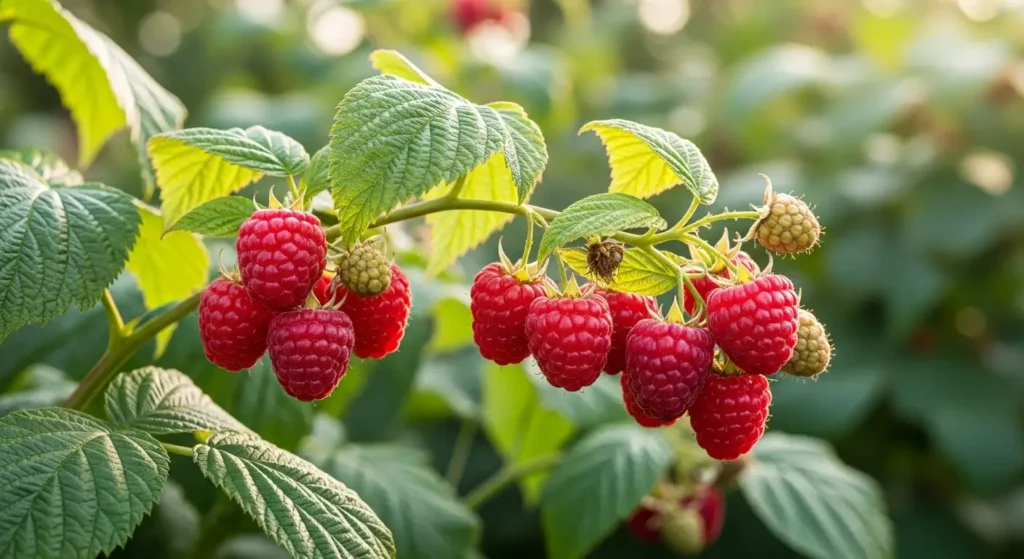
The raspberry plant (Rubus idaeus) is a beloved fruiting shrub with arching canes and clusters of red, golden, or black berries. Native to Europe and northern Asia, it thrives in USDA zones 3–9. Honestly, it’s one of the most beginner-friendly and productive perennials you can grow.
Raspberry Plant Care Card
| Detail | Info |
|---|---|
| Common Name | Raspberry |
| Botanical Name | Rubus idaeus |
| Family | Rosaceae |
| Plant Type | Perennial shrub |
| Mature Size | 4–6 ft tall × 2–3 ft wide |
| Sun Exposure | Full sun |
| Soil Type | Well-draining, loamy |
| Soil pH | 5.5–6.5 (slightly acidic) |
| Hardiness Zones | USDA 3–9 |
| Native Area | Europe, northern Asia |
| Bloom Time | Late spring to early summer |
| Toxicity | Non-toxic to humans and pets |
Raspberry Plant Care
The raspberry plant grows well with moderate attention once it’s established in the right spot. Here’s what you need to know about sun, soil, water, pruning, and maintenance. With good placement and a little seasonal care, this shrub practically takes care of itself.
Light
Raspberry plants need full sun at least 6–8 hours daily. Plants grown in too much shade produce weak canes and disappointing fruit yields. A south- or west-facing bed is ideal. Similarly to liatris, these plants perform best in open, sunny spots. According to University of California Cooperative Extension, full sun also reduces humidity, lowering fungal disease risk.
Soil
Raspberry plants thrive in loose, well-draining loamy soil with a pH of 5.5–6.5. Soggy roots are deadly, so drainage is critical. For heavy clay soil, amend with a 2:1:1 mix of native soil, compost, and sand. Raised beds are a great solution for poor drainage just like annabelle hydrangeas.
Water
Water raspberry plants deeply once or twice a week, targeting 1–2 inches weekly. Use drip irrigation to keep foliage dry and reduce disease risk. In summer, consistent moisture is crucial; reduce watering in fall and winter. Overwatered plants show yellow leaves and mushy canes; underwatered ones produce small, dry berries.
Temperature and Humidity
Raspberry plants are cold-hardy down to -20°F and require 800–1,600 chilling hours below 45°F to fruit. Temperatures above 85°F can stress development. Good air circulation prevents fungal issues. Apply 2–3 inches of mulch in late fall to protect roots, and wrap canes in burlap in zones 3–4.
Fertilizer
Feed raspberry plants in early spring with a balanced granular fertilizer (10-10-10) or a slow-release organic option. One application at the start of the growing season is usually enough. Avoid fertilizing after midsummer late feeding pushes tender new growth that can be damaged by frost. Let the plant rest naturally in fall and winter.
Types of Raspberry Plant
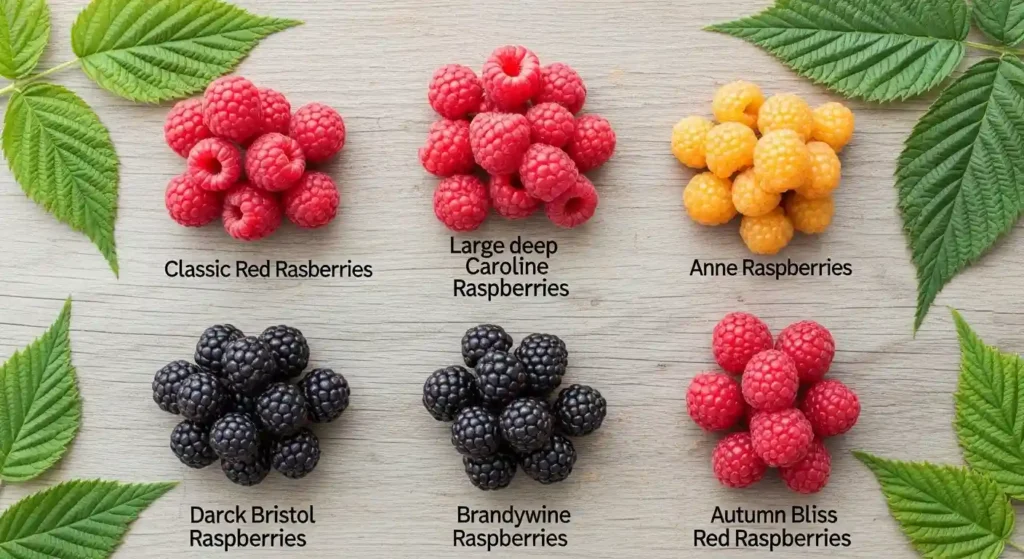
There are several excellent raspberry varieties to choose from, depending on your climate and taste preferences:
- Heritage (Rubus idaeus ‘Heritage’): A classic everbearing red raspberry with two crops — summer and fall. Highly productive and disease-resistant.
- Caroline: A large, sweet everbearing red variety that thrives in zones 4–8. Known for exceptional flavor and vigorous growth.
- Anne: A golden yellow everbearing variety with a mild, sweet flavor. Great for gardeners who want something a little different.
- Autumn Bliss: A fall-bearing red raspberry that ripens early in the season. Compact and easy to manage in smaller gardens.
- Bristol: A popular black raspberry (Rubus occidentalis) with a rich, bold flavor. More heat-tolerant than standard red varieties.
- Brandywine: A purple raspberry hybrid with a tart, complex taste. Vigorous canes that do well in zones 4–7.
Pruning
Prune raspberry plants in late winter or early spring. Remove old floricanes at the base for summer-bearing varieties; cut all canes to the ground in fall for everbearing types. Thin remaining canes to 4–6 per plant, spaced 6 inches apart, to improve airflow and maximize fruit production.
Propagating Raspberry Plant
The best time to propagate raspberry plants is in spring or early fall when the plant is actively growing or just finishing the season.
Propagating by Tip Layering
Tip layering is the easiest method for most home gardeners and works especially well for black and purple raspberry varieties.
Materials needed:
- Garden trowel
- Small stake or pin
- Potting mix or compost
- Scissors or pruners
Steps:
- In late summer, select a long, flexible cane from the current season’s growth. Choose one that can bend easily to the ground without snapping.
- Dig a 4–6 inch hole about 12 inches from the base of the parent plant. Fill the hole loosely with compost-amended soil.
- Bend the tip of the cane down into the hole, burying just the last 3–4 inches of the tip. Pin it in place with a small stake or wire hoop. Water the area well.
- In 4–6 weeks, the buried tip will develop roots. Once rooted, sever the new plant from the parent cane and transplant it to its permanent garden spot.
New raspberry plants propagated this way typically establish quickly and may even produce fruit the following season. This technique mirrors how many home gardeners propagate creeping myrtle low-effort layering that rewards patience.
Propagating by Division
Division is another reliable option for raspberry plants, particularly for red varieties. In early spring, dig up a section of the root system called a sucker that has sprouted away from the main plant. Use a sharp spade to cut through the roots cleanly, then replant the division in a prepared bed with good drainage and full sun. Water thoroughly for the first two weeks. According to University of Minnesota Extension, divisions from healthy raspberry plants establish quickly and begin producing within one to two growing seasons.
Planting and Transplanting Raspberry Plant
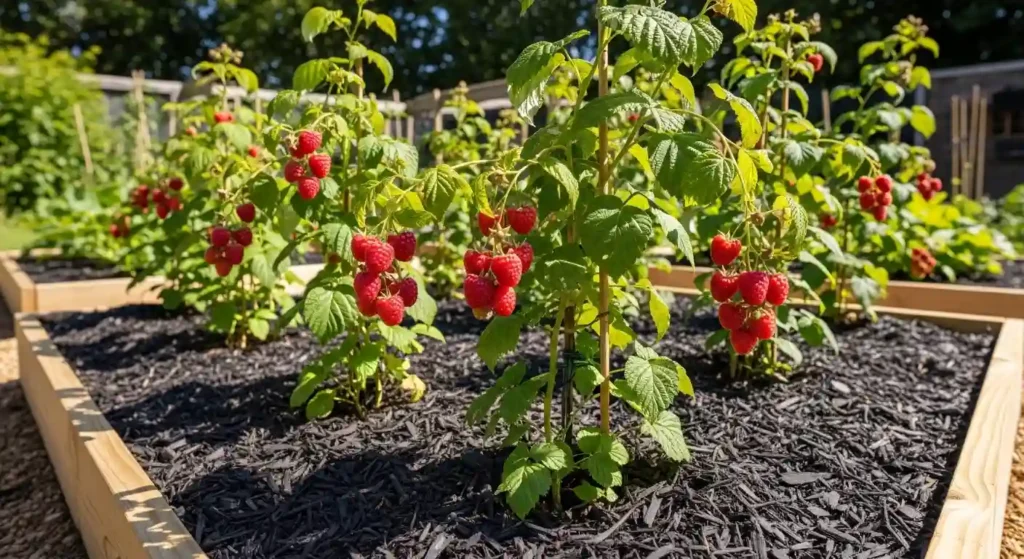
Plant raspberry plants in early spring as soon as the soil can be worked, or in fall in warmer zones (7–9). Space individual plants 2–3 feet apart in rows set 8–10 feet apart to give canes room to spread. Full sun exposure and good drainage are the two most important siting factors. Proper spacing reduces competition and promotes stronger, more productive canes.
Dig a hole wide enough to spread the roots naturally and plant at the same depth the raspberry plant was growing in the nursery container usually with the crown just at soil level. Backfill with amended soil and water deeply. Mulch around the base to retain moisture and suppress weeds. According to the USDA National Agroforestry Center, mulching with wood chips or straw significantly improves moisture retention and root establishment in newly planted fruiting shrubs.
Transplant or divide established plants every 3–5 years to prevent overcrowding and maintain vigor.
Common Pests and Diseases
Like most garden plants, raspberry plants can occasionally face pest and disease challenges. Here’s what to watch for:
Aphids
Look for clusters of tiny green or black insects on new growth and leaf undersides. Spray affected areas with a strong stream of water or apply insecticidal soap spray weekly until populations drop.
Spider Mites
Watch for fine webbing and stippled, bronzed leaves, especially in hot, dry weather. Treat with neem oil spray or insecticidal soap, and make sure plants are adequately watered. Spider mites thrive on stressed plants.
Powdery Mildew
Identify by a white powdery coating on leaves and canes, usually in humid conditions with poor air circulation. Remove affected growth, improve spacing, and apply a baking soda or sulfur-based fungicide spray.
Root Rot
Yellowing, wilting canes despite moist soil are the main signs. Root rot is caused by poorly draining soil and overwatering. Improve drainage immediately and remove any blackened, mushy roots. Prevention starts with well-prepared, loamy planting beds — the same approach that protects pink strawberry plants from crown rot in wet conditions.
Raspberry Cane Borer
Look for wilted cane tips with a ring of punctures near the tip. Prune off and destroy affected canes well below the damage point to prevent the larvae from burrowing deeper.
Common Problems with Raspberry Plant
Here’s how to troubleshoot common raspberry plant issues:
Poor or No Blooms
Insufficient sun is the top cause raspberry plants need 6–8 hours daily. Over-fertilizing with high nitrogen produces lush canes but no fruit. Improper pruning of second-year floricanes also prevents blooming. Know your variety and prune accordingly; move plants to a sunnier spot if needed.
Yellow or Browning Leaves
Yellowing leaves often indicate overwatering, poor drainage, or nutrient issues. Soggy roots can’t absorb nutrients properly. Pale older leaves suggest nitrogen deficiency, while yellowing between veins on young leaves signals iron chlorosis from high pH. Test soil and adjust pH to 5.5–6.5 if needed.
Wilting or Drooping
Wilting raspberry canes usually come down to one of three causes: underwatering during heat, transplant shock in newly moved plants, or extreme heat stress. Check soil moisture first if it’s dry, water deeply right away. Newly transplanted plants need consistent moisture for 2–4 weeks. In very hot weather, temporary afternoon wilting is normal but canes should recover by evening.
Leggy or Sparse Growth
Sparse, stretched-out growth almost always means not enough light. Raspberry plants reaching toward the sun produce weak, unproductive canes. Move them to a sunnier location if possible. Additionally, over-fertilizing with nitrogen can push leafy green growth at the expense of strong cane development. Cut back leggy canes hard in spring and improve sun exposure for the best results.
Frost Damage
Late spring frosts can blacken tender new growth on raspberry canes. Affected tips look dark, wilted, and mushy. Remove the damaged growth with clean pruners and the plant will typically recover and push new growth quickly. In frost-prone areas, cover young canes with a light row cover on nights when frost is expected. Mulching heavily around the base also helps protect the root system over winter.
FAQ
Do raspberry plants grow back each year?
Yes, raspberry plants are perennials that return every year. The roots survive winter and send up new canes each spring, continuing to fruit for many years.
How long does it take for raspberry plants to fruit?
Most raspberry plants produce their first significant harvest in the second year after planting. Everbearing varieties may give a small fall crop in year one.
What’s the best month to plant raspberries?
Early spring March or April in most zones is the ideal time to plant raspberries. Fall planting works well in zones 7–9 where winters are mild.
Do raspberries like full sun or shade?
Raspberry plants strongly prefer full sun, needing at least 6–8 hours daily. Shaded plants produce fewer berries and are more prone to disease.