
In This Article
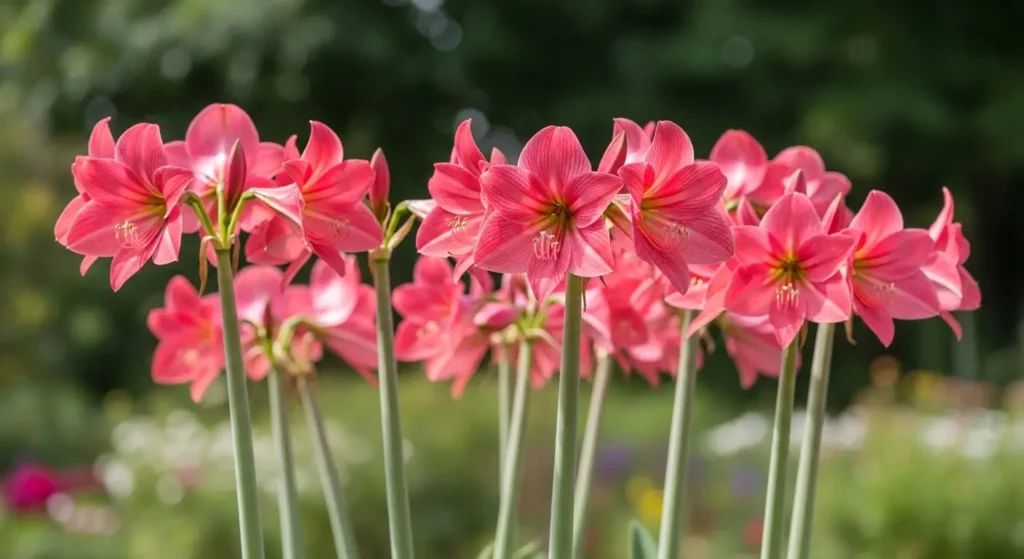
The naked lady flower (Amaryllis belladonna) is a stunning summer bloomer that’s earned its quirky name honestly. This unique bulbous plant sends up clusters of trumpet-shaped pink blooms on tall, leafless stems appearing “naked” without foliage. Native to the rocky slopes of South Africa, this striking perennial thrives in warm, dry climates. Honestly, it’s one of the most forgiving flowering bulbs you can grow. Once established, these beauties demand very little attention, making them perfect for both beginners and experienced gardeners who appreciate low-maintenance drama in the late summer garden.à
Plant Care Card
| Attribute | Details |
|---|---|
| Common Name | Naked Lady, Belladonna Lily, Jersey Lily |
| Botanical Name | Amaryllis belladonna |
| Family | Amaryllidaceae |
| Plant Type | Perennial bulb |
| Mature Size | 2-3 feet tall, 2-3 feet wide |
| Sun Exposure | Full sun |
| Soil Type | Well-draining, sandy, or gritty |
| Soil pH | 6.5-7.5 (neutral to slightly acidic) |
| Hardiness Zones | 7-11 (USDA) |
| Native Area | South Africa |
| Toxicity | Toxic to cats, dogs, and humans |
Naked Lady Flower Care
This plant has a moderate care difficulty level once you understand its unique growth cycle. The following sections will cover everything from light requirements to propagation methods. Additionally, you’ll learn how to troubleshoot common problems for healthy blooms year after year.
Light
Your naked lady flower absolutely loves sunshine. Plant it where it’ll receive at least 6-8 hours of full sun daily. Unlike many flowering bulbs that tolerate some shade, this one really demands bright, direct light to produce its spectacular blooms. Too little light results in weak stems that flop over and fewer flowers or worse, no flowers at all. Furthermore, insufficient sunlight can prevent the bulb from storing enough energy for next year’s show. Place bulbs in south or west-facing beds where they’ll bask in warmth all day long.
Soil
Well-draining soil is absolutely critical for naked lady flower success. These bulbs rot quickly in heavy, waterlogged conditions, so aim for sandy, gritty, or rocky soil that drains fast. A neutral to slightly acidic pH (6.5-7.5) works best. Moreover, adding coarse sand or perlite to your existing soil improves drainage significantly. According to the University of Illinois Extension, proper drainage prevents root rot in containerized plants by allowing adequate air circulation around roots. Mix in some compost for fertility, but skip clay-heavy mixes entirely they spell disaster for these South African natives.
Water
Here’s the thing: naked lady flower has a backwards watering schedule. Water moderately during fall and winter when green foliage emerges and actively grows. However, once leaves die back in early summer, stop watering almost completely—this dormancy is essential. The bulbs need hot, dry conditions during summer to trigger flowering. When flower stalks pop up in late summer, resume occasional watering. Check soil by sticking your finger 2-3 inches down—if bone dry, water. Similar techniques work for oriental poppy care, another summer-dormant perennial.
Temperature and Humidity
These bulbs thrive in warm climates with temperatures between 60-85°F. They tolerate dry summer heat beautifully in fact, they require it. Average household humidity levels work fine, as naked lady flower doesn’t demand high moisture in the air. That said, protect bulbs from hard freezes below 25°F, which can damage them. In colder zones (7 and below), apply a thick layer of mulch over the planting area in late fall. Keep bulbs away from cold drafts or air conditioning vents that might shock them.
Fertilizer
Feed your naked lady flower sparingly these bulbs aren’t heavy feeders. Apply a balanced, slow-release fertilizer in early spring when green leaves first emerge. Feed once more in mid-spring, then stop completely. Alternatively, use a diluted liquid fertilizer every 4-6 weeks during the active growth period (fall through spring). Never fertilize during summer dormancy or when flower stalks appear. According to University of Connecticut Extension, proper fertilization timing during active growth periods promotes healthy plant development without encouraging excessive, weak growth.
Types of Naked Lady Flower
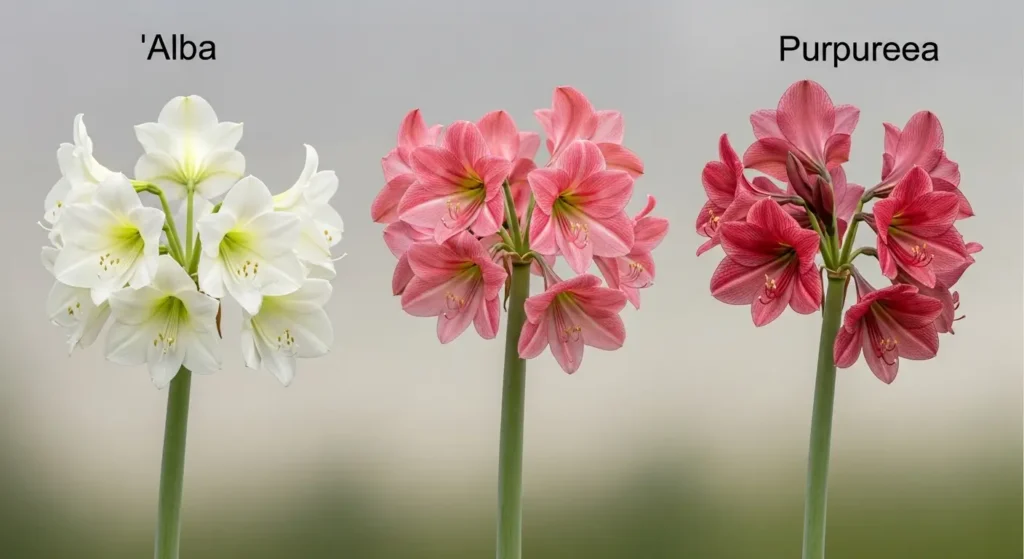
While Amaryllis belladonna is the classic species, a few cultivars offer color variations worth considering.
- ‘Alba’ – This white-flowered cultivar produces pure, creamy-white trumpet blooms instead of the typical pink. It offers the same late-summer display with slightly more refined elegance. Grows identically to the species with full sun and dry summer dormancy requirements.
- ‘Purpurea’ – Features deeper rose-pink to burgundy flowers that create dramatic color impact. The blooms are slightly smaller but more intensely colored than the standard species. Excellent choice for adding bold contrast to late-season gardens.
- ‘Johannesburg’ – A vigorous selection with large, soft pink flowers and strong stems. This South African cultivar produces more flowers per stalk (up to 12) and tolerates slightly more moisture than other varieties.
Propagating Naked Lady Flower
The best time to propagate is during spring and summer when bulbs are dormant.
Propagating by Division
Division is the easiest and fastest propagation method for naked lady flower bulbs.
Materials needed:
- Garden fork or spade
- Sharp, clean knife
- Gloves (bulbs are toxic)
Steps:
- Dig carefully around dormant bulbs in late spring or early summer, after foliage has completely died back. Lift the entire clump from the ground, keeping as much soil attached as possible to avoid damage.
- Separate offset bulblets that have formed around the mother bulb. Gently pull apart bulbs that separate easily, or use a sharp knife to cut apart stubborn clumps. Each division should have at least one growing point.
- Replant immediately at the same depth as before, spacing divisions 8-12 inches apart. Position bulbs so their necks sit just at or slightly above the soil surface. Water lightly to settle soil around roots.
- Expect blooms from larger offset bulbs within 1-2 years. Smaller bulblets may take 3-4 years to reach blooming size, so be patient with tiny divisions.
Note that similar division techniques work well for kalanchoe plant care, another easy-to-propagate succulent that produces offsets around the mother plant.
Propagating by Seed
Growing from seed takes patience expect 7-9 years before seeing the first flowers. Collect seed pods after blooms fade, sow seeds in well-draining mix in fall, and keep barely moist. Seedlings emerge in spring and require careful watering during their miniature growth cycle. Honestly, division is much faster and more reliable.
Potting and Repotting Naked Lady Flower
Naked lady flower actually prefers to be slightly crowded and left undisturbed. Repot only when absolutely necessary every 4-5 years at most.
When to Repot
Look for these signs: roots emerging from drainage holes, extremely crowded bulb clumps, or significantly slowed growth and fewer blooms. The best time to repot is immediately after flowering, before new foliage appears in fall.
How to Repot
Choose a pot only 1-2 inches larger in diameter than the current container. Use a gritty, well-draining mix with added perlite or coarse sand. Plant bulbs with their necks exposed, sitting at or just above the soil surface. Water sparingly after repotting until new growth appears. Remember that frequent disturbance reduces flowering for several years.
Common Pests and Diseases
Like most houseplants, naked lady flower can occasionally attract pests, though it’s quite resistant overall.
Spider Mites
Look for fine webbing on leaves and tiny moving specks on undersides. These pests cause stippled, yellowing foliage. Treat by spraying leaves thoroughly with insecticidal soap or neem oil every 5-7 days until gone.
Mealybugs
White, cotton-like masses on leaf bases or bulb necks indicate mealybugs feeding on plant sap. Remove with alcohol-dipped cotton swabs or spray with insecticidal soap. Check hidden crevices where bugs hide.
Aphids
Clusters of small, soft-bodied insects on new growth suck plant juices and secrete sticky honeydew. Blast off with strong water spray or apply insecticidal soap. Aphids reproduce rapidly, so act quickly. According to UC Davis Integrated Pest Management, early detection and consistent monitoring help prevent serious infestations in houseplants.
Snails and Slugs
Look for irregular holes in leaves and silvery slime trails on soil and foliage. These mollusks feed at night on tender growth. Hand-pick after dark, use copper barriers, or apply iron phosphate bait around plants.
Common Problems with Naked Lady Flower
Here’s how to troubleshoot common issues with your naked lady flower.
Yellow Leaves
A few yellowing leaves are normal as foliage naturally dies back in early summer. However, premature yellowing during the active growth period (fall through spring) usually signals overwatering or poor drainage both lead to bulb rot. Additionally, nitrogen deficiency can cause pale, yellow foliage throughout. Let soil dry out between waterings and reduce frequency if overwatering is suspected. Apply balanced fertilizer if leaves look uniformly pale. Similar yellowing issues affect Alocasia polly care when watering schedules are inconsistent or drainage is inadequate.
No Flowers or Bloom Failure
This is the most frustrating problem with naked lady flower. Insufficient sunlight is the number one cause bulbs need at least 6 hours of direct sun daily. Secondly, watering during summer dormancy prevents flowering by not allowing the dry, hot rest period bulbs require. Recently divided or moved bulbs often skip flowering for 2-3 years while reestablishing. Moreover, overcrowding can reduce bloom production. Move plants to full sun, eliminate summer water completely, and avoid disturbing established clumps.
Brown Leaves or Brown Leaf Tips
Dry, brown leaf tips typically result from low humidity, though naked lady flower tolerates dry air better than most bulbs. More commonly, it indicates poor water quality fluoride and salts in tap water accumulate over time. Underwatering during the active growth phase can also cause browning. Flush soil occasionally with distilled water to remove salt buildup, and water more consistently when foliage is present.
Drooping or Wilting Leaves
Wilting during active growth usually means the plant needs water check soil moisture immediately and water if dry. Conversely, wilting combined with yellowing suggests overwatering and possible root rot. Furthermore, temperatures below 50°F can cause temporary wilting. Let the top 2-3 inches of soil dry between waterings during fall and winter growth periods. These issues mirror problems in Boston ferns, which also need balanced moisture levels and consistent care to avoid wilting.
Leggy Growth
Stems that stretch and leaves that turn pale green indicate insufficient light. Naked lady flower needs full, direct sunlight to grow compact foliage and sturdy flower stalks. Move plants to the brightest location available, preferably outdoors in full sun. Leggy growth never produces quality blooms. Similar light-related issues affect peperomia plant care, which also requires adequate brightness to maintain compact, healthy growth.
FAQ
Is Belladonna lily poisonous to touch?
The bulbs contain toxic alkaloids like lycorine that can cause skin irritation in sensitive individuals. Always wear gloves when handling bulbs, especially when dividing or planting. Wash hands thoroughly after contact to avoid accidental ingestion or eye contamination.
Is belladonna illegal in the US?
No, Amaryllis belladonna is completely legal to grow throughout the United States. However, it’s not related to deadly nightshade (Atropa belladonna), which is the poisonous plant often restricted. Naked lady flower is simply a beautiful ornamental bulb.
What do witches use belladonna for?
You’re thinking of deadly nightshade (Atropa belladonna), not naked lady flower. Though they share the name “belladonna,” they’re completely different plants. Amaryllis belladonna is an ornamental lily grown only for its stunning late-summer flowers and has no historical witchcraft associations.
What happens if you touch a belladonna plant?
Touching the foliage or flowers of naked lady flower rarely causes problems for most people. However, handling the bulbs can cause mild skin irritation, itching, or rash in sensitive individuals due to toxic alkaloids present. The real danger comes from ingestion, not touch.