
In This Article
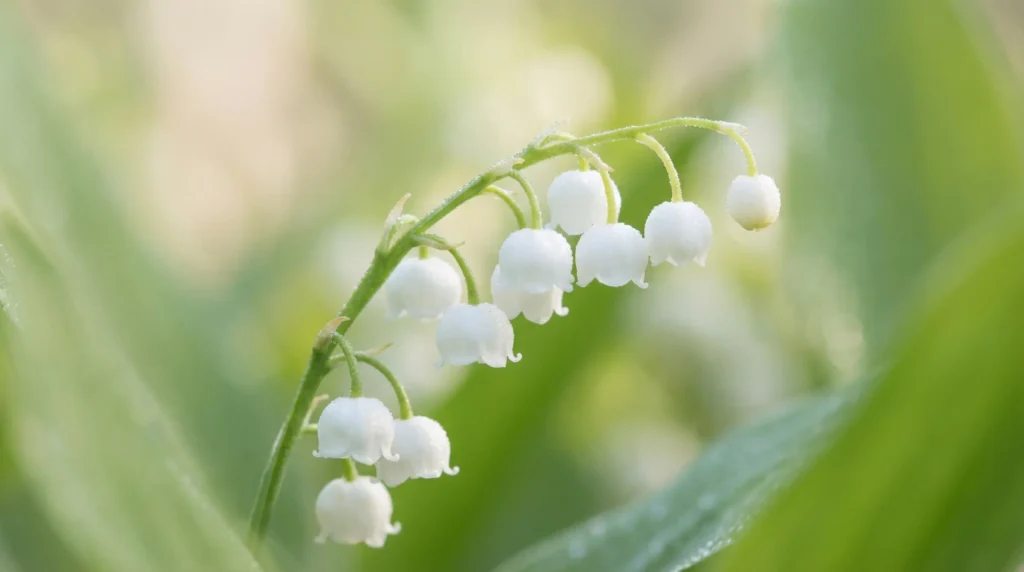
The may birth flower, lily of the valley (Convallaria majalis), is a beloved spring bloomer native to Europe and Asia. Its delicate white bell-shaped flowers and sweet fragrance make it irresistible. Hardy in zones 3–8, this low-growing perennial forms lush ground cover and practically cares for itself once established.
Plant Care Card
| Detail | Info |
|---|---|
| Common Name | Lily of the valley |
| Botanical Name | Convallaria majalis |
| Family | Asparagaceae |
| Plant Type | Perennial |
| Mature Size | 6–12 inches tall × 6–12 inches wide |
| Sun Exposure | Partial to full shade |
| Soil Type | Moist, humus-rich, well-draining |
| Soil pH | 5.5–7.0 (slightly acidic to neutral) |
| Hardiness Zones | 3–8 (USDA) |
| Native Area | Europe, Asia |
| Bloom Time | Spring (April–May) |
| Toxicity | Toxic to humans, dogs, and cats |
May Birth Flower Care
Lily of the valley thrives with minimal care once planted in the right shaded spot. Here’s what you need to know about sun, soil, water, and maintenance. With proper placement, this may birth flower practically tends itself year after year.
Light
Lily of the valley prefers partial to full shade, thriving with 2–4 hours of dappled morning light. Too much direct sun causes leaf scorching and poor blooms. As a classic may birth flower, it does best under deciduous trees or along a north-facing fence. Similar to crocus flowers, avoid harsh midday sun exposure.
Soil
Lily of the valley thrives in moist, humus-rich, well-draining soil. As a may birth flower of forest floors, it loves a loamy, compost-rich mix at pH 5.5–7.0. According to University of Minnesota Extension, compost improves moisture retention significantly. Avoid heavy clay amend poor drainage with 2 parts compost, 1 part perlite, 1 part native soil.
Water
Water newly planted pips about 1 inch per week until established. Check moisture by pressing a finger 2 inches deep water when dry, never let roots sit soggy. Reduce watering in summer as foliage dies back, but soak deeply every 7–10 days in dry spells. Your may birth flower will bounce back quickly.
Temperature and Humidity
Lily of the valley is remarkably cold-hardy, tolerating temperatures well below freezing through USDA zone 3 (down to –40°F). It actually requires a cold dormancy period to bloom well the following spring this isn’t a tropical plant. It handles mild summer heat in zones 3–7 without much trouble. That cold requirement is part of what makes this may birth flower such a perfect symbol of spring’s return.
In hotter climates (zones 8+), afternoon shade and extra moisture are essential. Apply a 2–3 inch layer of mulch in fall to protect roots from freeze-thaw cycles and retain soil moisture during dry stretches.
Fertilizer
Feed lily of the valley once in early spring with a balanced, slow-release granular fertilizer (10-10-10 or similar) as new growth emerges. A light top-dressing of compost works just as well. Avoid over-fertilizing too much nitrogen produces lush foliage but fewer flowers. Skip feeding entirely during dormancy.
Types of May Birth Flower
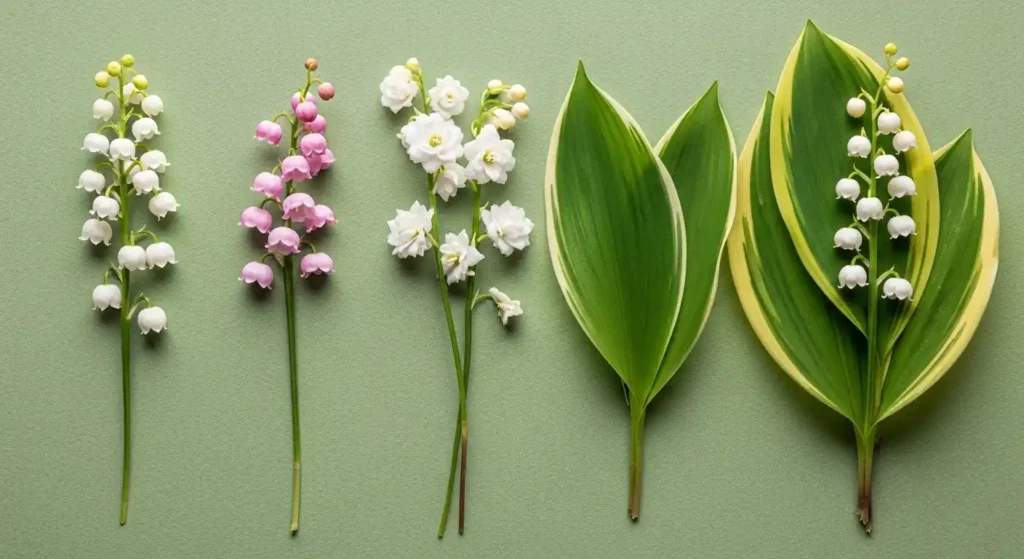
Several lovely cultivars of this may birth flower are worth knowing about. Here are the most popular varieties to consider for your garden, whether you’re after classic white blooms or something a little more unusual:
- ‘Rosea’: Produces soft pink bell-shaped flowers instead of the classic white. A romantic, unusual choice that blooms slightly later in spring.
- ‘Flore Pleno’: Features double flowers with extra petals for a fuller, more frilly look. Longer-lasting blooms than the standard variety.
- ‘Albostriata’: Striking variegated form with cream-striped leaves. Adds year-round interest even when not in bloom.
- ‘Hardwick Hall’: Large, broad leaves with creamy yellow margins. More vigorous spreader than most cultivars.
- ‘Golden Slippers’: Golden-yellow foliage that brightens shaded areas beautifully. Slightly less vigorous but worth the extra attention.
Pruning
Pruning lily of the valley is simple and quick. In late summer or early fall, trim back any yellowing or tattered foliage once the plant goes dormant. Remove spent flower stalks after blooming in May. This keeps the may birth flower looking tidy and prevents unwanted seed heads from forming.
Use clean, sharp garden shears to cut foliage down to the ground level. Cutting back in fall also reduces the risk of fungal issues over winter. Additionally, removing crowded or overgrown sections every 3–4 years keeps plants vigorous and encourages better blooms. Think of it as a quick tidy-up rather than a major pruning job.
Propagating May Birth Flower
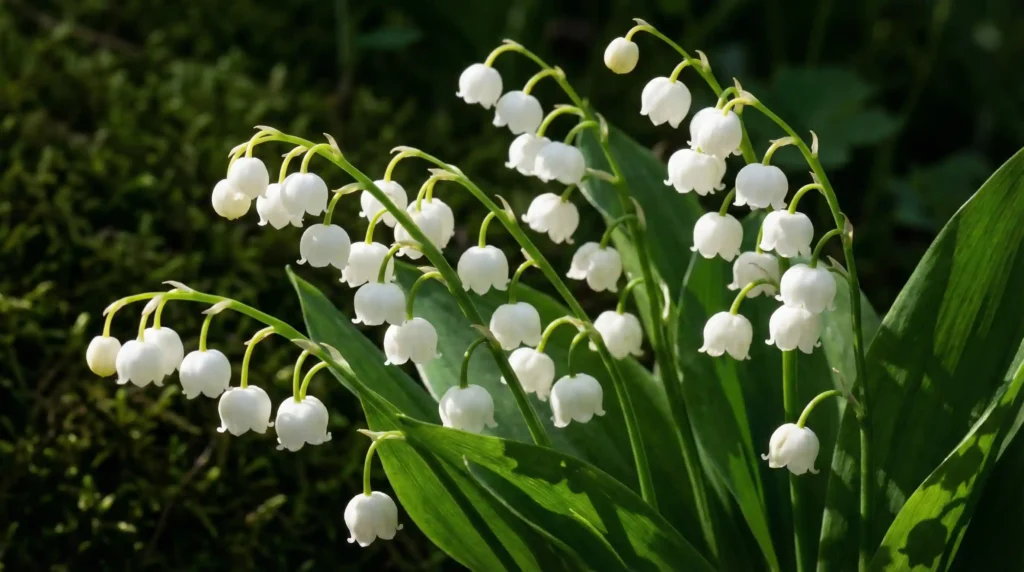
Spring is the best time to propagate this may birth flower, though fall division also works well when plants are going dormant. Growing more of this beloved may birth flower at home is easier than most gardeners expect. The most reliable methods are division and pip (rhizome) separation.
Propagating by Division
Division is the easiest and most rewarding way to multiply this plant. You’ll end up with plenty of new starts to fill shady spots or share with friends.
Materials needed:
- Garden fork or spade
- Sharp knife or pruning shears
- Compost-enriched planting mix
- Watering can
Step 1: In early spring or fall, carefully dig up a clump of lily of the valley using a garden fork. Work around the outside of the clump, loosening roots gently to avoid damage.
Step 2: Use your hands or a sharp knife to separate the clump into smaller sections. Make sure each division has at least 2–3 pips (rhizomes) with visible growth buds attached.
Step 3: Replant divisions immediately at the same soil depth as the original clump about 1 inch deep, with the tip of the pip just at or slightly below the soil surface.
Step 4: Water thoroughly after planting and keep soil consistently moist for the first 2–3 weeks. New growth should appear within 2–4 weeks in spring conditions.
Expect divided clumps to bloom within 1–2 seasons of replanting. This may birth flower spreads naturally via rhizomes, so divisions establish quickly.
Propagating from Pips (Rhizome Cuttings)
Pips are individual rhizome sections with a growth tip essentially mini-plants ready to go. You can also purchase bare-root pips from specialty nurseries for a fast start.
Step 1: In fall, dig up healthy rhizomes and locate individual pips with plump, pointed growth tips.
Step 2: Separate pips carefully, keeping the root system intact.
Step 3: Plant pips 1 inch deep and 3–6 inches apart in prepared, compost-rich soil.
Step 4: Mulch lightly and water well. Pips planted in fall will establish over winter and bloom the following May.
Planting and Transplanting May Birth Flower
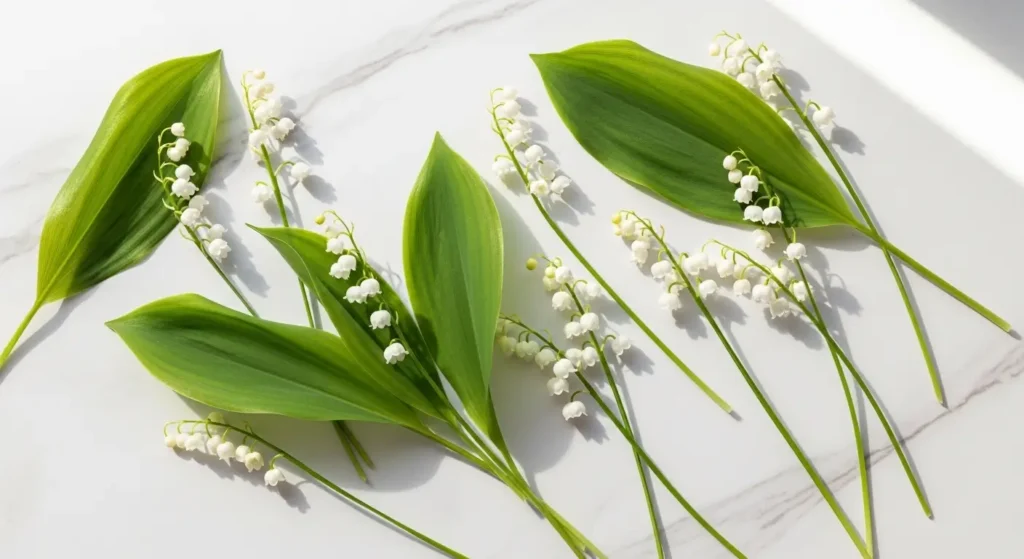
Plant this may birth flower in early spring or fall both seasons work well. Fall planting gives roots time to establish before winter, often resulting in better blooms the following spring. Space plants 6–12 inches apart to allow for natural spreading over time.
Dig a shallow hole about 1–2 inches deep and set the pip or root ball so the growth tip sits just at soil level. Backfill with compost-enriched soil and water thoroughly. As noted in resources from USDA Plant Database, proper planting depth is one of the most common factors affecting bloom quality.
Transplant or divide established clumps every 3–4 years to prevent overcrowding and restore vigorous blooming.
Common Pests and Diseases
Like most garden perennials, lily of the valley the classic may birth flower can occasionally run into pest or disease problems. Fortunately, major issues are rare when plants are well-situated. Here’s what to watch for:
Aphids
Look for clusters of small, soft-bodied insects on new growth and flower stalks. Treat with a strong blast of water or neem oil spray applied weekly until gone.
Spider Mites
Tiny webbing on leaf undersides signals spider mites. These thrive in hot, dry conditions. Treat with insecticidal soap or neem oil and improve air circulation around plants.
Powdery Mildew
White, powdery coating on leaves usually appears in humid conditions with poor air flow. Remove affected foliage and treat with a diluted baking soda spray or sulfur-based fungicide.
Root Rot
Mushy, blackened roots indicate overwatering or poor drainage. Dig up affected plants, trim rotted roots, and replant in improved, well-draining soil.
Leaf Miners
Pale, winding trails on leaf surfaces reveal leaf miner activity. Remove and destroy affected leaves promptly. Insecticide sprays are generally not effective once larvae are inside leaves.
Common Problems with May Birth Flower
Here’s how to troubleshoot common issues with your may birth flower:
Poor or No Blooms
No blooms? Suspect too much sun or shade, excess nitrogen fertilizer, or overcrowded clumps. This may birth flower needs dappled light and division every 3–4 years to keep flowering. Dial back the fertilizer too. Similar issues appear in crocus flowers always check pip planting depth.
Yellow or Browning Leaves
Yellow leaves almost always point to overwatering or waterlogged soil the number one mistake with this plant. However, nutrient deficiency (especially iron or nitrogen) can also cause pale yellowing between leaf veins. Browning leaf tips, on the other hand, usually signal underwatering or too much direct sun. Adjust your watering schedule, improve drainage, and relocate plants if sun exposure is excessive.
Wilting or Drooping
Wilting usually means the plant is underwatered, especially during warm spring days. Water thoroughly and the plant should recover within 24 hours. Transplant shock after dividing can also cause temporary drooping just keep soil consistently moist and give it a week or two to bounce back. Heat stress in zones 7–8 during hot summers is another common cause; apply mulch and increase watering frequency.
Leggy or Sparse Growth
Sparse, stretched growth almost always means not enough light reaching the plant. While this may birth flower loves shade, deep, dense shade produces weak stems and minimal flowering. Move plants to a spot with more dappled light. As noted in our November birth flower guide, many shade-preferring perennials need brighter indirect light than gardeners assume.
Slow to Spread
New plantings can take a full season or two to really take off. If spreading seems slow, top-dress with compost in spring and make sure the soil stays consistently moist. Overly dry or compacted soil dramatically slows rhizome development. Patience pays off once established, this may birth flower spreads readily on its own.
FAQ
Does May have two birth flowers?
Yes, May has two birth flowers: lily of the valley and hawthorn. Lily of the valley is the most widely recognized and celebrated of the two.
What is May’s birth flower tattoo?
Lily of the valley is the most popular May birth flower tattoo choice. Its delicate bell-shaped blooms make an elegant, detailed floral design loved by many.
What is May’s main birth flower?
Lily of the valley (Convallaria majalis) is considered May’s primary birth flower. It symbolizes purity, happiness, and the return of spring each year.
Is lavender a May birth flower?
No, lavender is not a may birth flower. Lavender blooms in summer and is associated with different floral symbolism. Lily of the valley and hawthorn are May’s recognized birth flowers.