
In This Article
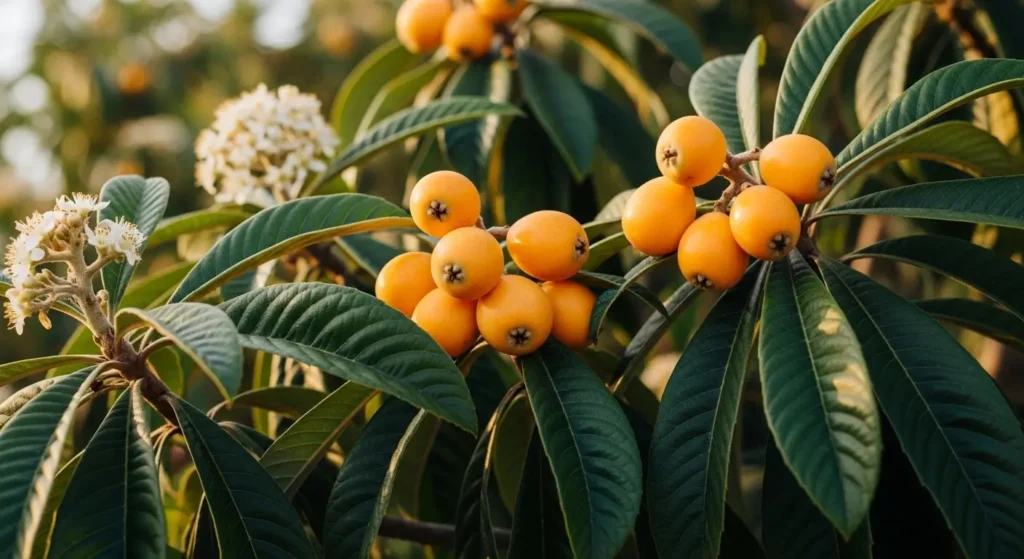
Loquat Eriobotrya is a striking evergreen tree with large, leathery leaves, fragrant white flowers, and clusters of yellow-orange fruit ripening in late winter. Native to China and Japan, it thrives in USDA Zones 8–11 and is surprisingly easy to grow for such a rewarding fruit tree.
Loquat Care Card
| Common Name | Loquat |
| Botanical Name | Eriobotrya japonica |
| Family | Rosaceae |
| Plant Type | Evergreen shrub or small tree |
| Mature Size | 10–25 ft tall x 10–15 ft wide |
| Sun Exposure | Full sun to partial shade |
| Soil Type | Well-draining, loamy, or sandy soil |
| Soil pH | 6.0–7.5 (slightly acidic to neutral) |
| Hardiness Zones | USDA Zones 8–11 |
| Native Area | South-central China, Japan |
| Bloom Time | Fall to early winter |
| Toxicity | Seeds and leaves toxic to pets and humans; fruit is safe |
Loquat Eriobotrya Care
Loquat eriobotrya is one of the more forgiving fruit trees you can grow in a warm-climate garden. This guide covers everything you need to know about sun, soil, water, pruning, and more. With the right placement, this tree practically takes care of itself.
Light
Loquat eriobotrya does best in full sun at least 6–8 hours daily. Less light means fewer blooms, lighter crops, and leggy growth. Plant in a south- or west-facing spot for best results. In hot climates, afternoon shade prevents leaf scorch. According to the University of Florida IFAS Extension, adequate light is the single most important factor for consistent fruiting.
Soil
Loquat prefers well-draining, loamy, or sandy soil with a pH of 6.0–7.5. Poor drainage is the biggest enemy waterlogged roots rot fast. According to UC Davis Agriculture & Natural Resources, loquats tolerate various soil types as long as drainage is excellent. For clay soil, mix in sand and compost at a 2:1:1 ratio.
Water
Newly planted loquats need deep watering once or twice a week until established usually one full growing season. After that, they’re quite drought-tolerant. In summer, check moisture 2 inches deep before watering. In winter, rainfall usually suffices. Yellowing leaves and soggy soil signal overwatering; wilting and leaf curl mean it’s too dry.
Temperature and Humidity
Loquat thrives between 50°F and 95°F and tolerates light frost down to 12°F once mature but young trees need protection below 28°F. Flowers and developing fruit are frost-sensitive; a hard freeze can wipe out an entire crop. Loquat adapts to both dry and humid climates. In frosty regions, apply a 3–4 inch mulch layer for root protection.
Fertilizer
Feed your loquat with a balanced slow-release fertilizer (10-10-10 or similar) three times a year in early spring, early summer, and early fall. Avoid fertilizing in late fall or winter, as this encourages tender growth that’s vulnerable to frost damage. Young trees benefit from light monthly feeding during the growing season.
Types of Loquat Eriobotrya
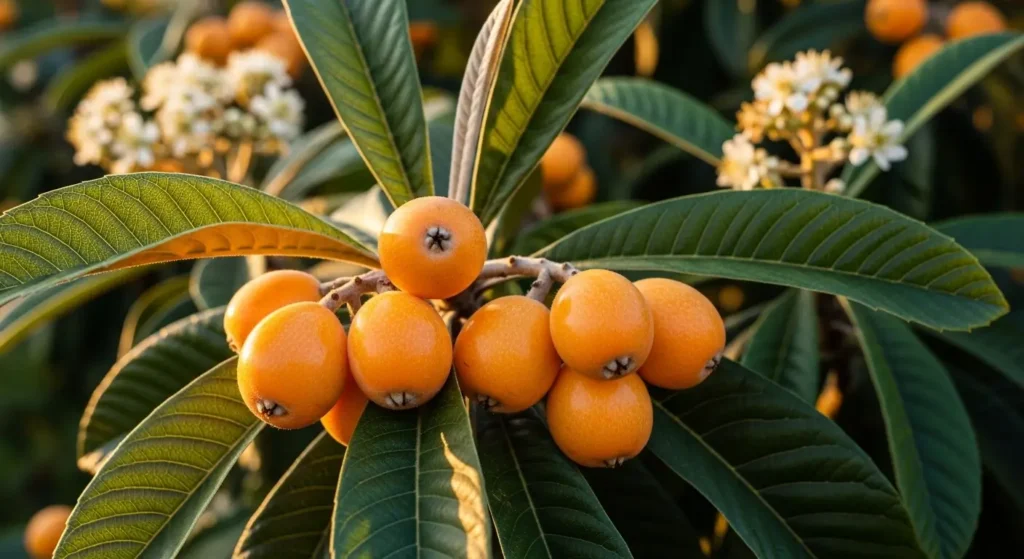
There are dozens of loquat cultivars, but a few stand out as especially popular for home gardens.
- ‘Big Jim’ One of the largest-fruited varieties, producing pale yellow fruit with mild, sweet flavor. Great for fresh eating and warm Southern California climates.
- ‘Champagne’ A classic favorite with creamy white-fleshed fruit, sweet-tart flavor, and excellent disease resistance. One of the most widely grown in the US.
- ‘Gold Nugget’ A self-fertile variety producing bright orange, round fruit. Excellent for smaller gardens because of its more compact size.
- ‘Wolfe’ Prized for its very large, red-blushed fruit with rich flavor. Does well in zones 8–9 where winters are mild.
- ‘Advance’ An early-ripening variety with yellow skin and white flesh. Known for reliable crops even in slightly cooler zones.
Pruning
Prune loquat eriobotrya in late spring or early summer, right after harvest. Remove dead or crossing branches, thin crowded growth, and shape the canopy. Avoid pruning in fall it interferes with flowering. Use sharp shears or a pruning saw, remove base suckers, and head back long shoots to keep your tree compact and productive.
Propagating Loquat Eriobotrya
The best time to propagate loquat eriobotrya is in late spring through early summer when the tree is actively growing. You can propagate loquat eriobotrya in two main ways: stem cuttings and seeds. Most home gardeners prefer cuttings for faster, true-to-type results.
Propagating Loquat Eriobotrya by Stem Cuttings
Stem cuttings are the most reliable way to propagate loquat eriobotrya while keeping the parent plant’s best traits.
Materials needed:
- Sharp, sterilized pruning shears
- Rooting hormone powder or gel
- Well-draining potting mix (perlite and potting soil, 50:50)
- Small 4-inch nursery pots
- Plastic bag or humidity dome
Step 1: Take a 6–8 inch cutting from a healthy, semi-hardwood shoot in late spring. The stem should be firm but not fully woody look for growth from the current or previous season.
Step 2: Remove the lower leaves, leaving only 2–3 leaves at the tip. Dip the cut end into rooting hormone and tap off the excess. This gives your cutting the best chance of developing strong roots.
Step 3: Insert the cutting into your moist perlite-soil mix and firm it in. Place a plastic bag loosely over the pot to maintain high humidity around the cutting. Set it in a warm, bright spot out of direct sun.
Step 4: Check moisture every few days and mist if needed. Roots typically develop within 6–10 weeks. Once you see new leaf growth, you can remove the humidity cover and begin normal watering.
Propagating from Seeds
Seed propagation is easy but slower and seedlings may not match the parent tree’s fruit quality. That said, it’s a fun project for patient gardeners.
Step 1: Remove seeds from ripe loquat fruit and rinse off any pulp immediately. Loquat seeds lose viability quickly, so plant them within a few days.
Step 2: Plant seeds about 1 inch deep in a moist, well-draining seed-starting mix. Keep the pot in a warm spot (65–75°F) germination typically takes 2–4 weeks.
Step 3: Once seedlings are 3–4 inches tall with a few true leaves, transplant them into larger pots or your garden bed. Expect fruit from seed-grown trees in 6–8 years, compared to 2–3 years for grafted or cutting-grown plants.
Planting and Transplanting Loquat Eriobotrya
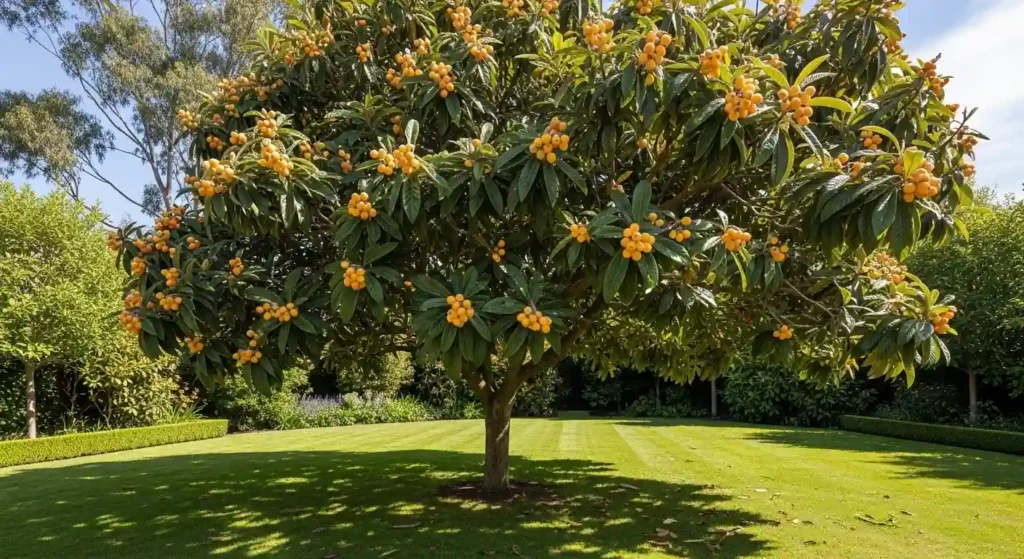
Plant loquat in early spring or fall, spacing trees 15–20 feet apart (8–10 ft for compact types). Dig a hole twice as wide as the root ball, set the graft union just above soil level, then mulch well. Good drainage is critical, just like with the Medjool date palm. Transplant established trees in early spring with minimal root disturbance.
Common Pests and Diseases
Like most garden trees, loquat eriobotrya can occasionally run into pest or disease issues. The good news is that healthy, well-placed trees are generally quite resistant. According to the UC IPM pest management guidelines, early detection is the best defense.
Aphids
Look for clusters of small soft-bodied insects on new growth and leaf undersides. A strong spray of water usually dislodges them. For heavy infestations, use insecticidal soap.
Spider Mites
Fine webbing and stippled, pale leaves are the telltale signs. Treat with neem oil spray or insecticidal soap, and increase air circulation around the canopy.
Fire Blight
This bacterial disease causes branches to look scorched and turn dark brown. Prune out affected wood several inches below visible infection and sterilize your tools between cuts.
Root Rot
Yellowing leaves and wilting despite moist soil often signal root rot. Improve drainage immediately and reduce watering. Severely affected trees may not recover prevention is key.
Codling Moth
Larvae tunnel into developing fruit, causing internal damage. Use pheromone traps to monitor activity and apply appropriate sprays during egg-laying periods if infestation is heavy.
Common Problems with Loquat Eriobotrya
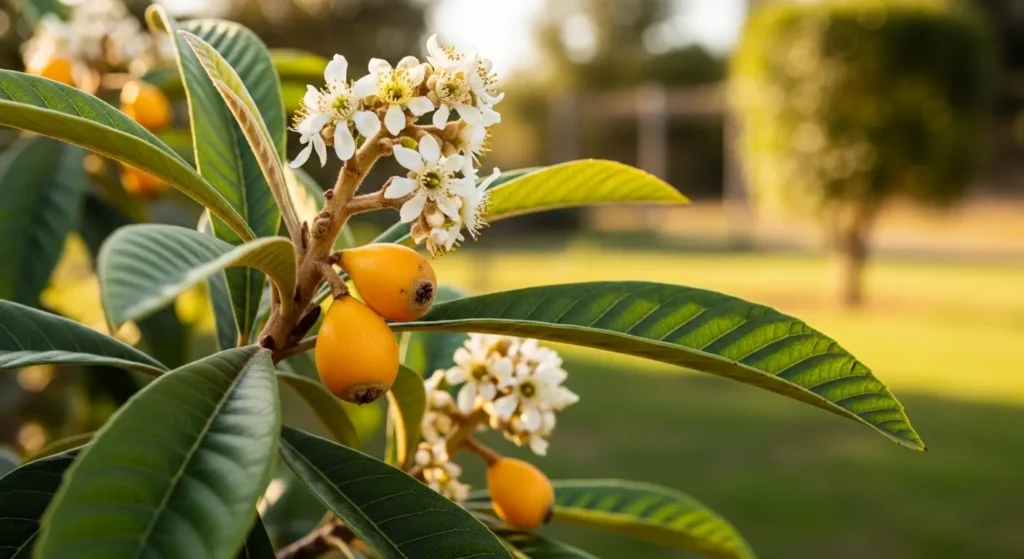
Here’s how to troubleshoot common issues:
Poor or No Blooms
Poor blooms are almost always fixable. Insufficient sunlight is the top culprit loquat eriobotrya needs at least 6 hours of direct sun daily. Over-fertilizing with nitrogen pushes leafy growth over flowers. Pruning in fall removes next season’s buds. Move to a sunnier spot, ease up on feeding, and prune only after fruiting.
Yellow or Browning Leaves
Yellow leaves are one of the most common complaints with loquat eriobotrya. Overwatering or poor drainage is the most frequent cause roots sitting in wet soil can’t take up nutrients. Nutrient deficiency, particularly iron chlorosis in alkaline soil, also causes yellowing between the leaf veins. Natural leaf drop in spring is normal as old leaves are replaced. Check drainage first, then test your soil pH.
Wilting or Drooping
Wilting during a heat wave is usually just heat stress water deeply and mulch well. However, if the soil is already moist and leaves are still drooping, suspect root rot from overwatering or poor drainage. Transplant shock can also cause temporary wilting in newly planted trees; keep the soil consistently moist for the first season.
Leggy or Sparse Growth
Long, spindly branches with sparse foliage usually mean insufficient light. Move container plants to a sunnier spot or consider limbing up surrounding trees to let more light in. Over-fertilizing with nitrogen also produces fast, weak, leggy growth. Cut back on fertilizer and prune lightly to encourage bushier, more compact form.
Frost Damage
Blackened, soft leaves and shoots following cold nights indicate frost damage. Remove affected growth once the risk of further frost has passed. Young trees and flower buds are especially vulnerable cover with frost cloth when temperatures below 28°F are expected. Established trees generally recover well from light frost damage.
Slow Growth
Loquat is a moderately fast grower in ideal conditions, putting on 1–2 feet per year once established. Slow growth usually points to poor soil, insufficient water during the growing season, or nutrient deficiencies. Check your soil pH and amend if needed. A light fertilizer application in spring often gives trees the boost they need. For related soil improvement tips, see our foxtail fern care guide and our crocus flowers guide for companion planting ideas.
FAQ
Why are loquats not sold in stores?
Loquat eriobotrya fruit bruises easily and has a very short shelf life, making large-scale commercial shipping impractical. They’re best enjoyed fresh from a backyard tree.
How fast does Eriobotrya japonica grow?
Loquat eriobotrya typically grows 1–2 feet per year under good conditions. Mature trees reach full size within 10–15 years of planting.
What are the common problems with loquat trees?
The most frequent issues are fire blight, root rot from poor drainage, frost damage to flowers, and yellow leaves caused by overwatering or alkaline soil.
What are the benefits of eating loquats?
Loquats are rich in vitamin A, vitamin C, potassium, and antioxidants. They support immune health and are a delicious, low-calorie seasonal fruit.