
In This Article
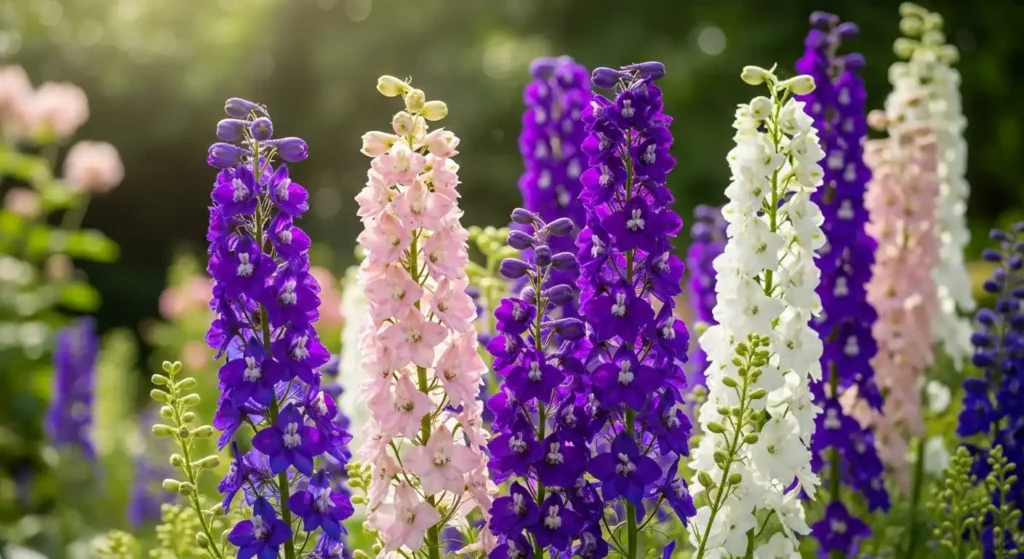
The july birth flower, larkspur (Consolida ajacis), dazzles with tall spikes of violet, pink, white, and blue blooms. Native to the Mediterranean, this feathery, graceful annual thrives in USDA zones 2–11. Honestly, if you love cottage garden charm, this easy-to-grow summer beauty is made for you.
Plant Care Card
| Detail | Info |
|---|---|
| Common Name | Larkspur |
| Botanical Name | Consolida ajacis |
| Family | Ranunculaceae |
| Plant Type | Annual |
| Mature Size | 1–4 ft tall × 6–12 in wide |
| Sun Exposure | Full sun to partial shade |
| Soil Type | Well-draining, loamy to sandy |
| Soil pH | 6.5–7.0 (neutral) |
| Hardiness Zones | 2–11 (grown as a cool-season annual) |
| Native Area | Mediterranean, Southwest Asia |
| Bloom Time | Late spring to early summer |
| Toxicity | Toxic to humans and pets if ingested |
July Birth Flower Care
Larkspur is surprisingly low-maintenance once it gets going in the right spot. Here’s what you need to know about sun, soil, water, and seasonal care for this july birth flower. With proper placement, it practically puts on a show all on its own.
Light
Larkspur thrives in full sun with at least 6 hours daily. Partial shade means fewer blooms, though afternoon shade helps in hot climates. Plant this july birth flower in a south- or east-facing bed, away from fences or shrubs, for the strongest, most colorful display all season.
Soil
This july birth flower needs well-draining, loamy or sandy soil with a pH of 6.5–7.0. According to the University of Minnesota Extension, amending clay soil with compost and coarse sand improves drainage significantly. Avoid heavy clay it causes root rot and poor germination.
Water
Water this july birth flower once or twice weekly, aiming for 1 inch total. Check soil moisture by pressing a finger 1–2 inches deep. Water less in cool spring weather, more in summer heat. Overwatered plants show yellow, mushy stems underwatered ones wilt. When in doubt, water less.
Temperature and Humidity
Larkspur thrives between 50°F and 65°F and needs a cold period to germinate well. As a july birth flower, sow in fall or early spring for best results plants bolt fast above 80°F. Space rows well and avoid overhead watering to prevent powdery mildew in humid summers.
Fertilizer
This july birth flower doesn’t need much feeding. Apply a balanced slow-release fertilizer (10-10-10) once at planting time. That’s usually enough for the whole season. Avoid over-fertilizing with nitrogen it pushes leafy growth at the expense of those gorgeous blooms.
Types of July Birth Flower
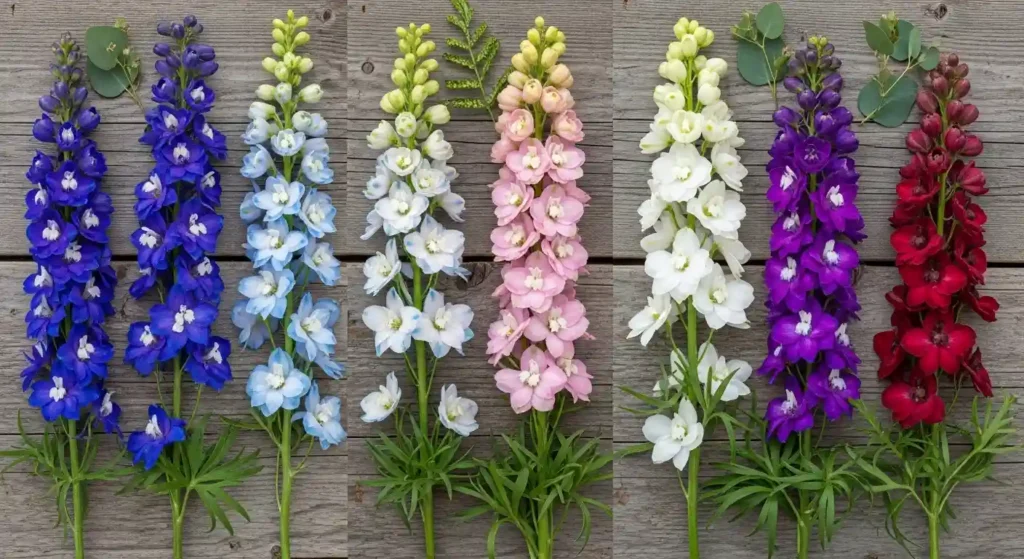
There are several beautiful july birth flower varieties worth knowing. Similar to how crocus flowers come in a rainbow of colors, larkspur offers impressive variety:
- Giant Imperial Series: The classic tall larkspur reaching 3–4 feet. Dense double flowers in white, pink, blue, and lavender. Perfect for cutting gardens.
- Frosted Skies: A stunning bicolor variety with white-edged blue petals. Grows 2–3 feet tall and blooms prolifically.
- Dwarf Hyacinth-Flowered: A compact type topping out at 12–18 inches. Great for container edges and front borders.
- Blue Spire: Deep indigo-blue flowers on tall, stately spikes. One of the most popular varieties for cottage-style gardens.
- Sublime Series: Known for intense, saturated colors and excellent heat tolerance compared to other larkspur types.
Pruning
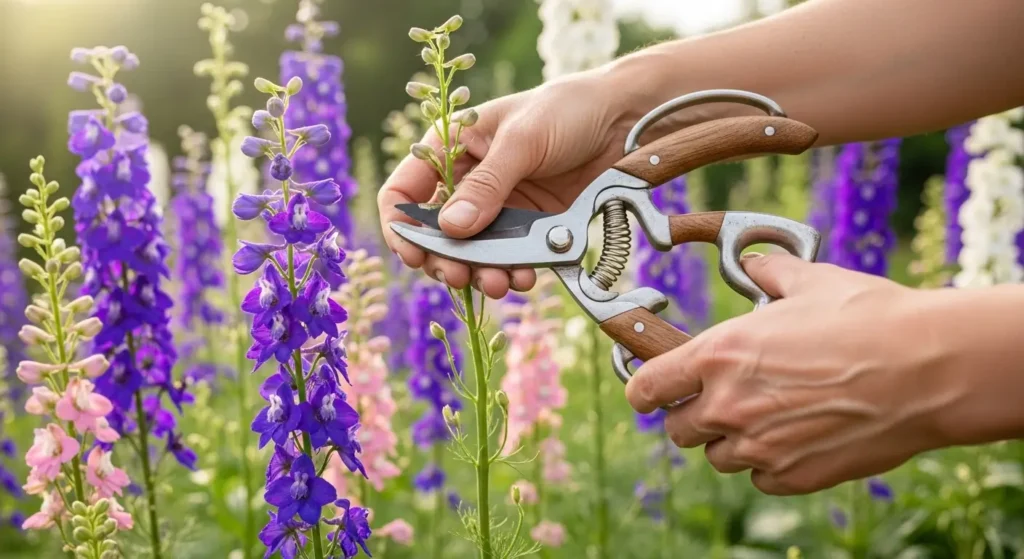
Deadhead this july birth flower as blooms fade to encourage more lateral flowers and extend the season. Cut spent spikes back to a healthy side shoot. Use sharp, clean shears and let a few seed heads mature for next year. Regular deadheading adds weeks to your blooming window.
Propagating July Birth Flower
The best time to propagate larkspur is in fall or early spring, when seeds naturally germinate in cooler conditions. This july birth flower is almost exclusively grown from seed, and it self-sows readily once established meaning it may come back on its own year after year.
Propagating by Direct Sowing
Direct sowing is the easiest and most reliable method for larkspur. Since the seeds require light and cool temperatures to sprout, this method works perfectly when timed right.
Materials needed:
- Fresh larkspur seeds
- Rake or hand cultivator
- Garden hose or watering can
- Plant markers
Step 1: Choose your planting site in fall (after the first frost) or very early spring (4–6 weeks before the last frost date). Loosen the top 2–3 inches of soil with a rake.
Step 2: Scatter seeds thinly over the prepared bed. Press them lightly into the soil surface—do not bury them. Larkspur seeds need light to germinate properly.
Step 3: Water gently but thoroughly so the seeds make good contact with the soil. Keep the area consistently moist (but not waterlogged) until germination, which typically takes 14–21 days in cool conditions.
Step 4: Once seedlings reach 2–3 inches tall, thin them to 9–12 inches apart. This allows good air circulation and prevents crowding, which reduces disease pressure. This july birth flower rewards a little patience seedlings that experience a cold period before warming weather will bloom most vigorously.
Propagating by Self-Sowing
One of the best things about larkspur is that it self-sows like a dream. Let a few flower stalks go to seed at the end of the season. The seeds will drop naturally and germinate the following spring on their own.
Step 1: Allow 3–5 seed heads per plant to mature fully on the stem. They’re ready when the pods turn tan and papery.
Step 2: Scatter seeds from dried pods over areas where you want new plants, or simply leave them to fall naturally.
Step 3: Lightly rake the area to improve seed-to-soil contact, then water once. Let nature do the rest.
This method keeps your july birth flower coming back season after season with almost no effort on your part.
Planting and Transplanting July Birth Flower
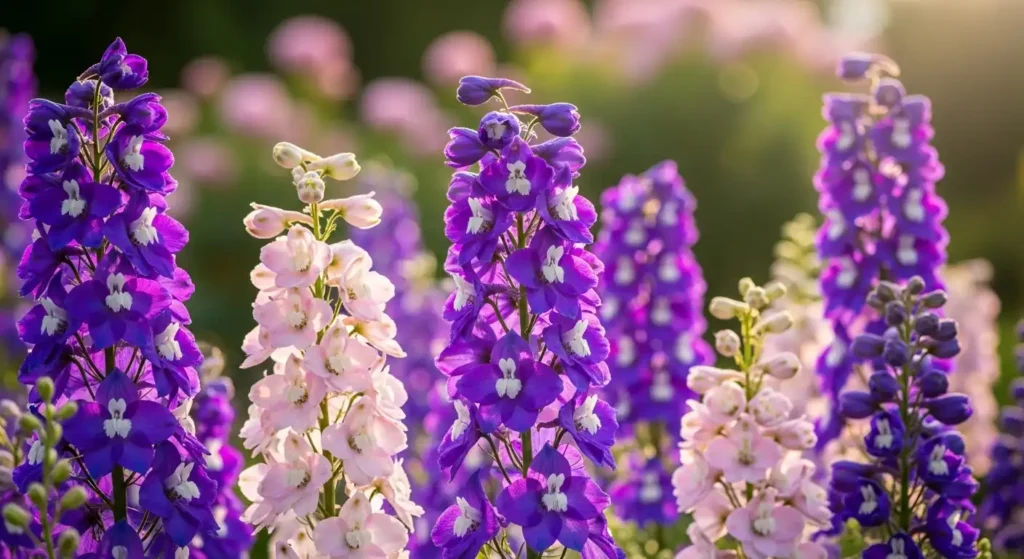
Plant this july birth flower directly in fall or late winter, spacing seeds 9–12 inches apart. The USDA Plant Database recommends well-prepared beds for best germination. Loosen soil, press seeds lightly to the surface, and water gently. Avoid transplanting the long taproot makes it very difficult.
Common Pests and Diseases
Like most garden plants, this july birth flower can occasionally face pest or disease issues. Catching problems early makes treatment much easier. Similar to challenges faced by the november birth flower, larkspur has a few common foes.
Aphids
Look for clusters of tiny green or black insects on new growth. Spray plants with a strong stream of water or treat with neem oil spray to knock them back.
Spider Mites
Check for fine webbing and stippled, pale leaves in hot, dry conditions. Treat with insecticidal soap or neem oil applied every 5–7 days.
Powdery Mildew
Watch for white, powdery coating on leaves, especially in humid conditions. Improve air circulation and treat with a baking soda solution or sulfur-based fungicide.
Root Rot
Soggy, blackened roots and wilting despite moist soil are the telltale signs. Improve drainage immediately and avoid overhead watering to prevent recurrence.
Caterpillars
Look for irregular holes chewed in leaves and flowers. Handpick large caterpillars or apply Bacillus thuringiensis (Bt) for a targeted, organic solution.
Common Problems with July Birth Flower
Here’s how to troubleshoot common issues with your july birth flower:
Poor or No Blooms
Poor blooms on this july birth flower usually mean insufficient sunlight, excess nitrogen fertilizer, or late spring planting. These plants need 6 hours of direct sun daily. Over-fertilizing pushes foliage over flowers. Sow in fall or early spring planting too late causes bolting before blooming even begins.
Yellow or Browning Leaves
Yellowing leaves signal overwatering, poor drainage, or nitrogen deficiency browning edges mean heat stress. Fix drainage first, apply a light balanced fertilizer, and provide afternoon shade in warm climates. Our may birth flower guide covers similar leaf issues. Healthy roots mean healthy, vibrant blooms all season long.
Wilting or Drooping
Wilting july birth flower plants are almost always caused by underwatering during dry spells or transplant shock if seedlings were recently moved. Heat stress on hot afternoons is also normal plants often perk back up by morning. Water deeply and consistently, and avoid moving established plants whenever possible. A layer of mulch around the base helps retain soil moisture on hot days.
Leggy or Sparse Growth
Leggy larkspur with weak, stretched stems almost always means not enough light. Plants reaching for sun will grow tall and floppy instead of sturdy and upright. Over-fertilizing with nitrogen can also push weak, leafy growth. Move plants to a sunnier location and stake tall varieties with bamboo canes to keep them upright. Like the butterfly plant, larkspur benefits greatly from the right light conditions.
Frost Damage
Late spring frosts can nip young larkspur seedlings, turning leaves black and mushy. Interestingly, established larkspur can handle light frosts well it’s the tender new growth that’s most vulnerable. Cover seedlings with a frost cloth if a late freeze is forecast. Plants often recover from mild frost damage once temperatures stabilize.
FAQ
What is the birth flower of July?
The july birth flower is larkspur (Consolida ajacis), a tall, elegant annual known for its stunning spikes of blue, purple, pink, and white blooms.
What is the official flower of the month of July?
Larkspur is the official july birth flower, though water lily is sometimes listed as a secondary symbol for those born in the month of July.
What symbolizes July?
Larkspur symbolizes strong bonds of love, positivity, and an open heart, making it a meaningful gift for anyone celebrating a July birthday.
What is July’s favorite color?
July is most associated with the color blue, reflecting the classic violet-blue shades of larkspur, the iconic july birth flower most people think of first.