
In This Article
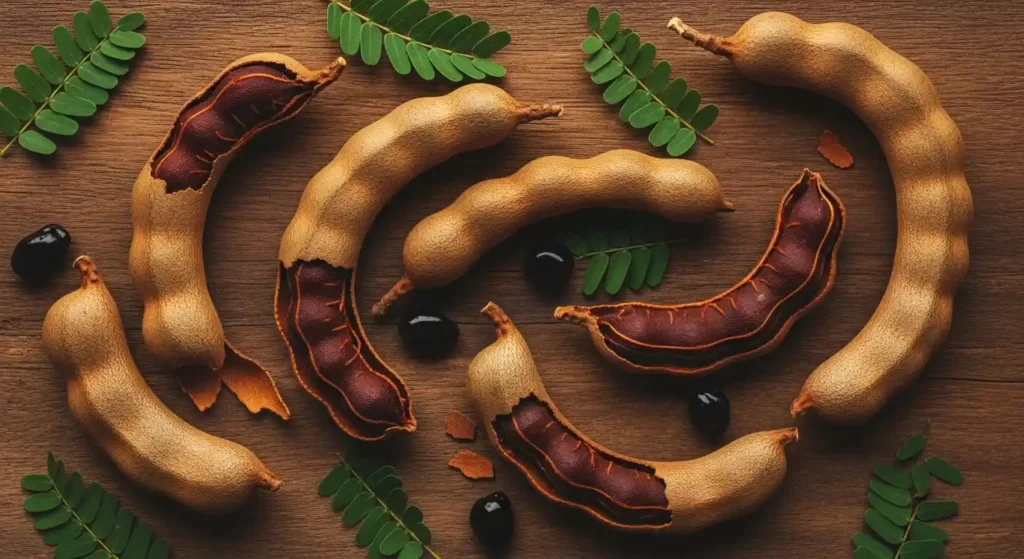
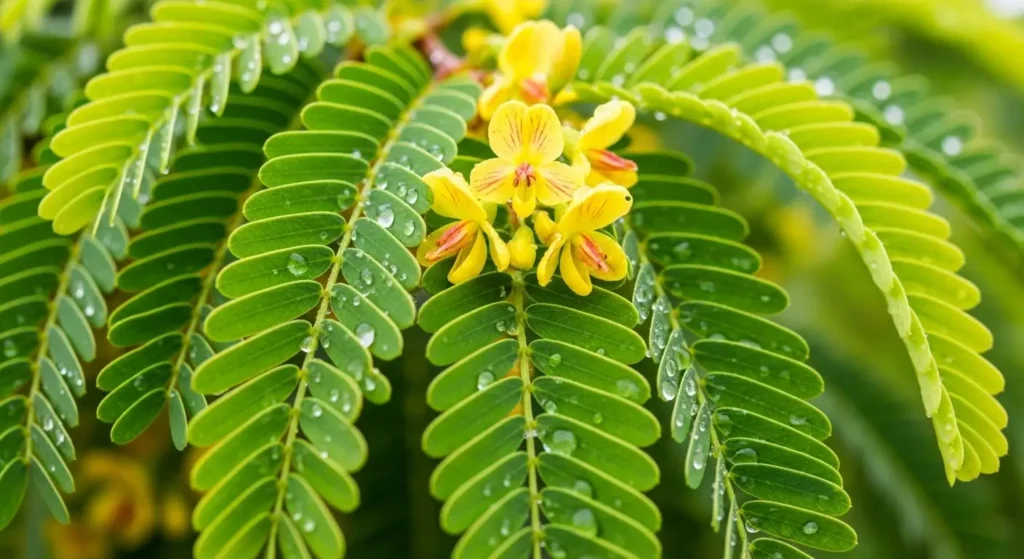
The imli plant (Tamarindus indica), or tamarind, is a iconic tropical fruit tree with a broad canopy, feathery leaves, and yellow flowers that produce tart seed pods. Native to Africa and deeply rooted in South Asian culture, it thrives in USDA zones 10–12 and is a moderate, rewarding grower.
Imli Plant Care Card
| Detail | Info |
|---|---|
| Common Name | Imli plant, Tamarind |
| Botanical Name | Tamarindus indica |
| Family | Fabaceae |
| Plant Type | Tropical fruit tree, perennial |
| Mature Size | 40–60 ft tall × 20–35 ft wide |
| Sun Exposure | Full sun |
| Soil Type | Well-draining, sandy to loamy |
| Soil pH | 5.5–7.0 (slightly acidic to neutral) |
| Hardiness Zones | USDA Zones 10–12 |
| Native Area | Tropical Africa, naturalized in South Asia |
| Bloom Time | Spring to early summer |
| Toxicity | Non-toxic to humans; mildly toxic to pets in large quantities |
Imli Plant Care
The imli plant is fairly easygoing once established in the right warm climate. Here’s what you need to know about sun, soil, water, and maintenance. With proper placement and a little patience, this beautiful tree practically takes care of itself.
Light
The imli plant needs full sun at least 6–8 hours daily. Partial shade slows growth, reduces flowering, and drops fruit production significantly. Plant tamarind in an open, south-facing spot away from shade-casting structures. Young trees especially benefit from maximum sun exposure during their first two years of establishment.
Soil
The imli plant thrives in well-draining, sandy or loamy soil with a pH of 5.5–7.0. Good drainage is non-negotiable. According to the USDA Natural Resources Conservation Service, tamarind adapts to most soil types if drainage is adequate. Amend heavy clay with sand and compost to avoid waterlogging.
Water
Water young imli plants once or twice weekly, checking soil moisture 2 inches deep before watering. Once established, tamarind is impressively drought-tolerant. In summer, water every 7–10 days; reduce in cooler periods. Yellowing leaves and mushy soil signal overwatering, while wilting during heat waves points to underwatering.
Temperature and Humidity
The imli plant thrives between 65°F–95°F (18°C–35°C) and cannot tolerate frost even brief freezes damage young trees. Winter temperatures must stay above 28°F (-2°C). While mature tamarind handles low humidity well, it prefers tropical conditions. In cooler zones, grow it in a container and overwinter it indoors.
Fertilizer
Feed your imli plant with a balanced slow-release fertilizer (10-10-10) three times per year once in early spring, once in early summer, and once in early fall. Avoid fertilizing during the dormant winter period. Young trees benefit most from regular feeding during their first three years of growth.
Types of Imli Plant
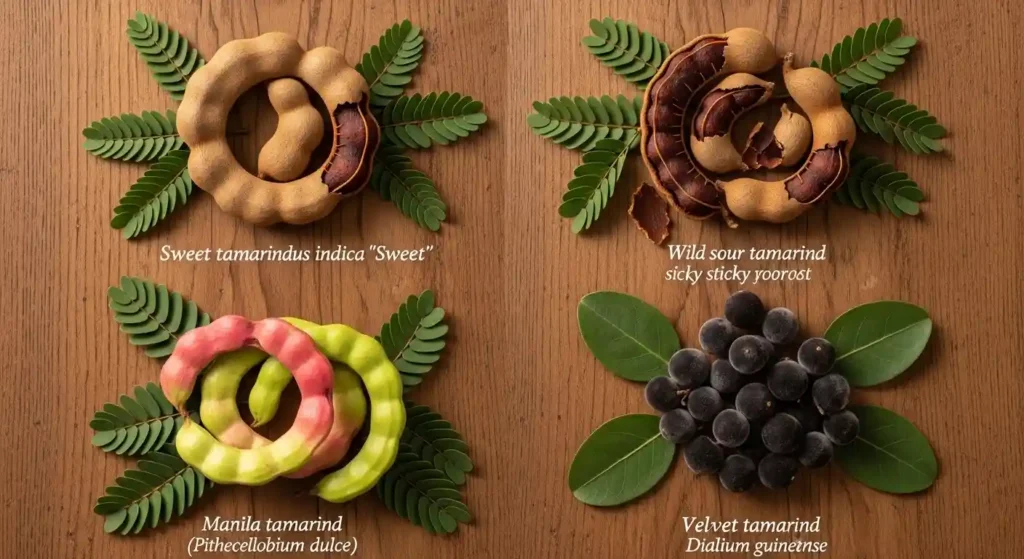
Tamarind comes in a few distinct types worth knowing before you plant. The variety you choose affects pod flavor, size, and overall harvest timing.
- Sweet Tamarind (Tamarindus indica ‘Sweet’): Lower tartaric acid content gives pods a noticeably sweeter, milder flavor. Widely popular in Thailand and Southeast Asia for fresh eating directly from the pod.
- Wild-Type Sour Tamarind: The traditional variety with intensely tart pulp. Used across Indian and Latin American cooking, chutneys, sauces, and classic imli-based drinks.
- Manila Tamarind (Pithecellobium dulce): Not a true tamarind but commonly called by this name. Smaller tree with spiraled pods and a sweeter, cotton-candy-like pulp. Belongs to a different genus entirely.
- Velvet Tamarind (Dialium guineense): Native to West Africa, this tree produces small, velvety dark pods with a sweet-tart pulp popular in tropical African markets.
Pruning
Prune your imli plant in late winter or early spring, just before new growth kicks in. Remove dead, damaged, or crossing branches first. Additionally, thin out any branches that crowd the canopy interior good air circulation significantly reduces disease pressure over time.
Use clean, sharp pruning shears for small branches and a pruning saw for anything thicker than 2 inches. Tamarind responds well to light shaping, so don’t be afraid to cut back overly long limbs to keep the tree at a manageable height. Regular pruning also encourages a stronger branch structure that supports heavier fruit loads over time.
Propagating Imli Plant
The best time to propagate the imli plant is during spring or early summer, when temperatures are warm and plants are actively growing.
Propagating by Seeds
Seeds are the most reliable and widely used method for propagating the imli plant. Fresh seeds from ripe pods germinate far better than stored ones.
Materials needed:
- Fresh tamarind seeds
- Well-draining seed-starting mix
- Small pots or seed trays
- Warm water for soaking
Steps:
Step 1: Remove seeds from ripe tamarind pods and soak them in warm water for 24–48 hours to soften the hard outer seed coat and significantly improve germination rates.
Step 2: Fill small pots with a well-draining seed-starting mix. Press one imli plant seed about 1 inch deep into each pot, pointed end down if visible.
Step 3: Water gently and place pots in a warm spot with temperatures above 70°F (21°C). Cover loosely with plastic wrap to retain humidity during germination.
Step 4: Once seedlings emerge and develop two or three sets of true leaves, transplant them into larger containers or directly into their final sunny garden location.
Germination typically takes 7–14 days under warm conditions. Young imli plants grow relatively slowly in their first year, so patience is key.
Propagating by Stem Cuttings
Stem cuttings work well as a secondary propagation method, especially if you want to preserve the specific traits of a sweet or highly productive parent tree.
Steps:
Step 1: Take a 6–8 inch semi-hardwood cutting from a healthy branch in late spring. Remove all but the top two or three leaves to reduce moisture loss.
Step 2: Dip the cut end in rooting hormone powder and insert it about 2 inches deep into a moist mix of perlite and potting soil.
Step 3: Place in a warm, bright spot out of harsh direct sun. Keep the soil consistently moist but never soggy. Rooting takes approximately 4–8 weeks once the cutting resists a gentle tug, roots have formed and transplanting can begin.
Planting and Transplanting Imli Plant
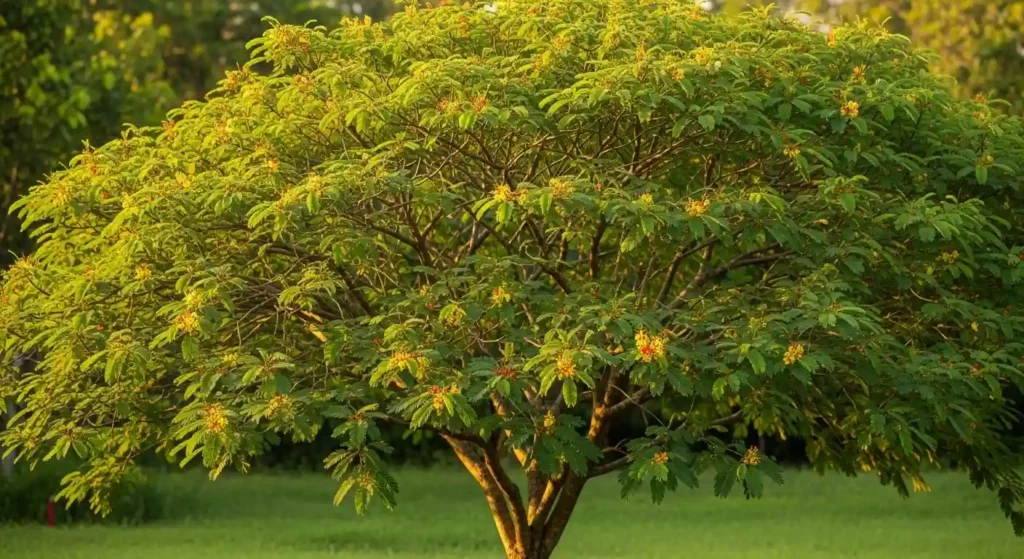
Plant your imli plant outdoors in spring, once all frost risk has passed and soil temperatures are consistently warm. Space multiple trees at least 25–30 feet apart to give each one full room for its wide, spreading canopy. In smaller gardens, a single tree works beautifully as a focal shade tree.
Dig a planting hole twice as wide as the root ball and just as deep. Set the tree so the root flare sits level with the surrounding soil planting too deeply invites root rot over time. Backfill with native soil, water deeply, and apply a 2–3 inch layer of mulch around the base to retain moisture and moderate soil temperature. According to University of Florida IFAS Extension, tamarind transplants best when kept well-watered for the first several months after planting.
Mature tamarind trees dislike being moved, so choose their permanent location carefully before planting. Young container-grown imli plants can be stepped up to larger pots every two years until they are ready for their final in-ground home.
Common Pests and Diseases
Like most garden plants, the imli plant can occasionally face pest or disease challenges especially in humid or overcrowded growing conditions.
Aphids
Look for clusters of small, soft-bodied insects on new growth and leaf undersides. Treat with a strong blast of water or apply neem oil solution weekly until the infestation clears.
Scale Insects
Identify scale by small, waxy brown bumps on stems and branches. Treat with horticultural oil applied during the crawler stage in spring for the best control results.
Powdery Mildew
Watch for a white, powdery coating on leaves, particularly in humid weather with poor air circulation. Treat with diluted baking soda spray or a sulfur-based fungicide applied at the very first signs.
Root Rot
Soggy, waterlogged soil leads to brown, mushy roots and a rapidly declining tree. Improve drainage immediately and reduce watering frequency. According to the University of California IPM Program, avoiding overwatering is the single most effective prevention strategy for root rot in tropical trees.
Caterpillars / Leaf Miners
Notice irregular tunneling or chewed patterns on foliage. Remove affected leaves by hand and apply Bacillus thuringiensis (Bt) spray for heavier infestations.
Common Problems with Imli Plant
Here’s how to troubleshoot common issues:
Poor or No Fruit Production
Insufficient sun, excess nitrogen fertilizer, and tree age under five years are the main causes. Move your imli plant to the sunniest spot, switch to low-nitrogen fertilizer, and be patient. Similar fruiting challenges appear in loquat trees grown in suboptimal light.
Yellow or Browning Leaves
Overwatering, poor drainage, or iron and magnesium deficiency are the usual culprits for yellowing leaves on the imli plant. Let soil dry between waterings and apply a foliar micronutrient spray if needed. Similar yellowing appears in elephant ear plants grown in poorly draining soil.
Wilting or Drooping
Wilting usually points to one of two opposite problems underwatering during a heat wave, or transplant shock after a recent move. Check the soil first. If it’s bone dry, give the tree a deep, slow watering immediately. If the soil is already moist, the wilting is likely transplant stress, which typically resolves within a few weeks with consistent watering and temporary shade cloth protection.
Leggy or Sparse Growth
Sparse, stretched-out growth almost always signals inadequate light. The imli plant needs full sun to develop a dense, well-branched structure. Move container trees to a sunnier location right away. Additionally, over-fertilizing with nitrogen pushes soft, leggy shoots rather than sturdy structural wood. Cut back leggy stems in late winter to encourage compact regrowth, and pair that pruning with improved sun placement. This same approach works well for the night-blooming jasmine plant when it becomes leggy in low light.
Frost Damage
Brown, wilted leaves and blackened shoot tips after a cold night indicate frost damage. Cut back all damaged growth to healthy wood and wait for new growth to emerge in spring. Protect young imli plants with frost cloth when temperatures dip below 32°F (0°C) even brief freezes can set back a young tree significantly. Gardeners growing tamarind near the edge of zone 10 often use the same container-overwintering strategy applied to the Medjool date palm in marginal climates.
Slow Growth
Tamarind is naturally a slow-to-moderate grower, so some patience is always required. However, consistently slow growth in an established tree often signals nutrient-poor soil or insufficient sunlight. A balanced fertilizer application in spring combined with confirming the tree receives full sun all day usually solves the problem. Mulching around the base also helps retain moisture and slowly builds soil fertility over time.
FAQ
How long does it take to grow tamarind?
Tamarind grown from seed typically takes 6–8 years to produce fruit. Grafted trees fruit faster, often within 3–4 years.
Is tamarind good for IBS?
Tamarind contains dietary fiber and compounds that aid digestion, but those with IBS should consume it in moderation as it may worsen symptoms.
What is imli plant in English?
The imli plant is commonly called tamarind in English. The word “imli” is its widely used Hindi and Urdu name.
Can tamarind reduce triglycerides?
Early research suggests tamarind seed extract may help lower triglycerides, but consult a healthcare provider before using it medicinally.