
In This Article
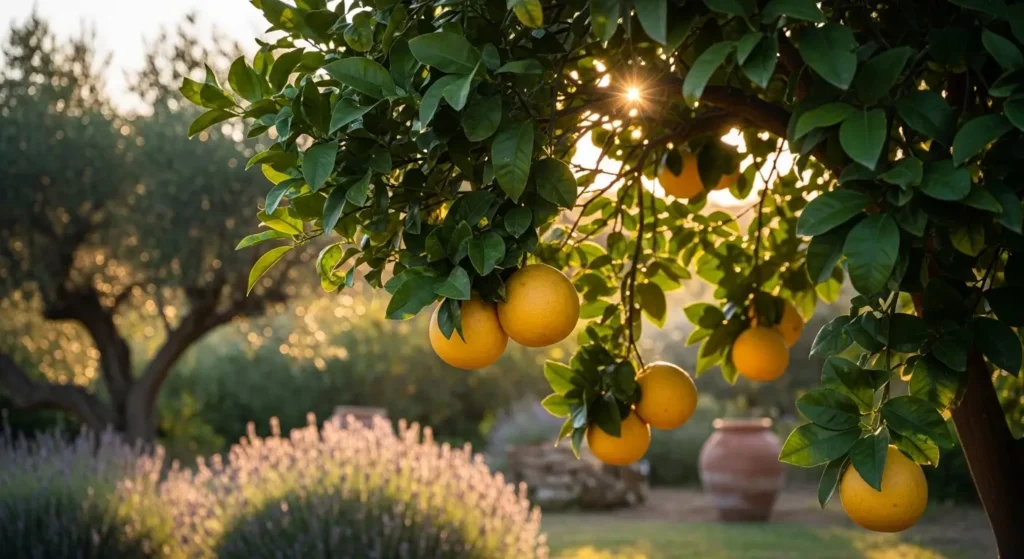
The grapefruit tree (Citrus × paradisi) is a striking, rewarding fruit tree suited to warm gardens. With fragrant blossoms, glossy foliage, and large yellow fruit, it thrives in USDA zones 9–11. A natural hybrid of sweet orange and pomelo, it needs full sun, well-draining soil, and consistent care.
Grapefruit Tree Care Card
| Detail | Info |
|---|---|
| Common Name | Grapefruit tree |
| Botanical Name | Citrus × paradisi |
| Family | Rutaceae |
| Plant Type | Evergreen fruit tree |
| Mature Size | 15–20 ft tall × 10–15 ft wide |
| Sun Exposure | Full sun |
| Soil Type | Well-draining, sandy loam |
| Soil pH | 6.0–7.0 (slightly acidic to neutral) |
| Hardiness Zones | USDA 9–11 |
| Native Area | Caribbean (Barbados) |
| Bloom Time | Spring |
| Toxicity | Toxic to dogs and cats; safe for humans in normal dietary amounts |
Grapefruit Tree Care
The grapefruit tree does very well once planted in the right spot with a consistent routine. Here’s what you need to know about sun, soil, water, temperature, and feeding. With proper placement, this tree practically manages itself through the growing season.
Light
Grapefruit trees demand a minimum of 8 hours of full sun daily insufficient light is the top cause of poor fruiting. Plant in the sunniest, south- or southwest-facing spot in your garden. In zone 9, a south-facing wall adds useful reflected warmth during cooler winter months.
Soil
Grapefruit trees thrive in well-draining, sandy loam soil with a pH of 6.0–7.0. Poor drainage is the top killer of citrus. According to the University of Florida IFAS Extension, citrus is highly sensitive to saturated soils. Amend heavy clay with sand, perlite, and compost before planting.
Water
Water deeply once or twice weekly during the growing season, letting the top 2–3 inches dry between sessions. Use the finger test to check moisture. Sandy soils may need more frequent watering in summer. Reduce to every 10–14 days in winter. Yellowing leaves signal overwatering; curling leaves signal thirst.
Temperature and Humidity
Grapefruit trees thrive between 60°F–100°F and can briefly tolerate 27°F. Prolonged frost damages young trees most. In zone 9, apply 3–4 inches of mulch and wrap trunks with frost cloth during freezes. Bougainvillea makes a beautiful cold-hardy companion planting in zones 9–11. High humidity is well tolerated.
Fertilizer
Feed your grapefruit tree with a slow-release citrus fertilizer (an NPK ratio around 6-3-3 works well) three times per year: early spring, early summer, and early fall. Stop feeding in late fall and winter when the tree slows down. Over-fertilizing with high-nitrogen products pushes leafy growth at the direct expense of fruit production.
Types of Grapefruit Tree
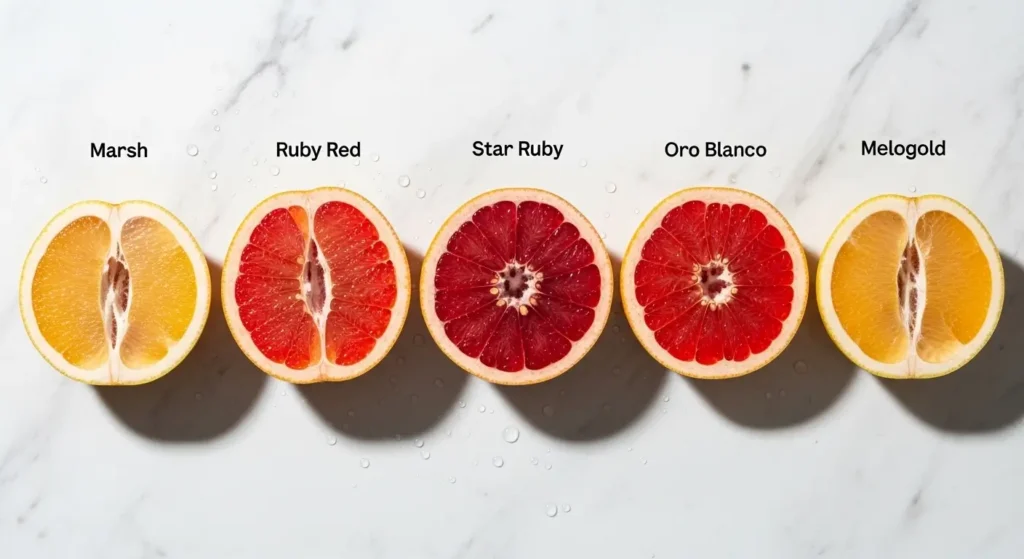
Several excellent grapefruit varieties are worth knowing before you plant. Here’s a quick overview of the most popular options:
- ‘Marsh’ (White Marsh): The most widely grown commercial grapefruit. Nearly seedless, pale yellow flesh, and a clean tangy flavor. Outstanding for juicing.
- ‘Ruby Red’: A Texas favorite with rosy-pink flesh and a noticeably sweeter, milder taste than white varieties. Also beautiful as an ornamental tree.
- ‘Star Ruby’: One of the reddest, sweetest varieties available. Very low seed count and a richly colored interior. Best in consistently warm climates with long, hot summers.
- ‘Oro Blanco’: A pomelo hybrid producing extra-sweet, low-acid fruit with a thick rind. Much like the Cara Cara orange offers a sweeter citrus alternative, Oro Blanco is the go-to choice for anyone who finds standard grapefruit too tart.
- ‘Melogold’: Another pomelo cross with large, mild-flavored fruit. A reliable performer in zone 9 gardens where slightly cooler winters are the norm.
Pruning
Prune your grapefruit tree in late winter to early spring, just before new growth emerges. This timing avoids frost damage to fresh cuts and doesn’t remove buds already forming for the season. Start by removing all dead, damaged, or crossing branches. Clear any suckers sprouting from below the graft union these will not produce quality fruit and drain energy from the main tree.
Use sharp, sterilized pruning shears for small branches and a pruning saw for anything thicker than an inch. Thin the interior canopy lightly to allow better airflow and sunlight penetration this reduces disease pressure and encourages fruit production across the whole tree, not just on outer branches. Honest tip: keep pruning light and annual. Grapefruit trees don’t need heavy cutting, and over-pruning stresses citrus more than it helps.
Propagating Grapefruit Tree
The best time to propagate a grapefruit tree is spring through early summer, when warm temperatures and active growth give cuttings and grafts the best chance of success. Most home gardeners choose stem cuttings, while commercial operations rely almost entirely on grafting for faster fruiting results.
Propagating by Stem Cuttings
Stem cuttings are accessible, low-cost, and produce true-to-type grapefruit trees with patience.
Materials needed:
- Sharp, sterilized pruning shears
- Rooting hormone powder or gel
- Small pots filled with a 50/50 mix of perlite and peat moss
- Clear plastic bag or humidity dome
Steps:
- Step 1: Select a healthy semi-hardwood stem that is 6–8 inches long with at least 2–3 leaf nodes. Cut cleanly just below a node at a 45-degree angle using sterilized shears.
- Step 2: Strip leaves from the bottom half of the cutting, keeping 2–3 leaves at the top. Dip the cut end into rooting hormone powder and gently tap off excess.
- Step 3: Insert the cutting about 2 inches deep into moist rooting mix. Water lightly, then cover with a plastic bag or humidity dome to hold warmth and moisture around the cutting.
- Step 4: Place in bright indirect light and keep the mix consistently moist not waterlogged. After 6–8 weeks, tug gently to test for root resistance.
Expect visible rooting within 6–10 weeks. Once rooted, gradually harden off the new grapefruit tree by introducing it to outdoor conditions over 1–2 weeks before transplanting.
Propagating by Grafting
Grafting is how most commercial nurseries produce grapefruit trees and for good reason. It delivers faster fruiting, stronger disease resistance, and more predictable results. Most citrus trees sold at nurseries, including the Eureka lemon tree and other popular varieties, are grafted onto trifoliate orange or sweet orange rootstock.
- Step 1: Select a healthy rootstock seedling (trifoliate orange rootstock is the most common choice for grapefruit).
- Step 2: Make a T-shaped incision through the bark of the rootstock and carefully insert a bud or scion from your desired grapefruit variety.
- Step 3: Wrap the entire graft union tightly with grafting tape to hold everything in place. Keep the grafted plant in a warm, sheltered, partially shaded spot.
- Step 4: Once the inserted bud begins to actively grow usually within 3–4 weeks remove the grafting tape and allow the new grapefruit tree to develop freely.
Grafted grapefruit trees begin fruiting in 3–5 years, a dramatic improvement over seed-grown trees, which can take up to 15 years to produce their first harvest.
Planting and Transplanting Grapefruit Tree
Plant your grapefruit tree outdoors in early spring after all frost risk has passed, or in early fall in zones 10–11 where winters are mild. Space trees 15–20 feet apart to allow full canopy development and adequate airflow between plants.
Dig a planting hole two to three times as wide as the root ball and exactly as deep. Position the tree so the graft union sits 2–3 inches above the finished soil line burying the graft union encourages disease and can eventually kill the tree. Backfill with native soil, water deeply, and apply a 3-inch layer of mulch from the trunk outward to the drip line.
Transplant established grapefruit trees in late winter before new growth begins. Younger trees move more successfully than mature ones. If you’re planning a productive fruit garden, pairing your grapefruit tree alongside other fruiting plants like the raspberry plant adds seasonal harvest variety and makes excellent use of different garden zones.
Common Pests and Diseases
Like most garden plants, the grapefruit tree can occasionally face pest or disease pressure particularly in humid, overcrowded, or poorly drained conditions.
Aphids
Look for soft, clustered insects on new growth and leaf undersides. Treat with a strong blast of water or apply neem oil spray weekly until the population is gone.
Spider Mites
These tiny pests leave fine webbing on leaves and cause stippled, dull foliage. Hot, dry conditions make outbreaks worse. Treat with insecticidal soap or neem oil, and increase irrigation frequency.
Powdery Mildew
Watch for a white, powdery coating spreading across young leaves and stems. Improve air circulation around the tree, and apply a university-recommended fungicide for citrus to control active infections.
Root Rot
Yellowing leaves combined with mushy, dark roots are the classic signs. Caused almost entirely by poor drainage or overwatering. Cut away affected roots, improve soil drainage, and reduce watering immediately.
Asian Citrus Psyllid
Look for waxy, tubular deposits on new growth and distorted, curling young leaves. This pest is a serious regional threat because it spreads citrus greening disease, which is fatal to trees. Report any suspected cases immediately to your local USDA APHIS office.
Common Problems with Grapefruit Tree
Here’s how to troubleshoot the most common grapefruit tree issues:
Poor or No Fruit Production
Insufficient sun is the top cause of poor fruiting grapefruit trees need 8+ daily sun hours. Over-fertilizing with high nitrogen suppresses fruit set. Grafted trees won’t produce meaningful harvests until years 3–5. Move to a sunnier spot, switch to a low-nitrogen citrus formula, and be patient.
Yellow Leaves
Yellow leaves typically signal overwatering or nutrient deficiency. Soggy soil means cutting back water and improving drainage. Green-veined yellowing indicates iron chlorosis apply chelated iron or sulfur to lower pH. Similar patterns appear on the loquat tree when soil turns too alkaline.
Wilting or Drooping Leaves
Wilting in a well-watered grapefruit tree usually means transplant shock or heat stress. Newly planted trees benefit from extra irrigation and temporary shade cloth for the first two to three weeks after planting. In established trees, sudden wilting with no clear watering issue can indicate root damage from pests, compacted soil, or physical injury. Inspect the root zone carefully for signs of rot or disruption.
Leggy or Sparse Growth
A grapefruit tree stretching toward light with thin, sparse foliage is not getting enough sun — it’s as simple as that. Reposition the tree or remove competing structures that cast shade. Over-fertilizing with nitrogen can also produce fast, soft, unproductive growth. Scale back feeding and do a light corrective prune to encourage denser, more productive branching.
Fruit Drop Before Harvest
Some spring fruit drop is normal as citrus self-thins. Excessive mid-season drop signals inconsistent watering irregular wet-dry cycles stress the tree. Maintain even soil moisture from fruit set through harvest, and check for aphid or mite pressure, which can also trigger early drop.
FAQ
How long does it take for a grapefruit tree to fruit?
Grafted grapefruit trees typically begin producing fruit within 3–5 years. Seed-grown trees can take up to 15 years to fruit reliably.
Are grapefruit trees hard to grow?
Not at all. They need full sun, well-draining soil, and consistent watering, but are otherwise low-maintenance once established in the right hardiness zone.
Where is the best place to plant a grapefruit tree?
Choose the sunniest spot in your garden ideally south-facing with at least 8 hours of daily direct sun and excellent soil drainage.
Does grapefruit lower triglycerides?
Some research suggests grapefruit may support healthy lipid levels, but consult a healthcare provider before using it as a treatment for elevated triglycerides.