
In This Article
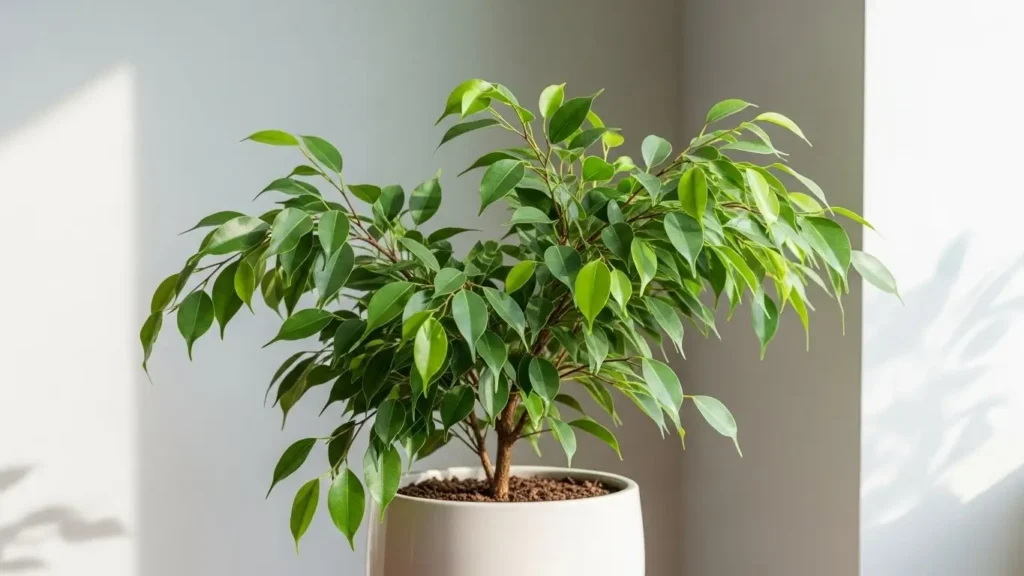
Ficus plant is beloved for its glossy foliage and versatile growth habit. Native to tropical regions, this tree features oval leaves and thrives in zones 9-11. It’s moderately easy to care for and adapts well to both indoor and outdoor settings in warm climates.
Ficus Plant Care Card
| Attribute | Details |
|---|---|
| Common Name | Ficus, Fig Tree, Rubber Plant |
| Botanical Name | Ficus spp. |
| Family | Moraceae |
| Plant Type | Evergreen tree or shrub |
| Mature Size | 2-60 feet tall, 2-40 feet wide (varies by species) |
| Sun Exposure | Full sun to partial shade |
| Soil Type | Well-draining, loamy, fertile |
| Soil pH | 6.0-7.0 (slightly acidic to neutral) |
| Hardiness Zones | 9-11 (USDA) |
| Native Area | Asia, Africa, Americas |
| Bloom Time | Inconspicuous (grown for foliage) |
| Toxicity | Toxic to pets and humans |
Ficus Plant Care
Ficus plants thrive with consistent care once established in proper conditions. Here’s what you need to know about sun, soil, water, and maintenance. With proper placement and routine attention, these beauties practically care for themselves.
Light
Ficus plants need bright, indirect light for optimal growth, requiring 4-6 hours daily. Insufficient light causes leggy growth, leaf drop, and sparse foliage. Place near south or west-facing windows indoors, or morning sun locations outdoors. Rotate weekly for even growth.
Soil
Ficus plants perform best in well-draining, loamy soil with pH 6.0-7.0. Mix potting soil with perlite at 2:1 ratio for containers. Avoid heavy clay soils. According to research from university extension services, proper soil preparation improves establishment success.
Water
Water ficus plants when the top 1-2 inches of soil feels dry, typically once or twice weekly in spring and summer. Reduce watering in fall and winter. Overwatering causes root rot, while underwatering leads to leaf drop. Use room-temperature water.
Temperature and Humidity
Ficus plants prefer temperatures between 65-85°F and suffer damage below 50°F with zero frost tolerance. They appreciate humidity above 40%. Mist leaves regularly or use humidifiers for indoor plants. Protect outdoor specimens with frost blankets during cold snaps.
Fertilizer
Feed ficus plants with balanced, water-soluble fertilizer diluted to half strength every 2-4 weeks during spring and summer. Organic options like fish emulsion or compost tea work wonderfully for steady nutrition. Stop fertilizing in fall and winter when growth naturally slows and plants enter semi-dormancy. Over-fertilizing causes salt buildup and leaf burn. The USDA recommends careful fertilization practices to maintain healthy plant growth without chemical buildup.
Types of Ficus Plant
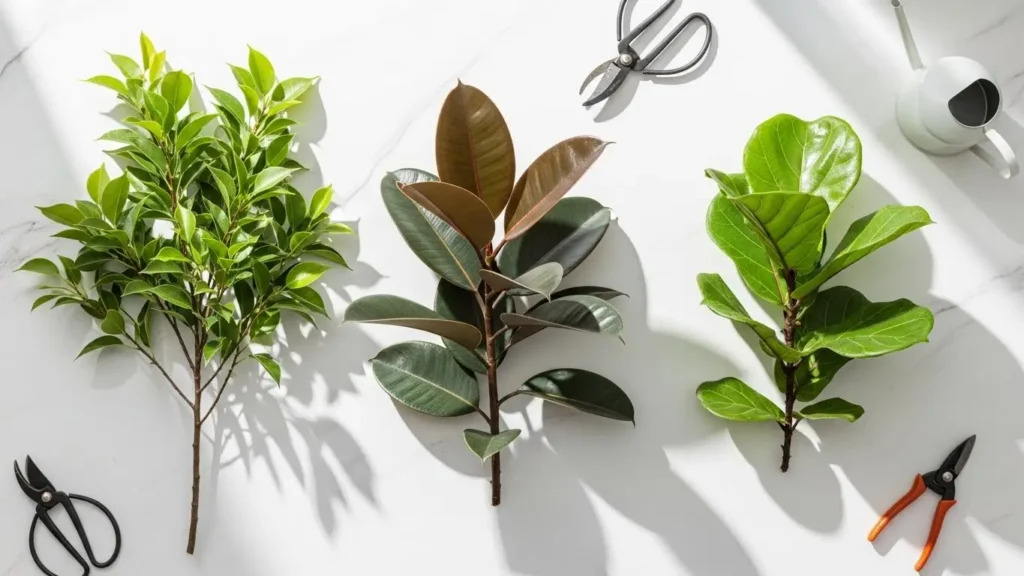
Ficus genus includes over 800 species with remarkable diversity. Here are some popular varieties for both indoor and outdoor growing:
- Weeping Fig (Ficus benjamina): Features graceful, arching branches with small, glossy green leaves that create a fountain-like appearance. This classic variety grows 6-10 feet indoors but reaches 50 feet outdoors in warm climates. It’s somewhat finicky about environmental changes.
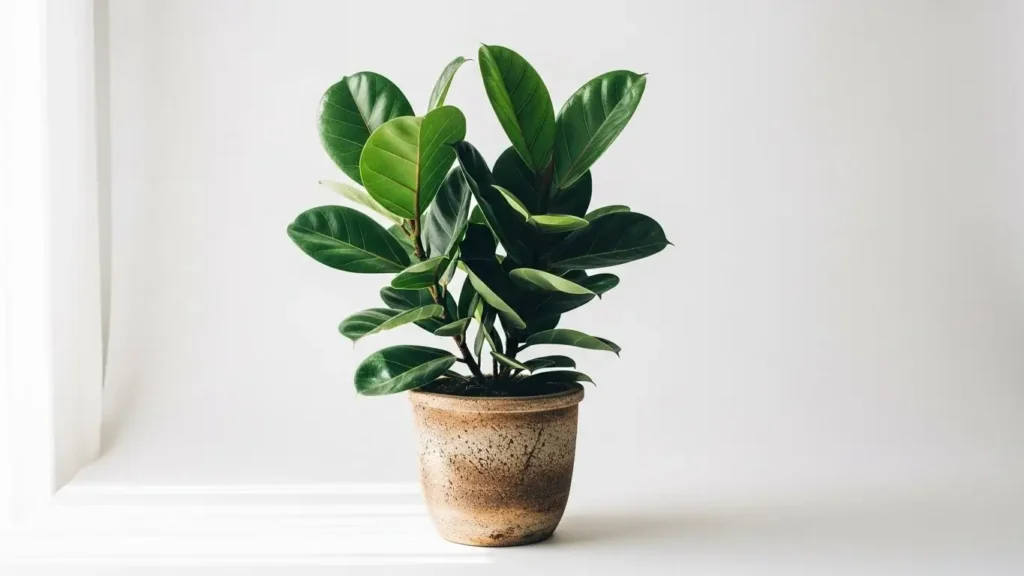
- Rubber Plant (Ficus elastica): Boasts large, thick, oval leaves in deep green or burgundy shades that can grow up to 12 inches long. This bold beauty reaches 6-10 feet indoors and tolerates lower light better than other ficus species. It’s incredibly easy to care for.
- Fiddle Leaf Fig (Ficus lyrata): Displays dramatic, violin-shaped leaves with prominent veining that make a stunning architectural statement. This trendy variety grows 6-10 feet tall indoors and demands bright, consistent light. It’s more temperamental than other types.
- Ficus Alii (Ficus maclellandii): Features long, narrow leaves that resemble willow foliage and creates an elegant, tropical appearance. This lesser-known variety is more tolerant of low light and environmental fluctuations. It’s perfect for beginners.
- Creeping Fig (Ficus pumila): Produces tiny, heart-shaped leaves on vigorous vines that climb walls and create living green screens. This ground cover species works beautifully for outdoor landscaping in zones 8-11. It’s fast-growing and low-maintenance.
Pruning
Prune ficus plants in late winter or early spring before new growth begins. Remove dead, damaged, or crossing branches to improve air circulation. Cut back leggy growth to encourage bushier forms using clean, sharp shears at 45-degree angles above leaf nodes. Pruning controls size and redirects energy to fresh growth.
Propagating Ficus Plant
The best time for propagating ficus is spring through early summer when plants are actively growing. Here are the most effective propagation methods for ficus plants:
Propagating by Stem Cuttings
Stem cuttings are the easiest and most reliable method for propagating most ficus varieties. This technique works well for both indoor and outdoor specimens.
Materials needed:
- Clean, sharp pruning shears or knife
- Small pot with drainage holes
- Well-draining potting mix
- Rooting hormone powder (optional but helpful)
- Clear plastic bag or humidity dome
Step 1: Cut a 4-6 inch stem section just below a leaf node, choosing healthy growth with several leaves. Remove the bottom leaves, leaving 2-3 leaves at the top of the cutting.
Step 2: Dip the cut end in rooting hormone powder to encourage faster root development. This step is optional but significantly improves success rates.
Step 3: Insert the cutting 2 inches deep into moist potting mix, then cover with a plastic bag to maintain high humidity. Place in bright, indirect light away from direct sun.
Step 4: Keep soil consistently moist but not waterlogged, and remove the cover once daily to prevent mold. Roots typically develop within 3-4 weeks, and you can transplant once roots are 1-2 inches long. Similar to propagating philodendron micans or pothos varieties, maintaining humidity is crucial for success.
Propagating by Air Layering
Air layering works wonderfully for larger ficus specimens like rubber plants and fiddle leaf figs. This method produces larger, more established plants compared to stem cuttings.
Step 1: Select a healthy stem about pencil-thickness and make a 1-inch upward cut through one-third of the stem’s diameter. Insert a toothpick or small stick to keep the wound open.
Step 2: Dust the wound with rooting hormone, then wrap it with moist sphagnum moss secured with plastic wrap. Ensure the moss stays consistently moist by checking weekly.
Step 3: Roots will develop within 6-8 weeks and become visible through the plastic wrap. Once roots are well-developed, cut below the root ball and pot your new ficus plant. According to horticultural research at NC State University, air layering produces the most robust new specimens.
Propagating from Seeds
Growing ficus from seeds is less common and takes considerably longer than other methods. However, it’s an interesting option for patient gardeners wanting to grow rare varieties.
Step 1: Soak fresh ficus seeds in warm water for 24 hours to soften the seed coat. Sow seeds on the surface of moist seed-starting mix without covering them.
Step 2: Keep the soil warm (75-85°F) and consistently moist under bright, indirect light. Germination can take anywhere from 2-8 weeks depending on the species.
Step 3: Transplant seedlings once they develop 2-3 sets of true leaves into individual pots. Seedlings grow slowly and may take several years to reach mature size.
Common Pests and Diseases
Like most garden plants, ficus can occasionally face pest or disease issues when stressed or grown in poor conditions.
Aphids
Look for tiny, soft-bodied insects clustering on new growth and leaf undersides that secrete sticky honeydew. Treat with insecticidal soap spray or strong water spray to dislodge pests, repeating weekly until eliminated.
Spider Mites
Watch for fine webbing between leaves and tiny specks on leaf undersides that cause stippling and yellowing. Increase humidity and spray plants with neem oil or insecticidal soap every 5-7 days for three weeks.
Scale Insects
Identify these pests as small, brown, shell-like bumps attached to stems and leaf undersides that drain plant sap. Remove manually with a cotton swab dipped in rubbing alcohol, or apply horticultural oil sprays for severe infestations.
Root Rot
Notice mushy, dark roots and yellowing leaves that indicate fungal infection from overwatering and poor drainage. Trim affected roots, repot in fresh soil, and reduce watering frequency to prevent recurrence.
Leaf Spot
Spot brown or black circular lesions on leaves caused by bacterial or fungal pathogens in humid conditions. Remove infected leaves immediately and improve air circulation while avoiding overhead watering. For more information on managing plant diseases, consult university IPM resources.
Common Problems with Ficus Plant
Here’s how to troubleshoot common ficus issues:
Poor or No Growth
Your ficus might seem stuck without new leaves. Insufficient light is the primary cause, as ficus needs bright conditions for growth. Root-bound conditions and nutrient deficiency also restrict development. Move to brighter location, transplant to larger container, and resume regular feeding.
Yellow or Browning Leaves
Yellowing leaves signal overwatering or poor drainage that suffocates roots. Underwatering causes brown, crispy edges and leaf drop. Natural aging also causes lower leaves to yellow. Check soil moisture and adjust watering. For similar tropical foliage issues, see our philodendron melanochrysum guide.
Wilting or Drooping Leaves
Notice leaves looking limp despite adequate care. Underwatering is the most common culprit when soil becomes bone-dry. Transplant shock occurs when ficus plants are moved and need adjustment time. Heat stress causes temporary wilting. Water thoroughly, provide shade during extreme heat, and allow recovery time.
Excessive Leaf Drop
Ficus plants are notorious for dropping leaves in response to environmental changes. Moving plants, temperature fluctuations, cold drafts, and inconsistent watering trigger leaf loss. Maintain consistent care routine, avoid unnecessary moves, and protect from drafts. Similar to anthurium crystallinum, ficus demands environmental stability.
Leggy or Sparse Growth
Your ficus looks thin with long gaps between leaves on stretched stems. Insufficient light forces plants to stretch toward light sources, creating weak, spindly growth. Over-fertilizing with too much nitrogen promotes excessive stem growth at the expense of foliage density. Prune back leggy stems to encourage branching, move to brighter location, and reduce fertilizer application. Just like monstera aurea, proper light makes all the difference.
Brown Leaf Tips
Brown, crispy leaf tips appear despite otherwise healthy-looking plants and proper watering habits. Low humidity in dry indoor environments causes moisture to evaporate from leaf edges faster than roots can replace it. Fluoride or chlorine in tap water accumulates in leaf tissues and causes tip burn. Salt buildup from over-fertilization also damages sensitive leaf margins. Use filtered or rainwater, increase humidity with misting or humidifiers, and flush soil monthly to remove salt accumulation.
FAQ
Is a Ficus a Good Indoor Plant?
Yes, ficus plants make excellent indoor specimens when given bright, indirect light and consistent care. They adapt well to indoor conditions and purify air effectively. However, they’re sensitive to environmental changes and may drop leaves initially.
How Do You Care for a Ficus Plant?
Provide bright, indirect light, water when top soil feels dry, and maintain temperatures between 65-85°F. Fertilize monthly during growing season and prune annually to maintain shape. Keep humidity moderate and avoid sudden environmental changes for best results.
Do Ficus Plants Need a Lot of Sunlight?
Ficus plants need at least 4-6 hours of bright, indirect light daily for healthy growth and foliage. Direct outdoor sun works for some species like Ficus elastica, but indoor varieties prefer filtered light. Insufficient light causes leaf drop and leggy growth patterns.
Why Does My Ficus Keep Dropping Leaves?
Leaf drop typically results from environmental changes, inconsistent watering, temperature fluctuations, or inadequate light exposure. Ficus plants are notoriously sensitive to moves and stress factors. Maintain stable conditions and consistent care routines to minimize leaf loss and encourage recovery.