
In This Article
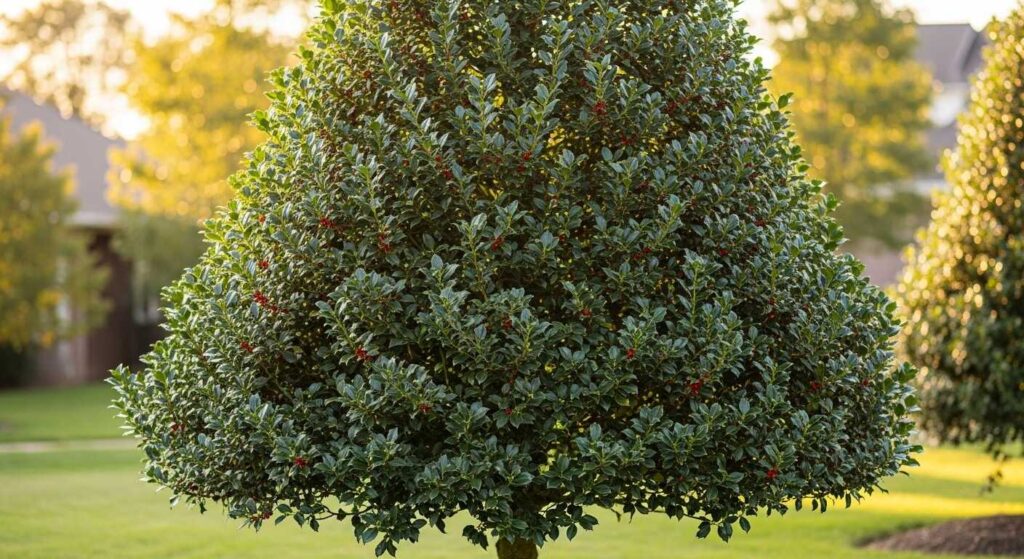
Meet the Eagleston holly tree (Ilex × attenuata ‘Eagleston’) a gorgeous evergreen loved for its glossy, dark green leaves and classic pyramidal shape. It grows at a moderate pace, reaching 15–25 feet tall and about 15 feet wide. Give it full sun to partial shade and regular watering during establishment, then it’s pretty self-sufficient. One heads-up: those berries are mildly toxic to pets, so keep curious pups away!
Eagleston Holly Tree Care
Let’s talk about keeping your Eagleston holly tree happy and thriving. The good news? This tree doesn’t ask for much. But like any plant, it does have its preferences when it comes to proper care.
Light
First things first light. The Eagleston holly tree absolutely loves full sun. We’re talking at least six hours of direct sunlight daily. That said, it can tolerate partial shade, especially in hotter climates where a little afternoon relief helps prevent leaf scorch.
If you want the best berry production (and trust me, you do), plant your tree where it gets plenty of sunshine. More sun equals more flowers, and more flowers mean more of those gorgeous red berries come winter. I’ve seen hollies planted in too much shade, and they just look leggy and sad.
Water
Watering is where a lot of folks trip up with their Eagleston holly tree. When you first plant your tree, you’ll need to water it regularly think two to three times a week during dry spells. The goal is to help those roots establish themselves in their new home.
Once your tree is settled in (usually after the first growing season), it becomes pretty drought-tolerant. You can back off to watering during extended dry periods only. Just make sure the soil drains well. Standing water is a one-way ticket to root rot city, and nobody wants that.
Soil
Speaking of soil, Eagleston holly trees prefer slightly acidic, well-draining soil. A pH between 5.0 and 6.5 is ideal for these evergreens. If your soil is heavy clay or drains poorly, mix in some compost or peat moss to lighten things up.
I always tell people to think of soil like a plant’s mattress it needs to be comfortable and supportive. Too compacted? The roots can’t breathe. Too sandy? Water runs right through without giving the roots a drink. Aim for that sweet spot in the middle.
Temperature and Humidity
The Eagleston holly tree thrives in USDA hardiness zones 7–9, which covers a big chunk of the southern and southeastern United States. It handles heat like a champ and can tolerate occasional cold snaps, though prolonged freezes below 10°F might cause some leaf damage.
As for humidity, this tree is pretty flexible. It does well in humid climates (hello, Florida and Louisiana) but also handles drier conditions once established. Basically, it’s not too picky—just don’t plant it in the desert or Alaska, and you’ll be fine.
Fertilizer
Feed your Eagleston holly tree in early spring with a slow-release, balanced fertilizer. Something like a 10-10-10 or a formula designed for acid-loving plants works great. You can give it another light feeding in mid-summer if you want to encourage extra growth.
Watch for signs of nutrient deficiency, like yellowing leaves or stunted growth. If you notice these, a soil test can help you figure out what’s missing. Sometimes a little iron or magnesium does wonders. Much like the Japanese Blueberry Tree, hollies appreciate consistent feeding during their active growing season.
Types of Eagleston Holly
Now, here’s the thing—Eagleston holly is already a cultivar of Ilex × attenuata, which is a hybrid between American holly and dahoon holly. But within the world of hollies, there are tons of other varieties you might come across when shopping for your Eagleston holly tree.
Some cultivars lean more compact, topping out around 10–12 feet. Others grow taller and narrower, perfect for tight spaces. If you’re shopping around, you might also see ‘East Palatka’ or ‘Savannah’ hollies, which are cousins of the Eagleston tree. Each has its own quirks—some produce more berries, others have darker foliage.
The Eagleston holly tree stands out because of its reliably pyramidal shape and dense branching. It’s a favorite for privacy screens and hedgerows. You’ll love it if you want structure without constant pruning.
One more thing Eagleston is technically a female cultivar, so it produces berries. But here’s the catch: you need a male holly nearby for pollination. If you want those red berries on your tree, plant a male pollinator like ‘Foster #2’ within 30–50 feet. Otherwise, you’ll just have a pretty green tree with no festive winter color.
Pruning
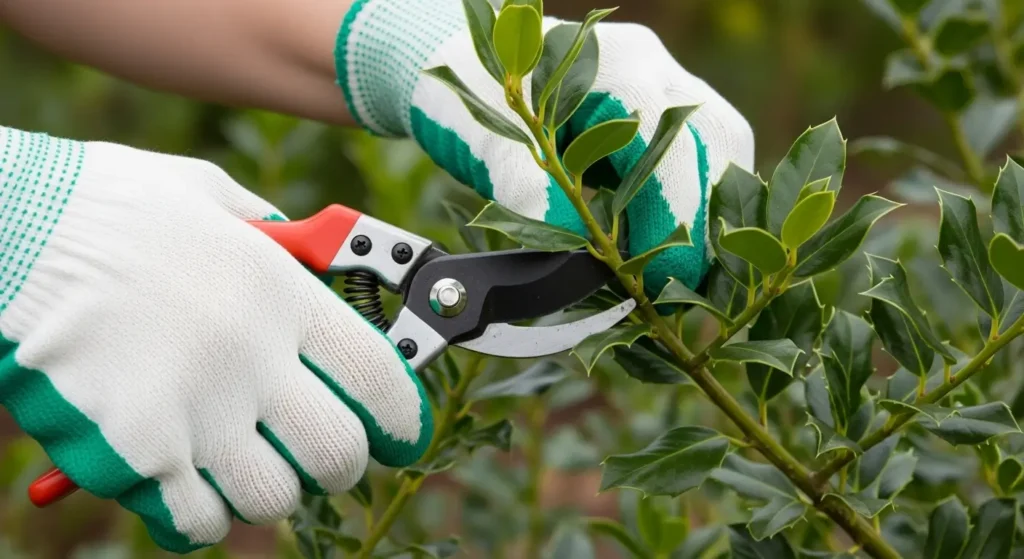
Let’s face it—pruning can feel intimidating. But with the Eagleston holly tree, it’s pretty straightforward. The main reasons to prune are to maintain shape, improve airflow, and remove any dead or diseased branches.
The best time to prune your Eagleston holly tree is late winter or early spring, before new growth starts. You can also do light shaping in summer if needed. Just avoid heavy pruning in fall, as that can stimulate new growth that won’t harden off before winter.
Use clean, sharp pruning shears or loppers. Make your cuts just above a leaf node or lateral branch. This encourages the tree to branch out and fill in nicely. If you’re creating a hedge with your tree, you can shear the sides to keep things uniform, but honestly, its natural shape is so nice that you might not need to do much at all.
Common mistakes? Over-pruning is a big one. Some folks get a little too enthusiastic and hack away, leaving their Eagleston holly tree looking sparse and stressed. Remember: less is more. You can always take off more later, but you can’t glue branches back on.
Propagating Eagleston Holly Tree
Want more Eagleston holly trees? Propagation is totally doable, though it does take some patience. The most reliable method is stem cuttings, which is how nurseries produce these trees to keep the traits consistent.
Here’s how to do it: In late summer or early fall, take 4–6 inch cuttings from semi-hardwood growth. Choose healthy, disease-free stems from your Eagleston holly tree. Strip off the lower leaves, dip the cut end in rooting hormone, and stick it in a pot filled with a mix of peat moss and perlite.
Keep the cuttings in a warm, humid environment a plastic bag over the pot works great. Mist them regularly and keep the soil lightly moist. Roots should start forming in 6–8 weeks. Once they’re established, you can transplant them into larger pots or directly into the ground.
Seed propagation is possible but less common for the Eagleston holly tree. Holly seeds need cold stratification (a period of cold, moist conditions) to germinate, and the resulting trees might not have the exact traits of the parent. So if you want a true Eagleston, stick with cuttings.
Potting and Repotting Eagleston Holly Tree
Most people plant Eagleston holly trees directly in the ground, but you can grow them in large containers if you’re short on space or want a movable privacy screen. Just know that container-grown trees won’t get as large as their in-ground counterparts.
Choose a pot that’s at least 20–24 inches in diameter with plenty of drainage holes for your Eagleston holly tree. Use a lightweight, well-draining potting mix—something formulated for shrubs or acid-loving plants works well. You can add perlite or coarse sand to improve drainage.
Repot every 2–3 years or when the tree becomes root-bound. Signs include roots growing out of the drainage holes or the tree drying out super quickly after watering. When repotting your tree, go up one container size and refresh the soil. According to research from North Carolina State University Extension, proper container size and soil quality are critical for maintaining healthy holly trees in non-ground settings.
Be gentle during the process to avoid transplant shock. Water well after repotting and keep the tree in a shaded spot for a few days while it adjusts.
Common Pests and Diseases
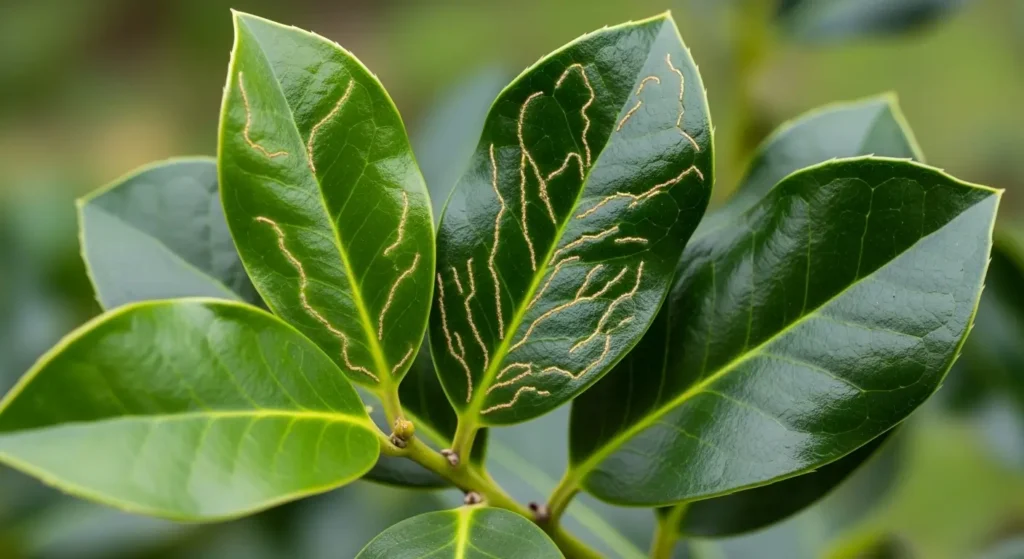
No plant is completely pest-proof, and the Eagleston holly tree is no exception. But the good news is that it’s relatively resistant to most problems.
Pests to watch for on your Eagleston holly tree:
- Holly leaf miner: These tiny larvae tunnel through leaves, creating winding trails. It’s more cosmetic than fatal, but it’s annoying. Prune off affected leaves and consider a systemic insecticide in spring.
- Scale insects: These look like small bumps on stems and leaves. They suck sap and weaken the tree. Scrape them off or use horticultural oil.
- Spider mites: These show up as tiny webs and stippled leaves. Spray the tree with a strong stream of water or use insecticidal soap.
Diseases:
- Leaf spot: Fungal infections cause brown or black spots on leaves. Improve air circulation and avoid overhead watering. Remove infected leaves from your Eagleston holly tree.
- Root rot: Caused by overwatering or poor drainage. Prevent it by planting in well-draining soil and not letting the tree sit in water.
Integrated pest management is your friend here. Start with the least toxic methods—hand-picking, pruning, beneficial insects and move to chemical controls only if needed.
Common Issues with Eagleston Holly Tree
Even with great care, you might run into a few hiccups with your Eagleston holly tree. Here are the most common ones and how to fix them.
Yellowing leaves: This usually means overwatering, underwatering, or a nutrient deficiency. Check the soil moisture and adjust your watering schedule. If that’s not it, a soil test can reveal if your Eagleston holly tree needs iron or nitrogen.
Root rot: If the tree looks wilted despite moist soil, root rot might be the culprit. Unfortunately, this is tough to reverse. Your best bet is prevention plant your Eagleston holly tree in well-draining soil and don’t overwater.
Slow growth or stunted appearance: This can be due to poor soil, lack of sunlight, or insufficient fertilizer. Make sure your Eagleston holly tree is getting at least six hours of sun and feed it regularly during the growing season.
Leaf drop: Some leaf drop in spring is normal as the tree pushes out new growth. But if leaves are dropping heavily from your Eagleston holly tree, it could be stress from drought, transplant shock, or a sudden temperature change. Keep watering consistent and give the tree time to adjust.
FAQ
How big do Eagleston holly trees get?
Typically, an Eagleston holly tree reaches 15–25 feet tall and up to 15 feet wide at maturity. Growth rate is moderate to fast, so you’ll see noticeable progress each year. If you’re planting a hedge, this size works perfectly for creating a solid privacy screen.
Is Eagleston holly toxic to dogs?
Yes, the berries and leaves of the Eagleston holly tree are mildly toxic if ingested by dogs or cats. Symptoms can include vomiting, diarrhea, and drooling. It’s not usually life-threatening, but it’s best to keep pets from munching on it. If your dog has a habit of eating plants (looking at you, Labrador owners), consider planting something pet-safe like a Snake Plant indoors instead.
Is Eagleston holly a good tree?
Absolutely! The Eagleston holly tree is low-maintenance, drought-tolerant once established, and provides year-round interest with its evergreen foliage and winter berries. It’s also great for wildlife birds love those berries. Plus, its natural pyramidal shape means less pruning for you. Honestly, it’s a winner.
How far apart should I plant an Eagleston holly tree?
For a privacy hedge, plant Eagleston holly trees 5–6 feet apart. This allows them to fill in nicely while still having room to breathe. If you’re planting them as standalone ornamental trees, give each Eagleston holly tree at least 10–15 feet of space so they can reach their full mature width without crowding.
3 thoughts on “Eagleston Holly Tree: Complete Care & Growing Guide”
Comments are closed.