
In This Article
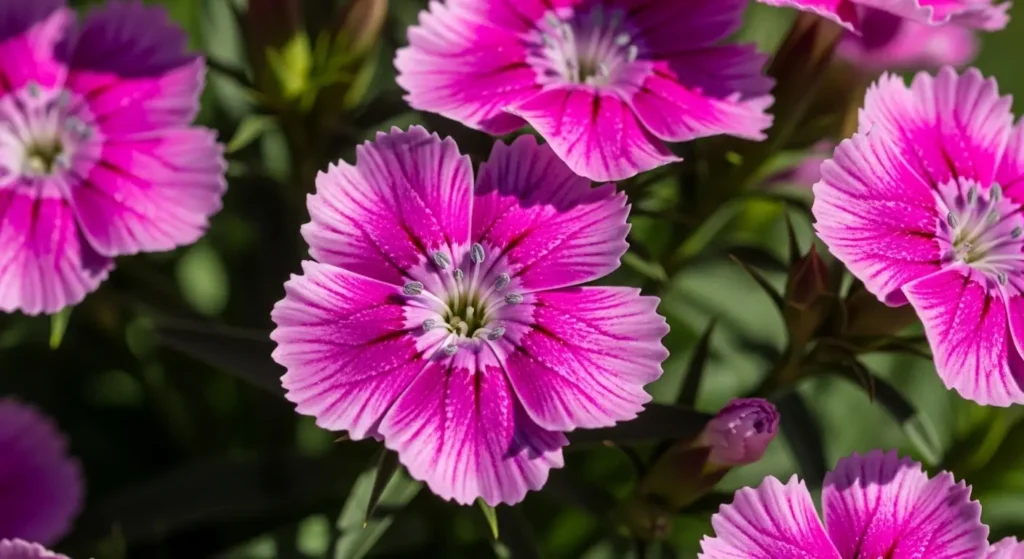
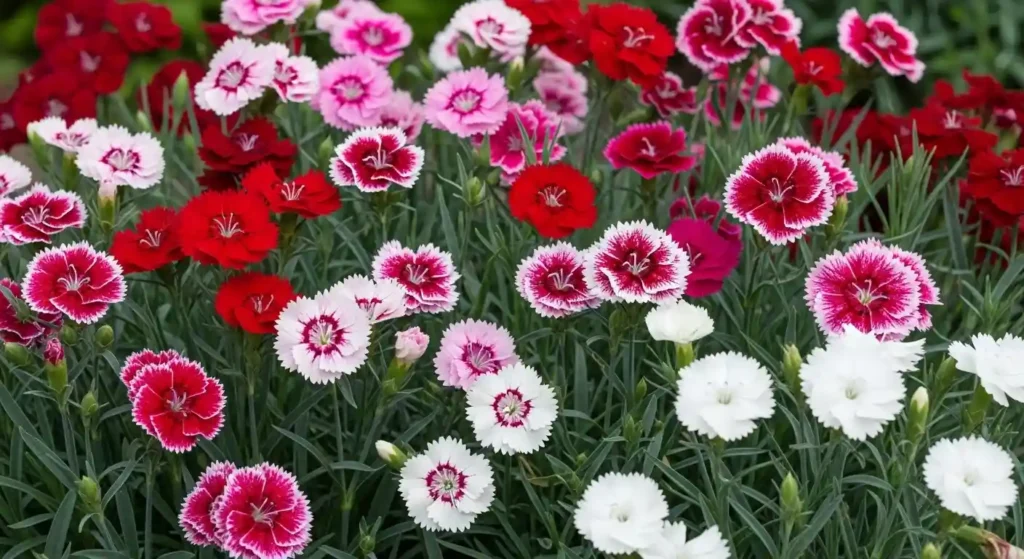
Dianthus plants (Dianthus spp.), also called pinks or carnations, are fragrant, fringed perennials native to Europe and Asia. Their blooms come in pink, red, white, and bicolor atop neat blue-green stems. Hardy in zones 3–9, they’re easy to grow and perfect for beginners and seasoned gardeners alike.
Dianthus Plant Care Card
| Detail | Info |
|---|---|
| Common Name | Pinks, Carnation, Sweet William |
| Botanical Name | Dianthus spp. |
| Family | Caryophyllaceae |
| Plant Type | Perennial, annual, biennial |
| Mature Size | 6–24 inches tall × 6–18 inches wide |
| Sun Exposure | Full sun |
| Soil Type | Well-draining, sandy or loamy |
| Soil pH | 6.75–7.0 (slightly alkaline) |
| Hardiness Zones | 3–9 (USDA) |
| Native Area | Europe, Asia |
| Bloom Time | Spring, summer; reblooms with deadheading |
| Toxicity | Mildly toxic to dogs and cats |
Dianthus Plants Care
Dianthus plants are easy to grow once they’re settled into the right sunny spot. Here’s what you need to know about light, soil, water, and maintenance. With proper placement and a little deadheading, these colorful perennials practically take care of themselves.
Light
Dianthus plants need full sun at least 6 hours daily. Less light means leggy growth, fewer blooms, and more disease. Place them in a south- or west-facing bed for best results. In hot climates, light afternoon shade helps. Similar to iris flowers, they thrive with good air circulation.
Soil
Dianthus plants prefer well-draining, sandy or loamy soil with a slightly alkaline pH of 6.75–7.0. Soggy roots are a dealbreaker. According to University of Minnesota Extension, amending clay soil with coarse sand and compost improves drainage significantly. Avoid low-lying spots where water pools after rain.
Water
Water dianthus plants once or twice per week, letting the top inch of soil dry out between waterings. These perennials are drought-tolerant once established, so scale back in fall and winter. Yellow, mushy stems signal overwatering; morning wilting means too little. When in doubt, underwater rather than over.
Temperature and Humidity
Dianthus plants thrive between 45°F and 85°F and are cold-hardy down to zone 3. They dislike extreme heat and high humidity, which triggers fungal problems. In hot climates, good air circulation is key. Apply a 2-inch mulch layer in late fall, keeping it away from the crown.
Fertilizer
Feed dianthus plants with a balanced, slow-release granular fertilizer (10-10-10) in early spring as new growth appears. One application at the start of the growing season is usually enough. Avoid over-fertilizing too much nitrogen produces lush green foliage at the expense of blooms. Stop feeding entirely in late summer to let plants prepare for dormancy.
Types of Dianthus Plants

There are hundreds of dianthus varieties available, ranging from ground-hugging mats to upright cottage-garden favorites. Here are some of the most popular:
- Dianthus deltoides (Maiden Pinks): A low-growing, mat-forming perennial with small, bright pink or red flowers. Extremely hardy and great for rock gardens.
- Dianthus plumarius (Cottage Pinks): Fragrant, fringed flowers in pink, white, and bicolor. Classic cottage-garden variety, grows 12–18 inches tall.
- Dianthus barbatus (Sweet William): A biennial or short-lived perennial with dense, domed flower clusters in bold red, pink, and white. Wonderful for cutting gardens.
- Dianthus caryophyllus (Carnation): The classic florist’s carnation with large, fully double blooms. Best in zones 7–10 as a perennial.
- Dianthus ‘Firewitch’: A compact cultivar with vivid magenta-pink flowers and silvery-blue foliage. Reblooms reliably and won the Perennial Plant of the Year award.
Pruning
The best time to prune dianthus plants is right after the first flush of blooms in late spring or early summer. Deadhead spent flowers regularly throughout the season—this is the single most effective thing you can do to keep them blooming. Cut back the entire plant by about one-third after heavy blooming to encourage a fresh round of growth and flowers.
Use clean, sharp scissors or pruning shears to make cuts just above a leaf node. For shaggy or overgrown plants, a hard cutback in early fall tidies up the shape and helps the plant overwinter more cleanly. Creeping thyme and dianthus make great garden companions that both benefit from similar post-bloom trimming.
Propagating Dianthus Plants
The best time to propagate dianthus plants is late spring or early summer, when plants are actively growing and stems are healthy. You can propagate this perennial by stem cuttings, division, or from seed all three methods work well.
Propagating by Stem Cuttings
Stem cuttings are the fastest and most reliable method for propagating dianthus plants, especially named varieties that you want to replicate exactly.
Materials needed:
- Sharp, clean scissors or a knife
- Small pots filled with moist perlite or seed-starting mix
- Rooting hormone powder (optional but helpful)
- Clear plastic bag or humidity dome
Step 1: Select a healthy, non-flowering stem about 4–6 inches long. Make a clean cut just below a leaf node, ideally in the morning when stems are hydrated.
Step 2: Strip the lower leaves from the bottom two inches of the cutting, leaving two or three sets of leaves at the top. Dip the cut end into rooting hormone powder if you have it.
Step 3: Insert the cutting about an inch deep into moist perlite or seed-starting mix. Firm the mix gently around the base so the cutting stands upright.
Step 4: Cover loosely with a plastic bag to hold humidity and place in bright indirect light. Check moisture every few days mist lightly if the mix feels dry. Roots typically form within 3–4 weeks.
Propagating by Division
Division works best for mature dianthus plants that have been in the ground for 2–3 years. This method also refreshes older plants that may be getting woody in the center.
- Dig up the entire clump in early spring or early fall.
- Gently pull or cut the root ball into sections, making sure each division has healthy roots and several shoots.
- Replant divisions at the same depth they were growing before and water thoroughly.
- Divided plants typically establish quickly and bloom the same season if divided in spring.
Propagating from Seeds
Growing dianthus plants from seed is rewarding and inexpensive, though it takes a bit more patience.
- Start seeds indoors 8–10 weeks before the last frost date in your area.
- Sow seeds on the surface of moist seed-starting mix and press them gently in do not cover, as dianthus seeds need light to germinate.
- Keep the tray at 65–70°F. Germination usually takes 7–14 days.
- Transplant seedlings outdoors after the last frost when they have at least two sets of true leaves.
Planting and Transplanting Dianthus Plants

Plant dianthus plants outdoors in spring after the last frost or in early fall at least 6 weeks before the first frost. Fall planting gives plants time to establish roots before winter. Space plants 12–18 inches apart to allow for good air circulation, which reduces the risk of fungal disease.
Dig a hole twice as wide as the root ball and just as deep. Set the plant at the same depth it was growing in the container never bury the crown. Backfill with amended soil, firm gently, and water thoroughly. According to USDA Plant Guide resources, proper planting depth is one of the most important factors in long-term perennial success.
Transplant or divide established clumps every 2–3 years to prevent overcrowding and maintain vigor.
Common Pests and Diseases
Like most garden plants, dianthus plants can occasionally face pest or disease issues but they’re generally pretty tough. Here’s what to watch for.
Aphids
Look for clusters of small, soft-bodied insects on new growth and flower buds. Treat with a strong blast of water or neem oil spray; repeat weekly until they’re gone.
Spider Mites
Look for fine webbing on stems and yellowing foliage, especially during hot, dry weather. Treat with insecticidal soap or neem oil, making sure to coat the undersides of leaves thoroughly.
Powdery Mildew
Look for a white, chalky powder coating the leaves, often appearing in late summer. Treat by improving air circulation and applying a baking soda solution (1 tsp per quart of water) or a fungicide labeled for powdery mildew.
Root Rot
Look for wilting, yellowing, and mushy stems at the soil line usually caused by overwatering or poorly draining soil. Treat by reducing watering immediately, improving drainage, and removing affected plant material.
Caterpillars/Leaf Miners
Look for ragged holes in leaves or winding trails within leaf tissue. Treat with Bacillus thuringiensis (Bt) for caterpillars, or remove and destroy affected leaves for leaf miners.
Common Problems with Dianthus Plants
Here’s how to troubleshoot common issues with dianthus plants:
Poor or No Blooms
This is the most common complaint with dianthus plants, and it almost always comes down to one of three things. Insufficient sun is the top culprit these plants need at least 6 hours of direct light to bloom well. Over-fertilizing with nitrogen pushes leafy growth instead of flowers; switch to a low-nitrogen formula if blooms are sparse. Additionally, skipping deadheading causes the plant to put energy into seed production rather than new blooms. Remove spent flowers regularly and you’ll see a dramatic difference.
Yellow or Browning Leaves
Yellow leaves on dianthus plants are usually a sign of overwatering or poor drainage the roots are sitting in too much moisture. Check that your soil drains quickly after watering. Nutrient deficiency, particularly iron or magnesium, can also cause yellowing, especially in overly alkaline soil. A soil test and targeted amendment can help. Brown, crispy leaf tips often point to heat stress or underwatering during peak summer months.
Wilting or Drooping
Wilting during the hottest part of a summer afternoon is often normal many plants droop in extreme heat and perk back up in the evening. However, if wilting persists in the morning, the plant likely needs more water. Transplant shock is another common cause for newly planted dianthus; keep the soil consistently moist for the first two weeks after planting and avoid disturbing the roots. Similar drooping issues can also affect liatris plants during dry spells.
Leggy or Sparse Growth
Leggy, stretched-out growth with few flowers almost always points to insufficient light. Move the plant to a sunnier location if possible. Additionally, over-fertilizing with nitrogen produces long, weak stems cut back on feeding and prune the plant back by one-third to encourage bushy, compact regrowth. Gerbera daisies face the same legginess problem in shady spots, so sun placement matters for both.
Frost Damage
Dianthus plants are generally cold-hardy, but late spring frosts can damage new growth. Frost-damaged foliage looks blackened, mushy, or papery. Trim off damaged tissue once the threat of frost has passed, and the plant will usually recover quickly with fresh new growth from the base. For extra protection in colder zones, cover plants overnight with a frost cloth when late freezes are forecast.
FAQ
Does dianthus come back every year?
Yes, most dianthus plants are perennials that return annually in zones 3–9. Some varieties grown as annuals won’t overwinter in colder climates.
Is dianthus a sun or shade plant?
Dianthus is a full-sun plant, needing at least 6 hours of direct sunlight daily. Shade reduces bloom production significantly.
How do you keep dianthus blooming all summer?
Deadhead spent flowers regularly and cut plants back by one-third after peak bloom. This encourages continuous flowering all season long.
What do you do with dianthus in the winter?
Cut plants back lightly after the first hard frost, then mulch around the base. Most dianthus plants overwinter well with minimal protection in their hardiness zones.