
In This Article
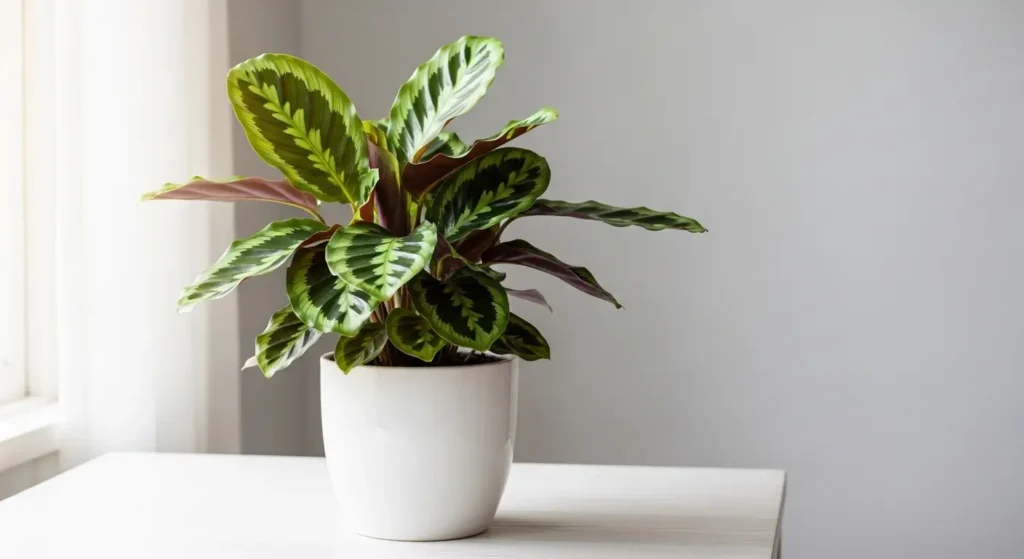
The calathea plant (Calathea spp.) is a stunning tropical houseplant native to South American rainforests. Its bold, patterned leaves and famous “prayer plant” movement folding up at night make it truly one-of-a-kind. Care-wise, it’s moderate difficulty, but absolutely worth it.
Plant Care Card
| Feature | Details |
|---|---|
| Common Name | Calathea, Prayer Plant, Zebra Plant |
| Botanical Name | Calathea spp. (e.g., Calathea orbifolia, C. lancifolia) |
| Family | Marantaceae |
| Plant Type | Tropical perennial |
| Mature Size | 1–3 ft tall × 1–2 ft wide |
| Sun Exposure | Bright indirect light |
| Soil Type | Moist, well-draining potting mix |
| Soil pH | 6.0–7.0 (slightly acidic to neutral) |
| Hardiness Zones | USDA Zones 11–12 (indoors elsewhere) |
| Native Area | Tropical Americas (Brazil, Colombia, Peru) |
| Toxicity | Non-toxic to cats, dogs, and humans |
Calathea Plant Care
Good news: the calathea plant is totally manageable once you understand what it needs. The sections below cover everything light, water, humidity, soil, and more so you can keep your plant happy year-round. You’ve got this!
Light
The calathea plant thrives in bright indirect light, making it perfect for rooms with filtered sunshine. A north- or east-facing window is ideal. If light is too harsh, those gorgeous leaf patterns can fade or scorch.
On the flip side, too little light slows growth and dulls the colors. Avoid placing it in a dark corner far from any windows. A spot a few feet back from a sunny south or west window (with a sheer curtain) works beautifully.
Soil
Calathea does best in a moist, well-draining potting mix that holds some moisture without becoming soggy. Good drainage is non-negotiable sitting in waterlogged soil is a fast way to get root rot.
A simple DIY mix? Try 2 parts peat (or coco coir), 1 part perlite, and 1 part regular potting soil. This keeps things airy and moisture-retentive at the same time. According to the University of Florida IFAS Extension’s guide on indoor plant soil requirements, well-structured, well-aerated soil is key for healthy root development in tropical houseplants.
Water
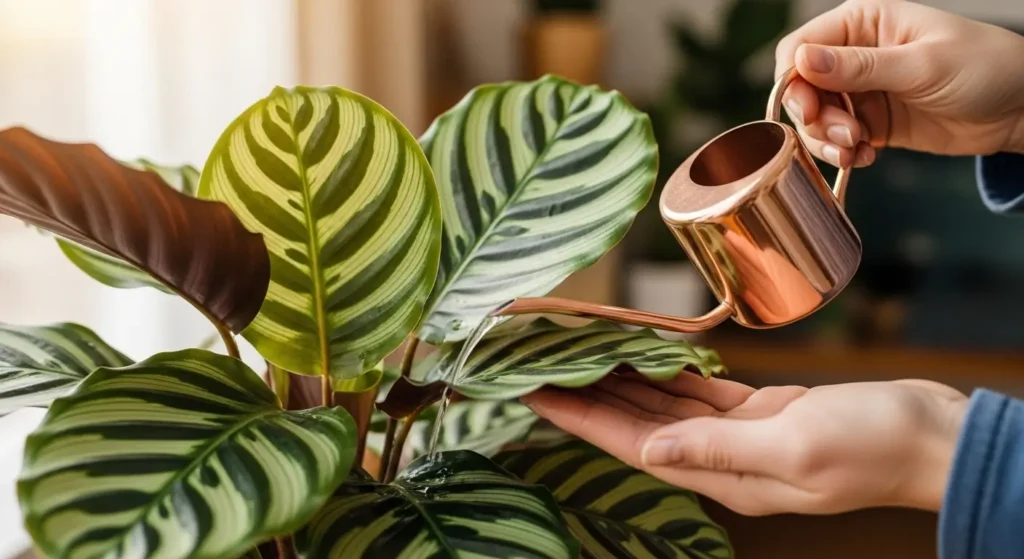
Watering is where most people struggle with the calathea plant but honestly, it’s simple once you get the feel for it. Water when the top 1–2 inches of soil feel dry. Don’t let it dry out completely, but don’t keep it soaking wet either.
Overwatering causes yellowing leaves and mushy stems. Underwatering leads to crispy, curling leaves. In summer, you’ll likely water every 5–7 days; in winter, stretch it to every 10–14 days.
One more thing: calathea is sensitive to fluoride and chlorine in tap water. Use filtered or distilled water when possible, or let tap water sit overnight. Similar watering sensitivity applies to the Swiss Cheese Plant, another tropical beauty that prefers consistently moist (but not wet) soil.
Temperature and Humidity
Calathea prefers temperatures between 65–80°F (18–27°C). Avoid cold drafts, air conditioning vents, and windowsills that get frosty in winter these can stress the plant quickly.
Humidity is a big deal here. Aim for 50–60% relative humidity or higher. Most homes run drier than that, so a small humidifier nearby works wonders. Alternatively, grouping plants together or placing a pebble tray with water under the pot can help bump up moisture levels.
Fertilizer
Feed your calathea plant with a balanced liquid fertilizer (10-10-10) diluted to half strength every 4 weeks during spring and summer. In fall and winter, skip feeding entirely the plant isn’t actively growing and doesn’t need it.
Types of Calathea
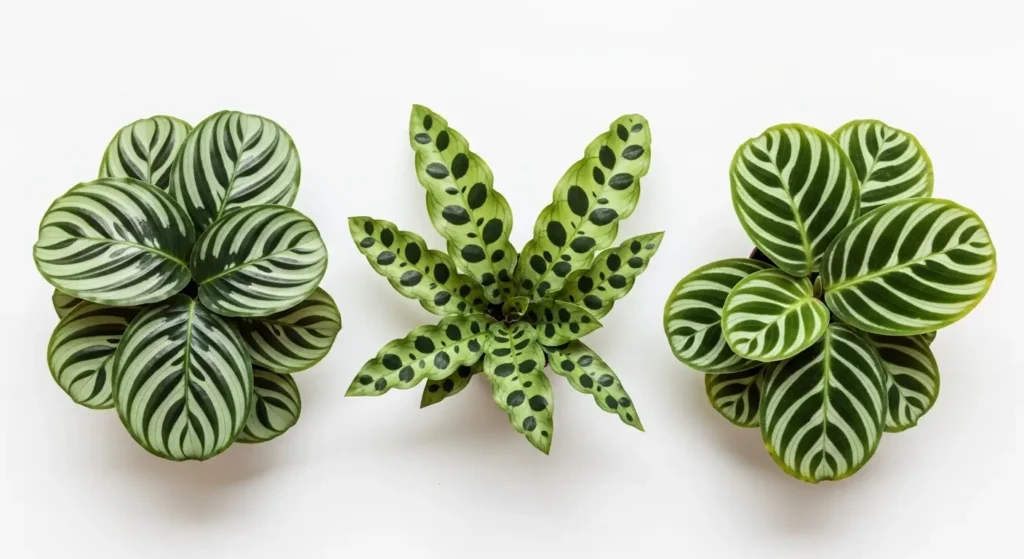
There are dozens of beautiful calathea varieties out there. Here are some of the most popular:
- Calathea orbifolia (Calathea orbifolia): Large, round leaves with silver-green striped patterns. One of the most striking varieties for any indoor space.
- Calathea lancifolia – Rattlesnake Plant (Calathea lancifolia): Long, wavy green leaves with dark spots. Super dramatic and relatively easy to care for.
- Calathea zebrina – Zebra Plant (Calathea zebrina): Bold green and pale yellow stripes on velvety leaves. A real showstopper.
- Calathea medallion (Calathea veitchiana): Deep green tops with purple undersides and a gorgeous medallion-like pattern.
- Calathea ornata – Pinstripe Plant (Calathea ornata): Dark green leaves with fine pink or white pinstripes. Elegant and eye-catching.
Propagating Calathea Plant
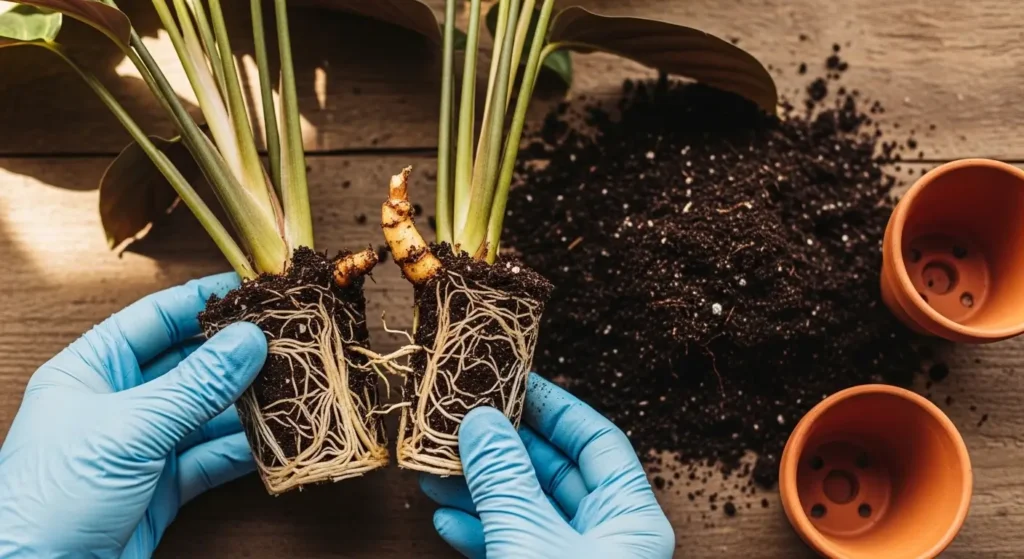
The best time to propagate is during spring or early summer when the plant is actively growing. Division is the most reliable method for calathea stem cuttings don’t work well for this genus.
Propagating by Division
Division is simple, low-stress, and gives you a brand-new plant fast. Here’s what you’ll need:
- Materials:
- Sharp, clean knife or scissors
- Fresh potting mix (peat + perlite blend)
- 2 clean pots with drainage holes
- Warm water
Step 1: Remove your calathea plant from its pot gently. Shake off excess soil so you can see the root clumps clearly.
Step 2: Identify natural clumps or sections of the plant. Each division needs at least 2–3 healthy leaves and a good root system attached.
Step 3: Use your clean knife to carefully separate the clumps. Try not to rip or tear roots more than necessary clean cuts heal faster.
Step 4: Pot each division into fresh, moist potting mix. Water lightly and place in a warm spot with bright indirect light.
Expect the divisions to look a little droopy for the first week that’s normal. New growth should appear within 3–6 weeks. This same propagation method works just as well for the Umbrella Plant, another tropical houseplant that divides easily in spring.
Potting and Repotting Calathea Plant
Repot your calathea plant every 1–2 years, or when you see roots poking out of drainage holes. Slow growth during the active season is another sign it’s time to size up.
When repotting, go up just 1–2 inches in pot size nothing bigger. A pot that’s too large holds excess moisture and raises the risk of root rot. Always choose a pot with drainage holes.
To repot, gently remove the plant, loosen the root ball slightly, and place it in fresh mix. Water it in well and let it settle for a few days before returning to its usual spot.
Common Pests and Diseases
Like most houseplants, the calathea plant can occasionally attract pests especially in dry indoor conditions. Here’s what to watch for:
Spider Mites
Look for fine webbing and tiny specks on leaf undersides. Treat with a neem oil spray or insecticidal soap, applied weekly until clear.
Mealybugs
White cottony clusters appear in leaf joints. Remove them with a cotton swab dipped in rubbing alcohol, then treat with neem oil.
Scale Insects
Brown bumps stick to stems and leaf undersides. Scrape off manually, then apply horticultural oil to prevent regrowth.
Aphids
Tiny green or black bugs cluster on new growth. Rinse under water, then spray with insecticidal soap every few days.
Fungus Gnats
Small flies hover around the soil. Let the top layer dry out between waterings and use sticky traps to reduce adult populations.
For more guidance on managing indoor plant pests, the University of California IPM Program offers excellent general advice on integrated pest management for houseplants.
Common Problems with Calathea Plant
Here’s how to troubleshoot common issues:
Yellow Leaves
Yellow leaves are the most common complaint with the calathea plant and they can have several causes. Overwatering is the top culprit: soggy soil starves roots of oxygen. Check soil moisture before you water. A nutrient deficiency can also cause yellowing, especially if you haven’t fertilized in months. Finally, natural aging of lower leaves is totally normal. Trim them off and move on. Just like Rubber Plant owners deal with yellow lower leaves, it’s usually nothing to panic about.
Brown Leaf Tips
Brown tips are super common with calathea. Low humidity is the most frequent cause dry air dries out leaf edges fast. Tap water quality is another issue; fluoride and chlorine can scorch tips over time. Switch to filtered water if you haven’t already. Underwatering can also cause browning, especially during summer heat. Trim brown tips with scissors at an angle to keep leaves looking tidy.
Drooping or Wilting Leaves
Drooping usually points to a watering problem either too much or too little. Underwatering causes leaves to droop and feel thin. Overwatering makes them heavy and limp with yellowed stems. Check the soil: if it’s bone dry, water immediately; if soggy, let it dry out and check roots for rot. The Goldfish Plant experiences similar drooping when watering is off same fix applies.
Leggy Growth / Sparse Foliage
If your calathea plant is getting long and leggy with widely spaced leaves, it’s not getting enough light. Move it closer to a bright window (avoiding direct sun). You can also trim leggy stems to encourage bushier growth from the base.
FAQ
Why are Calatheas hard to care for?
Calatheas are picky about humidity, water quality, and light. Once you meet those needs consistently, they’re actually quite manageable and rewarding.
Where should I put Calathea in my house?
Place your calathea plant near a north or east-facing window with bright, indirect light. Avoid direct sun and cold drafts from vents.
How do you take care of a Calathea plant?
Water when the top inch is dry, keep humidity above 50%, use indirect light, and fertilize monthly in spring and summer. Simple!
Is Calathea a good indoor plant?
Absolutely! Calathea is a stunning, non-toxic indoor plant with striking foliage. It thrives in low-to-medium light, making it great for most homes.
3 thoughts on “How to Grow and Care for Calathea Plant”
Comments are closed.