
In This Article
If you’ve ever seen delicate flowers dancing in the breeze, you’ve met the butterfly plant (Gaura lindheimeri). Native to Texas and Louisiana, this airy perennial thrives in hot, sunny conditions. Honestly, it looks fancier than it is to care for, making it perfect for beginners and experienced gardeners alike.
Plant Care Card
| Detail | Info |
|---|---|
| Common Name | Butterfly Plant, Whirling Butterflies |
| Botanical Name | Gaura lindheimeri |
| Family | Onagraceae |
| Plant Type | Herbaceous perennial |
| Mature Size | 2–4 ft tall × 2–3 ft wide |
| Sun Exposure | Full sun |
| Soil Type | Well-draining, sandy or loamy |
| Soil pH | 6.0–7.5 |
| Hardiness Zones | USDA Zones 5–9 |
| Native Area | Texas and Louisiana, USA |
| Toxicity | Non-toxic to pets and humans |
Butterfly Plant Care
Good news butterfly plant care is genuinely easy, making it perfect for beginners and busy gardeners alike. The sections below cover everything from light and soil to watering and common problems. You’ve got this!
Light
Butterfly plant absolutely loves full sun. Give it at least 6–8 hours of direct sunlight daily for the best blooms. A south- or west-facing spot in your garden is ideal.
Too little light leads to leggy, floppy stems and fewer flowers. Too much shade, and this plant just won’t thrive the way it should. However, in extremely hot climates, a tiny bit of afternoon shade won’t hurt. Place it where it gets morning sun and stays warm throughout the day.
Soil
Butterfly plant prefers well-draining, sandy or loamy soil. It genuinely hates sitting in waterlogged conditions root rot sets in fast. A simple DIY mix of 1 part garden soil to 1 part coarse sand or perlite works great in containers.
In garden beds, amend heavy clay soil with plenty of grit before planting. According to the University of Florida IFAS Extension’s guide on soil drainage, improving drainage is the single most important step for growing drought-tolerant perennials successfully. Slightly poor, lean soil actually encourages more blooms than rich, fertile mixes.
Water
Butterfly plant is wonderfully drought-tolerant once established. Water deeply but infrequently let the top 2–3 inches of soil dry out completely before watering again. This usually means once a week in summer, and even less in spring and fall.
Overwatering is the most common mistake. Signs of overwatering include yellowing leaves, mushy stems, and root rot. Underwatering shows up as wilting and crispy leaf tips. In winter, cut back watering significantly as the plant enters dormancy.
Similar watering rules apply to the Calathea plant, another beauty that punishes overwatering with droopy, unhappy leaves.
Temperature and Humidity
Butterfly plant thrives in temperatures between 60–90°F (15–32°C). It’s fairly heat-tolerant and handles dry air like a champ no extra humidity needed at all. In fact, high humidity can actually cause problems, encouraging fungal issues.
Keep it away from cold drafts and frost pockets. It can survive light frosts in Zones 5–6, but hard freezes will kill the top growth. Don’t worry though it usually bounces back from the roots in spring.
Fertilizer
Feed butterfly plant with a balanced granular fertilizer (10-10-10) once in early spring as new growth appears. That’s honestly all it needs. Over-fertilizing with nitrogen-heavy formulas leads to lots of leafy growth and very few flowers the opposite of what you want. Skip fall and winter feeding entirely.
Types of Butterfly Plant
There are several lovely cultivars of butterfly plant to choose from. Here’s a quick rundown:
- ‘Siskiyou Pink’ (Gaura lindheimeri ‘Siskiyou Pink’): Features deep pink flowers on arching stems. One of the most popular and widely available cultivars. Compact and long-blooming.
- ‘Whirling Butterflies’ (Gaura lindheimeri ‘Whirling Butterflies’): The classic white-flowered form with extra-airy, graceful stems. Great for cottage gardens. Reaches about 3–4 feet tall.
- ‘Crimson Butterflies’ (Gaura lindheimeri ‘Crimson Butterflies’): A shorter, bushier variety with red-tinged foliage and deep pink blooms. Stays compact at around 18 inches.
- ‘Corrie’s Gold’ (Gaura lindheimeri ‘Corrie’s Gold’): Features gold-edged variegated leaves with pink flowers. Adds extra visual interest even when not in bloom.
Pruning
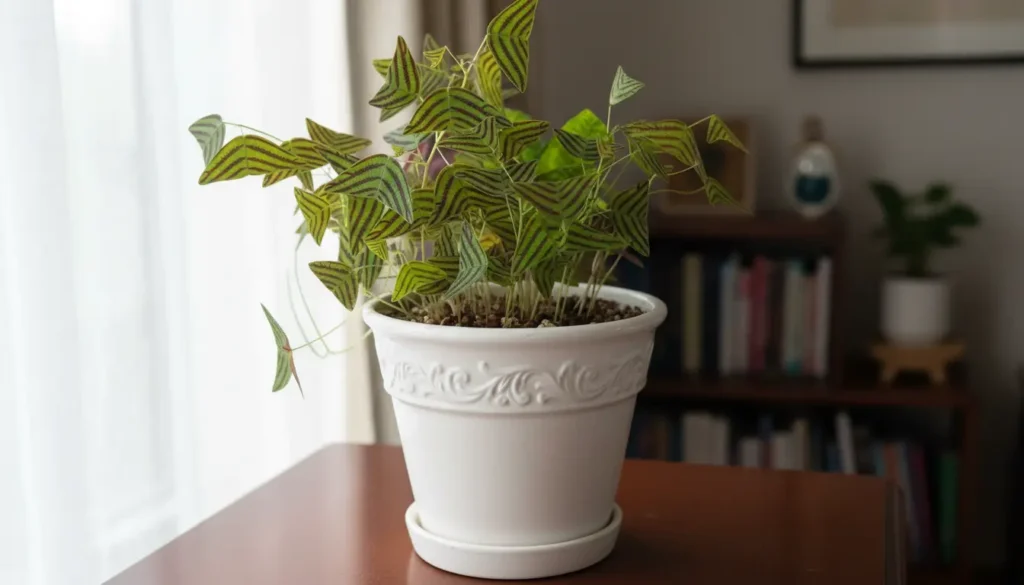
Prune butterfly plant in early spring before new growth starts. Cut stems back by about one-third to encourage bushy, compact growth and better flowering. Deadheading spent blooms throughout the season extends the flowering period significantly.
Use clean, sharp pruners to avoid tearing the stems. In mid-summer, if the plant looks tired or leggy, a light shearing by about half will trigger a fresh flush of blooms in late summer and fall.
Propagating Butterfly Plant
The best time to propagate butterfly plant is in spring or early summer when growth is active.
Propagating by Stem Cuttings
Stem cuttings are the easiest and most reliable way to multiply your butterfly plant.
Materials needed:
- Sharp, clean pruning shears or scissors
- Small pots filled with moist, well-draining potting mix
- Rooting hormone (optional but helpful)
- Clear plastic bag or humidity dome
Steps:
- Step 1: Select a healthy, non-flowering stem about 4–6 inches long. Cut just below a leaf node using clean shears.
- Step 2: Strip the leaves from the bottom half of the cutting to expose the nodes where roots will form.
- Step 3: Dip the cut end in rooting hormone, then insert it about 2 inches deep into moist potting mix. Firm the soil gently around the stem.
- Step 4: Cover loosely with a plastic bag to hold some humidity and place in bright, indirect light. Check moisture every few days.
Roots should develop within 3–5 weeks. Once you see new leaf growth, your cutting has rooted successfully. This propagation method works equally well for the Arrowhead Plant, another fast-rooting favorite.
Propagating by Division
Division is another great way to propagate butterfly plant, especially for established clumps.
- Step 1: In early spring, dig up the entire plant carefully to avoid damaging roots.
- Step 2: Use a sharp spade or garden knife to divide the root clump into 2–3 sections, each with healthy roots and shoots.
- Step 3: Replant each division immediately at the same depth, water well, and keep consistently moist for the first two weeks.
New butterfly plant divisions typically establish within 4–6 weeks and will bloom the same season if divided early enough in spring.
Potting and Repotting Butterfly Plant
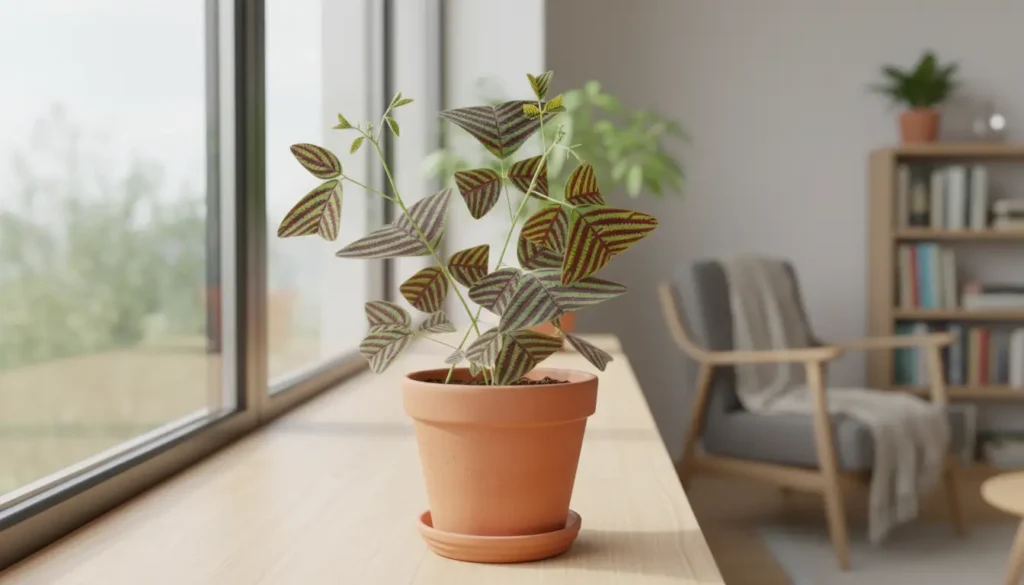
Butterfly plant grows happily in containers as long as drainage is excellent. Choose a pot with multiple drainage holes and use a gritty, well-draining mix.
When to repot: Repot when you see roots circling the bottom or poking out of drainage holes. This usually happens every 1–2 years. Spring is the ideal time.
How to repot: Move up only 1–2 pot sizes going too large causes waterlogging. Loosen the root ball gently, place in fresh soil, and water thoroughly. Avoid fertilizing for the first 4–6 weeks after repotting to reduce stress.
Common Pests and Diseases
Like most garden plants, butterfly plant can occasionally attract a few unwanted visitors.
Spider Mites
Look for fine webbing and stippled, dull leaves. Treat with a strong water spray or neem oil solution applied weekly until gone.
Mealybugs
Identify by white, cottony clusters near stems and leaf joints. Remove with rubbing alcohol on a cotton swab, then apply insecticidal soap.
Aphids
Spot these tiny green or black bugs clustered on new growth. Knock them off with a water hose or apply insecticidal soap. The University of California IPM Program recommends early intervention to prevent large infestations.
Scale Insects
Look for brown, shell-like bumps on stems. Scrape off manually and treat with horticultural oil to smother remaining insects.
Powdery Mildew
Watch for white, powdery coating on leaves, especially in humid conditions. Improve air circulation and treat with a baking soda spray or fungicide as needed.
Common Problems with Butterfly Plant
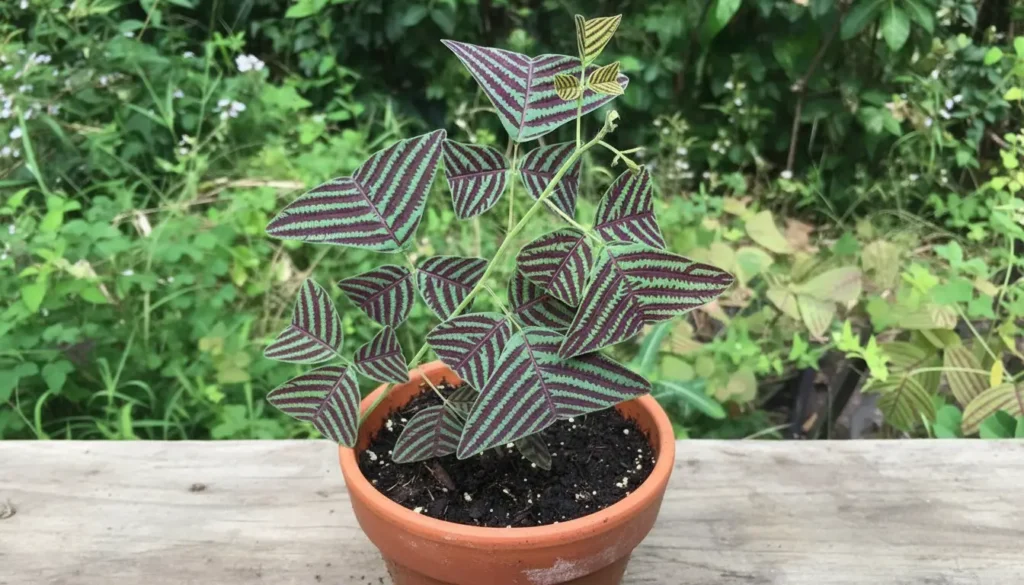
Here’s how to troubleshoot common butterfly plant issues:
Yellow Leaves
Yellow leaves are usually a sign of overwatering check that your soil drains well and let it dry out more between waterings. Nutrient deficiency, particularly nitrogen, can also cause yellowing; a light spring feed usually fixes this. Finally, older leaves naturally yellow and drop as the plant ages. Just like with the Swiss Cheese Plant, yellowing is almost always a care signal worth investigating quickly.
Brown Leaf Tips
Brown tips usually mean low humidity or inconsistent watering. While butterfly plant tolerates dry air, extremely arid conditions can still stress it. Water quality matters too fluoride in tap water can cause tip burn. Try switching to rainwater or filtered water if tips keep browning.
Drooping or Wilting Leaves
Wilting can mean either overwatering or underwatering check the soil first. If it’s soggy, hold off watering and improve drainage. If bone dry, give it a deep soak. Extreme heat can also cause temporary midday wilting that recovers by evening. The Rubber Plant shows similar dramatic wilting when its watering schedule goes off track.
Leggy Growth / Sparse Foliage
Leggy, floppy stems almost always signal insufficient light. Move your butterfly plant to a sunnier spot immediately. Follow up with a trim to encourage bushier, more compact regrowth.
FAQ
How do you care for a butterfly plant?
Butterfly plant needs full sun, well-draining soil, and infrequent deep watering. Feed lightly in spring and prune in early spring for best results.
Do butterfly plants come back every year?
Yes, butterfly plants are perennials in Zones 5–9. They die back in winter but reliably return from the roots each spring.
Where is the best place to plant a butterfly plant?
Plant in a full-sun location with well-draining soil. South- or west-facing garden beds work perfectly. Avoid wet, shady spots entirely.
What are the disadvantages of a butterfly bush?
Butterfly bush can self-seed aggressively in some regions. It may be considered invasive in certain areas, so check local guidelines before planting.