
In This Article
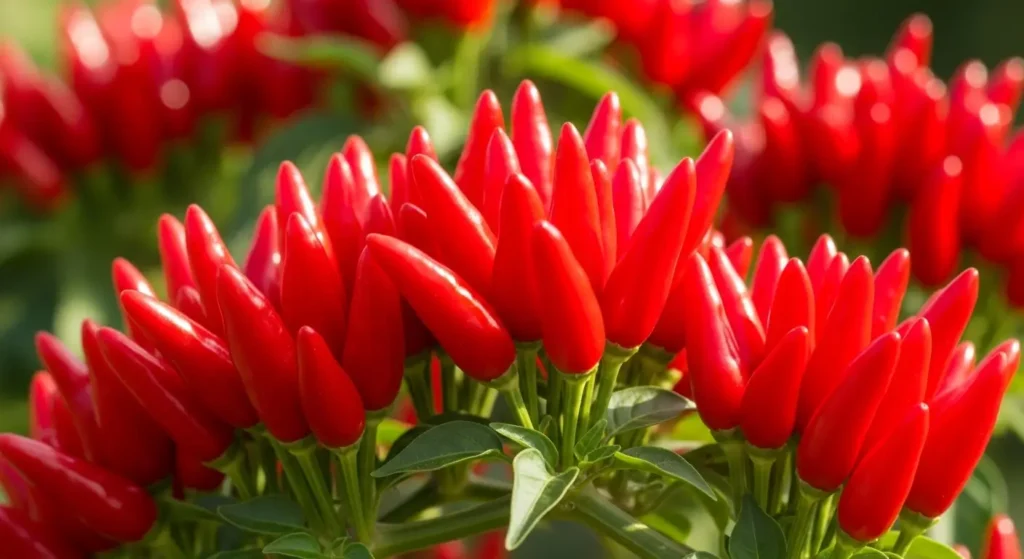
The bird chili plant (Capsicum frutescens) is a fiery, compact pepper plant known for its tiny upright red fruits and bushy bright green foliage. Native to Central America and widely grown across Southeast Asia, it thrives in USDA Zones 10–12. Honestly, with full sun and decent soil, it’s surprisingly easy to grow.
Plant Care Card
| Detail | Info |
|---|---|
| Common Name | Bird Chili, Bird’s Eye Chili, Thai Chili |
| Botanical Name | Capsicum frutescens |
| Family | Solanaceae |
| Plant Type | Perennial (Zones 10–12); Annual (elsewhere) |
| Mature Size | 2–4 ft tall × 1–2 ft wide |
| Sun Exposure | Full sun |
| Soil Type | Well-draining, loamy or sandy |
| Soil pH | 6.0–6.8 (slightly acidic) |
| Hardiness Zones | USDA 10–12 (perennial); 9 and below (annual) |
| Native Area | Mexico, Central America, tropical Asia |
| Bloom Time | Summer through fall |
| Toxicity | Non-toxic to humans; mildly irritating to pets |
Bird Chili Plant Care
The bird chili plant grows well with minimal fuss once it’s settled in the right spot. Here’s what you need to know about sun, soil, water, and maintenance. Give it heat and light, and this plant will reward you with a generous harvest all season long.
Light
The bird chili plant needs full sun at least 6 to 8 hours daily. Less light means leggy growth and poor fruit set. Position it in a south-facing spot away from shade. According to NC State Extension, Capsicum frutescens performs best in warm, consistently sunny conditions.
Soil
The bird chili plant prefers well-draining, slightly acidic soil with a pH of 6.0–6.8. Waterlogged roots rot quickly, so avoid clay or compacted spots. Mix in perlite and compost at a 1:1:1 ratio if needed. Similar to growing red creeping thyme, soil structure matters just as much as location.
Water
Water your bird chili plant deeply once or twice a week, letting the top 2 inches of soil dry out between sessions. Water more in summer, less in fall. Yellowing soft stems signal overwatering, while wilting crispy edges mean underwatering. Adjust quickly peppers are sensitive to both extremes.
Temperature and Humidity
The bird chili plant thrives between 65°F and 95°F and loves warm, humid conditions. Frost will kill it outright in zones below 10, treat it as an annual or bring containers indoors before fall. In dry climates, a 3-inch mulch ring retains moisture and protects roots from temperature swings.
Fertilizer
Feed your bird chili plant with a balanced slow-release fertilizer (10-10-10) at planting time, then switch to a low-nitrogen, high-phosphorus formula once flowering begins. Apply every 4–6 weeks during the growing season. Reduce feeding in late summer and stop completely once fruiting slows and temperatures drop.
Types of Bird Chili Plant
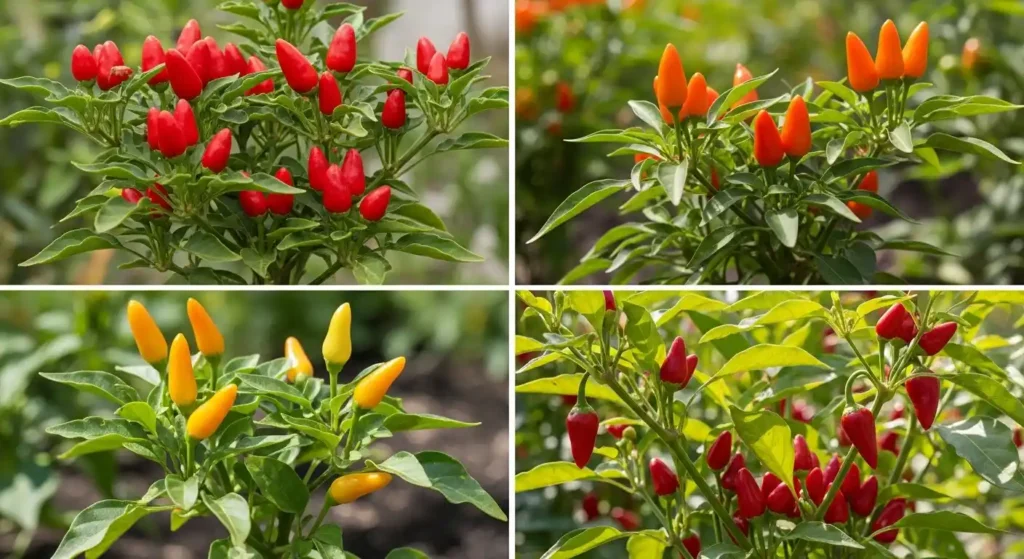
There are several notable varieties worth knowing before you plant:
- ‘Bird’s Eye’ (Capsicum frutescens ‘Bird’s Eye’) — The classic variety with tiny, intensely hot red fruits; widely grown across Southeast Asia and a staple in Thai cooking.
- ‘African Devil’ — A particularly fiery selection with small orange-red fruits; extremely heat-tolerant and popular in West African cuisine.
- ‘Tabasco’ (Capsicum frutescens ‘Tabasco’) — Famous for its use in hot sauce production; produces yellowish-red fruits with a slightly fruity heat and vigorous bushy growth.
- ‘Malagueta’ — A Brazilian variety closely related to the bird chili plant; produces small, tapered red fruits with intense, lingering heat.
Pruning
Prune your bird chili plant in early spring before new growth begins, or lightly throughout the season to manage shape. Remove any dead, crossing, or inward-facing branches to improve airflow and light penetration. Pinching off the growing tips early in the season encourages a bushier, more productive plant with more fruiting branches.
Use sharp, clean pruning shears and make cuts just above a leaf node. Removing spent flowers and early small fruits in the first few weeks redirects the plant’s energy into stronger root and stem development. In warm climates where this plant overwinters, a harder prune in late winter keeps it compact and stimulates vigorous new growth the following season.
Propagating Bird Chili Plant
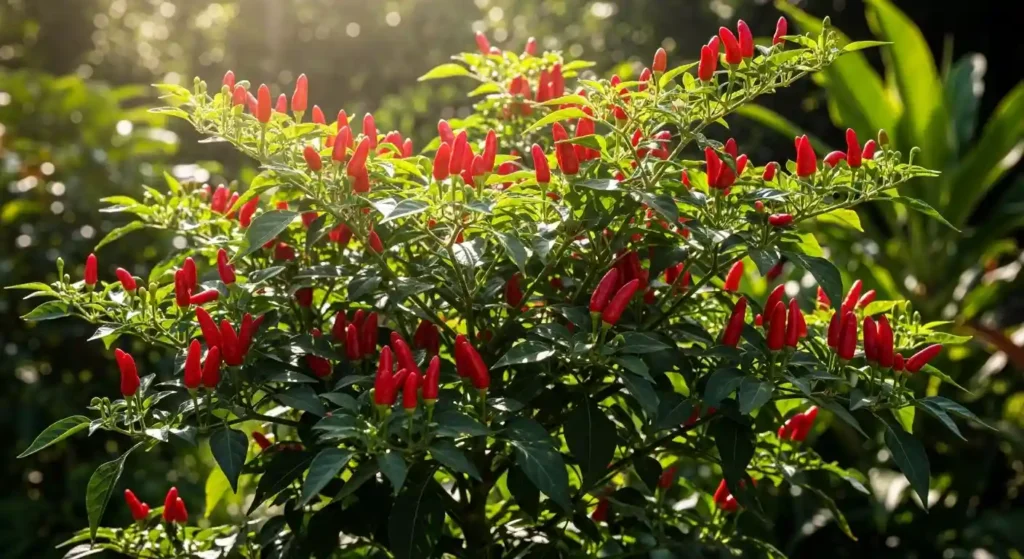
The best time to propagate the bird chili plant is spring or early summer when warmth and long days support fast, healthy development.
Propagating from Seeds
Growing from seed is the most common and rewarding method for the bird chili plant.
Materials needed:
- Fresh bird chili plant seeds (from dried peppers or purchased)
- Seed-starting tray with drainage holes
- Seed-starting mix (well-draining, fine-textured)
- Clear plastic dome or wrap
- Grow light or bright sunny windowsill
Steps:
- Sow your seeds. Plant seeds ¼ inch deep in moistened seed-starting mix, spacing 2–3 seeds per cell. Press gently to make good contact with the soil.
- Create warmth. Cover the tray with a clear dome to trap heat and moisture. Place in a warm spot — 75°F to 85°F (24°C–29°C) is ideal for germination. A heat mat speeds things up considerably.
- Wait for germination. Seeds typically sprout in 10–21 days. Once seedlings emerge, remove the dome and move to bright light immediately to prevent leggy growth.
- Thin and grow on. Once seedlings show their first true leaves, thin to one plant per cell. Keep evenly moist but never soggy until ready to transplant outdoors.
Seedlings are ready to move outside after 6–8 weeks when nighttime temperatures stay above 55°F.
Propagating by Stem Cuttings
Stem cuttings are a fast way to clone your best-performing bird chili plant without starting from seed.
- Take a 4–6 inch cutting from a healthy, non-flowering stem in late spring or early summer.
- Remove lower leaves, leaving 2–3 at the top. Dip the cut end in rooting hormone.
- Insert into a moistened mix of 50% perlite and 50% potting soil. Cover loosely with a plastic bag to retain humidity.
- Roots develop in 3–5 weeks. Once new leaf growth appears, gradually remove the cover and transition to normal care.
Planting and Transplanting Bird Chili Plant
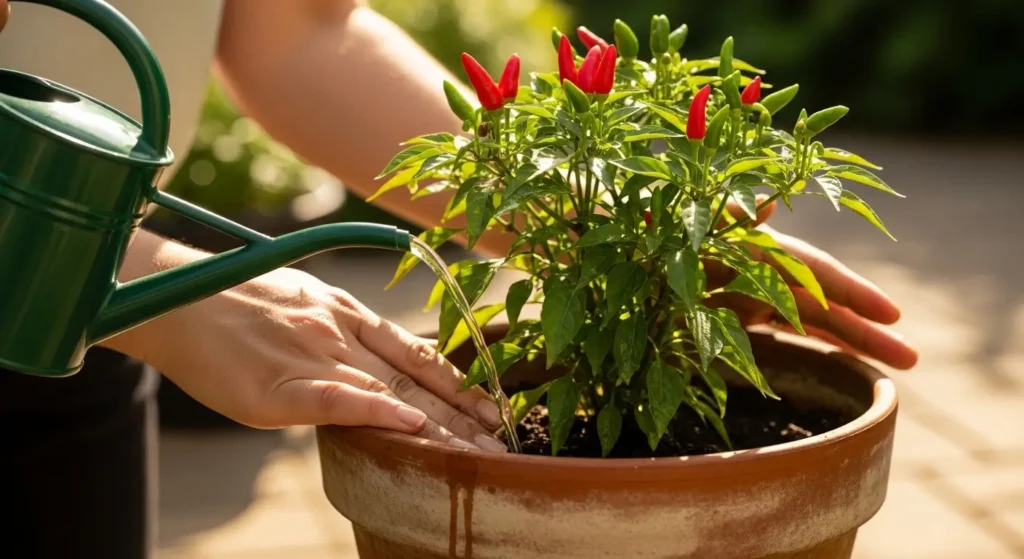
Plant your bird chili plant outdoors in spring, after the last frost date and once soil temperatures reach at least 60°F. Space plants 18–24 inches apart to allow for good airflow and bushy mature growth. In frost-free zones, fall planting is also possible.
Dig a hole slightly deeper than the root ball and set the plant so the stem base sits just at or slightly below soil level. Backfill with amended soil, water deeply, and apply a 2–3 inch mulch layer to retain moisture and suppress weeds. According to University of Florida IFAS Extension, proper soil preparation and spacing directly impact pepper plant productivity in home gardens.
Transplant container-grown bird chili plants every 2–3 years as needed when roots become crowded. Similarly, raspberry plants benefit from the same attentive transplanting approach to maintain strong production.
Common Pests and Diseases
Like most garden plants, the bird chili plant can occasionally face pest and disease challenges, particularly in humid or overcrowded conditions.
Aphids
Look for sticky residue and soft green or black clusters on new growth and stems. Treat with a strong jet of water or insecticidal soap spray; repeat weekly until resolved.
Spider Mites
Tiny webbing on leaf undersides and pale, stippled foliage signal spider mites. Treat with neem oil solution, coating all leaf surfaces thoroughly, especially underneath.
Powdery Mildew
A white, powdery coating on leaves indicates this fungal issue. Improve airflow between plants, reduce overhead watering, and apply a sulfur-based fungicide as directed.
Root Rot
Yellowing leaves, wilting despite moist soil, and a mushy stem base point to root rot. Improve drainage immediately and reduce watering. Remove and discard severely affected plants. As noted by Texas A&M AgriLife Extension, well-draining soil is the single most effective prevention for pepper root diseases.
Leaf Miners
Look for pale, winding trails on leaf surfaces. Remove heavily affected leaves and apply neem oil as a preventive treatment going forward.
Common Problems with Bird Chili Plant
Here’s how to troubleshoot common issues with your bird chili plant:
Poor or No Fruit Production
Insufficient sunlight is the top cause move your bird chili plant if it gets fewer than 6 daily sun hours. High-nitrogen fertilizer pushes leaves over fruit; switch to a phosphorus-rich formula at bloom time. Like French lavender, this plant simply won’t perform without the right conditions.
Yellow or Browning Leaves
Yellow leaves on a bird chili plant almost always point to overwatering or poor drainage let the soil dry out more between waterings. Nutrient deficiency, especially nitrogen or magnesium, causes pale interveinal yellowing; a balanced fertilizer application resolves this quickly. Brown, crispy leaf edges typically signal underwatering or excess salt buildup from fertilizer flush the soil well with water to clear it out.
Wilting or Drooping
Wilting in afternoon heat is often just heat stress deep water immediately and add mulch to cool the root zone. Newly transplanted bird chili plants frequently wilt for a few days from transplant shock; steady, gentle watering over the first two weeks helps them recover. If wilting persists despite moist soil, suspect root rot or pest damage and inspect the root zone carefully.
Leggy or Sparse Growth
A bird chili plant that stretches without filling in is almost certainly not getting enough sun. Relocate to a brighter spot or prune surrounding plants casting shade. Too much nitrogen fertilizer also produces lush stems with few fruits cut back on feeding and switch to a bloom formula. Regular pinching of growing tips encourages a denser, more productive plant overall. The esperanza plant responds the same way to shade always prioritize sun for heat-loving plants.
Slow Growth
Cool soil temperatures below 60°F are the most common cause of slow growth. Make sure the bird chili plant is planted after the soil has fully warmed. A low-nitrogen starter fertilizer at planting time can also give young plants a gentle push in the right direction. Like ruda plant, this species simply stalls in cold conditions.
FAQ
Is bird’s eye chili hotter than jalapeño?
Yes, significantly. The bird chili plant rates 50,000–100,000 Scoville units, while jalapeños reach only 2,500–8,000. It’s much hotter.
Is bird’s eye chili easy to grow?
Yes, the bird chili plant is easy with full sun, well-draining soil, and warm temperatures. Beginners in Zones 10–12 do very well with it.
Is birds eye chili a perennial or annual?
It’s a perennial in USDA Zones 10–12. In cooler zones, grow the bird chili plant as an annual and replant each spring after the last frost.
What is the difference between birds eye chilli and Thai chili?
They are closely related and often used interchangeably. Thai chili is typically a cultivated selection of the bird chili plant, slightly milder with a fruitier flavor profile.