
In This Article
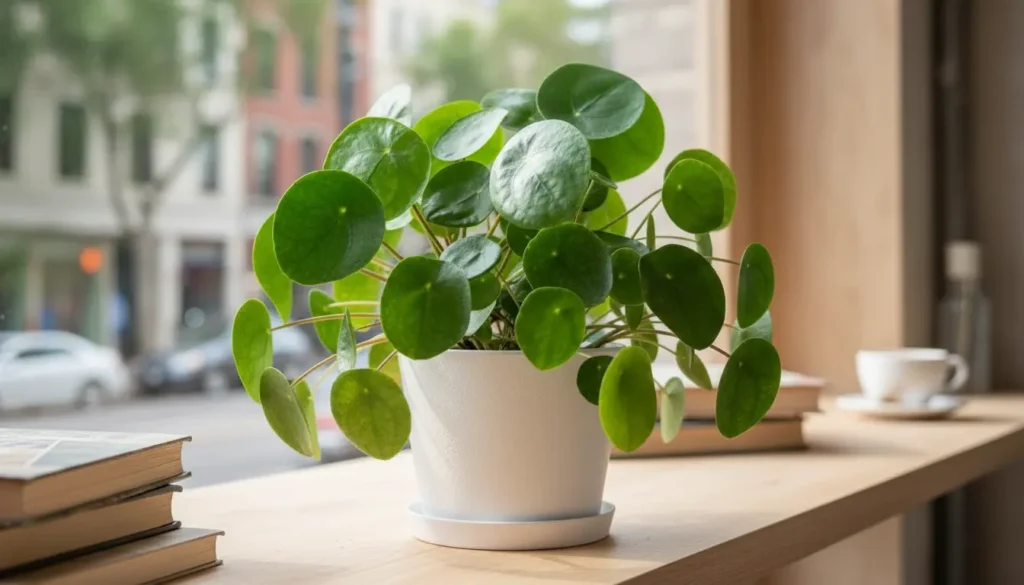
Looking to add some green vibes to your home? The money plant (Epipremnum aureum) might just be your new best friend. This tropical beauty from the Solomon Islands is famous for its heart-shaped leaves and trailing vines. Honestly, it’s one of the easiest houseplants you can grow, making it perfect for beginners and busy plant parents alike.
Money Plant Care Card
| Plant Information | Details |
|---|---|
| Common Name | Money Plant, Pothos, Devil’s Ivy |
| Botanical Name | Epipremnum aureum |
| Family | Araceae |
| Plant Type | Tropical perennial vine |
| Mature Size | 6-10 feet long (indoors) |
| Sun Exposure | Bright indirect light |
| Soil Type | Well-draining potting mix |
| Soil pH | 6.1-6.5 (slightly acidic) |
| Hardiness Zones | 10-12 (USDA) |
| Native Area | Solomon Islands, Southeast Asia |
| Toxicity | Toxic to cats and dogs |
Money Plant Care
Money plants are genuinely beginner-friendly and can handle a bit of neglect without throwing a fit. The following sections cover everything from lighting to troubleshooting common issues. You’ll love how forgiving this plant is!
Light
Money plants thrive in bright indirect light but adapt surprisingly well to lower light conditions too. They’re not picky, but too much direct sunlight will scorch those gorgeous leaves, turning them yellow or brown. On the flip side, insufficient light makes the vines leggy and sparse.
Place your money plant near an east or north-facing window for best results. A few feet back from a south or west window works great too. The beauty of this plant is that it tolerates medium to low light, though growth slows down considerably in darker spots.
Soil
Your money plant needs well-draining soil that doesn’t stay soggy after watering. A standard indoor potting mix works perfectly, or you can create your own blend using equal parts peat moss, perlite, and regular potting soil. The key is ensuring water drains quickly to prevent root rot.
According to North Carolina State University Extension, proper drainage is essential for preventing fungal diseases in tropical houseplants. Mix in some perlite or orchid bark if your soil feels too dense. The roots need to breathe!
Water
Here’s the thing: money plants prefer their soil to dry out slightly between waterings. Stick your finger about 2-3 inches into the soil if it feels dry, it’s time to water. During spring and summer, you’ll probably water every 7-10 days. In winter, cut back to every 2-3 weeks.
Overwatering shows up as yellow, mushy leaves and a funky smell from the soil. Underwatered plants get droopy and crispy brown leaf tips. Similar watering needs apply to philodendron brasil, another beginner-friendly trailing houseplant. Let the plant guide you it’ll tell you what it needs!
Temperature and Humidity
Money plants are happy in typical household temperatures between 65-85°F. They’re not frost-tolerant, so keep them away from cold drafts and heating vents. These tropical beauties appreciate moderate to high humidity but adapt well to average indoor conditions.
If your home is particularly dry, you might notice brown leaf tips. A quick misting or placing the pot on a pebble tray with water helps. Just don’t place your money plant near air conditioning vents or drafty windows.
Fertilizer
Feed your money plant with a balanced liquid fertilizer (like 10-10-10 or 20-20-20) diluted to half strength every 2-4 weeks during spring and summer. Stop fertilizing in fall and winter when growth naturally slows down. Honestly, these plants aren’t heavy feeders, so don’t stress if you forget occasionally.
Types of Money Plant
Let’s face it there are some stunning varieties beyond the classic green pothos. Each one has its own personality and leaf patterns that make collecting them addictive.
- Golden Pothos: The classic money plant with bright yellow and green variegation on heart-shaped leaves. It’s the most common variety and incredibly adaptable to various light conditions. Perfect starter plant for anyone new to houseplants.
- Marble Queen Pothos: Features heavily variegated white and green leaves that look hand-painted. Needs slightly brighter light than golden pothos to maintain those gorgeous white patterns. Grows a bit slower due to less chlorophyll.
- Neon Pothos: Sports vibrant chartreuse leaves that practically glow in bright light. The entire leaf is solid neon green without variegation. Adds a pop of electric color to any room.
- Jade Pothos: Deep, rich green leaves with minimal to no variegation. The most tolerant of low-light conditions and the fastest grower. Great for darker corners that need greenery.
- Pearls and Jade Pothos: Compact variety with white, gray-green, and dark green variegation speckled throughout the leaves. Slower growing and stays bushier than other types. Perfect for smaller spaces.
Propagating Money Plant
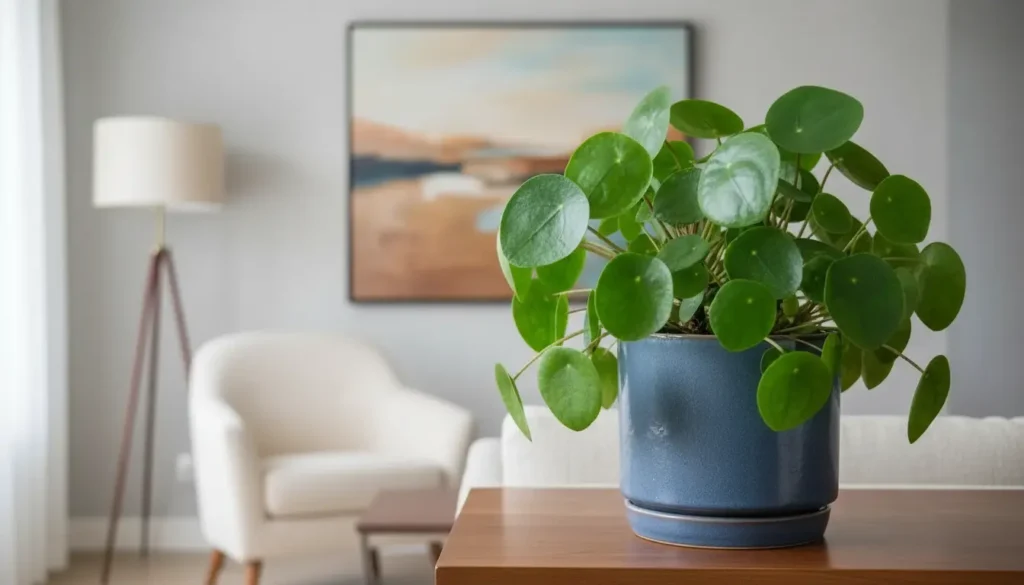
The best time to propagate money plants is during spring and summer when they’re actively growing. You’ll love how easy this process is it’s honestly one of the most beginner-friendly plants to multiply!
Propagating by Stem Cuttings
This is hands-down the easiest propagation method for money plants. Most people have success on their first try, even complete beginners.
Materials needed:
- Clean, sharp scissors or pruning shears
- Small jar or glass of water
- Rooting hormone (optional)
Step 1: Cut a 4-6 inch section of stem just below a node (the bump where leaves emerge). Make sure your cutting has at least 2-3 healthy leaves attached. Remove the bottom leaf or two to expose the nodes.
Step 2: Place the cutting in a jar of room-temperature water, ensuring at least one node is submerged. Change the water every 3-5 days to keep it fresh and prevent bacterial growth.
Step 3: Set your jar in bright indirect light and wait patiently. You’ll see tiny white roots emerging from the nodes within 1-2 weeks. Once roots reach 2-3 inches long, transfer to soil.
Step 4: Plant your rooted cutting in well-draining potting mix and water thoroughly. Keep the soil consistently moist for the first few weeks while it adjusts. Within 4-6 weeks, you’ll have a thriving new money plant!
Propagating by Division
If your money plant has become bushy with multiple stems, division works beautifully. This method is quicker than cuttings since you’re working with established roots.
Carefully remove the plant from its pot and gently separate the root ball into 2-3 sections, making sure each has healthy roots and stems. Plant each division in its own pot with fresh soil. Water well and treat like mature plants. This propagation method works equally well for spider plant care, another easy-to-propagate houseplant.
Potting and Repotting
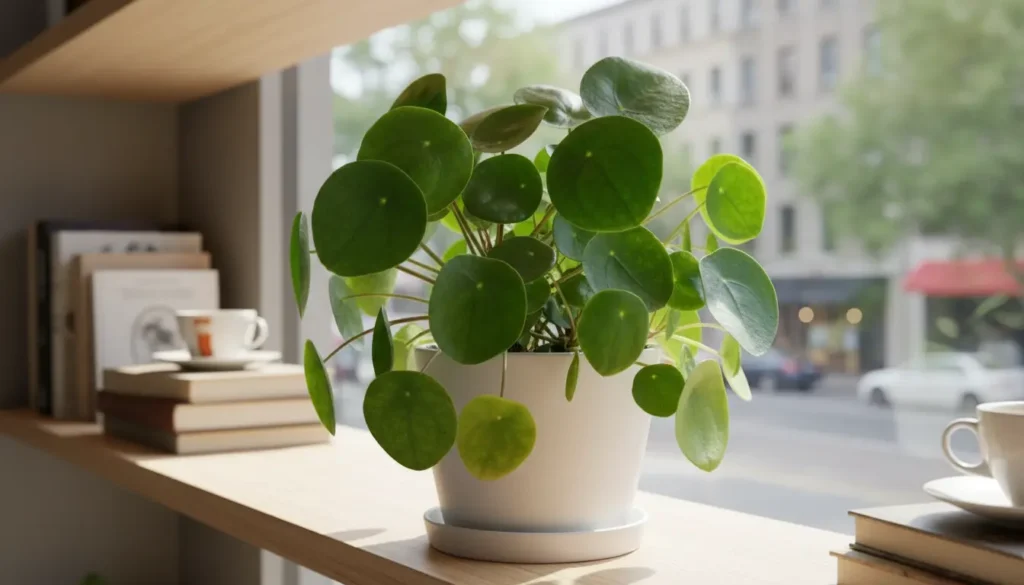
Money plants grow fairly quickly and usually need repotting every 1-2 years. You’ll know it’s time when roots start poking out of drainage holes or growth slows down despite proper care.
Choose a pot that’s 1-2 inches larger in diameter than the current one. Gently remove the plant, loosen the roots slightly, and place it in the new pot with fresh potting mix. Water thoroughly after repotting and keep it in bright indirect light while it adjusts. Always use pots with drainage holes to prevent waterlogged soil.
Common Pests and Diseases
Like most houseplants, money plants can occasionally attract pests, especially when stressed or kept in poor conditions. Regular inspection helps catch problems early.
Spider Mites
Look for tiny webbing between leaves and small moving dots on the undersides. Leaves may appear stippled or dusty. Treat with insecticidal soap or neem oil, spraying thoroughly every 5-7 days until eliminated.
Mealybugs
These white, cottony clusters hide in leaf axils and along stems. They suck plant sap and leave sticky honeydew residue. Remove with rubbing alcohol on a cotton swab or spray with neem oil weekly.
Scale Insects
Small brown or tan bumps attached to stems and leaf undersides indicate scale. They’re harder to remove than other pests. Scrape off manually with your fingernail or treat with horticultural oil repeatedly.
Aphids
Tiny green, black, or white insects cluster on new growth and leaf undersides. They multiply quickly and distort new leaves. Spray with water to dislodge them or use insecticidal soap for heavy infestations.
Common Problems with Money Plant
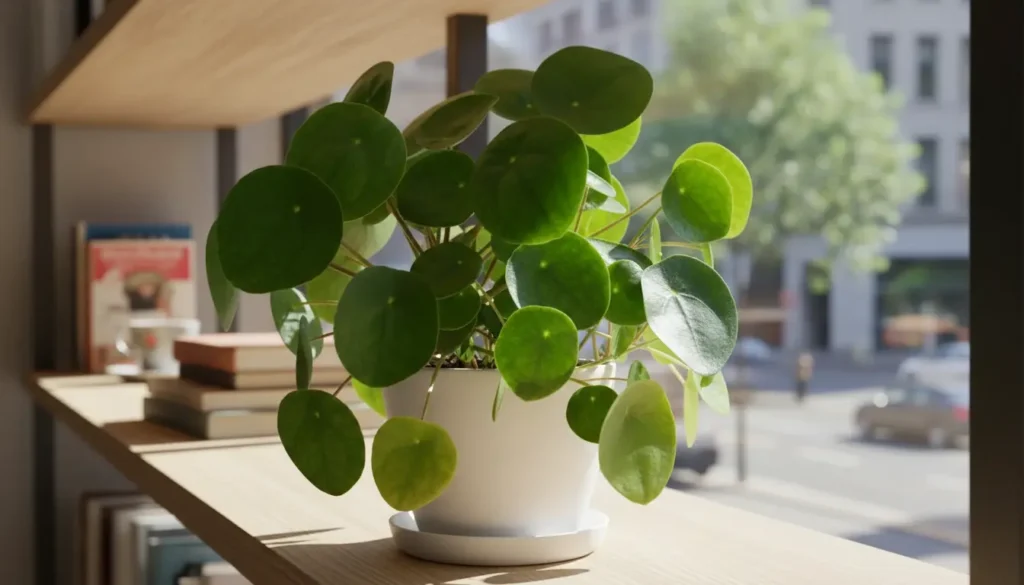
Here’s how to troubleshoot common issues you might encounter with your money plant:
Yellow Leaves
Yellow leaves are super common and usually not a death sentence. Overwatering is the most frequent culprit if the soil stays wet and leaves turn yellow from the bottom up, cut back on watering immediately. Nutrient deficiency can also cause older leaves to yellow gradually.
Additionally, natural aging turns the oldest leaves yellow over time, which is totally normal. Remove yellow leaves and adjust your care routine. These issues also occur with philodendron micans when humidity is too low or watering is inconsistent.
Brown Leaves or Brown Leaf Tips
Brown, crispy leaf tips usually point to low humidity or water quality issues. Tap water containing chlorine and fluoride can cause tip burn over time. Try switching to filtered or distilled water and increase humidity around the plant.
Underwatering also causes browning, but you’ll notice the entire leaf getting crispy rather than just the tips. Moreover, sudden temperature changes or cold drafts damage foliage. Trim off brown sections with clean scissors to keep your plant looking fresh.
Drooping or Wilting Leaves
Droopy leaves typically mean your plant needs water ASAP. The soil probably feels bone dry several inches down. Give it a thorough watering and it should perk up within hours. However, overwatering can also cause wilting if roots are damaged.
Check the soil moisture before watering if it’s wet and the plant is wilting, you’ve got root rot. Let the soil dry out completely and reduce watering frequency. Just like with wandering jew plant care, proper watering makes all the difference between a thriving plant and a struggling one.
Leggy Growth or Sparse Foliage
Insufficient light causes money plants to stretch toward light sources, creating long stems with few leaves between nodes. The solution is simple: move your plant to a brighter location with more indirect light.
You can also prune back leggy vines to encourage bushier growth closer to the base. The plant will branch out from where you cut, creating a fuller appearance over time.
FAQ
How do you take care of a money plant?
Money plants need bright indirect light, well-draining soil, and watering when the top few inches feel dry. They prefer temperatures between 65-85°F and appreciate occasional fertilizing during growing season.
What is a money plant good for?
Money plants purify indoor air and bring a decorative tropical vibe to any space. They’re also believed to bring good luck and prosperity in feng shui traditions, hence the name.
What are the disadvantages of money plant?
The main disadvantage is toxicity to pets and children if ingested, causing mouth irritation. Additionally, they can become invasive outdoors in tropical climates and require occasional pruning to control growth indoors.
Which money plant is lucky?
Golden pothos is traditionally considered the luckiest variety in feng shui. However, any healthy, thriving money plant is thought to attract positive energy and financial prosperity when placed in the right location.
1 thought on “How to Grow and Care for Money Plant”
Comments are closed.