
In This Article
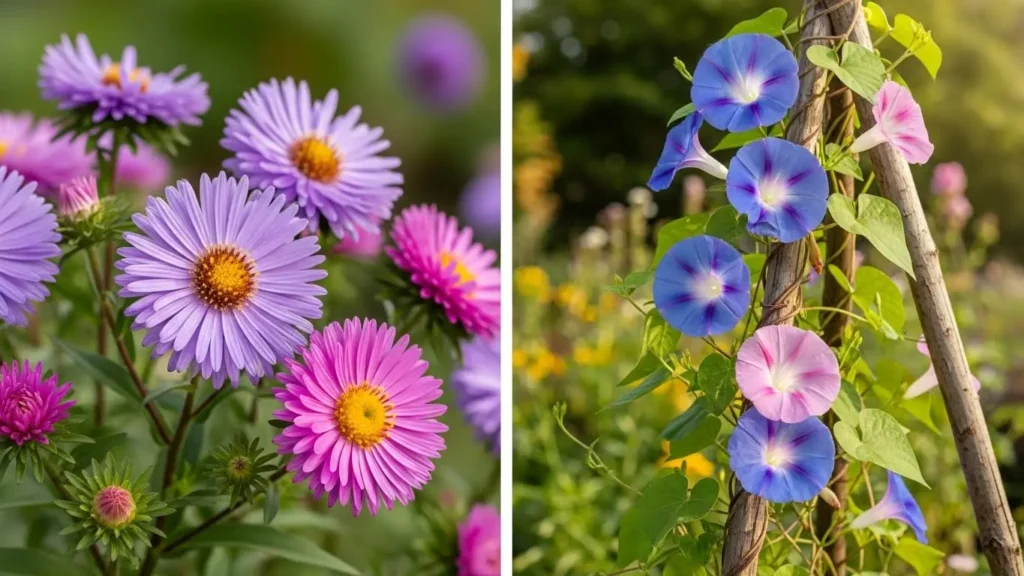
September Birth Flower traditions honor two stunning blooms: the aster with daisy-like flowers in purples, pinks, and whites, and the morning glory with trumpet-shaped blooms in brilliant blues. Both are easy to grow, symbolize love and wisdom, and bring gorgeous late-season color to gardens across North America.
Plant Care Card
| Attribute | Aster | Morning Glory |
|---|---|---|
| Common Name | Aster, Michaelmas Daisy | Morning Glory, Ipomoea |
| Botanical Name | Symphyotrichum spp. | Ipomoea purpurea |
| Family | Asteraceae | Convolvulaceae |
| Plant Type | Herbaceous perennial | Annual vine |
| Mature Size | 1-6 feet tall, 1-3 feet wide | 10-15 feet long |
| Sun Exposure | Full sun to partial shade | Full sun |
| Soil Type | Well-draining, loamy | Well-draining, average |
| Soil pH | 5.8-6.5 (slightly acidic) | 6.0-6.8 (neutral) |
| Hardiness Zones | 3-8 (varies by species) | 3-10 (annual) |
| Native Area | North America, Eurasia | Central and South America |
| Bloom Time | Late summer to fall | Summer to fall |
| Toxicity | Non-toxic | Toxic to pets and humans |
September Birth Flower Care
Both the September birth flower options thrive with minimal fuss once you understand their basic needs. Asters prefer cooler climates and reward you with late-season color, while morning glories love heat and bloom prolifically all summer long. Here’s what you need to know about sun, soil, water, and maintenance to keep these September birth flowers happy in your garden.
Light
Asters perform best in full sun, needing at least 6 hours of direct sunlight daily for abundant blooms. In hotter climates, they appreciate afternoon shade to prevent stress. Plant in south or east-facing locations. Morning glories absolutely demand full sun 8 hours minimum to produce their signature trumpet blooms.
Soil
Both September birth flower varieties thrive in well-draining soil that doesn’t stay soggy after rain. Asters prefer loamy soil enriched with organic matter, while morning glories grow in average garden soil. According to North Carolina State University Extension, adding compost improves soil structure. Avoid heavy clay that causes root rot.
Water
Asters need consistent moisture, especially during their late summer blooming period. Water deeply once or twice weekly, providing about 1 inch when the top 2 inches of soil feel dry. Morning glories are surprisingly drought-tolerant once established. Water weekly during hot weather, but let soil dry slightly between waterings to encourage blooming.
Temperature and Humidity
Asters prefer cooler temperatures and thrive in 60-70°F weather, tolerating light frost without damage. They’re cold-hardy perennials that overwinter successfully in zones 3-8. Morning glories love heat and flourish in 70-85°F temperatures. Protect asters from harsh winter winds by mulching with 2-3 inches of shredded bark after the ground freezes.
Fertilizer
Feed asters sparingly with balanced 10-10-10 fertilizer once in early spring as new growth emerges from the crown. Over-fertilizing produces weak, floppy stems prone to flopping and reduces bloom production on these September birth flowers. Morning glories need even less feeding in fact, rich soil causes these vines to produce leaves instead of flowers. Skip fertilizer entirely or apply diluted liquid fertilizer once mid-summer if plants look pale.
Types of September Birth Flower
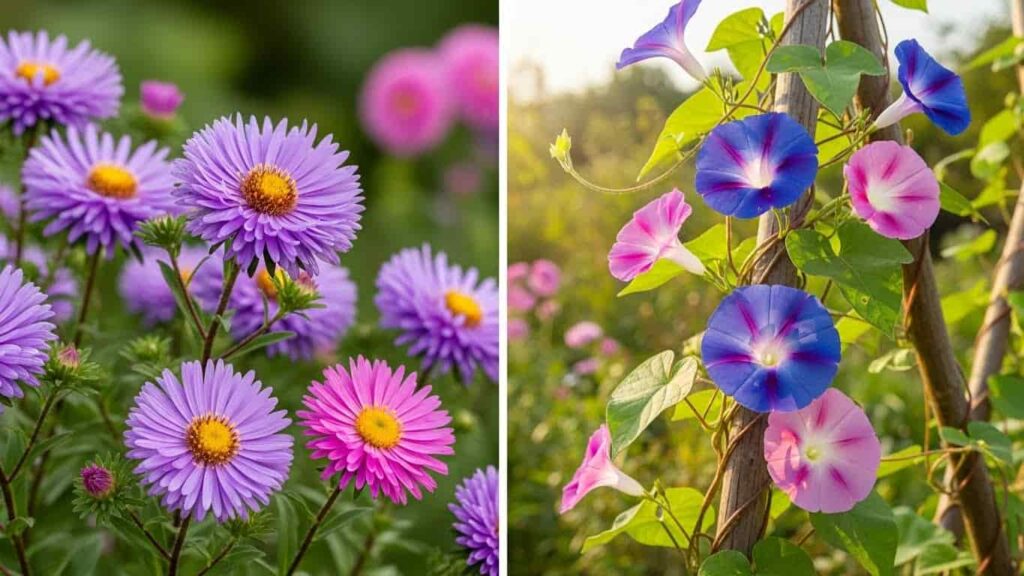
While asters and morning glories are the traditional September birth flowers, each comes in numerous varieties worth exploring for your garden. Here are some standout options that showcase the diversity of these beloved blooms.
• New England Aster (Symphyotrichum novae-angliae): This native wildflower September birth flower reaches 3-6 feet tall with vibrant purple-pink flowers and yellow centers. It’s extremely cold-hardy and attracts butterflies by the dozens throughout fall, making it perfect for pollinator gardens.
• New York Aster (Symphyotrichum novi-belgii): Slightly shorter at 2-4 feet, this September birth flower species offers blooms in purple, pink, red, and white shades. It tolerates part shade better than other asters and works beautifully in woodland gardens or mixed borders.
• ‘Heavenly Blue’ Morning Glory: The most popular variety of this September birth flower produces stunning sky-blue flowers with white throats. Blooms measure 4-5 inches across and open fresh each morning, fading by afternoon in a beautiful daily cycle.
• ‘Grandpa Ott’ Morning Glory: This heirloom September birth flower variety features deep purple flowers with magenta stars radiating from the center. It was brought to America by German immigrants and remains a garden favorite for its rich coloration.
• ‘Scarlett O’Hara’ Morning Glory: Bold red blooms with white throats create dramatic color impact with this September birth flower cultivar. This vigorous climber works well on trellises, fences, and arbors where you want eye-catching vertical interest throughout late summer and fall.
Pruning September Birth Flower
Deadheading spent aster blooms encourages continuous flowering and prevents self-seeding. In late spring, pinch back stems by one-third when plants reach 6 inches tall to promote bushier growth. Cut back entire plants to ground level after the first hard frost. Morning glories rarely need pruning since they’re annuals.
Propagating
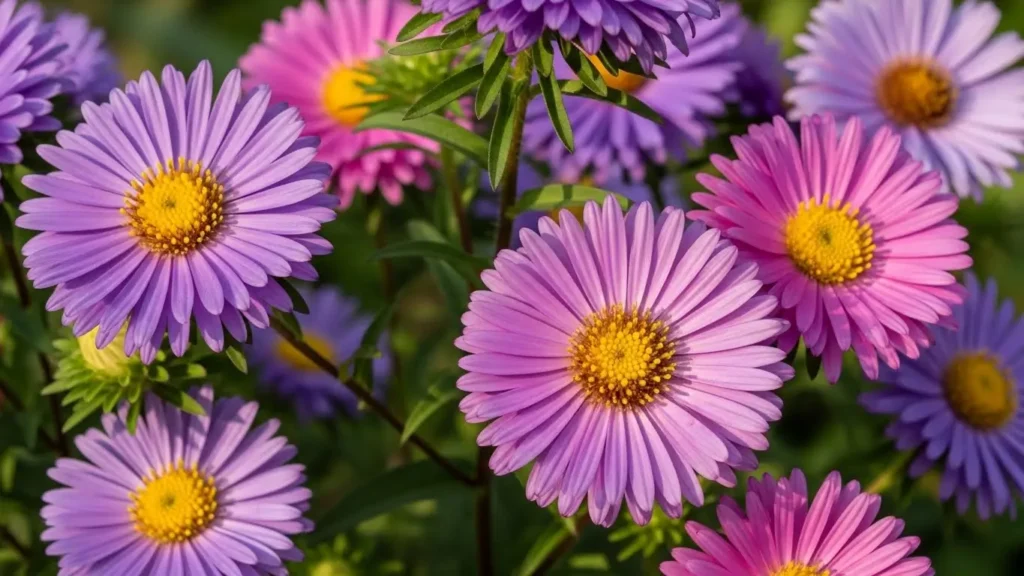
The best time to propagate these September birth flowers is spring or early summer when plants are actively growing and temperatures are moderate. Morning glories propagate easily from seeds saved from previous years’ flowers, while asters respond well to division techniques.
Propagating Asters by Division
Division is the easiest and most reliable method for propagating asters while maintaining plant health and vigor in your September birth flower collection.
Materials needed:
- Sharp spade or garden fork
- Pruning shears
- Compost or organic matter
- Watering can
Step 1: Dig up the entire aster clump in early spring when new growth appears or in fall after blooming finishes. Work carefully to preserve as many roots as possible, as healthy roots ensure successful establishment.
Step 2: Use your hands or a sharp spade to divide the clump into sections, ensuring each division has 3-5 healthy shoots and a good root system. Discard any woody, dead, or diseased sections from the center that won’t produce vigorous growth.
Step 3: Replant divisions immediately at the same depth they were growing before, spacing them 18-24 inches apart to allow proper air circulation. Work compost into the planting hole for a good start and improved drainage.
Step 4: Water thoroughly after planting and keep soil consistently moist for 2-3 weeks until new growth indicates established roots. Divisions typically bloom the same season if divided in spring, giving you more of this beautiful September birth flower to enjoy.
Propagating Asters by Stem Cuttings
Take 4-6 inch cuttings from non-flowering shoots in late spring. Remove lower leaves, dip cut ends in rooting hormone, and plant in moist potting mix. Keep cuttings in bright, indirect light with consistently moist soil. Roots develop in 3-4 weeks.
Propagating Morning Glory from Seeds
Morning glories grow readily from seeds, making propagation incredibly simple and cost-effective for expanding your September birth flower displays.
Materials needed:
- Morning glory seeds
- Sandpaper or nail file
- Bowl of warm water
- Seed starting mix or direct garden soil
Step 1: Nick the hard seed coat with sandpaper or a nail file to speed germination of your September birth flower seeds. This scarification process allows moisture to penetrate the tough outer shell more quickly and improves germination rates significantly.
Step 2: Soak scarified seeds in warm water overnight before planting to soften the outer coating. Seeds should swell noticeably discard any that remain hard as they likely won’t germinate successfully.
Step 3: Plant seeds 1/2 inch deep directly in the garden after all frost danger passes and soil warms to 65°F. Space seeds 6-12 inches apart along a trellis or support structure where these September birth flowers can climb freely.
Seeds germinate in 5-7 days with proper warmth and moisture, and plants begin blooming 60-70 days after sowing. Similar to lipstick plant propagation methods, consistent moisture during establishment ensures success with these vigorous growers.
Planting and Transplanting September Birth Flower
Plant asters in early spring after the last frost or in early fall at least 6 weeks before the first frost date. Space plants 18-36 inches apart for air circulation. Virginia Cooperative Extension recommends preparing beds several weeks in advance. Divide asters every 3-4 years. Morning glories don’t transplant well direct sow seeds instead.
Common Pests and Diseases
Like most garden plants, these September birth flowers can occasionally face pest or disease challenges that diminish their appearance and vigor throughout the growing season.
Aphids
Small, soft-bodied insects cluster on new growth and flower buds of September birth flowers, causing distorted leaves and stunted growth. Blast them off with a strong spray of water or treat with insecticidal soap every 5-7 days until eliminated completely.
Spider Mites
Tiny arachnids create fine webbing on leaf undersides and cause stippled, yellowing foliage on both September birth flower varieties. They thrive in hot, dry conditions during summer months. Increase humidity around plants and spray with neem oil or insecticidal soap weekly.
Powdery Mildew
White, powdery coating appears on aster leaves in late summer, especially in humid conditions or crowded plantings of these September birth flowers. Improve air circulation, avoid overhead watering, and apply sulfur-based fungicide at first signs of infection.
Rust
Orange pustules develop on morning glory leaves, causing yellowing and premature leaf drop that diminishes this September birth flower’s appearance. Remove and destroy infected leaves immediately to prevent spread. Apply copper-based fungicide if the problem persists and spreads to other plants.
Japanese Beetles
Metallic green beetles skeletonize leaves and destroy flowers on both September birth flower plants during their peak feeding period. Handpick beetles early morning when they’re sluggish, or use row covers to exclude them during peak feeding periods in mid-summer.
Common Problems with September Birth Flower
Here’s how to troubleshoot common issues you might encounter growing these beautiful September birth flowers in your garden:
Poor or No Blooms on Asters
This frustrating problem usually stems from insufficient sunlight asters need at least 6 hours of direct sun for heavy flowering. Over-fertilizing with high-nitrogen formulas produces lush foliage but few blooms, so switch to phosphorus-rich fertilizer instead.
Morning Glory Vines with Few Flowers
Rich, heavily fertilized soil causes morning glories to produce leaves instead of blooms—these vines flower best in lean conditions. Insufficient sunlight is another common culprit since these sun-lovers need 8+ hours of direct light daily.
Yellow or Browning Leaves
Overwatering is the primary cause of yellowing foliage, especially with morning glories that prefer drier conditions once established. Poor drainage creates waterlogged soil that suffocates roots and promotes root rot. Check soil moisture before watering and improve drainage.
Leggy, Floppy Asters
Insufficient light causes asters to stretch and develop weak stems that can’t support flower-laden tops properly. Over-fertilizing with nitrogen produces the same floppy growth habit. Pinch back stems by one-third in late spring when plants reach 6 inches tall. Stake tall varieties like New England aster for support.
Morning Glory Vines Not Climbing
These September birth flower vines need a rough surface to grip as they climb smooth surfaces like vinyl fencing don’t work well. Provide string, netting, or chain-link fence for tendrils to wrap around and gain purchase. Young vines also need guidance initially, so gently train stems onto supports as they grow upward. Once they get going, morning glories climb vigorously without additional help and can cover structures quickly.
Wilting Despite Adequate Water
Transplant shock causes temporary wilting in newly planted flowers, typically resolving within a week with consistent moisture. Extreme heat stresses both varieties, causing dramatic wilting during the hottest part of the day. Similar to black dragon plant care, proper establishment is key.
FAQ
What is the birth flower of September?
September has two official birth flowers: aster and morning glory, giving people born this month beautiful options. Asters symbolize love and wisdom with their star-shaped blooms, while morning glories represent affection and mortality, blooming briefly each morning before fading by afternoon.
Is it aster or morning glory?
Both aster and morning glory are recognized as September birth flowers, giving people born this month two beautiful options to celebrate. Traditionally, asters represent September birthdays with their fall blooms, but morning glories were added as an alternative choice in recent decades for variety.
What is September Virgo flower?
The aster is considered the Virgo zodiac flower for those born August 23-September 22 under this earth sign. Its star-shaped blooms and late-season reliability reflect Virgo’s detail-oriented, dependable nature, making it a perfect symbolic match for people with this astrological sign.
Why are there two birth flowers for September?
Many months have multiple birth flowers to offer variety and accommodate different climates and growing regions across the country. Morning glories were added as an alternative to asters, providing options for people who prefer annual vines over perennial flowers in their gardens.