
In This Article
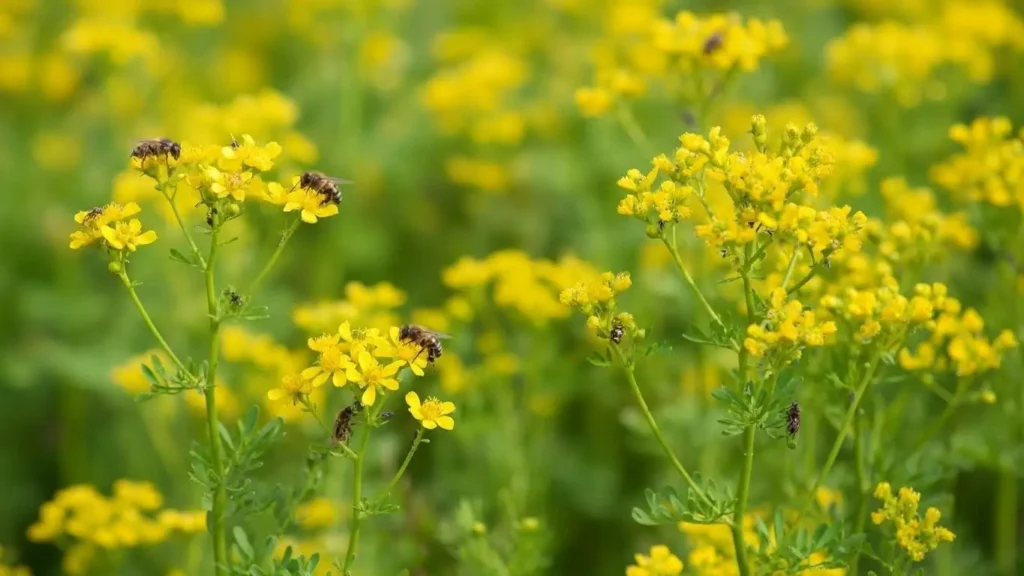
The ruda plant, scientifically known as Ruta graveolens, is a distinctive herb with bluish-green foliage cultivated for centuries. Native to the Mediterranean region, this aromatic perennial has become popular across Mexico and Central America. Honestly, ruda is surprisingly easy to grow once you understand its basic needs and care requirements.
Plant Care Card
| Attribute | Details |
|---|---|
| Common Name | Ruda, Rue, Mexican Rue, Herb of Grace |
| Botanical Name | Ruta graveolens |
| Family | Rutaceae |
| Plant Type | Herbaceous perennial |
| Mature Size | 2-3 feet tall, 1-2 feet wide |
| Sun Exposure | Full sun to partial shade |
| Soil Type | Well-draining, sandy or loamy |
| Soil pH | 6.0-7.5 (neutral to slightly alkaline) |
| Hardiness Zones | 4-9 (USDA) |
| Native Area | Mediterranean, Southern Europe |
| Toxicity | Toxic to pets and humans; can cause skin irritation |
Ruda Plant Care
Growing a ruda plant is moderately easy once you establish a consistent routine. The following sections will cover everything from light and water requirements to propagation techniques. You’ll love how forgiving this plant can be with the right conditions!
Light
Ruda thrives in full sun but can tolerate partial shade, especially in hotter climates. Aim for at least 6-8 hours of direct sunlight daily for the healthiest growth and most aromatic foliage. Too little light causes leggy, weak stems and reduces the plant’s essential oil production. Too much intense afternoon sun in scorching regions might scorch the leaves slightly. A south-facing or west-facing garden spot works perfectly outdoors, while a sunny windowsill suits container-grown ruda plants.
Soil
This Mediterranean native prefers well-draining soil that prevents water from pooling around the roots. Sandy or loamy soil works best, mimicking its natural rocky habitat. The soil should be moderately fertile but not overly rich ruda actually produces stronger fragrance in leaner soil. You can create an ideal mix using 2 parts potting soil, 1 part sand, and 1 part perlite for excellent drainage. According to Oregon State University Extension, proper soil drainage is essential for preventing root rot in herbs and preventing water stress in container-grown plants.
Water
Water your ruda plant when the top 2-3 inches of soil feel dry to the touch. This typically means watering once or twice weekly during the growing season, depending on your climate and rainfall. Let’s face it this plant is pretty drought-tolerant once established and actually prefers slightly dry conditions over soggy soil. Overwatering causes yellowing leaves and root rot, while severe underwatering leads to wilting and brown, crispy foliage. Similar watering needs apply to croton plants, which also prefer the soil to dry out between waterings. Reduce watering frequency in fall and winter when growth slows down naturally.
Temperature and Humidity
Ruda tolerates a wide temperature range, thriving in 60-80°F but surviving brief dips to 20°F once established. This hardy plant doesn’t require high humidity and does well in typical outdoor conditions. However, protect it from harsh winter winds and extreme temperature fluctuations, which can damage the foliage. Avoid placing container plants near heating vents or air conditioning units that create sudden temperature changes.
Fertilizer
Feed your ruda with a balanced liquid fertilizer diluted to half strength every 4-6 weeks during spring and summer. Skip fertilizing in fall and winter when the plant enters dormancy. Honestly, this herb doesn’t need much feeding overfertilizing produces lush but less aromatic foliage with reduced medicinal properties.
Types of Ruda Plant
While Ruta graveolens is the most common species, a few varieties offer interesting alternatives for gardeners.
- Common Rue (Ruta graveolens): The standard variety with bluish-green foliage and small yellow flowers in summer. This is the most widely grown type for both ornamental and traditional uses. It reaches 2-3 feet tall with a bushy, rounded shape.
- Jackman’s Blue Rue (Ruta graveolens ‘Jackman’s Blue’): Features especially vibrant steel-blue foliage that’s more compact than the species. This cultivar grows about 18-24 inches tall and is particularly striking in ornamental gardens. The enhanced blue color makes it a favorite for contrast planting.
- Variegated Rue (Ruta graveolens ‘Variegata’): Sports cream and green variegated leaves that add extra visual interest. It has the same growth habits as common rue but with a softer appearance. This variety is slightly less cold-hardy than standard rue.
Propagating Ruda Plant
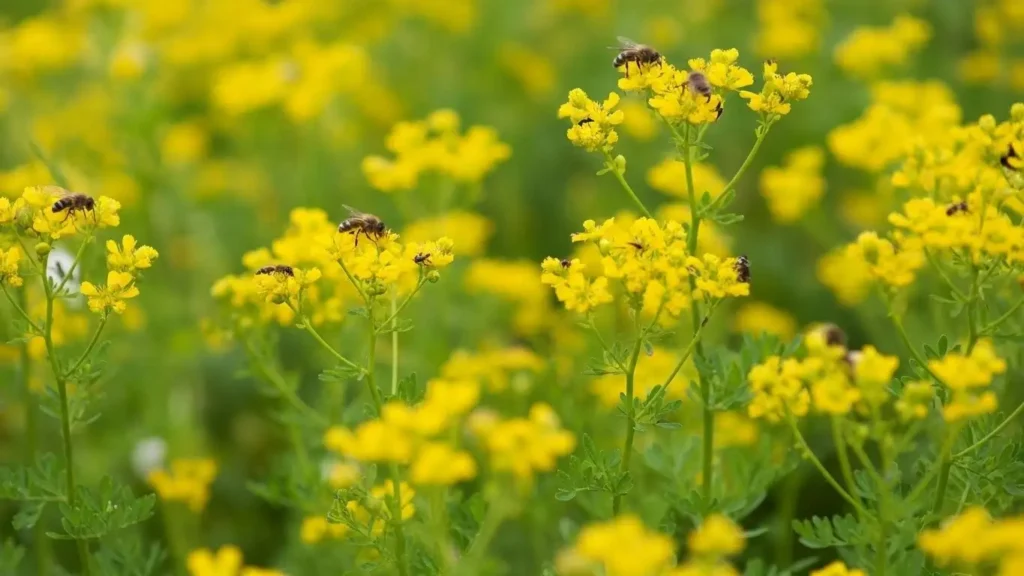
The best time to propagate ruda is during spring and summer when the plant is actively growing.
Propagating by Stem Cuttings
Taking stem cuttings is the easiest and most reliable propagation method for the ruda plant.
Materials needed:
- Clean, sharp pruning shears
- Small pots with drainage holes
- Well-draining potting mix
- Rooting hormone (optional)
Steps:
Step 1: Cut 4-6 inch stems from healthy ruda growth in the morning when plant tissues are most hydrated. Choose semi-hardwood stems that aren’t too soft or too woody. Remove the bottom leaves, leaving just 2-3 leaf sets at the top.
Step 2: Dip the cut end in rooting hormone powder if desired, though ruda roots fairly easily without it. Insert the cutting about 2 inches deep into moist potting mix. You can place multiple cuttings in one pot if spaced adequately.
Step 3: Water gently and cover with a plastic bag or humidity dome to maintain moisture. Place in bright, indirect light avoid direct sun that might scorch the cutting. Keep the soil consistently moist but not waterlogged.
Step 4: Roots should develop within 3-4 weeks. Test by gently tugging the cutting resistance indicates root development. Once rooted, gradually acclimate to normal conditions before transplanting outdoors.
This propagation method also works well for song of india plants, another hardy species that roots easily from stem cuttings.
Propagating by Division
Mature ruda plants can be divided in early spring before new growth emerges. Carefully dig up the entire plant and separate it into sections with roots attached. Replant divisions immediately at the same depth they were growing previously. Water thoroughly and keep slightly moist until new growth appears, which usually takes 2-3 weeks. This technique works similarly to dividing spider plants, which also benefit from division when they become overcrowded.
Potting and Repotting
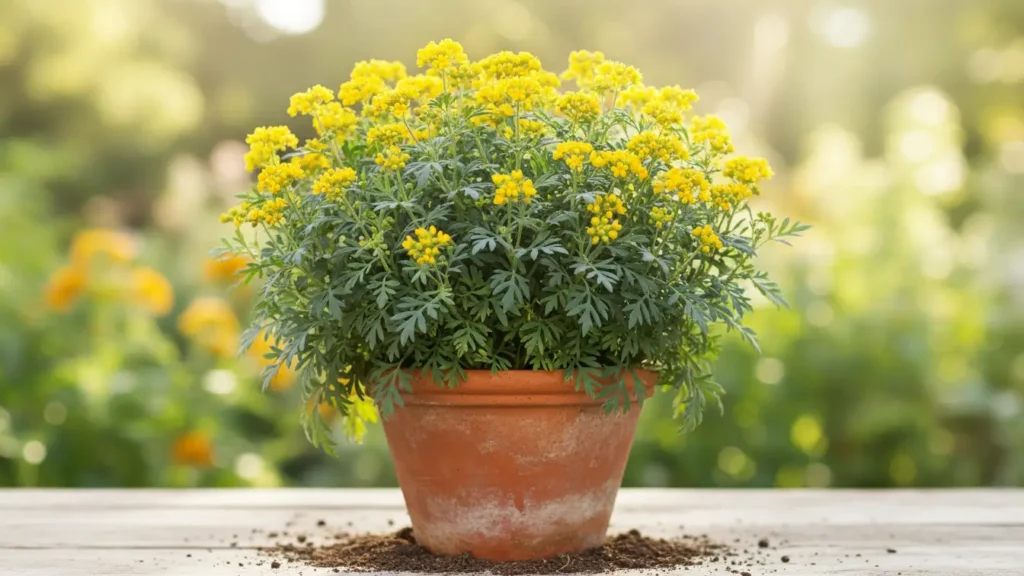
Container-grown ruda typically needs repotting every 2-3 years when roots start emerging from drainage holes or growth slows noticeably. Choose a pot that’s 2-3 inches larger in diameter than the current one. Always use containers with drainage holes this prevents the waterlogged conditions that ruda absolutely hates. The best time for repotting is early spring before active growth begins. Gently remove the plant, shake off old soil, and trim any dead or circling roots before placing it in fresh potting mix.
Common Pests and Diseases
Like most garden plants, the ruda plant can occasionally attract pests, though its strong scent actually deters many insects naturally.
Spider Mites
Look for tiny webs and stippled, yellowed leaves, especially during hot, dry weather. Spray plants with a strong stream of water or treat with insecticidal soap every 5-7 days until the infestation clears.
Aphids
These soft-bodied insects cluster on new growth and flower buds, causing distorted leaves. Spray them off with water or apply neem oil every few days until gone. Ladybugs and lacewings provide natural control outdoors.
Whiteflies
Check the undersides of leaves for tiny white flying insects that flutter when disturbed. Yellow sticky traps help catch adults, while insecticidal soap treats nymphs. According to University of Minnesota Extension, consistent monitoring prevents pest populations from becoming established on indoor and outdoor plants.
Scale Insects
These appear as small brown bumps on stems and leaves that don’t move easily. Scrape them off with your fingernail or a soft brush, then apply horticultural oil to suffocate remaining insects and eggs.
Common Problems with Ruda Plant
Here’s how to troubleshoot common issues with your ruda plant:
Yellow Leaves
Yellow foliage on your ruda usually signals overwatering or poor drainage. The roots can’t access oxygen in waterlogged soil, leading to root rot and yellowing. Nutrient deficiency, particularly nitrogen, also causes yellowing in older leaves first. Natural aging causes lower leaves to yellow and drop periodically this is totally normal. Let the soil dry out between waterings and improve drainage if needed. Just like with snake plants, addressing water habits typically solves yellowing leaf problems quickly.
Brown Leaf Tips or Edges
Brown, crispy leaf margins often indicate low humidity or fluoride sensitivity from tap water. Underwatering can also cause browning, especially during hot weather. Try using filtered or rainwater instead of tap water, or let tap water sit overnight before using it. Increase humidity slightly by misting occasionally or grouping plants together. These same browning issues frequently affect philodendron brasil when humidity drops too low.
Drooping or Wilting Leaves
Wilting usually means the ruda plant needs water check if the soil is bone dry. However, overwatered plants also wilt because damaged roots can’t absorb moisture properly. Feel the soil first to determine which problem you’re facing. If overwatered, let it dry out completely; if underwatered, water thoroughly until it drains from the bottom. Similar issues occur with wandering jew plants when watering schedules are inconsistent.
Leggy Growth
Sparse, stretched-out stems mean your ruda isn’t getting enough light. Move it to a sunnier location where it receives at least 6-8 hours of direct sun daily. Prune leggy stems back by one-third to encourage bushier, more compact growth from the base.
Slow or No New Growth
If your ruda seems stuck, it might be pot-bound, lacking nutrients, or dormant for winter. Check if roots are circling the pot and repot if needed. Feed with diluted fertilizer during the growing season, but remember that this plant naturally slows growth in fall and winter that’s perfectly normal.
FAQ
What do Mexicans use ruda for?
In Mexican tradition, ruda is used for spiritual cleansing, protection rituals, and folk medicine remedies. Many believe it wards off negative energy and the “evil eye.” It’s also brewed as tea for various ailments.
What is ruda good for?
The ruda plant has been traditionally used to treat digestive issues, muscle pain, and menstrual problems, though scientific evidence is limited. The plant contains compounds with anti-inflammatory and antimicrobial properties. Always consult healthcare professionals before medicinal use.
What is ruda plant in English called?
Ruda is called “rue” or “common rue” in English, sometimes referred to as “herb of grace.” The botanical name is Ruta graveolens. It belongs to the citrus family and has distinctive bluish foliage.
What is ruda used for spiritually?
Spiritually, ruda is believed to protect against negative energy, curses, and bad luck. It’s used in cleansing baths, carried as a protective charm, or hung in doorways. Many cultures incorporate it into blessing and purification ceremonies.
1 thought on “How to Grow and Care for Ruda Plant”
Comments are closed.